My first Reuben sandwich came from an airport deli. To be precise, I was at D/FW Regional Airport, Terminal 2E (American Airlines), on a sunny spring day, in 1977. I wasn’t traveling and I wasn’t meeting anyone. I was there just for fun.
When I was a 12 and 13 years old, I used to ride my bike to the airport just for fun. That’s the sort of thing I did while other kids were playing sports or hanging out at the mall. Yes, I was a little odd.
In some ways, going to the airport, by myself, made me feel connected with other people. It was an interesting way to observe people, without being obtrusive. I imagined stories about the people I saw and dreamed about the places that they would go to and places they had been. I was living life vicariously by watching others but it poured gasoline on the fire of my imagination.
I rarely had much money…usually nothing more than a dollar or two. But, on that day I had five dollars in my pocket. I gazed at the menu, reading the descriptions of the sandwiches that the deli had to offer. One sandwich in particular drew my attention. The Reuben. I had never had corned beef and sauerkraut was something I never imagined on a sandwich and rye bread was something I imagined only existed in New York. I had to have it.
I savored every bite of that Reuben sandwich and I still recall its warmth, aroma and the piles of sliced corned beef to this day. Every time I have a Reuben sandwich I recall the fun times I had during my trips to the airport, when I was globetrotting teenager, at least in my mind.
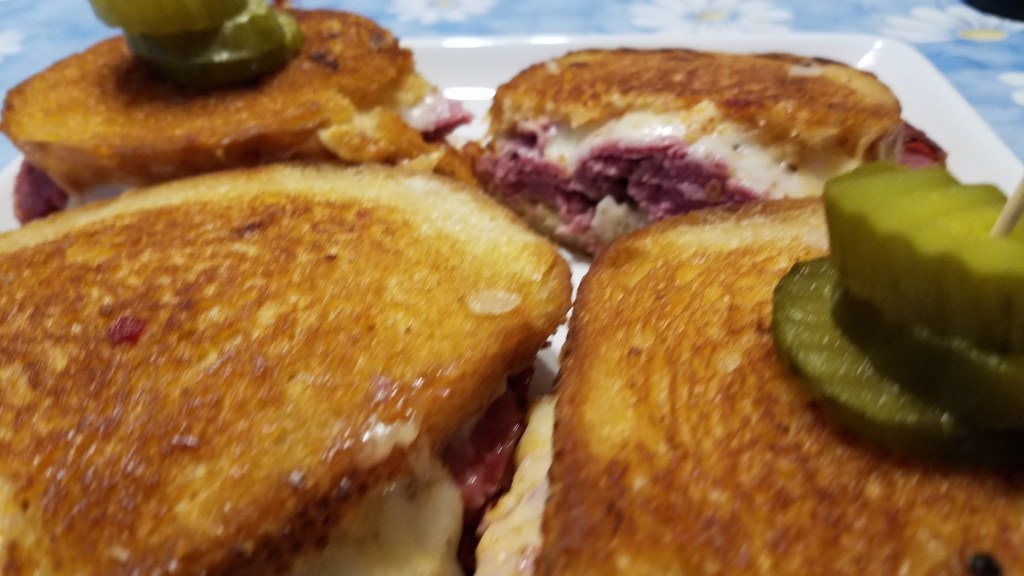
The Reuben that I am making today will have sour dough bread, instead of rye. Other than that, I have remained true to the classic sandwich recipe. I bought a beef roast that came with corned beef seasoning and followed the directions on the package. I boiled the roast for a few hours and then let it rest until cooled.
Ingredients:
2 lbs prepared corned beef roast
16 oz Swiss cheese, sliced
1 ½ cups sauerkraut
1 ½ cups Russian dressing (ingredients and directions below)
Sour dough bread, sliced
1 Tbs olive oil
2 Tbs butter
Directions:
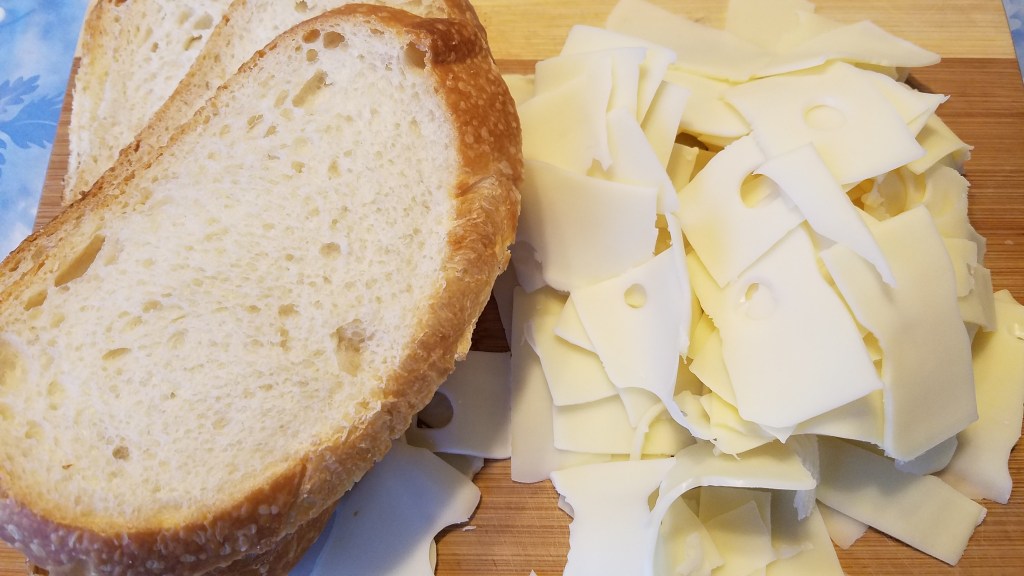
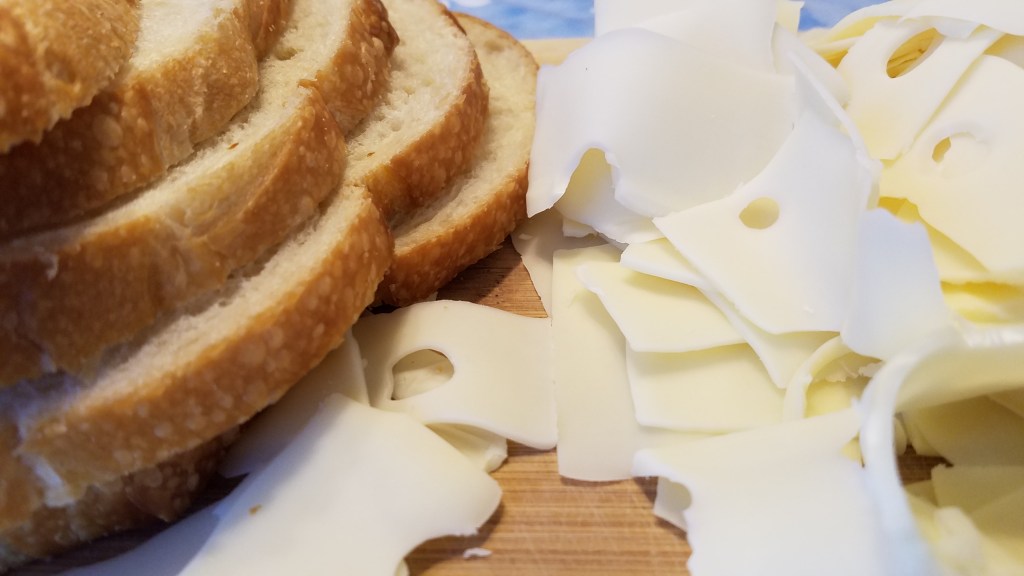
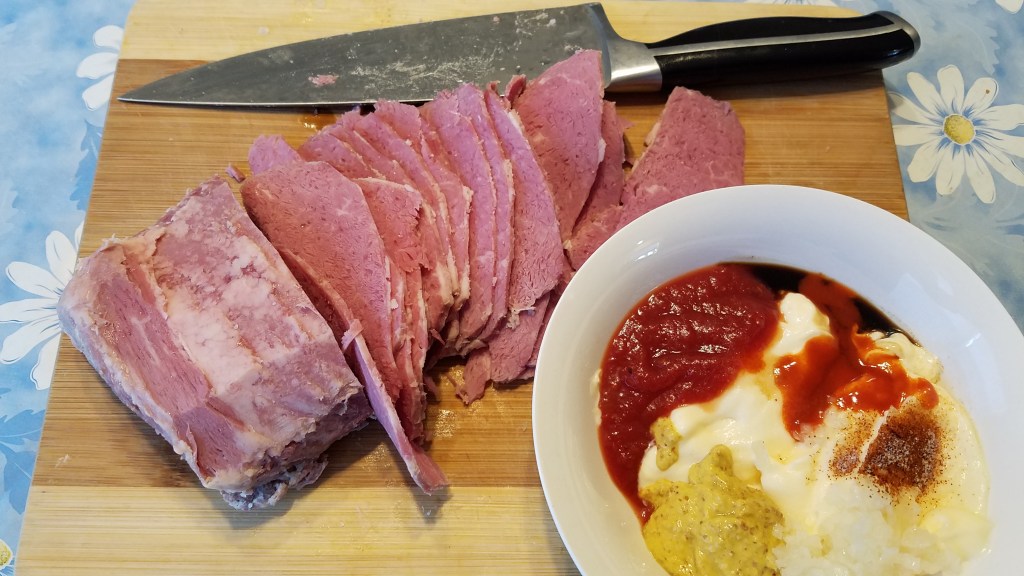
Slice the corned beef, ¼” slices or thinner if you can. Slice the Swiss cheese. Set these aside.
Preparing the Russian dressing:
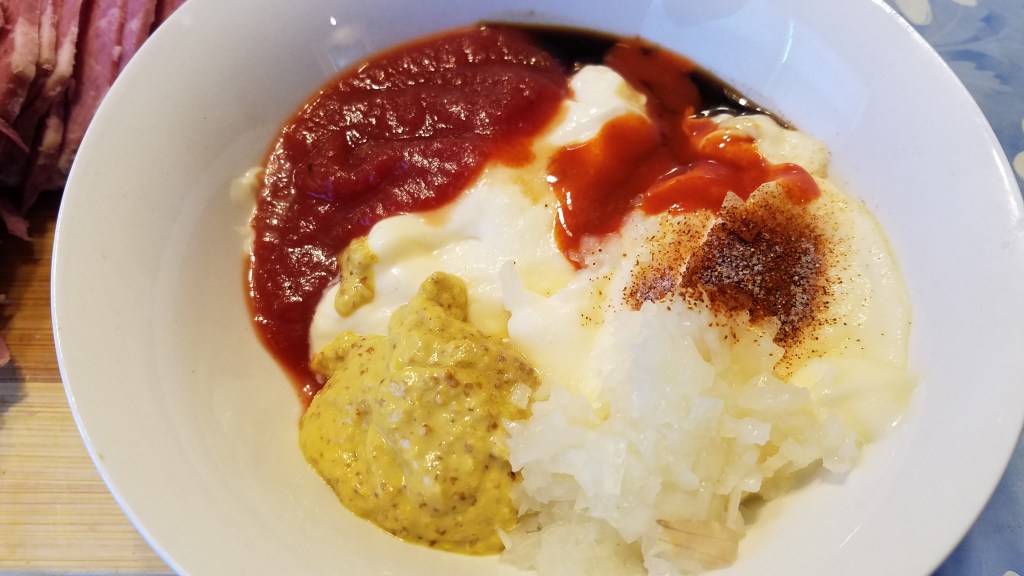
2 Tbs onion, minced and pulverize with the broadside of a knife
1 cup mayonnaise
3 Tbs chili sauce (spicy ketchup)
2 Tbs horseradish, from a jar
1 tsp Worcestershire sauce
1/4 tsp paprika
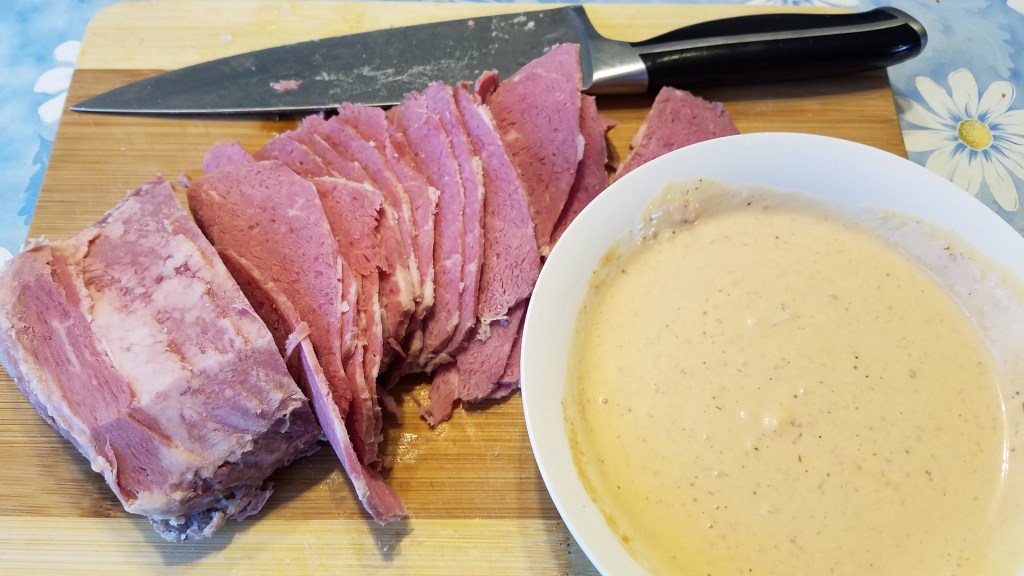
Combine all and mix thoroughly. Set aside.
Assembling the sandwich:
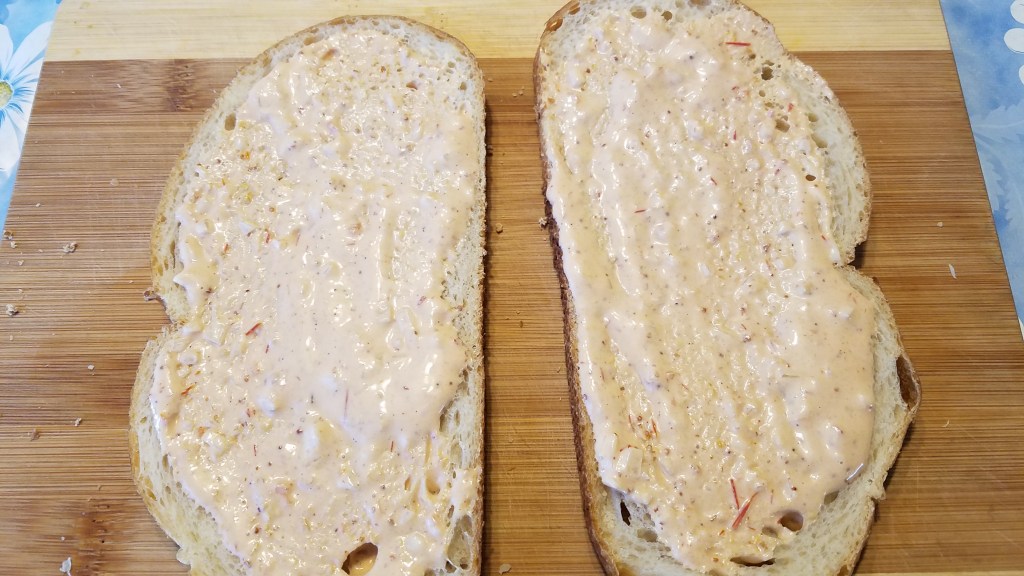
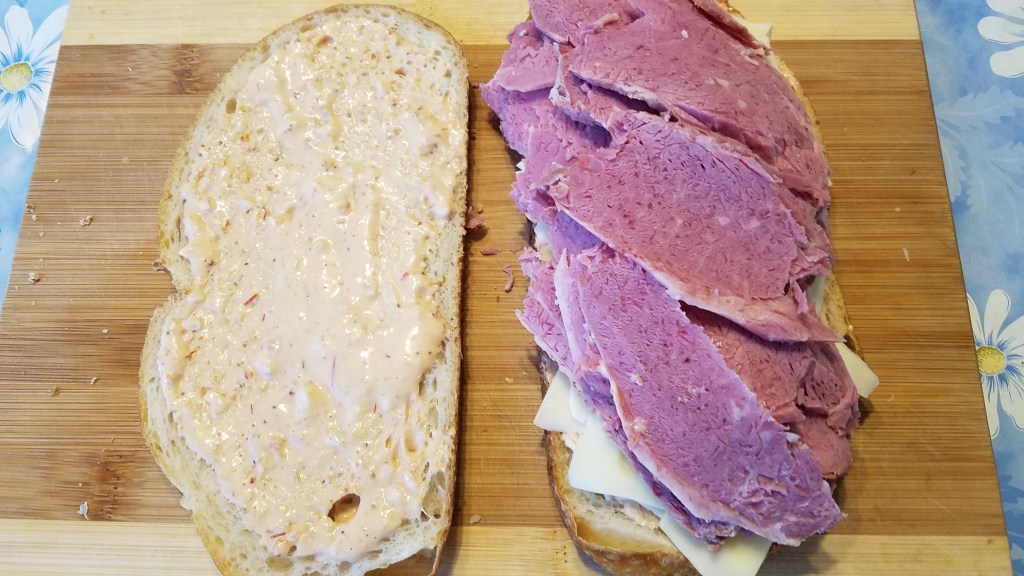
Lay slices of bread on a clean work surface. Slather Russian dressing on both slices.
Lay slices of Swiss cheese on one of the slices.
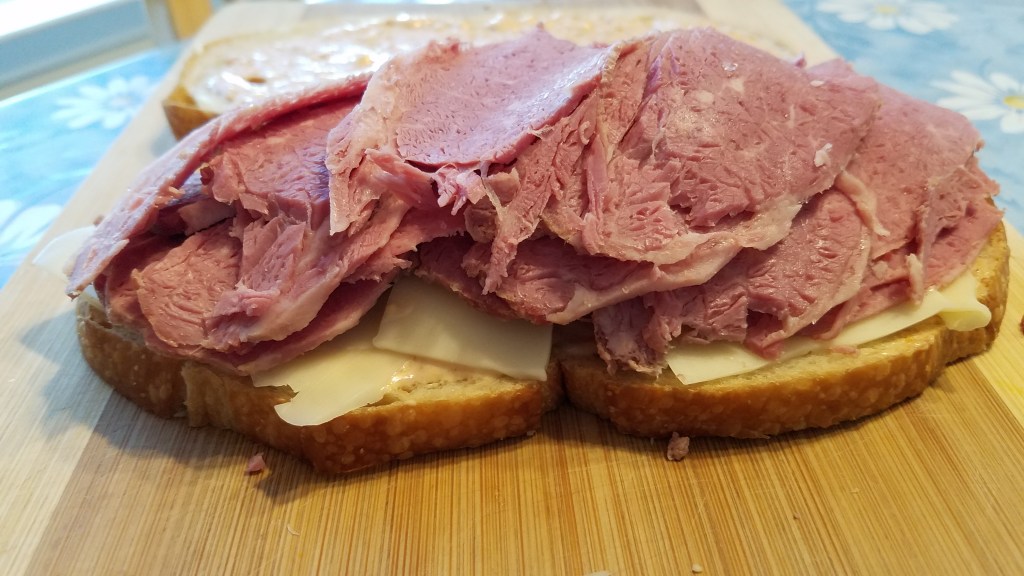
Pile slices of corned beef on one top of the cheese.
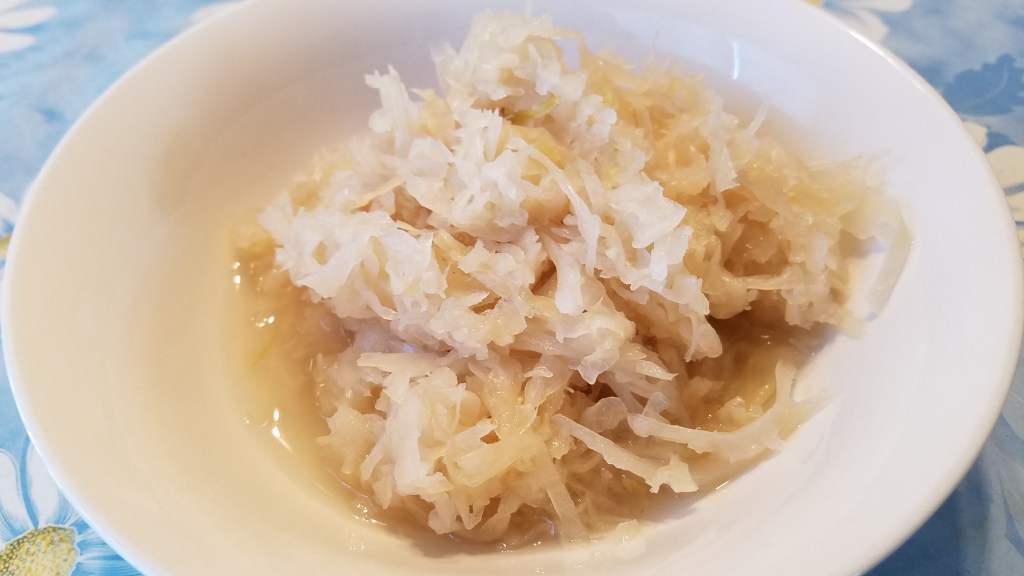
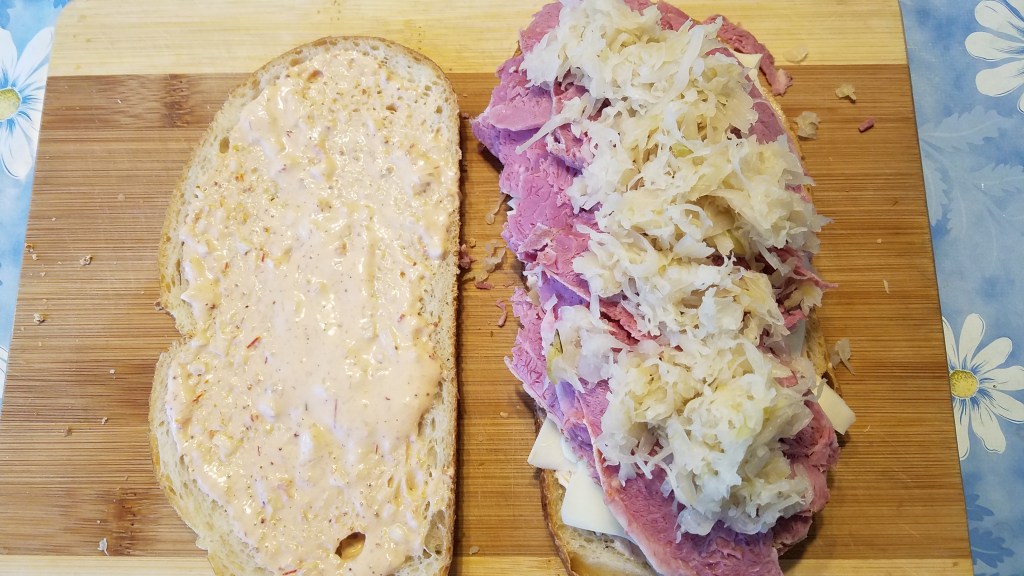
Squeeze some sauerkraut in your hands to remove as much of the liquid as possible. Lay the sauerkraut on top of the corned beef.
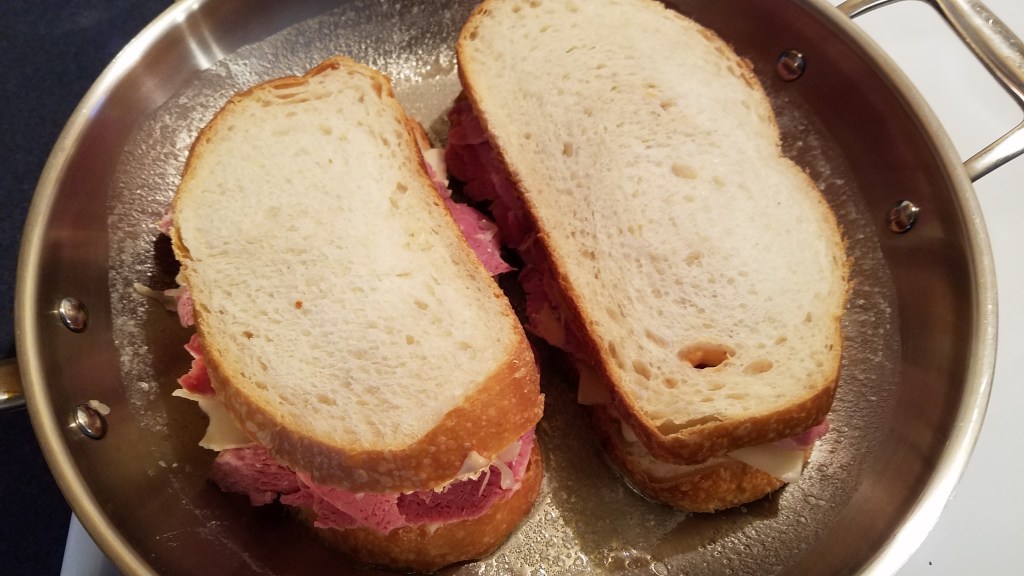
Top the sandwich with the other slice of bread. Repeat the process to make a second sandwich.
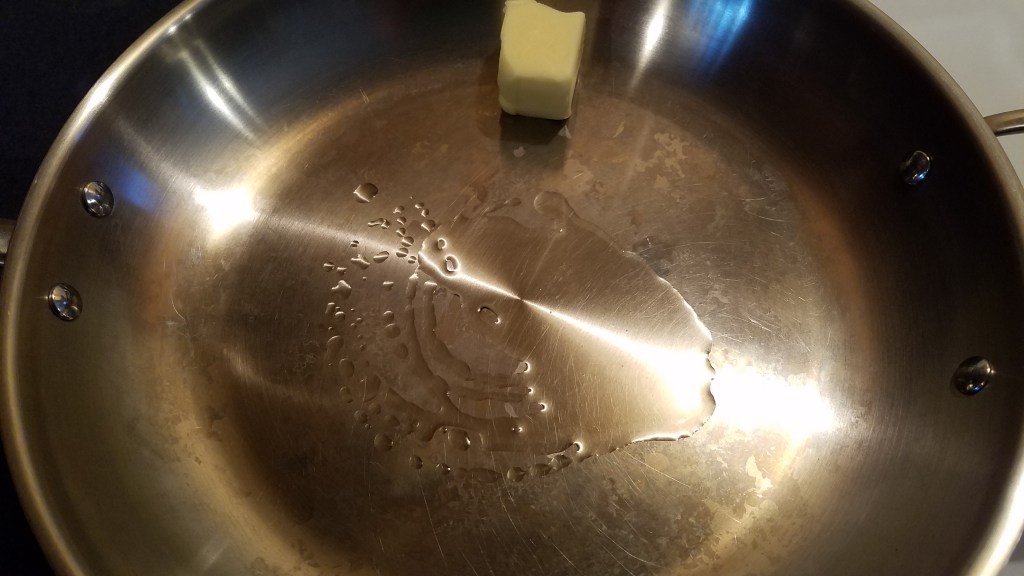
Heat a skillet to medium/low heat. Add olive oil and butter.
When the butter melts, turn heat to low and carefully lay the sandwiches onto the skillet.
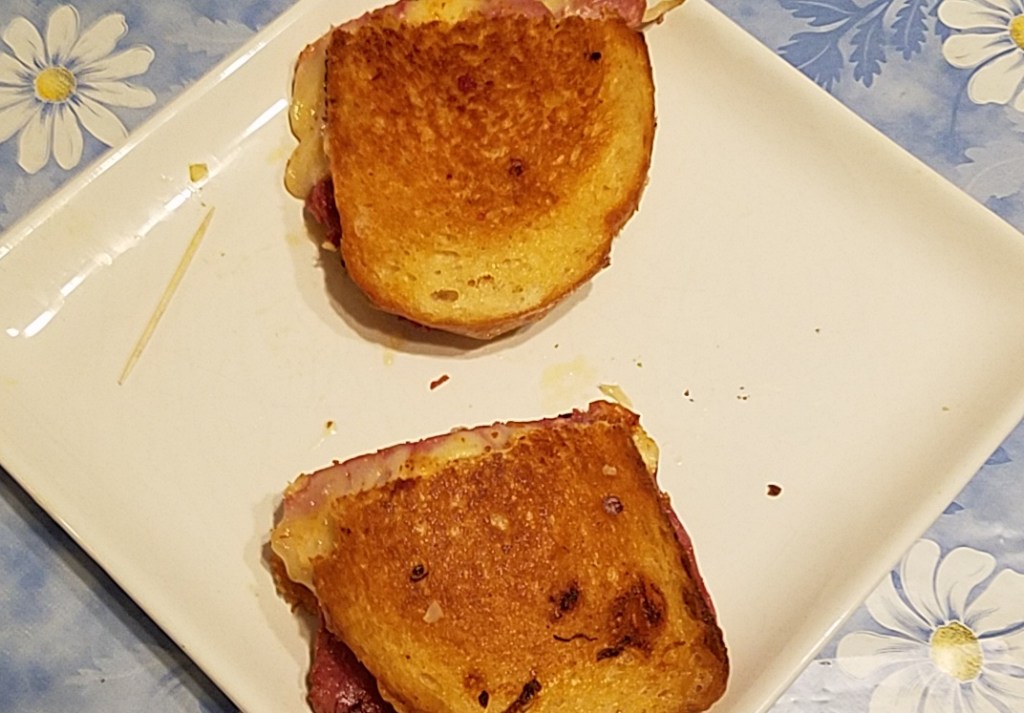
Brown both sides of the sandwiches, turning occasionally. Continue to turn until both sides have browned and the cheese has melted.
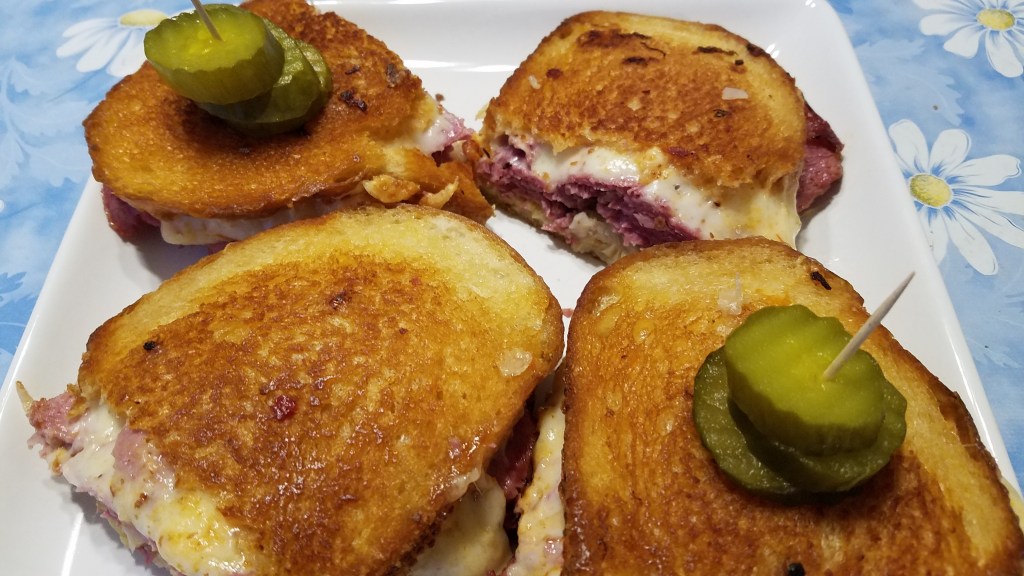
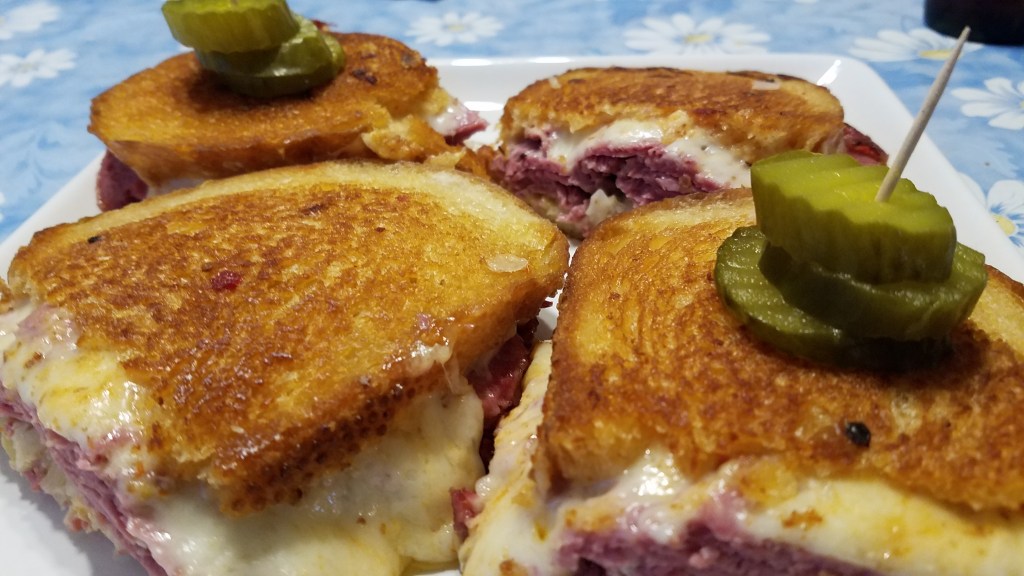
Remove the sandwiches and slice them in half.
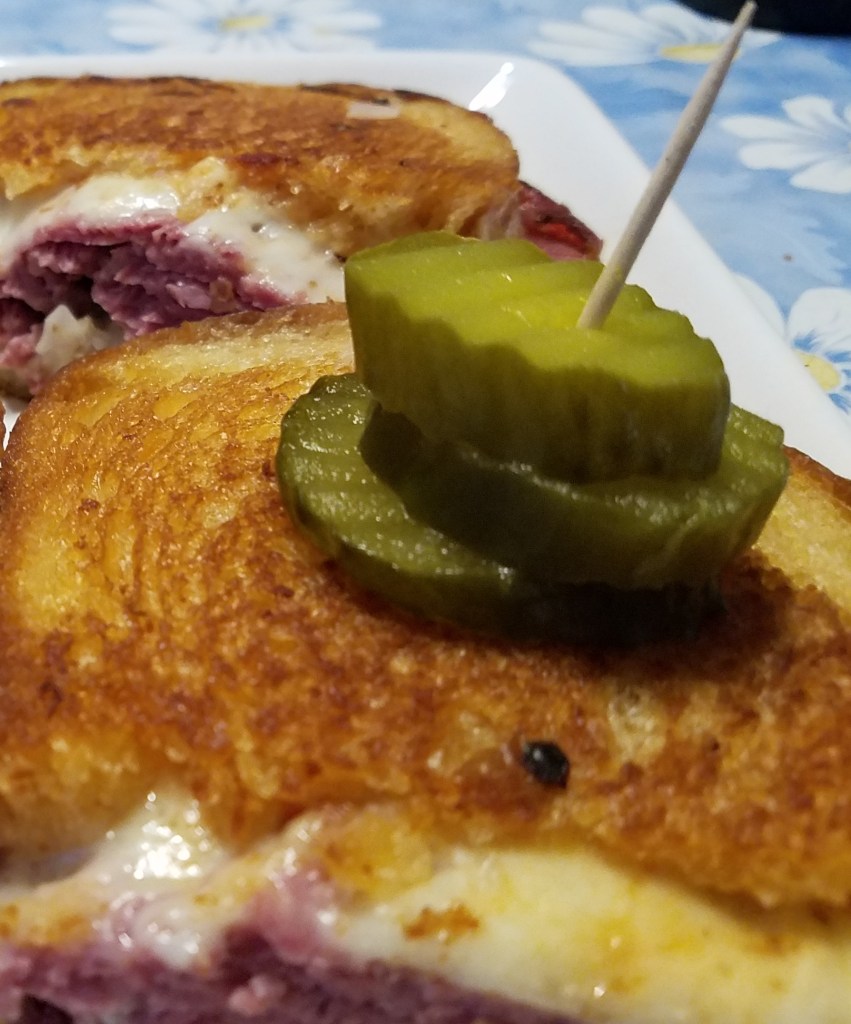
Secure the sandwiches halves with toothpicks and dill pickle slices.
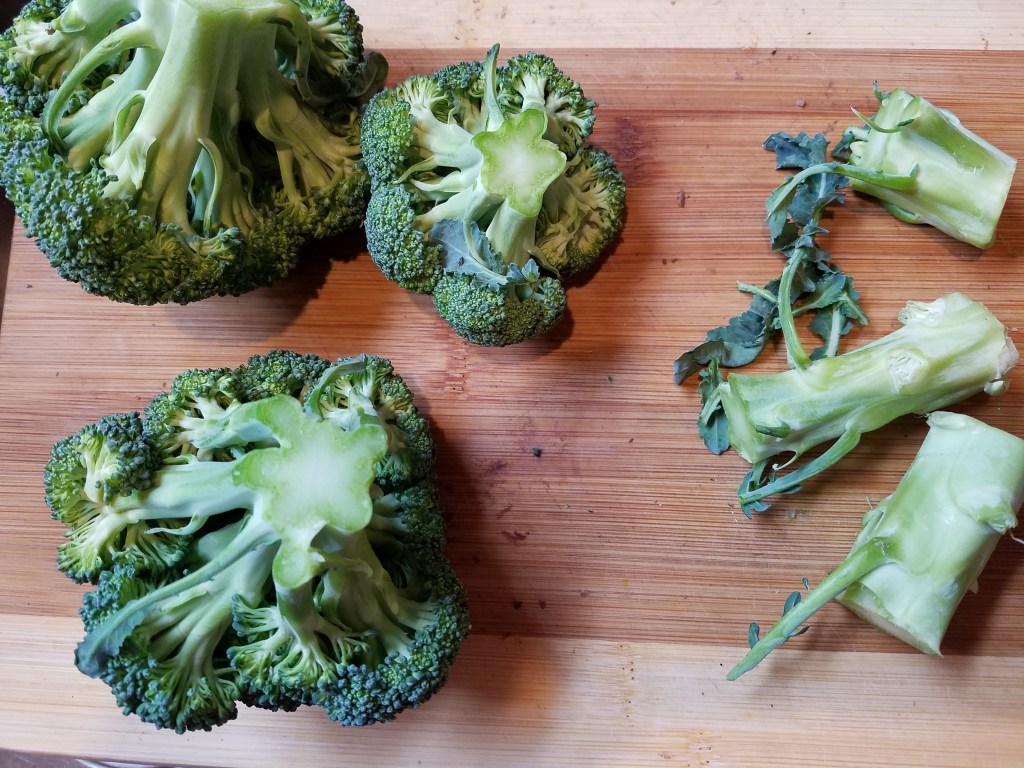
Last night I made steamed broccoli as a side dish to the main course. When I steam vegetables I strive for an even texture throughout the pieces. This is a challenge when it concerns broccoli because although the florets are fluffy and not very dense the stems are dense and thick. One solution to the problem is to cut the dense pieces into smaller sizes that will soften at the same rate as the florets. Another solution is to not include the thick stems at all.
I chose the latter option, but that didn’t mean I was going to waste perfectly good broccoli.
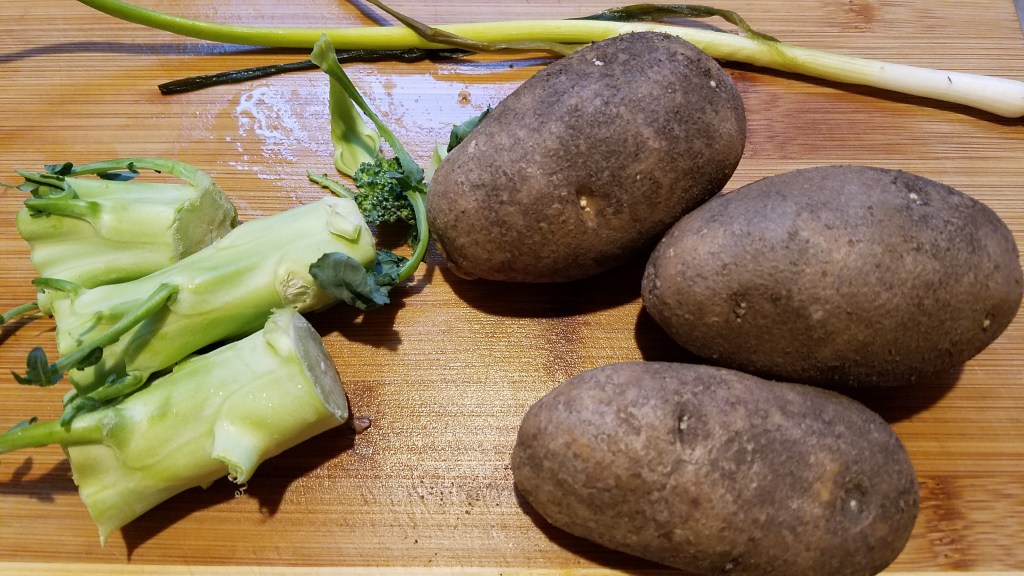
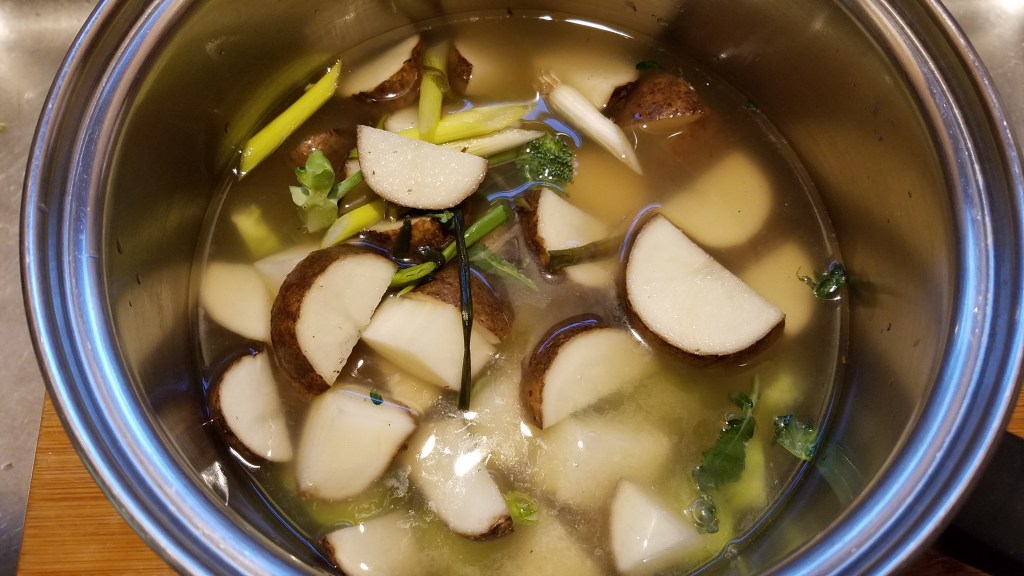
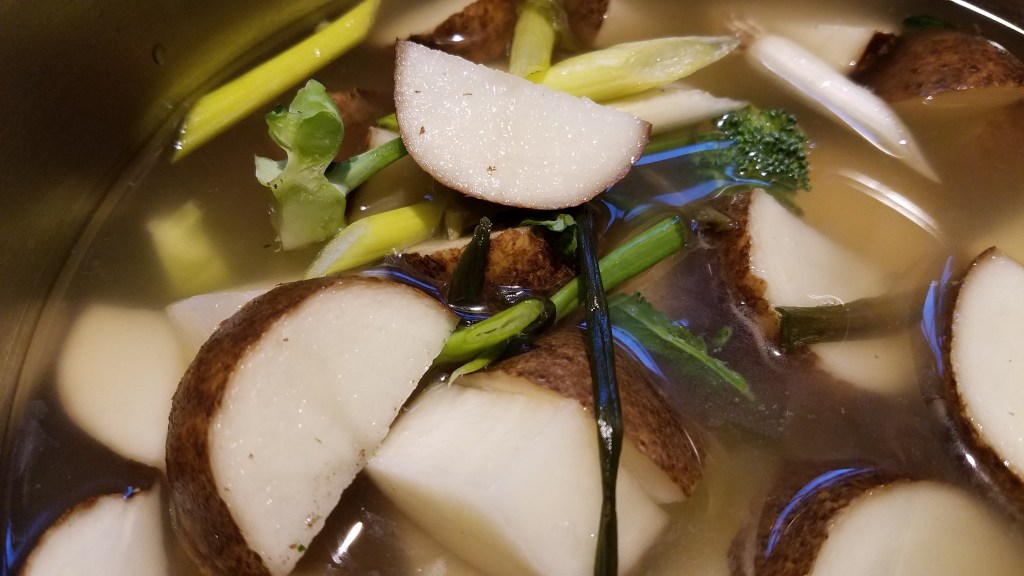
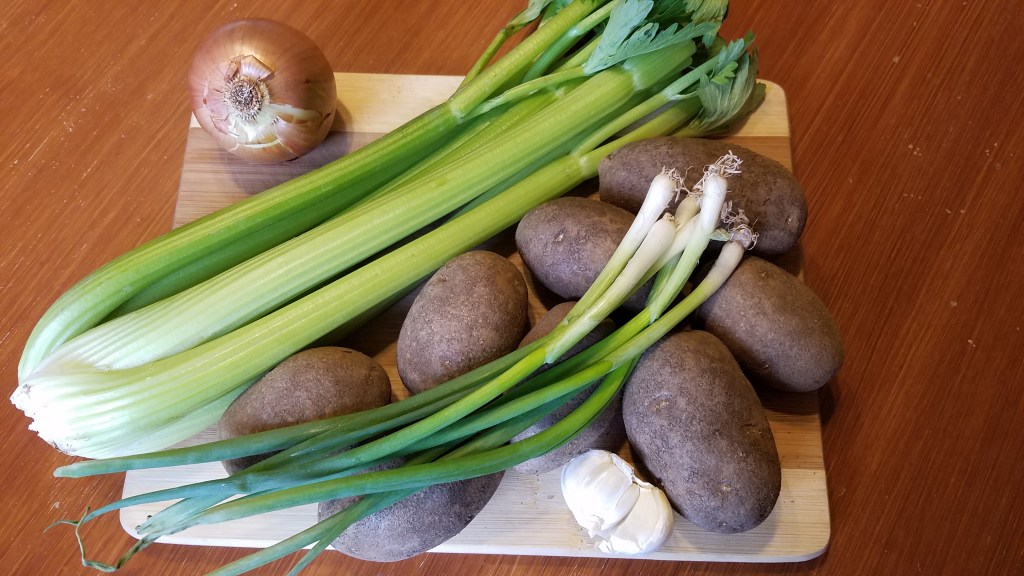
I rummaged around the kitchen and searched for vegetables that were on their way out. Wilted vegetables might lose their visual appeal but they still retain their nutritional value. I found some green onions that were wilted and a few potatoes that were smaller than the rest.
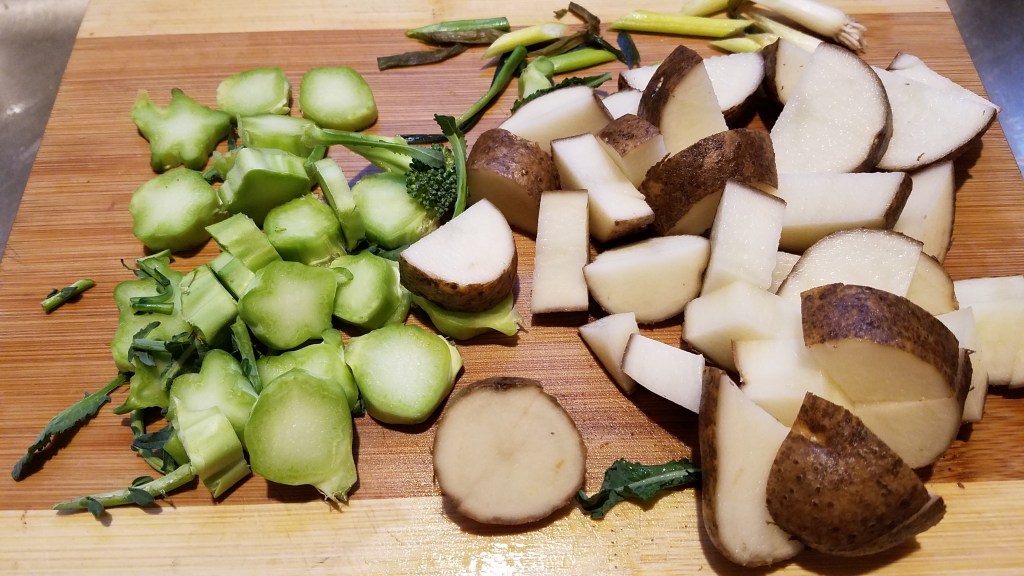
I rough cut the vegetables and tossed them into a pot.
I added 2 cups of chicken stock and simmered at low heat, covered, for one hour.
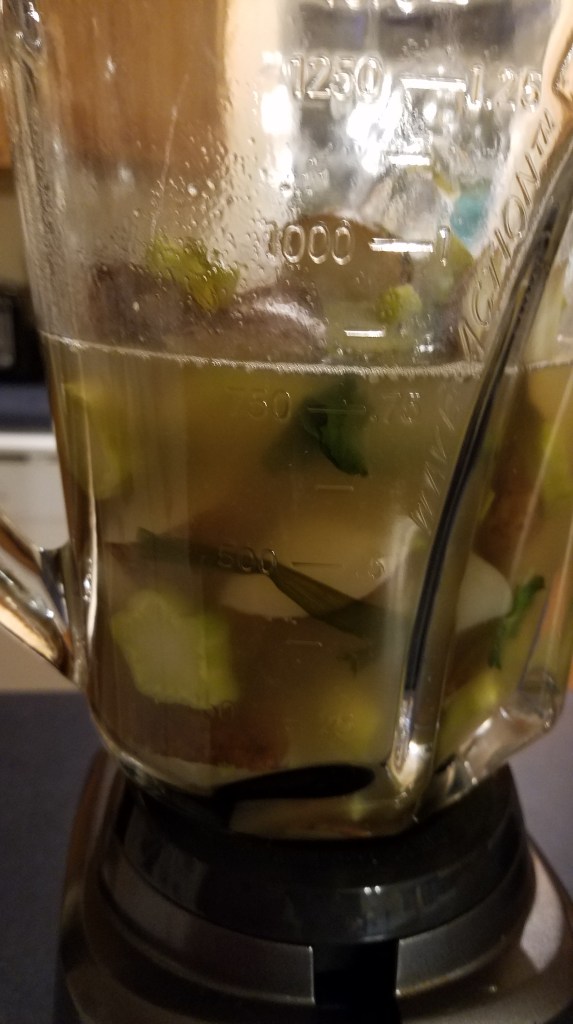
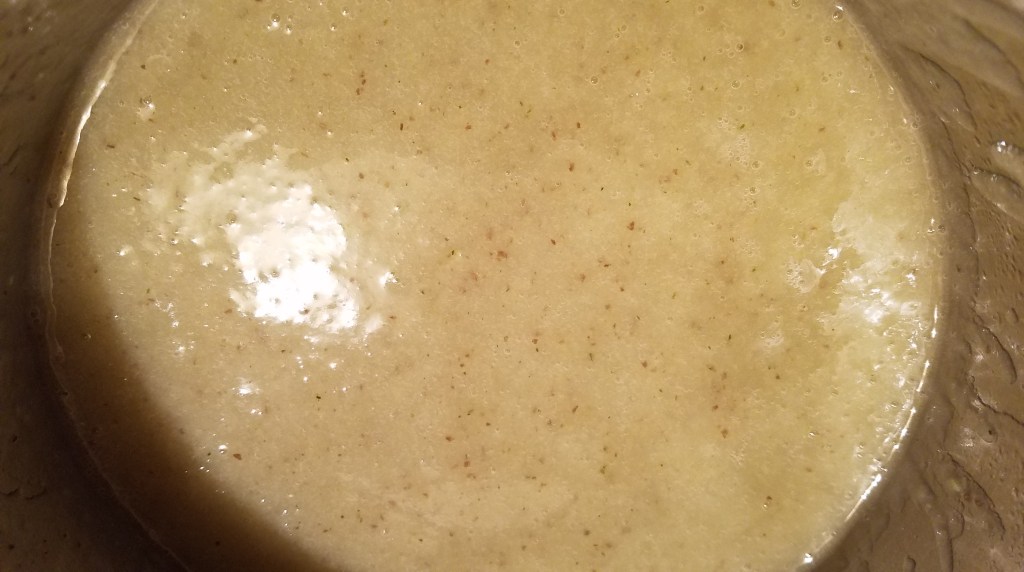
Once the vegetables had sufficiently softened, I poured everything into a blender and pulsed to puree.
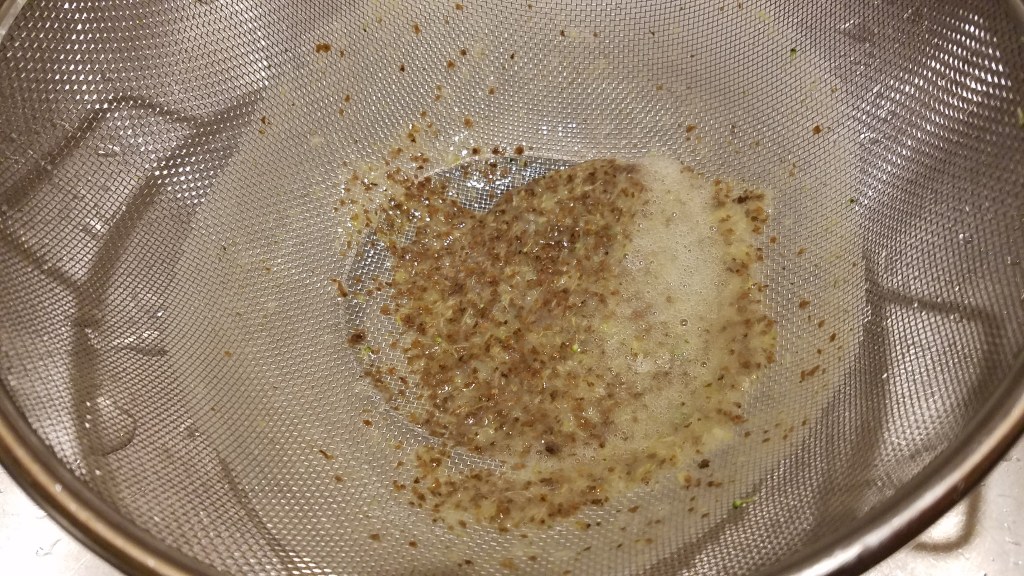
I strained out the remaining little pieces of potato skins and was rewarded with a creamy, hearty soup.
Anything can be added to the soup at this point. Maybe some leftover sausage scraps or some lunch meat that has been relegated to the back of the meat drawer.
I chose to chop another wilted green onion for the topping and then added some dried Parmesan cheese. After a few twists from the pepper grinder, the soup was ready to eat.
8 small russet potatoes, peeled and roughly chopped
1 Tbs olive oil
1 medium sized onion, chopped
5 cloves garlic, minced
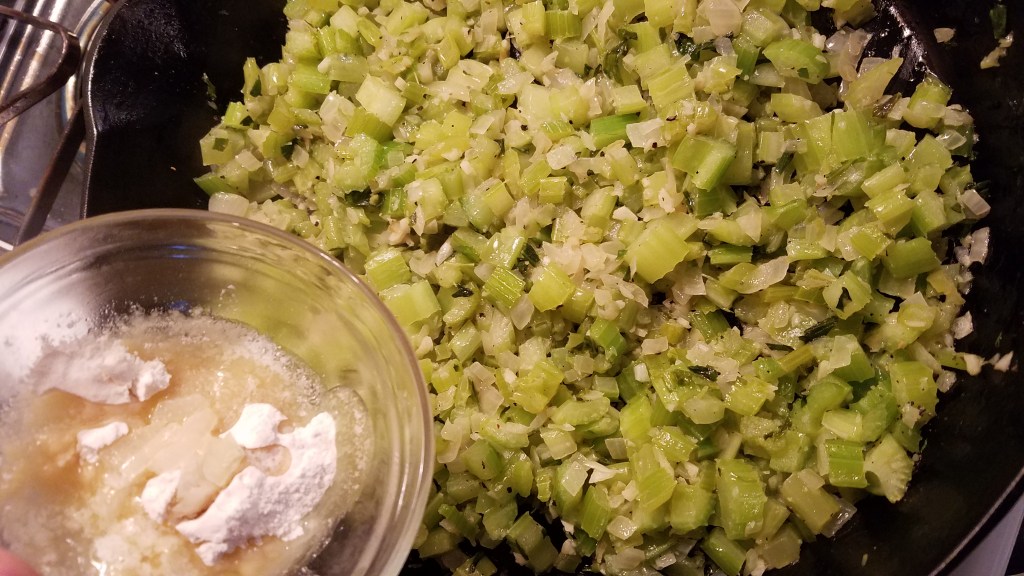
6 stalks celery, chopped
1 Tbs butter
2 Tbs flour
4 cups vegetable broth
2 cups chicken broth
½ cup half-and-half (whole milk and cream)
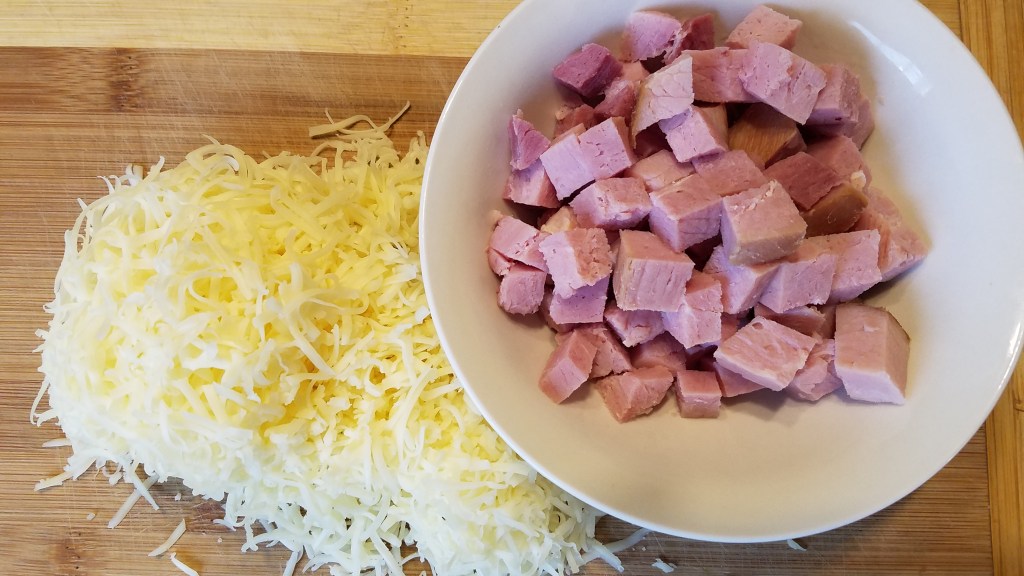
1 cup smoked ham, chopped into ½” cubes
5 oz white cheddar cheese, grated
4 green onions, chopped
salt and pepper to taste
Directions:
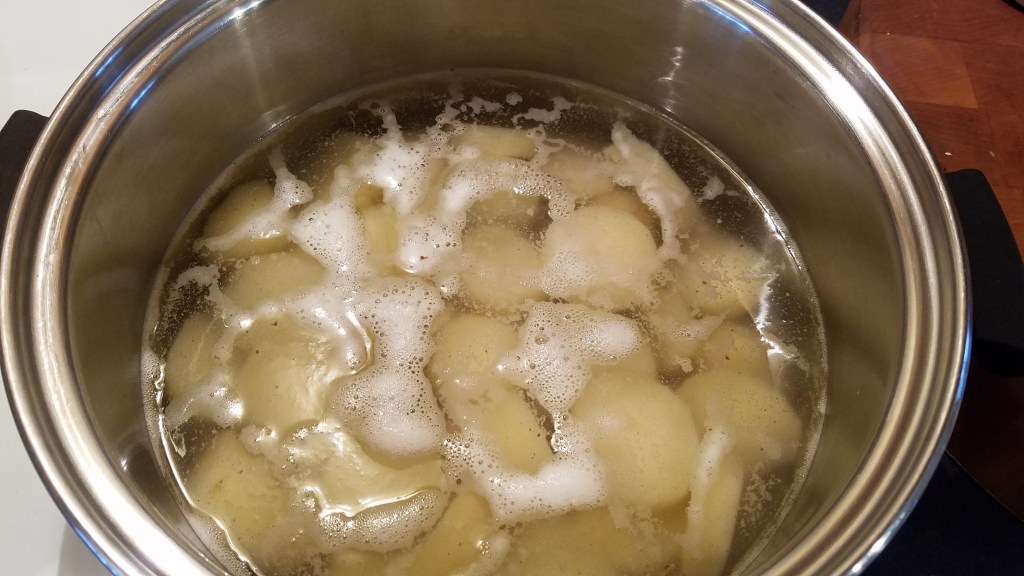
Bring a pot of water to boil and add the diced potatoes. Boil the potatoes until cooked through and softened. Strain the potatoes in a colander.
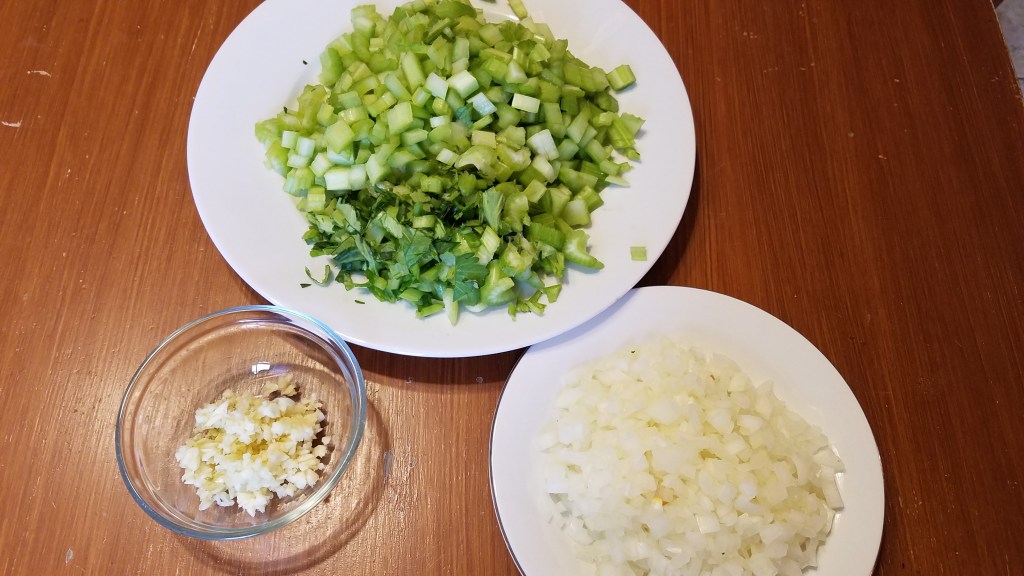
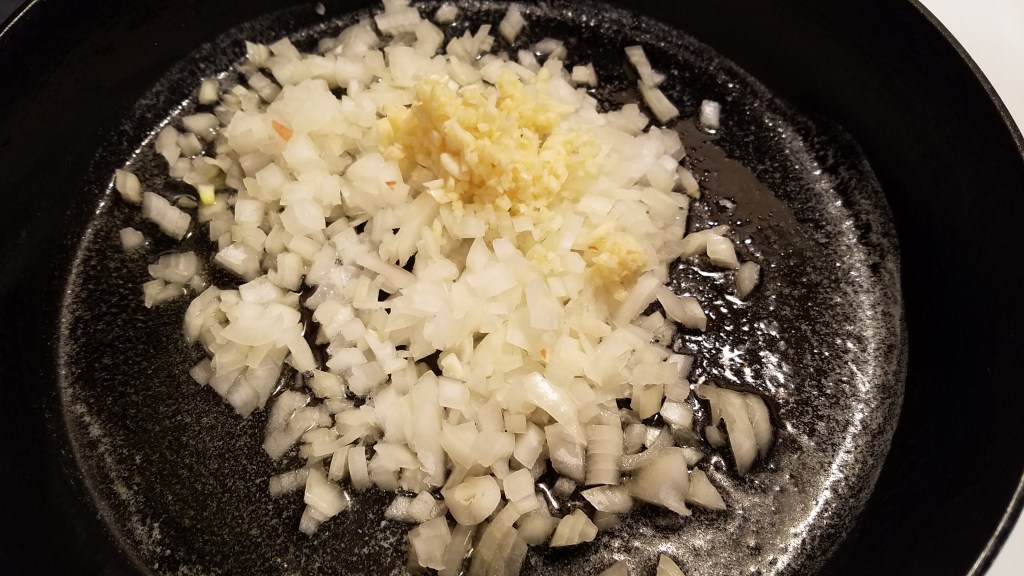
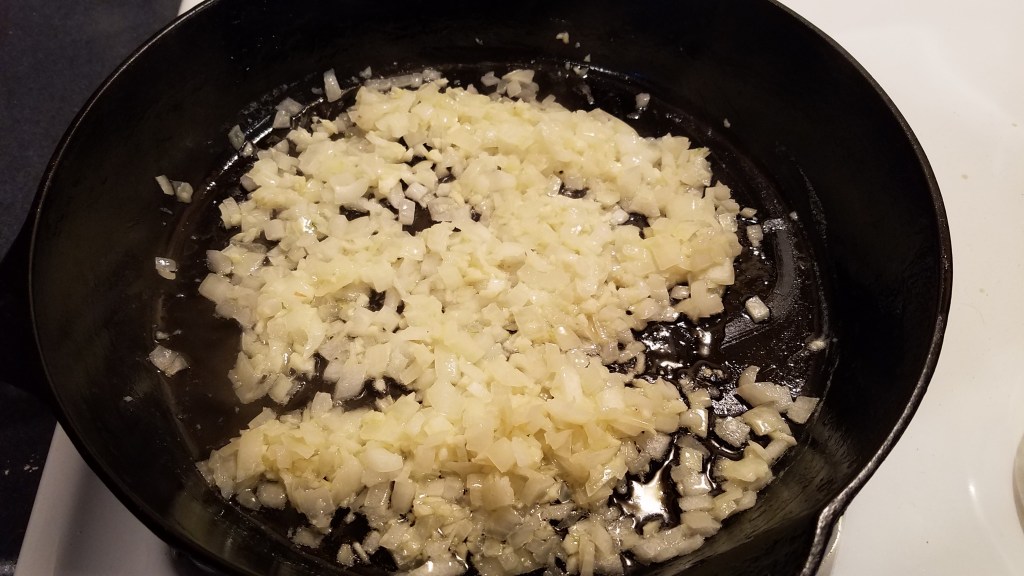
In a large pot over high heat, add olive oil, garlic and onions. Cook and for a minute or two, until the onions are translucent.
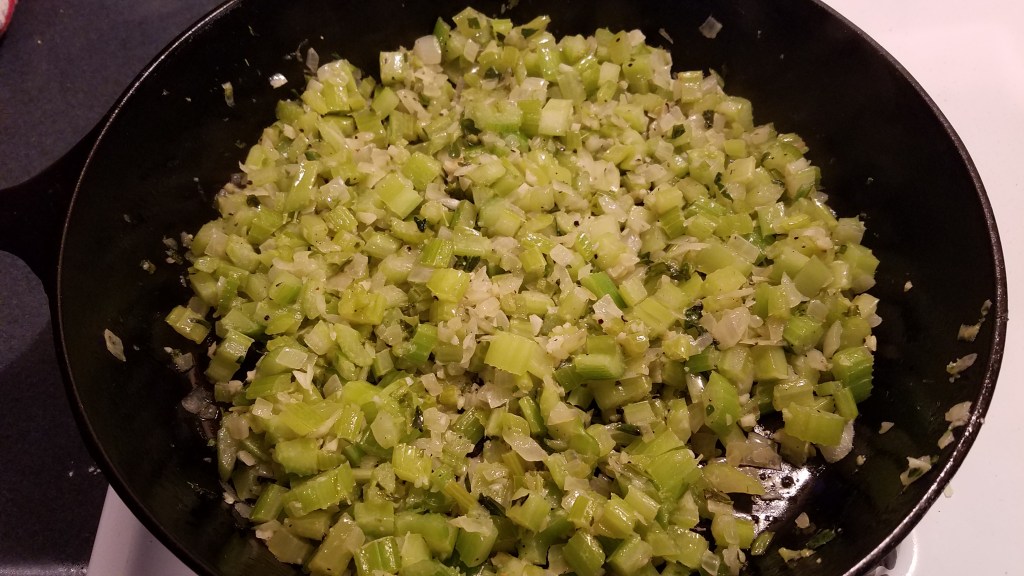
Add the chopped celery stalks and cook for another 3 minutes.
In a small bowl, add 1 tablespoon of butter to 2 tablespoons of flour. Mix and mash together with a fork. Add a splash of broth and mix a little more. Add the mixture to the pan. Stir to combine.
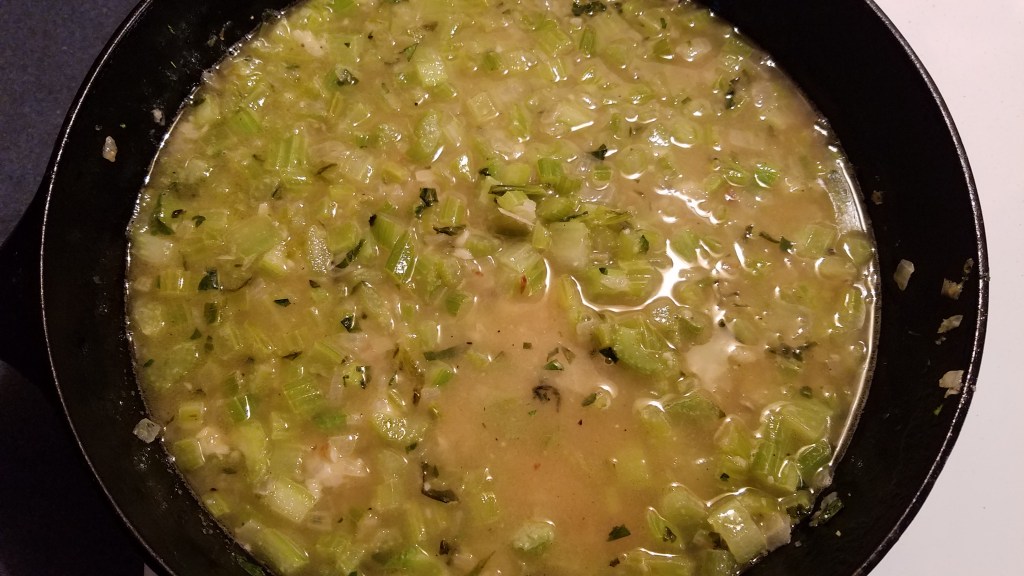
Add the vegetable broth and chicken broth. Stir and bring to boil. Cover and simmer on low heat for 30 minutes.
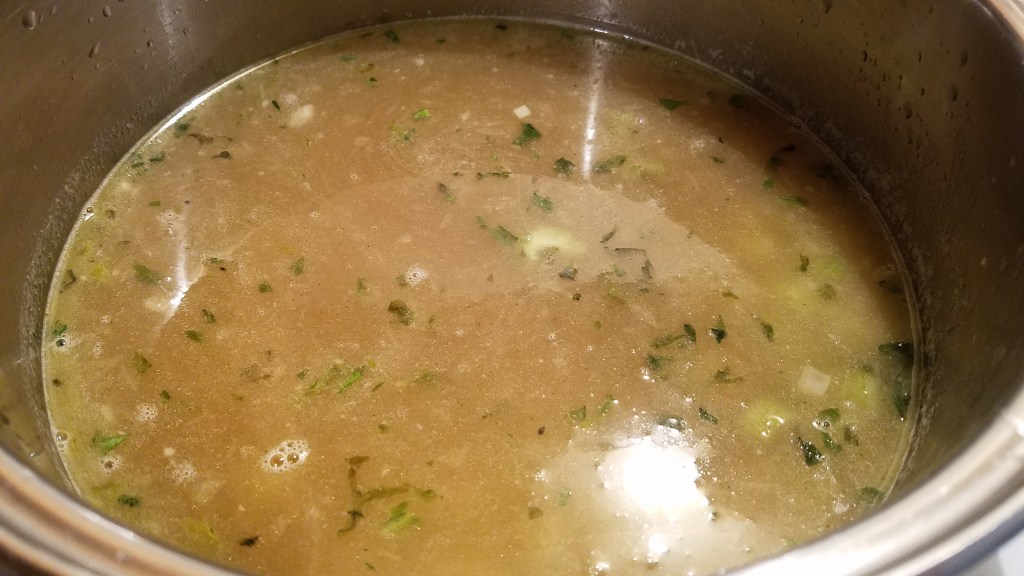
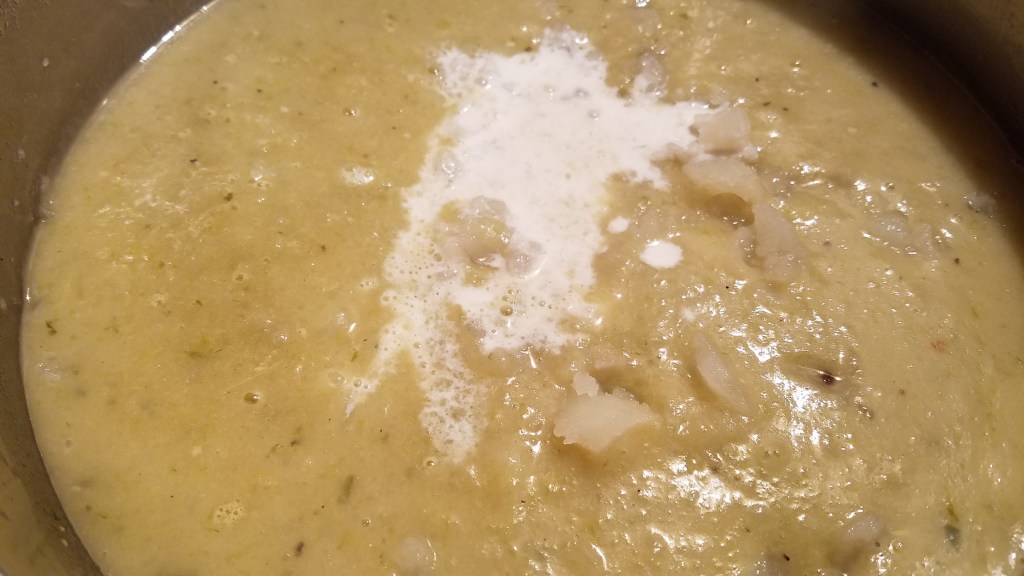
Pour the soup into the blender and add the potatoes. Puree until smooth. This may need to be done in batches, depending on the capacity of the blender. Return the soup to the pot.
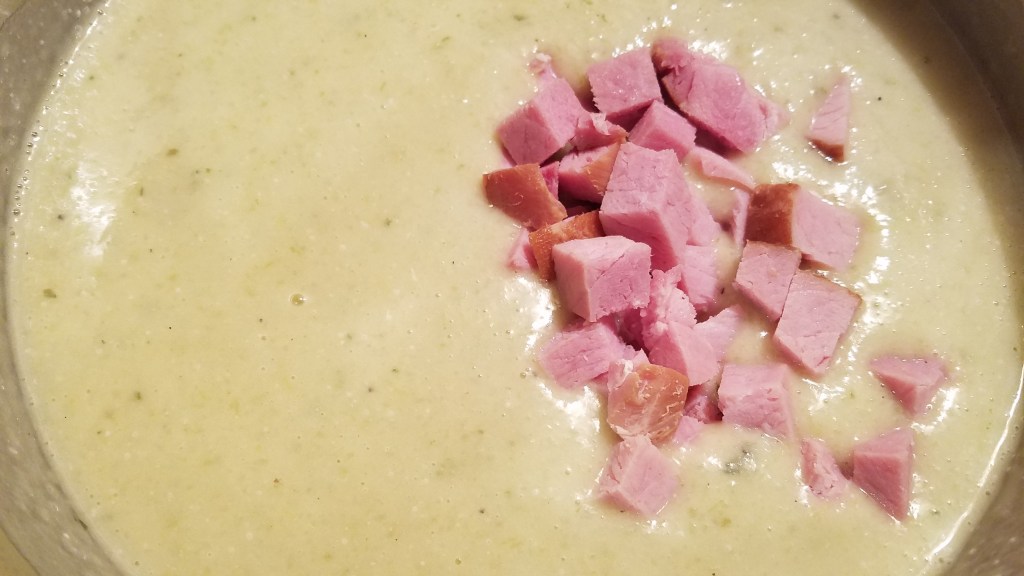
Add the half and half and the ham. Heat at low temperature for a few minutes while stirring occasionally.
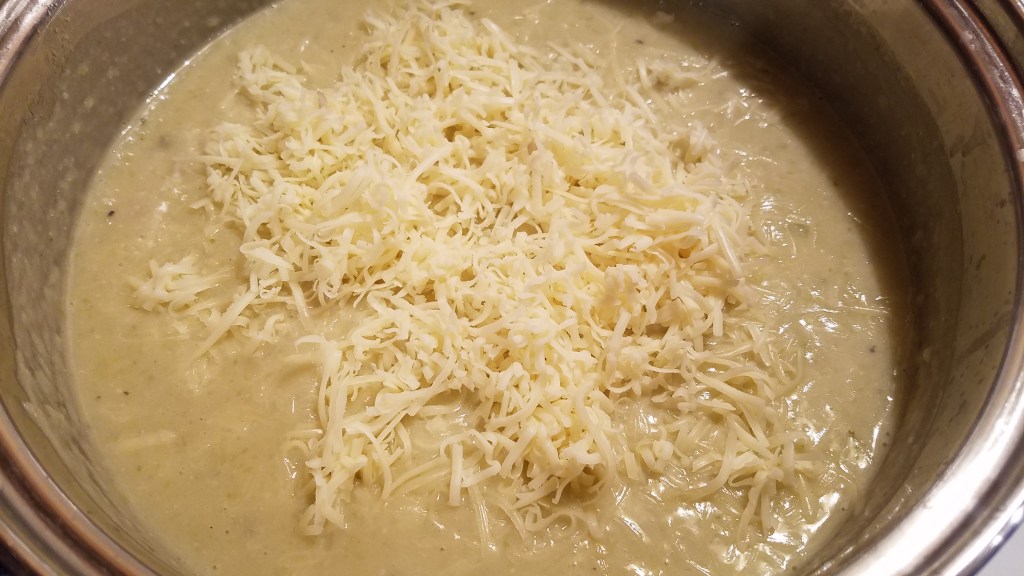
Turn the heat off and add the shredded cheese. Slowly stir the soup once or twice. Do not over-stir. Allow the cheese to melt without much interference. Add salt and pepper to taste.
I bought a large bag of Gala apples about two weeks ago and promptly put them in the crisper drawer in my refrigerator. Every time I open the refrigerator I see them and I am reminded that I need to do something with them.
Today seems like the perfect day to use them. Even though they have been kept cool and they still feel crisp, they won’t last forever. On top of that, I want something to do at home, so that I am not tempted to join the frenzied mob who are in panic mode as they rush to the store to empty the shelves of toilet paper and sanitizer.
Toilet paper, really?! If I was preparing for an emergency quarantine, toilet paper might make my it on my list of “100 things I need” but it would be pretty far down on the list. People are weird. I should know…I’m people, too.
I don’t want to make light of the situation surrounding the virus that has recently been declared a pandemic event. It’s serious business. People want to stay healthy and invisible threats, like viruses, play on our fears.
So, with that in mind, I want something to keep me occupied in the safe, confines of my home. I also want to stretch my resources to their fullest potential, which means that I don’t want to waste anything. If I wind up being confined to my home for a while, I want to be prepared and I want to be frugal.
Today is the day I will use those apples and I will use every part of them. I will save the peels to make apple chips and I will save the cores to make apple syrup. I will use the stems…ok, I won’t be using the stems but I definitely could. I could glue the stems together to make little stick-figure people and animals. Maybe next time.
Apple Filling Ingredients:
2 lb apples
1 Tbs white flour
1/2 cup sugar
2 Tbs lemon juice
1/2 tsp ground cinnamon
Topping
1 cup rolled oats
1 cup flour
1 cup brown sugar
1/2 tsp baking powder
1 tsp cinnamon powder
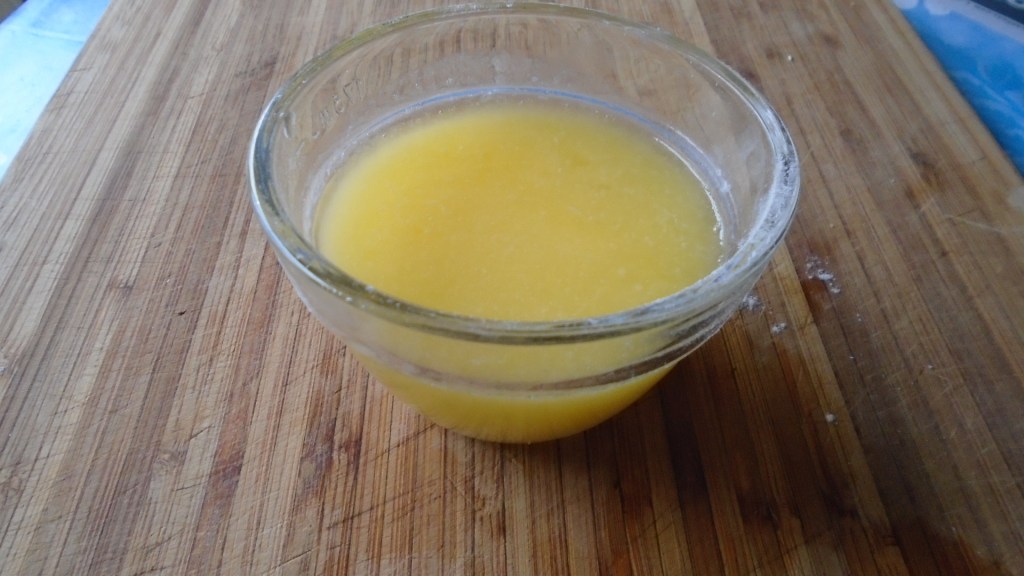
1/2 cup butter, melted
¼ tsp salt
Directions:
Set oven to 350°
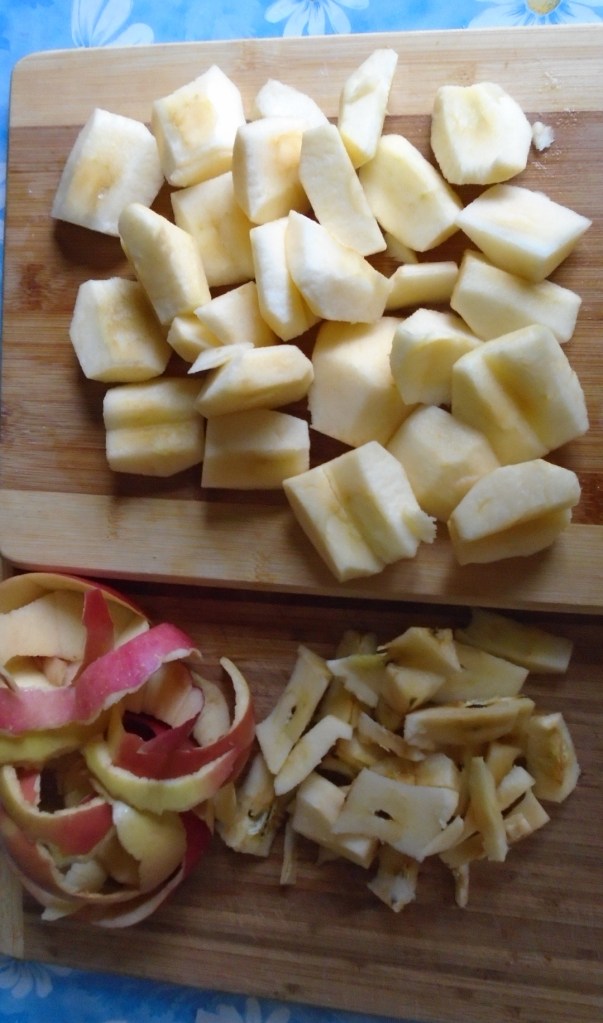
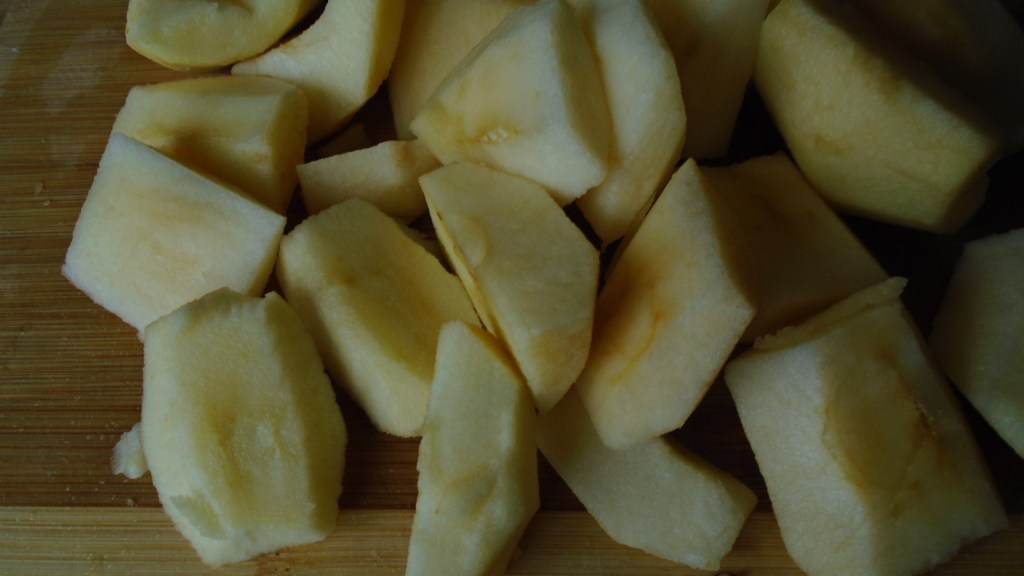
Peel apples and cut into ½” pieces.
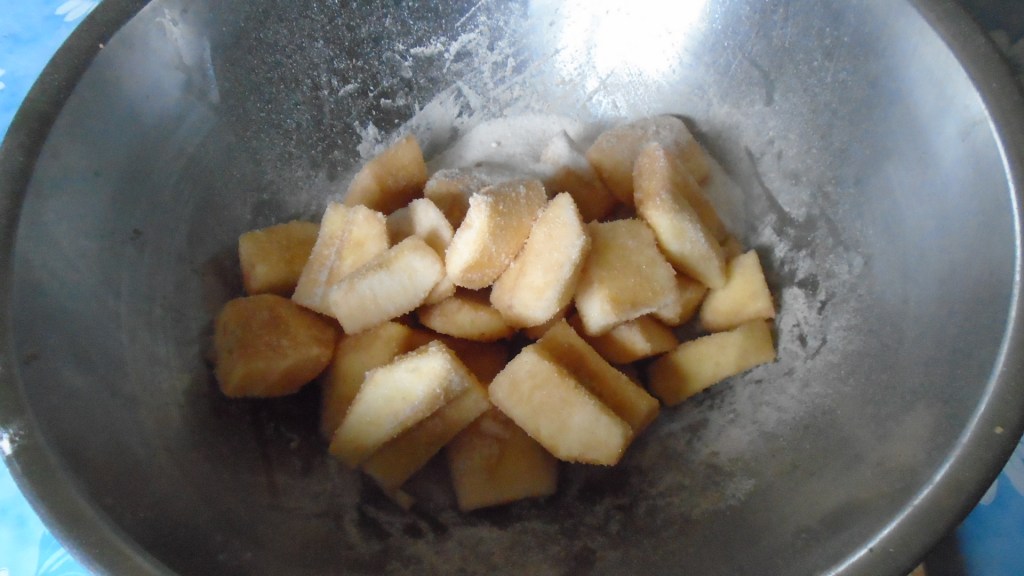
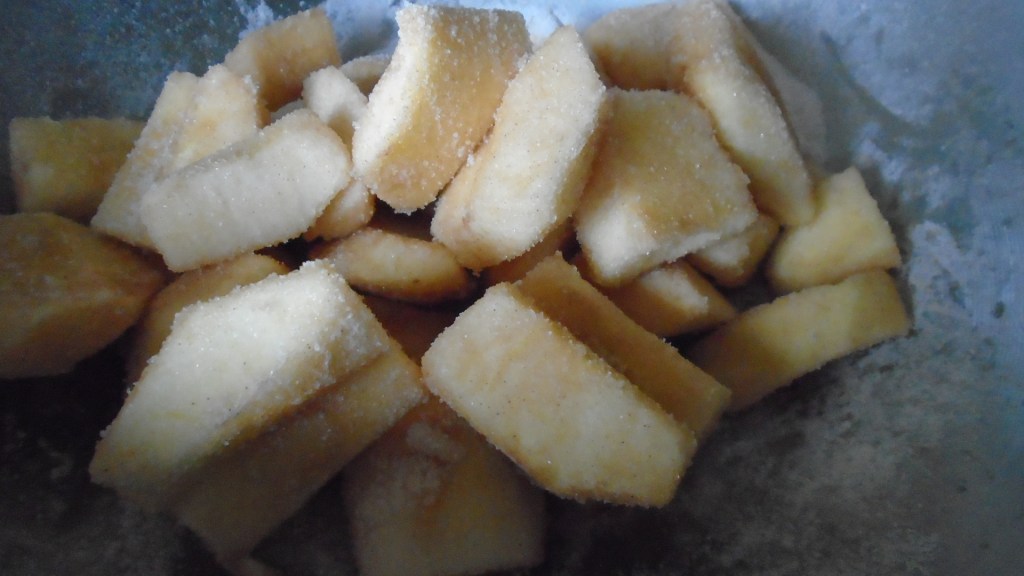
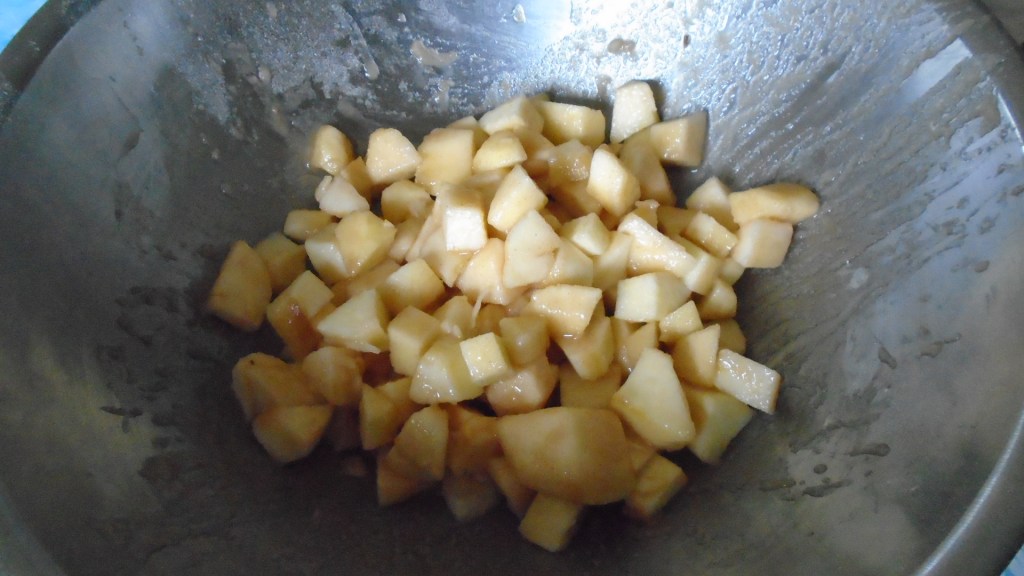
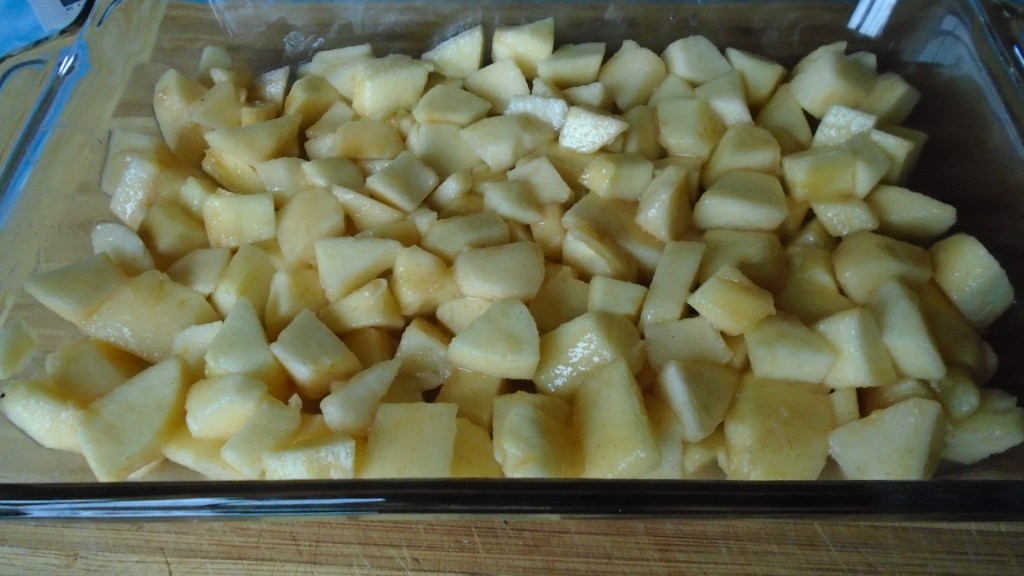
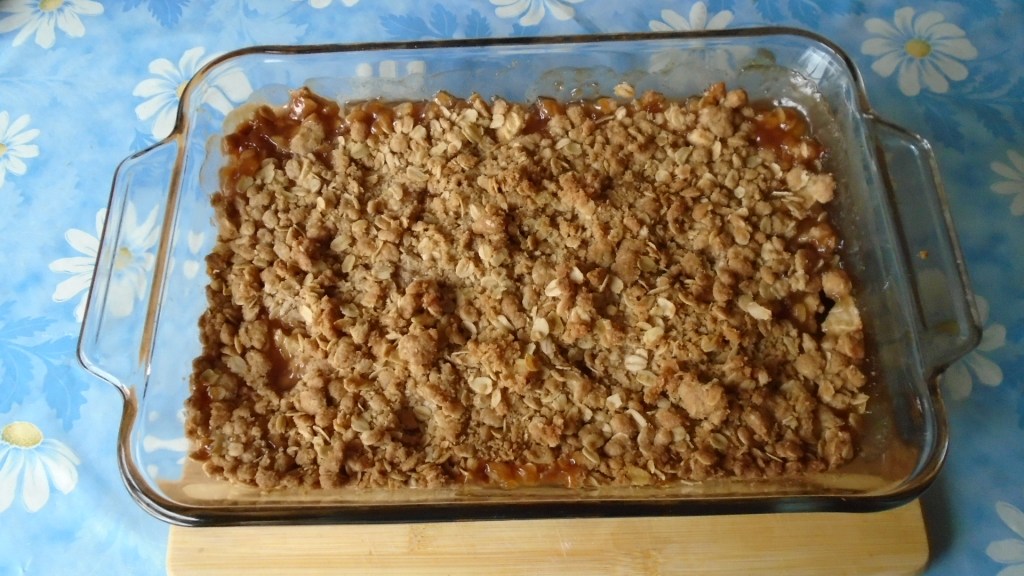
Place apple pieces in a bowl. Sprinkle with the flour, sugar and cinnamon. Mix briefly with a spatula. Add the lemon juice and toss. Spread the apple mixture across the bottom of a 2 quart baking dish.
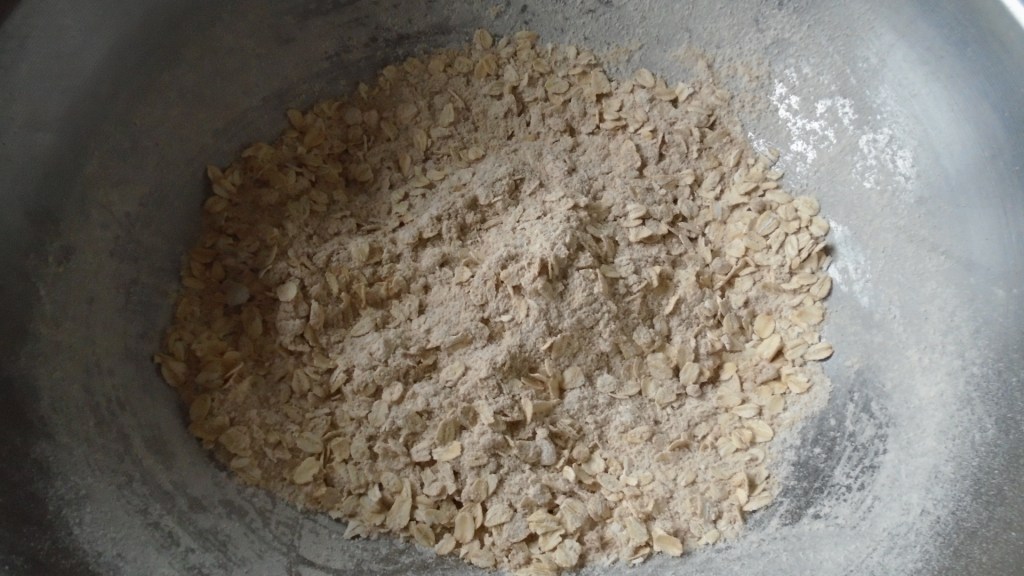
Add all of the topping ingredients, except the melted butter, to a bowl. Mix with a spatula.
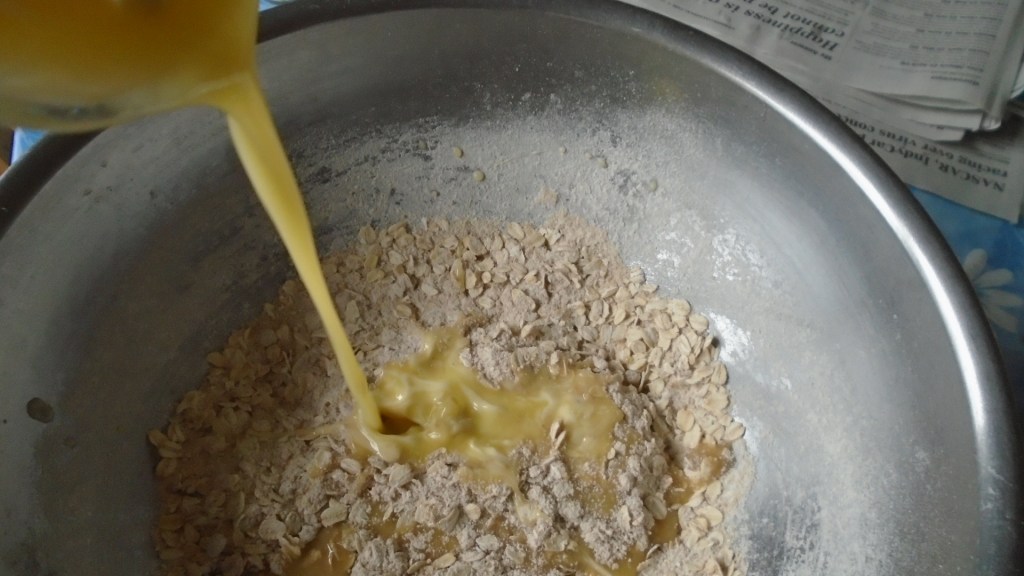
Add the melted butter and mix until all of the dry ingredients have absorbed the butter. Spread the mixture over the apples.
Bake for 30 to 40 minutes or until golden brown. Remove and let stand for 10 minutes before serving. This allows the apple filling to congeal.
Serve warm with vanilla ice cream or a glass of cold milk.
Apple Peel Chips
Ingredients:
Apple peels from 7 or 8 apples
1 tsp lemon juice
2 Tbs sugar
1 tsp cinnamon
½ tsp cardamom
Directions:
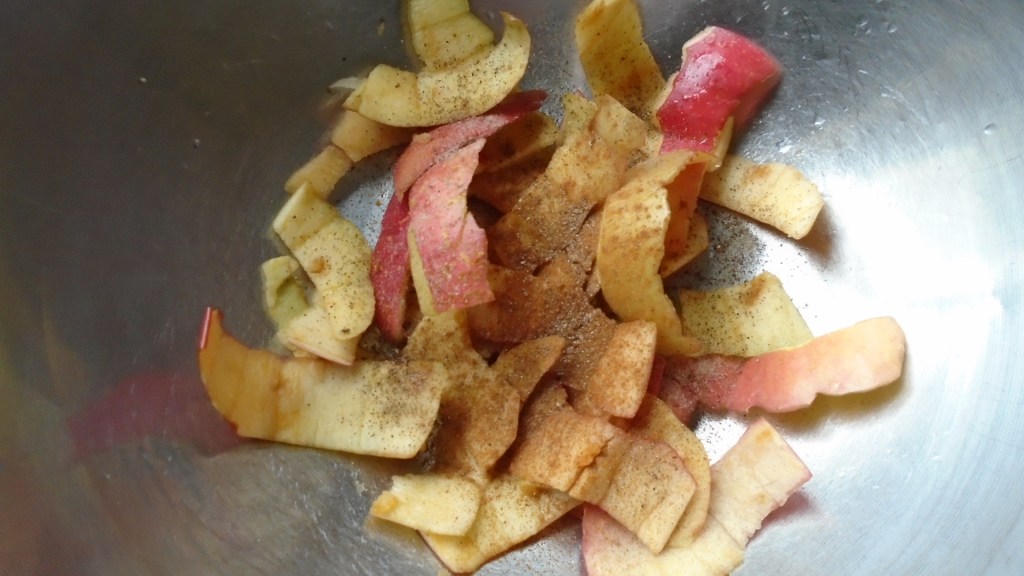
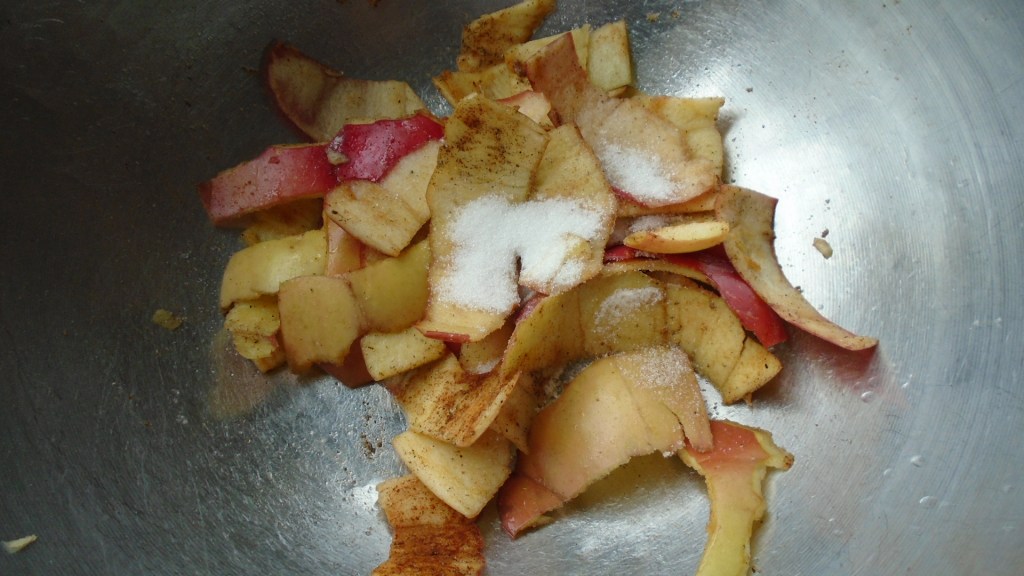
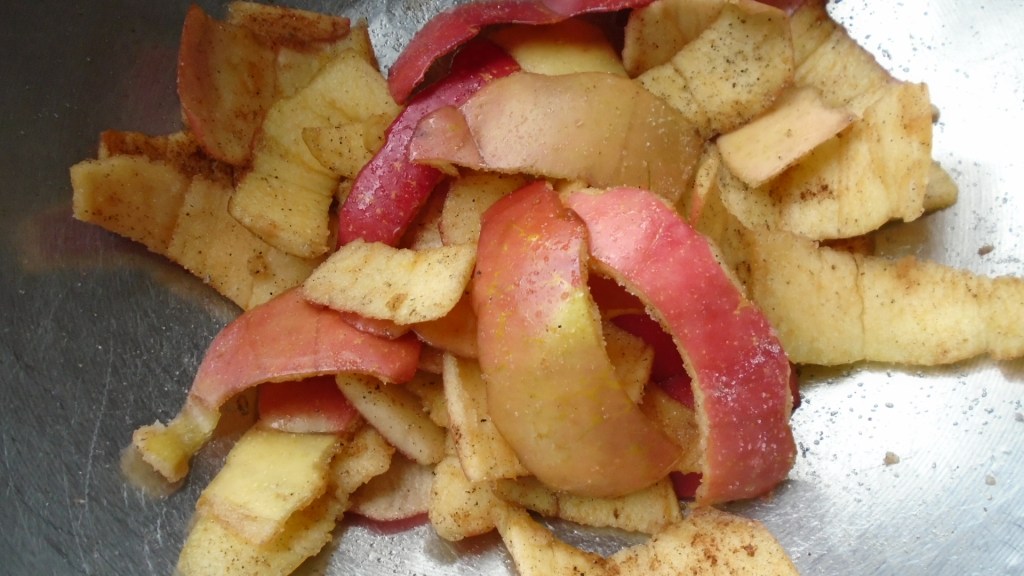
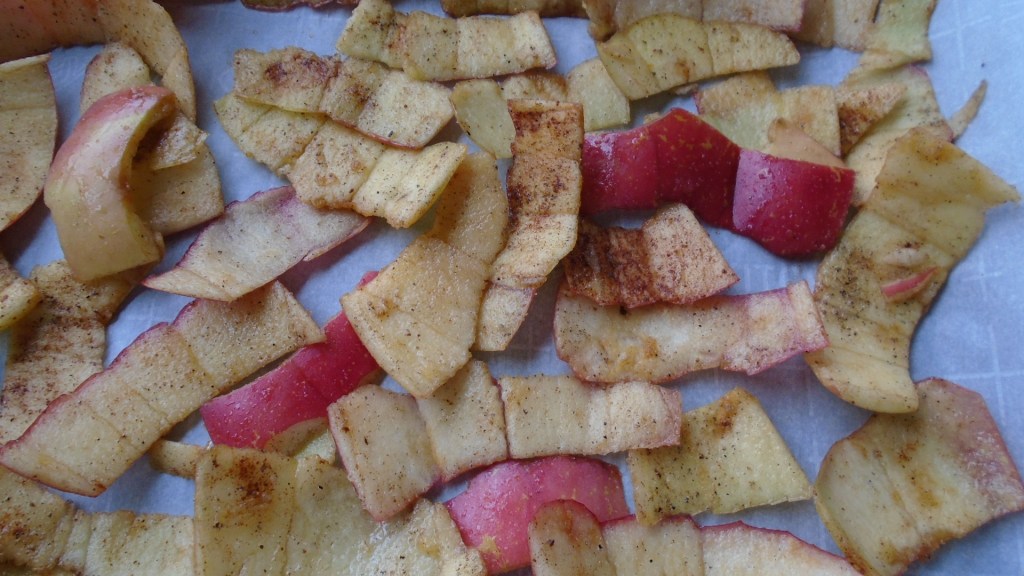
Add all ingredients to a mixing bowl. Toss to coat the apple peels.
Spread the apple peels on a parchment paper lined baking tray.
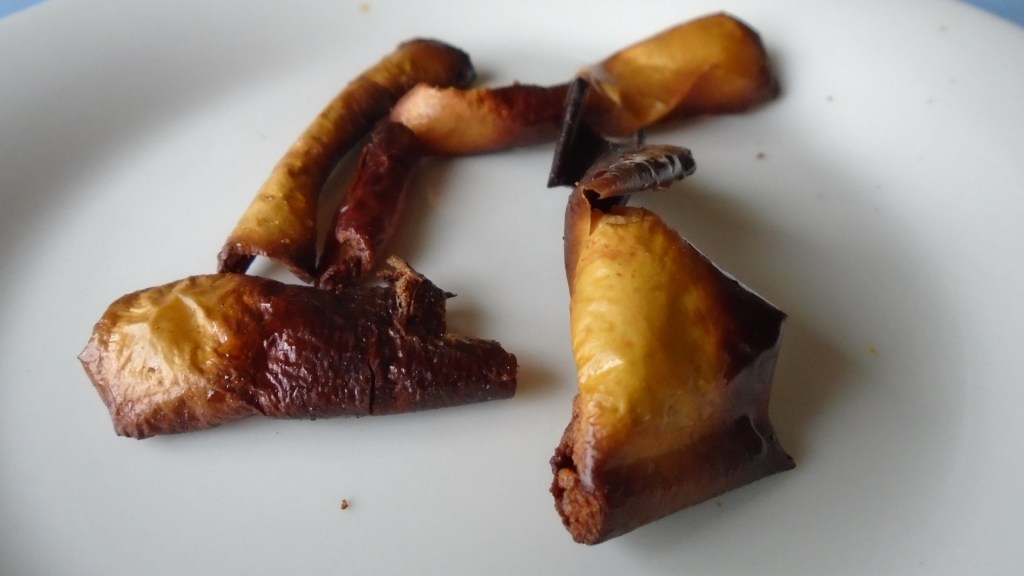
Bake at 300° for about 15 minutes. Turn the peels over and continue backing for another 15 minutes. Remove from oven and allow the peels to cool.
Apple Syrup
The syrup produced by this recipe is very close to the color, consistency and flavor of honey. I will definitely use it as a substitution for honey in some future recipes.
Ingredients:
Apple cores from 7 to 8 apples
½ lemon, juice and peel
1 small star anise (or 1/8 tsp anise seed)
White sugar (amount needed is described in the directions)
Directions:
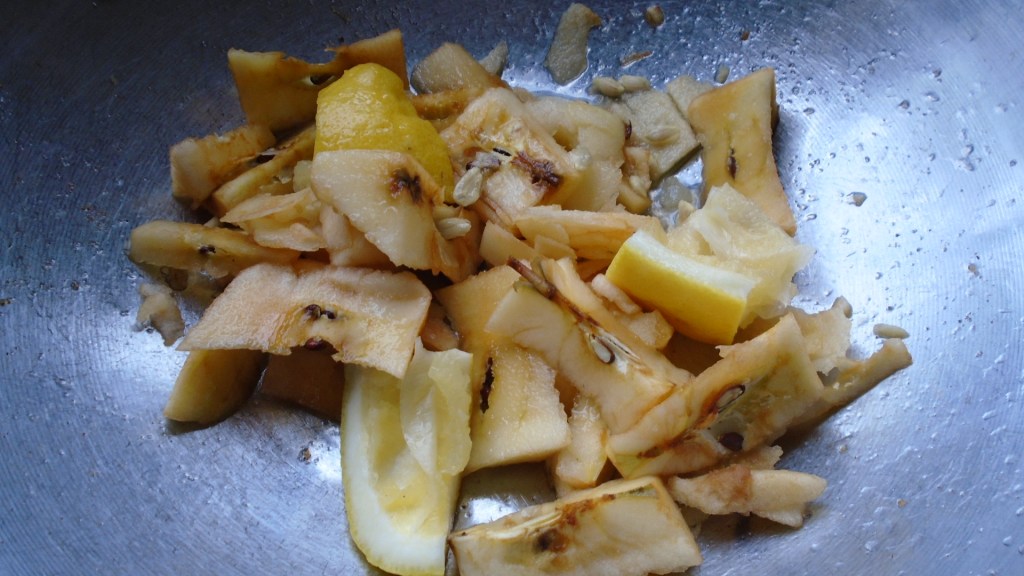
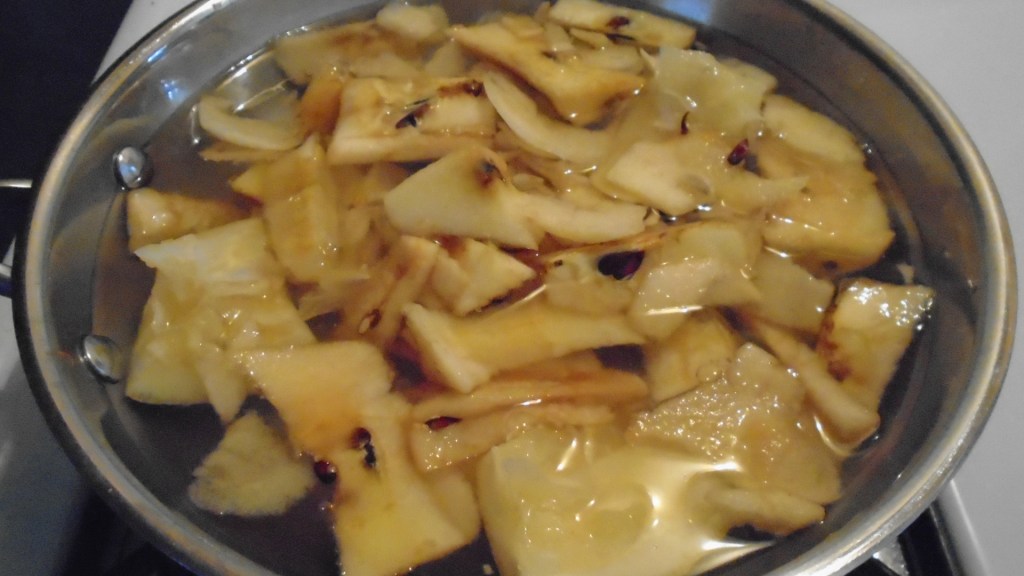
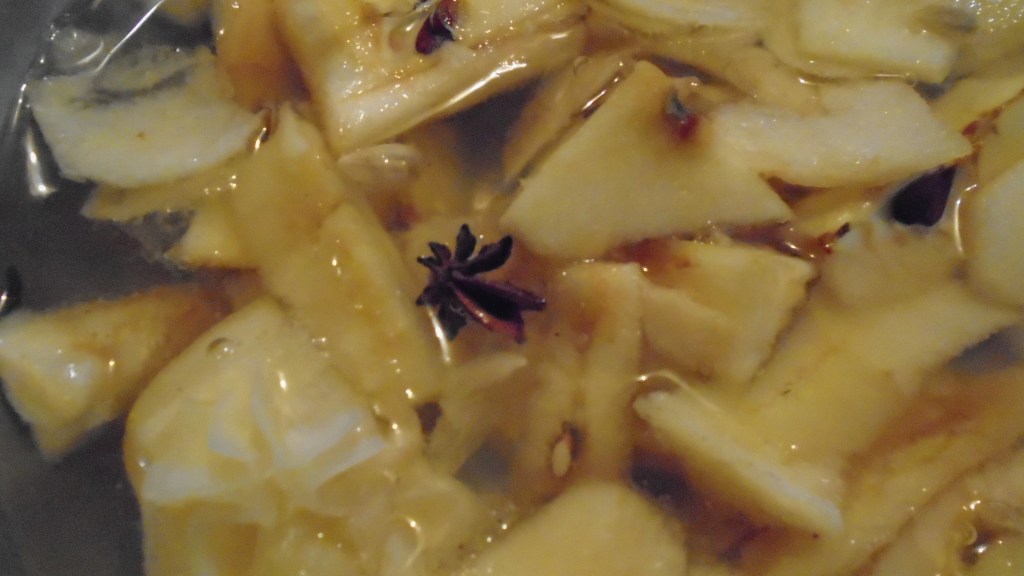
Add apple cores, lemon juice and lemon peel to a small saucepan. Cover with water and simmer at low heat for 1 hour.
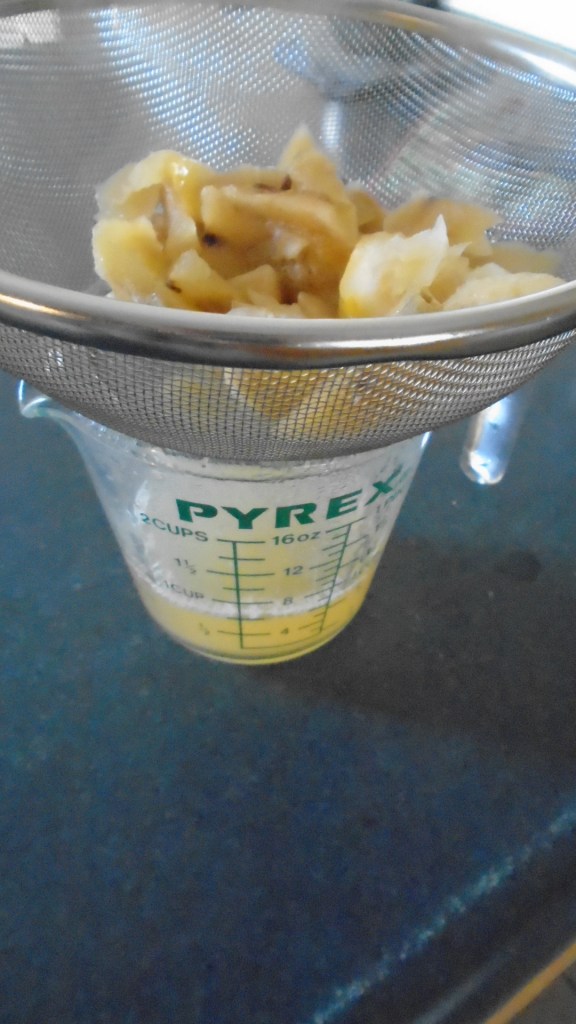
Strain the solids and reserve the liquid. Return the liquid to the saucepan and turn heat to medium. Reduce by one half.
3/4 cup liquid – add 1 1/2 cups sugar
Carefully pour the hot liquid into a heat resistant measuring cup. Take note of how much liquid you have. You will be adding twice that amount of sugar to the pan. Return the liquid to the saucepan and add then add the sugar. I wound up with 3/4 cups of liquid so I added 1 1/2 cups of sugar.
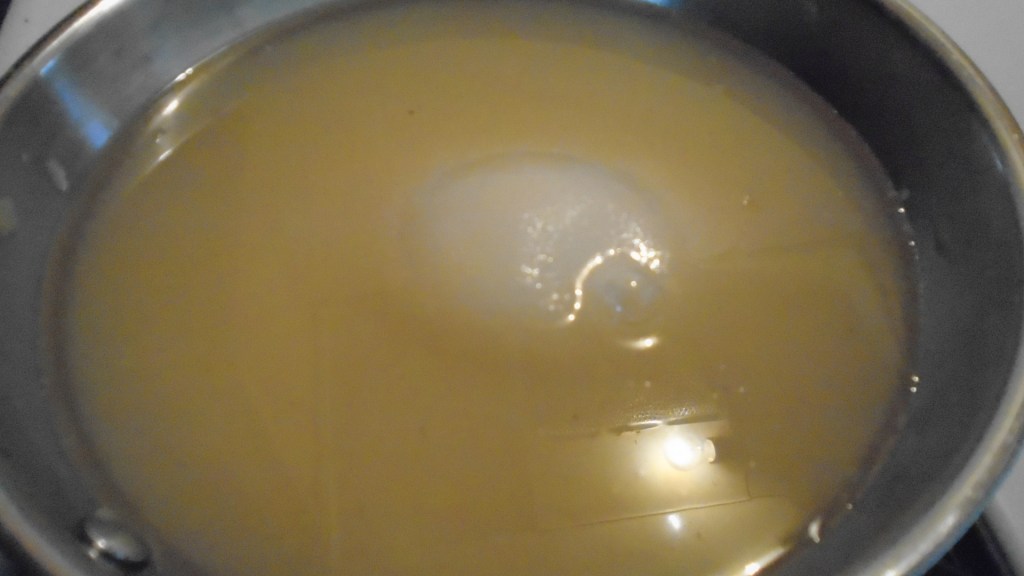
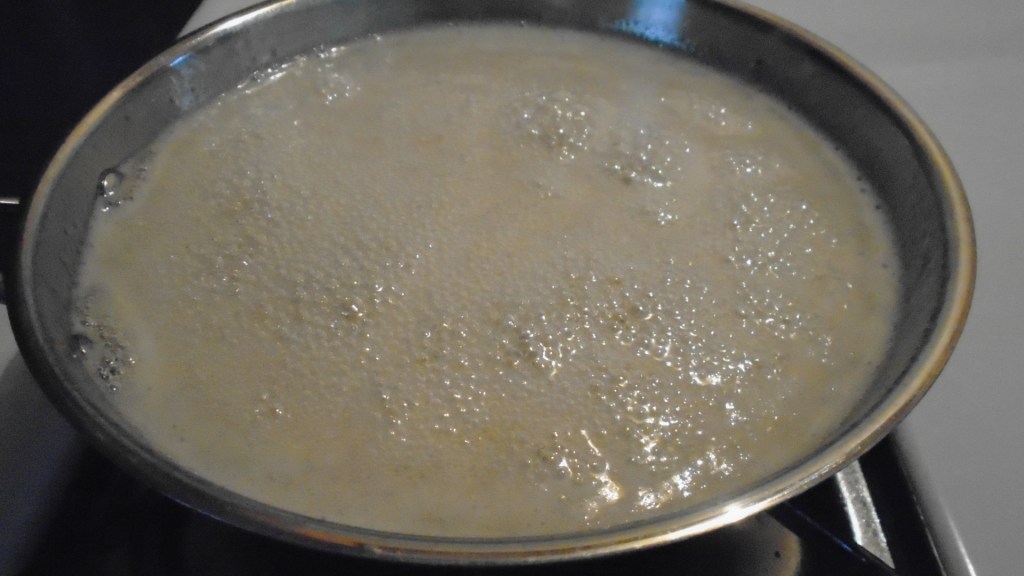
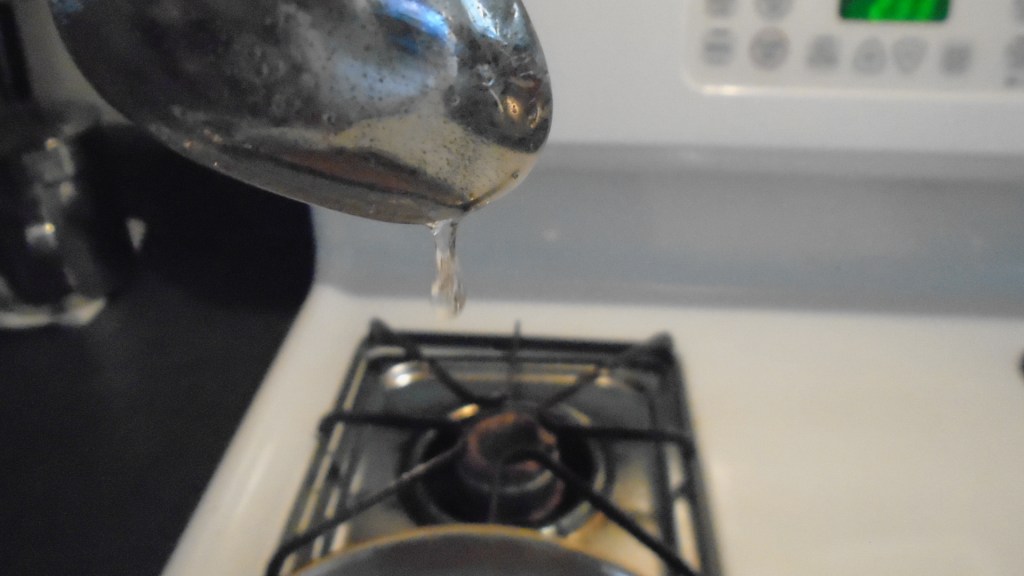
Simmer for about 5 minutes at medium heat while whisking. When the liquid begins to bubble and froth forms, turn the heat off and remove from the pan from the heat. Test the syrup with a spoon. If the syrup clings to the back of the spoon, the syrup is done. If the syrup seems too runny, return it to the heat for another minute or two. Be careful not to overheat, unless you want to make hard candy!
Remove syrup and allow to completely cool before placing it in a storage container. The syrup will continue to thicken as it cools. The syrup should last for a few weeks in a refrigerator.
Hooray! The crawfish are here, the crawfish are here!
Every year, around this time, crawfish and shrimp vendors start popping up at local gas station parking lots. They set up shop on the weekends, with pick up trucks and trailers for about 6 weeks and then they vanish, as quickly and as quietly as they arrived, returning to the bayous. But, while they are here, I have access to the biggest, freshest and most succulent gulf shrimp and wonderful, spicy, hot Cajun crawfish .
Most of these vendors only take cash. I rarely carry cash but, when these guys roll into town I don’t mind making a trip to the nearest ATM and withdrawing money from my bank account. I drive back to the seafood guys waving cash in my hand. Yes, it’s really that good.
I remember a time, just a few years ago, when I saw the crawfish guys boiling their shrimp and cawfish and I panicked, realizing that I was nearing the end of their short season. It was Saturday, around 5:00 pm. I drove the 3 miles to the bank teller machine and withdrew some cash. By the time I returned, they had already packed up and were gone. Gone! Gone for good, at least until the next year.
Never again. Lesson learned. I will not let the moment escape me. Even if all I get is a tiny sample of some briny shrimp or a few scrawny crawfish, I won’t pass up the opportunity to savor some of the finest food this world has to offer.
I am not a creole chef and I wasn’t raised on the bayou. I’m not Cajun…I’m Texan true and true, but I am forever mesmerized and enamored by the lure of fresh gulf seafood and funky, backwater fare.
Something good happens when the shrimp are set to boil. The world is a happier place when hot, red crawfish are pulled from the pot. Mystery and wonder fills the air. Friends are made instantly. Smiles become contagious. Romance is at hand. No struggles, no strife.
I’m on a Tex-Mex kick again…who would have guessed!
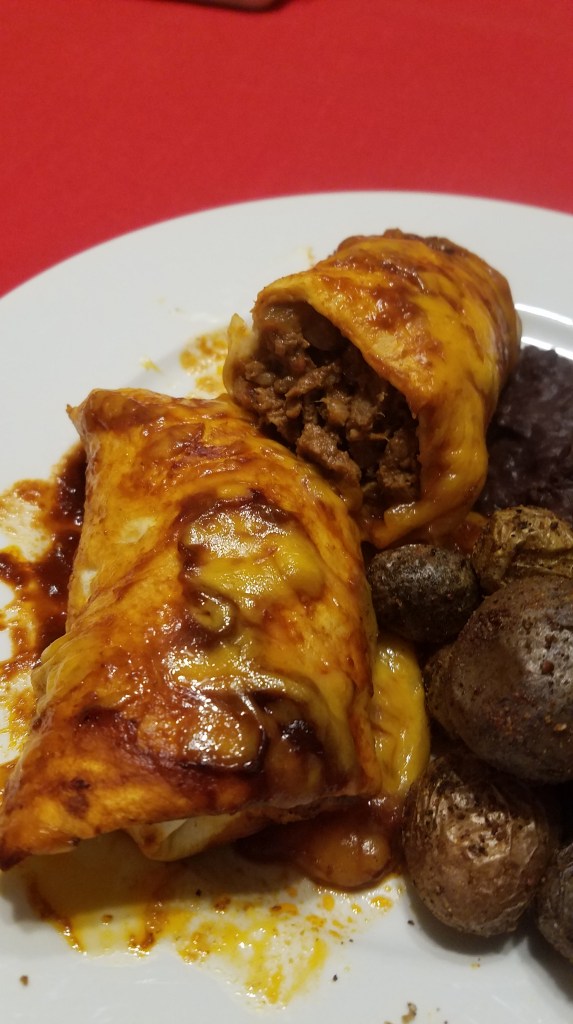
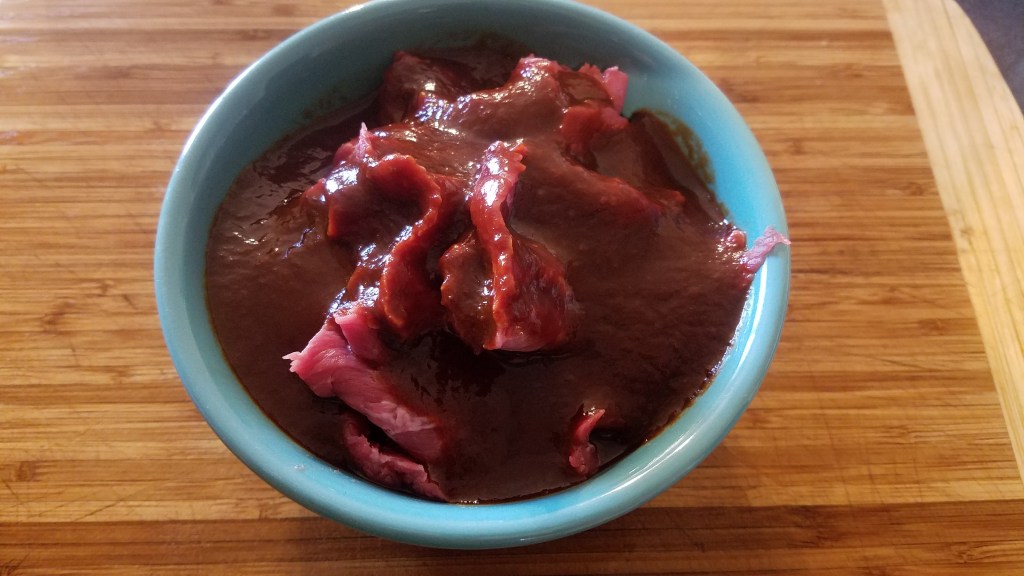
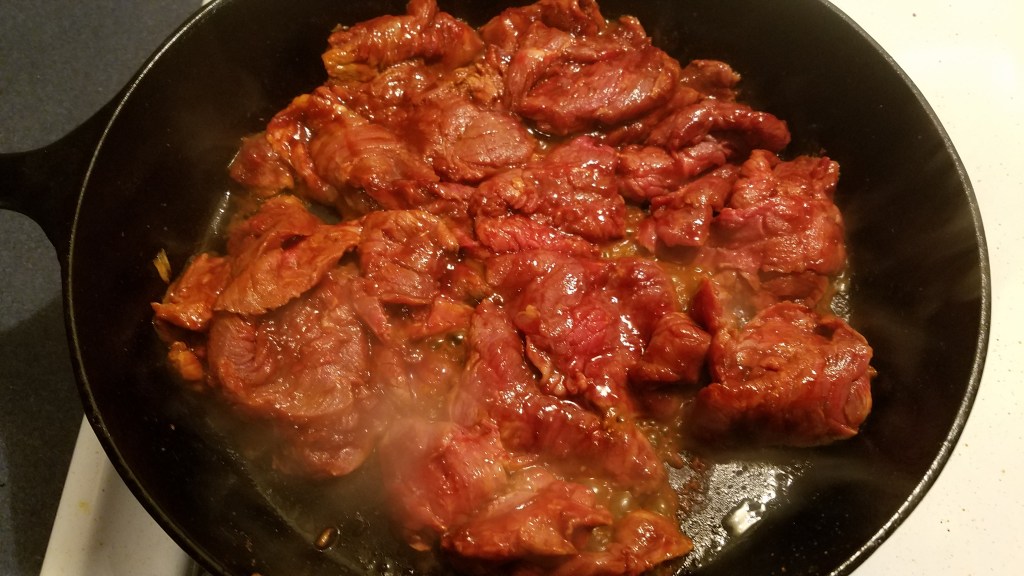
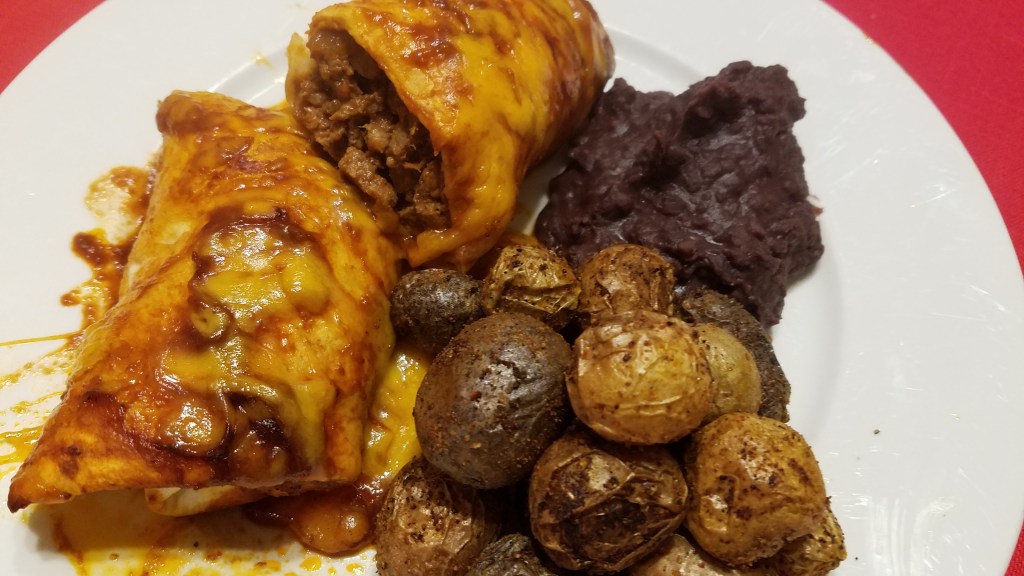
Technically, this wasn’t carne asada because I didn’t grill the meat. I seared the meat in a cast iron skillet at high heat, which is close enough for me. Secondly, carne asada usually is prepared with a dry rub on the meat. I marinated the beef in guajillo and ancho chile sauce for a few hours. It might be more correct to say that I made bistec en salsa guajillo. “Pero,“Carne asada” suena más emocionante!” Which is to say, Carne asada sounds more exciting!
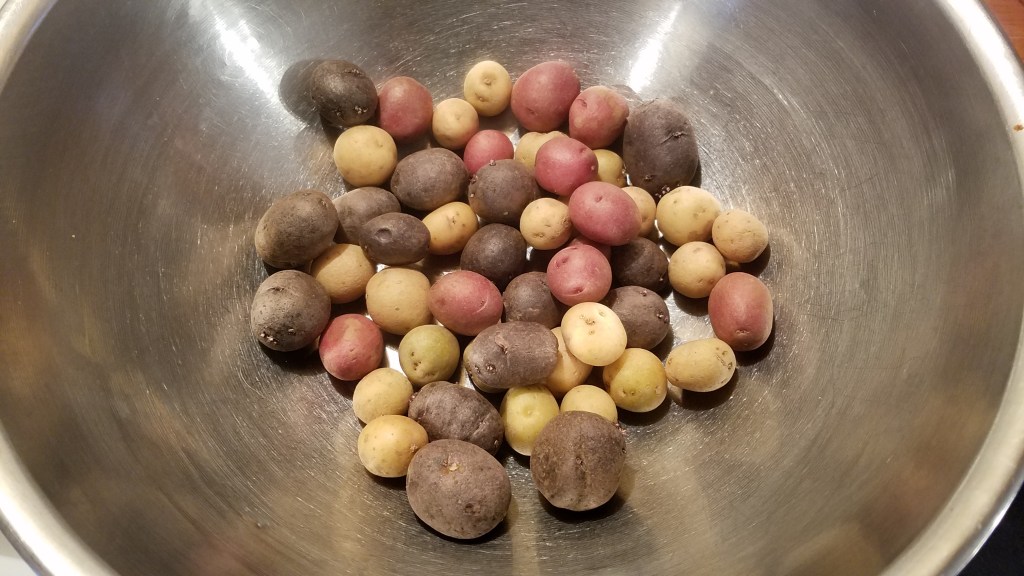
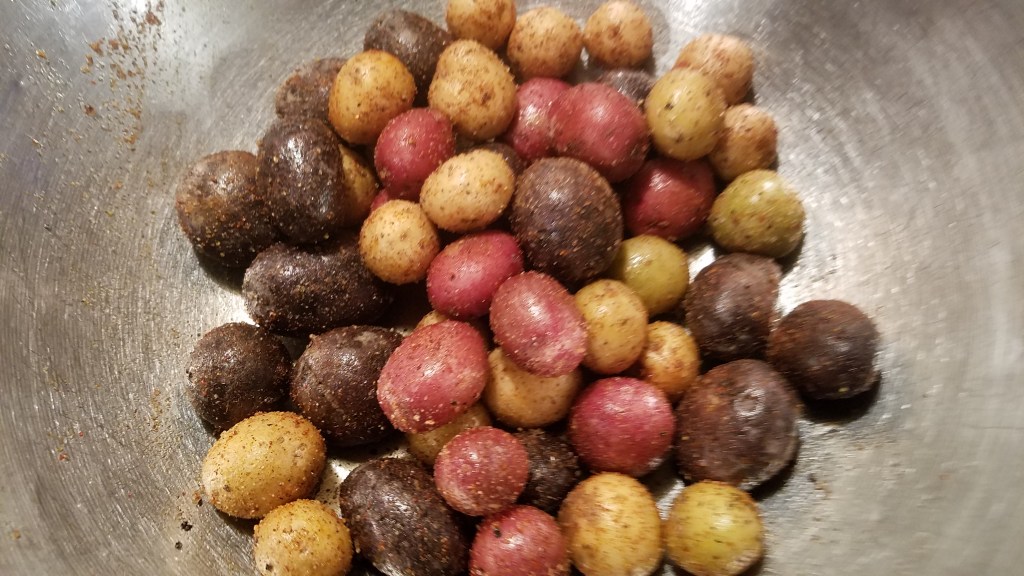
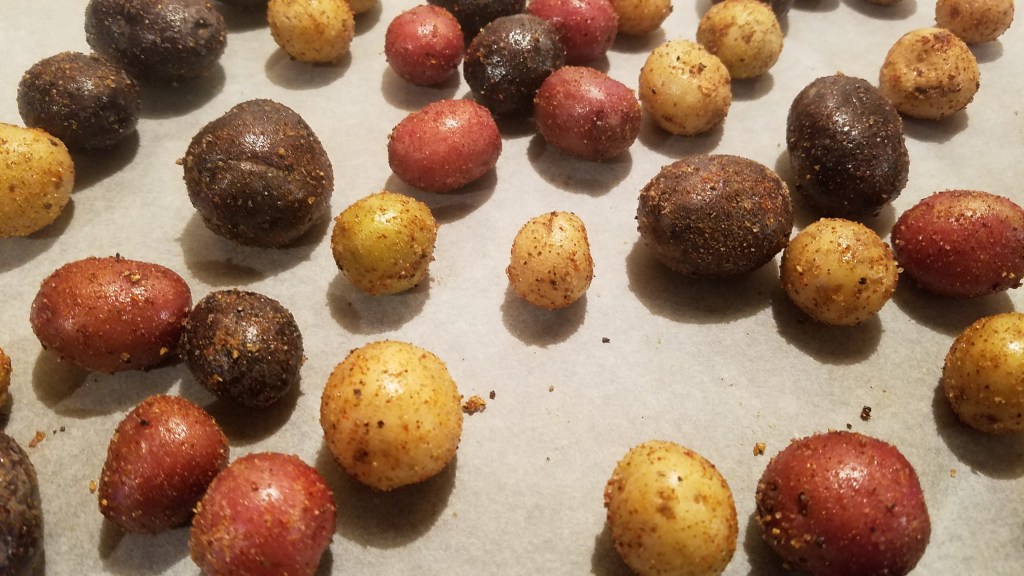
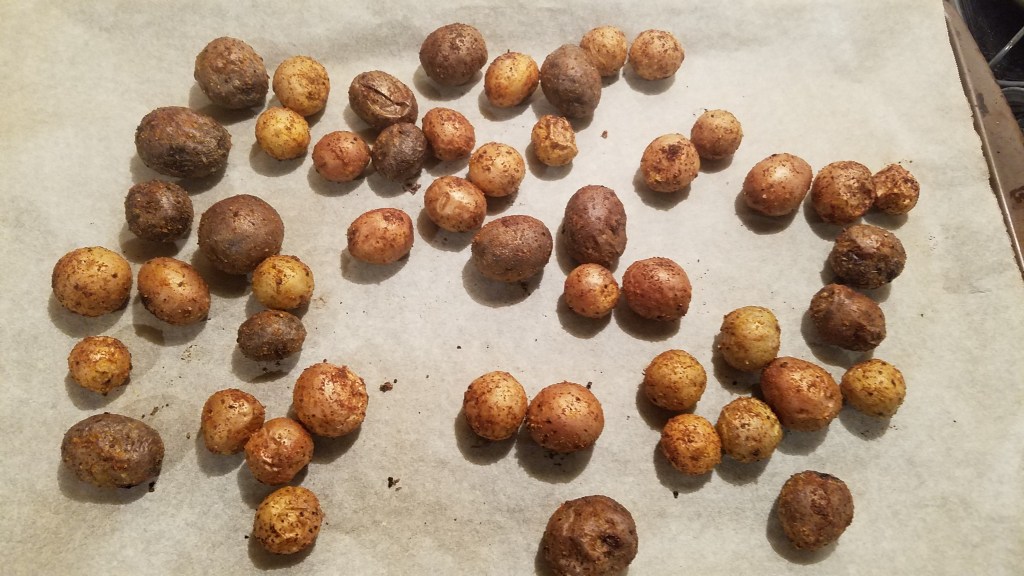
The potatoes used in this recipe came from my favorite grocery store, ALDI. The 24 ounce bag contains a variety of bite sized potatoes, ranging from white, yellow, red, brown and purple. They bake quickly in the oven and they come out of the oven crispy on the outside and creamy on the inside.
Ingredients for the carne asada:
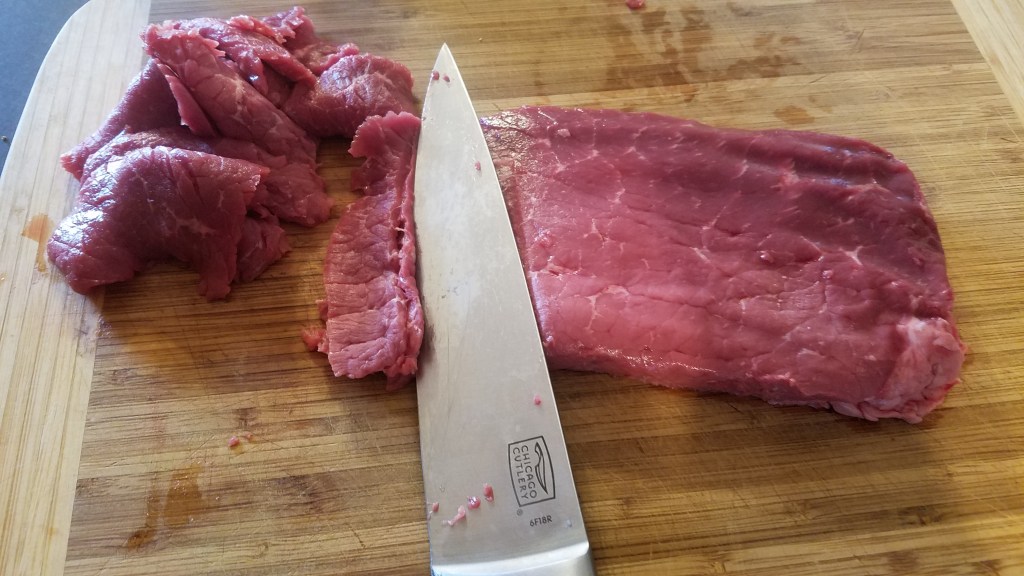
1 ¼ lbs top round beef steak (thinly sliced)
16 oz enchilada sauce (guajillo and ancho chiles this time, but canned is perfectly fine!)
1 Tbs cooking oil
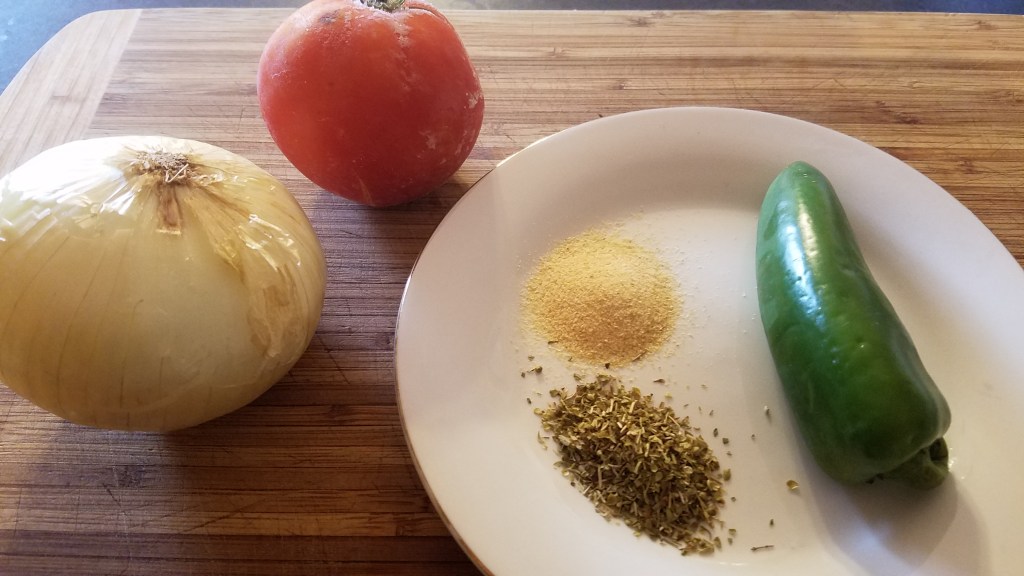
1 yellow onion, diced
1 large jalapeño, seeded and diced
1 tsp garlic powder
1 tsp cumin powder
1 ripe tomato, diced
3 large flour tortillas (burrito sized)
6 oz sharp cheddar cheese, grated
Ingredients for the potatoes:
24 oz bite sized whole potatoes
1 Tbs olive oil
1 tsp garlic powder
1 tsp chile powder
1 tsp paprika
1 tsp cumin
1 tsp salt
1 tsp black pepper
Directions:
Slice the raw steak, thinly.
Marinate the steak in the chile guajillo sauce for 30 minutes, or longer.
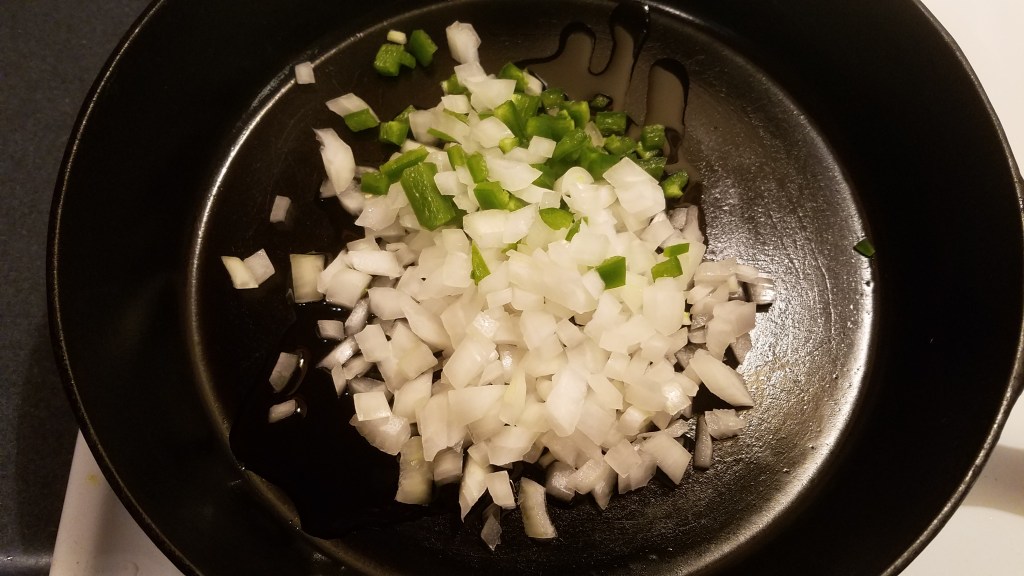
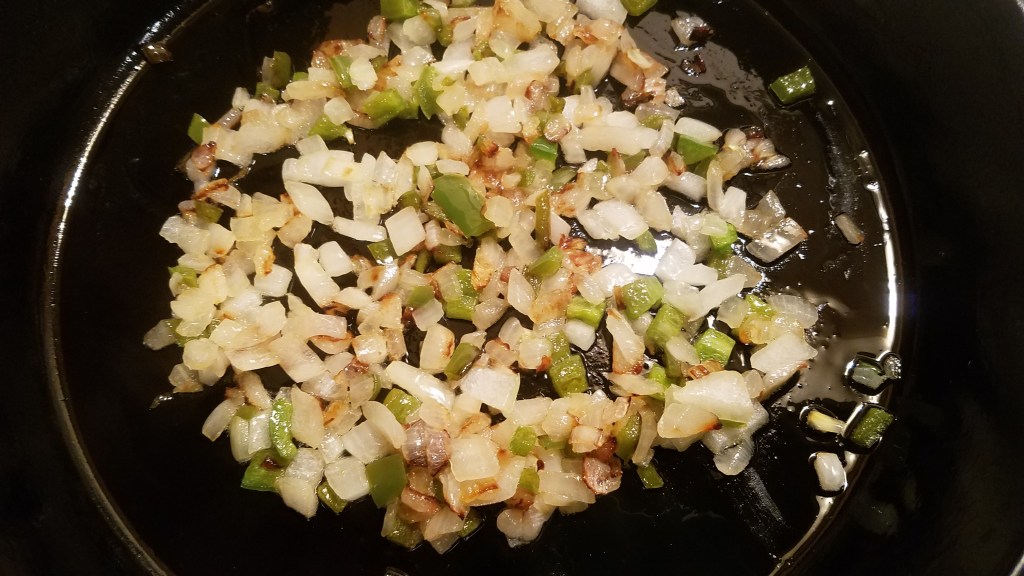
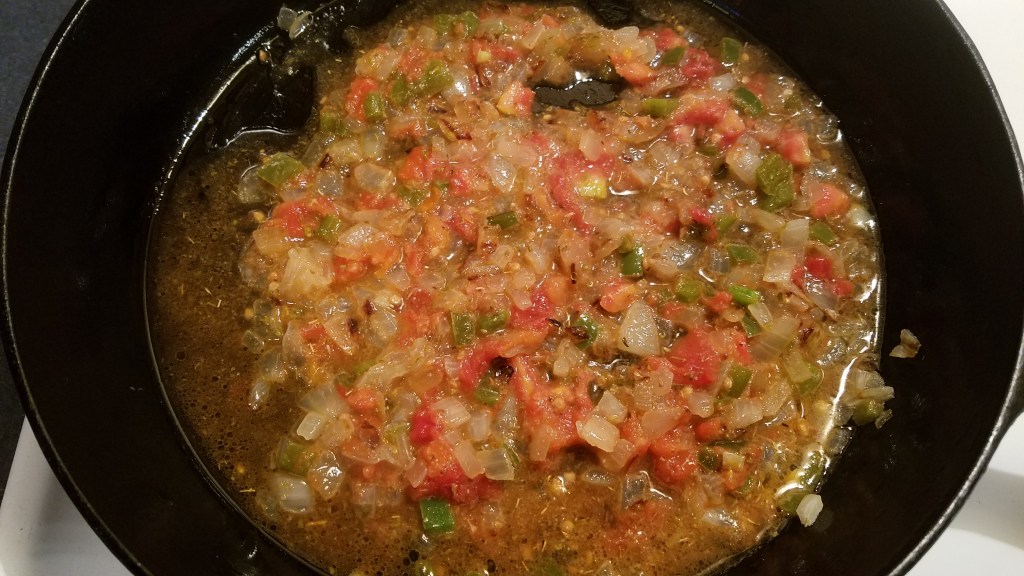
In a large skillet at medium/low heat, add the onion and jalapeño until the onions begin to turn translucent.
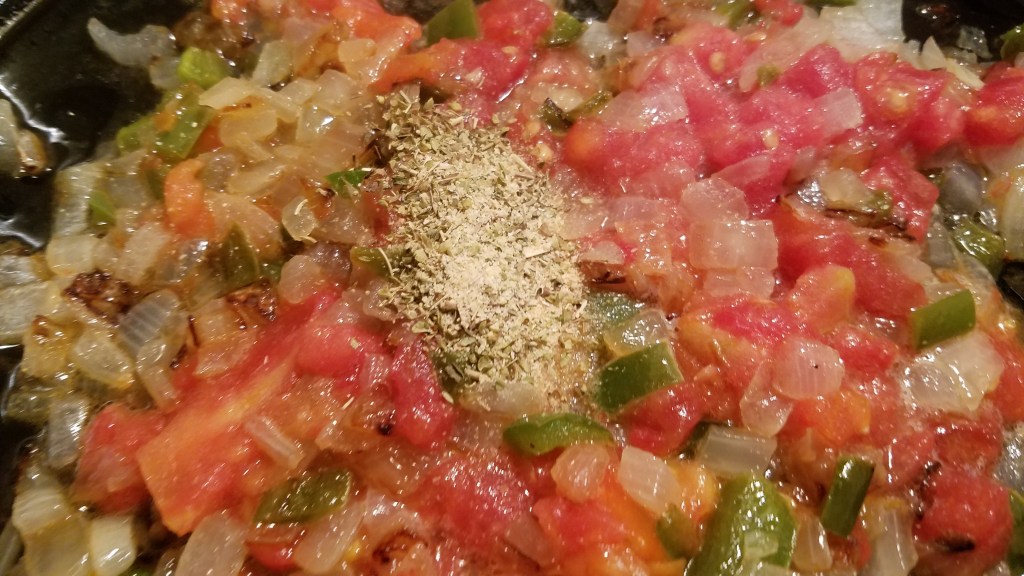
Add the garlic powder, cumin and diced tomato. Simmer at low heat for 20 to 30 minutes.
While the sauce simmers, prepare the potatoes.
Wash, rinse and drain the potatoes.
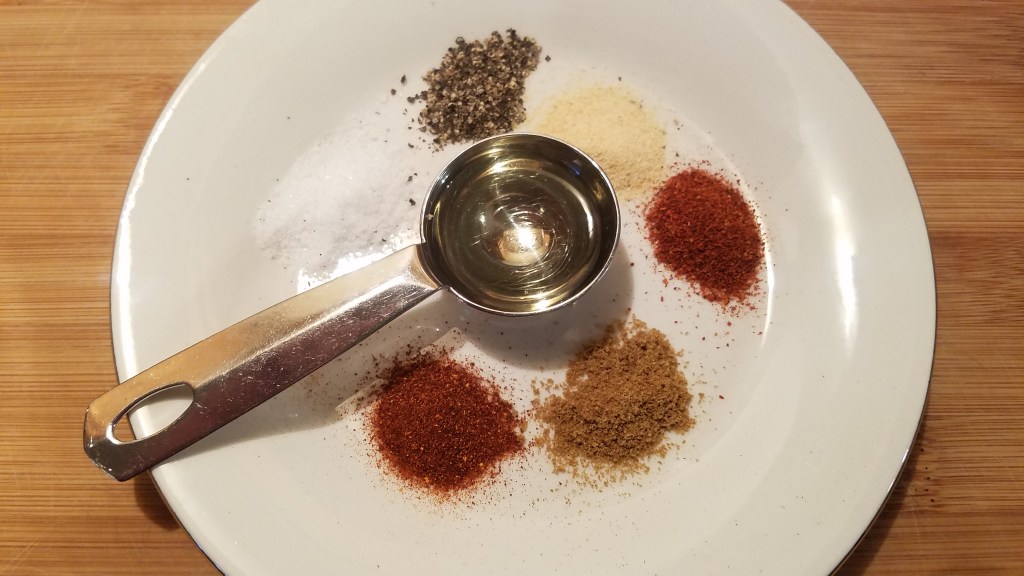
In a large mixing bowl, toss the potatoes with olive oil, garlic powder, chile powder, paprika, cumin, salt and black pepper.
Scatter the potatoes across a parchment paper lined baking tray and bake at 350° for 45 minutes, or until the potatoes can be cut easily with a knife. Keep warm until serving.
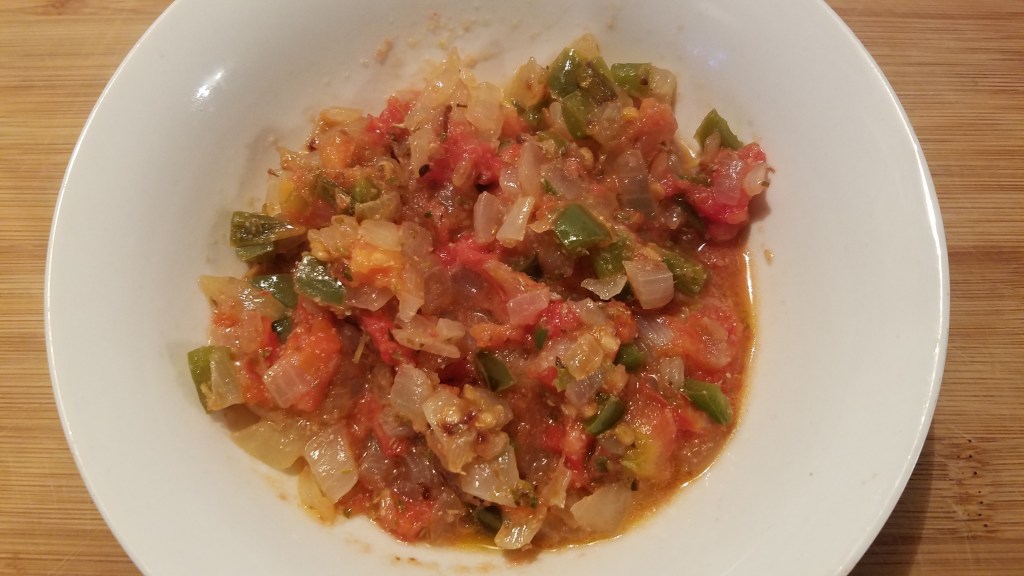
Remove the cooked sauce to a bowl.
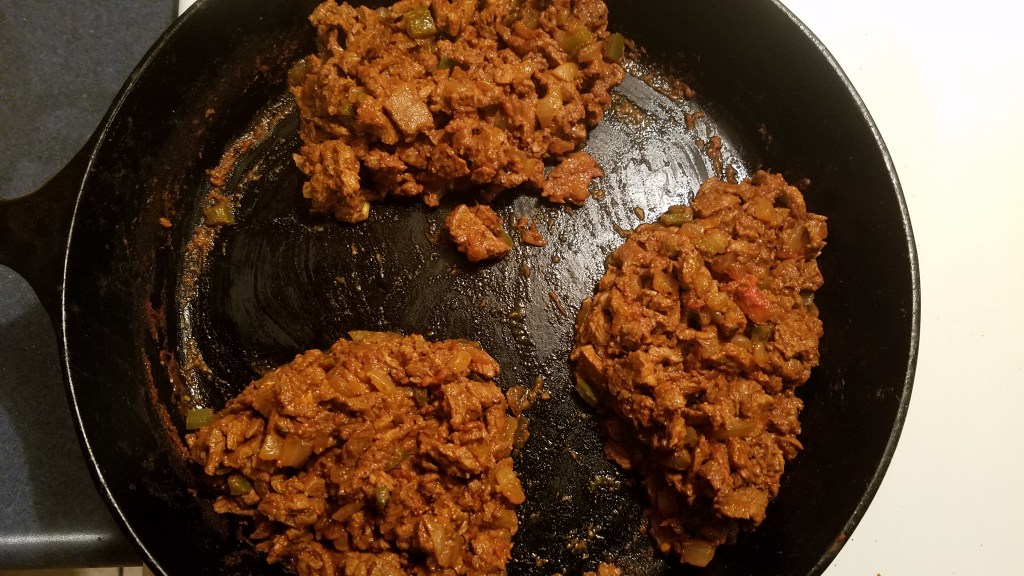
Add the marinated beef to the skillet and sauté at very high heat for 2 minutes. Reserve the marinade.
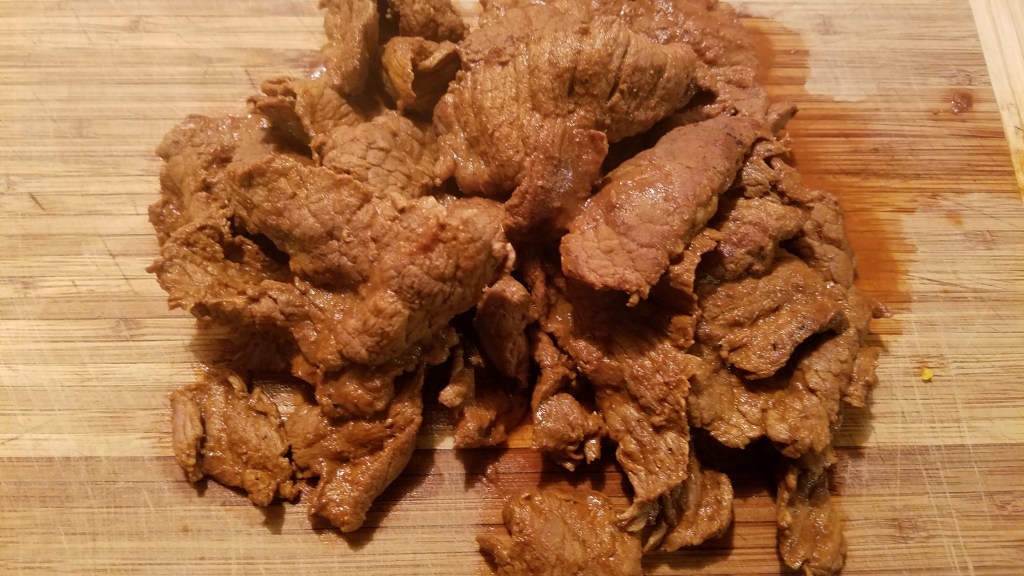
Remove the beef and keep warm.
Reduce the beef juices by stirring at high heat for a few minutes.
Add the sauce back to the skillet, with the reduced beef juices. Simmer on low heat for about 5 minutes.
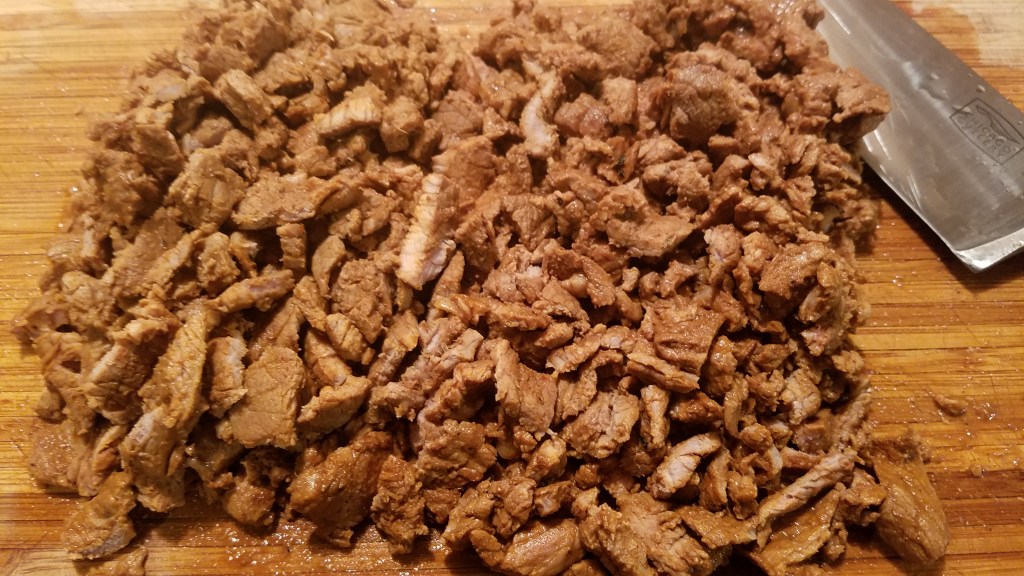
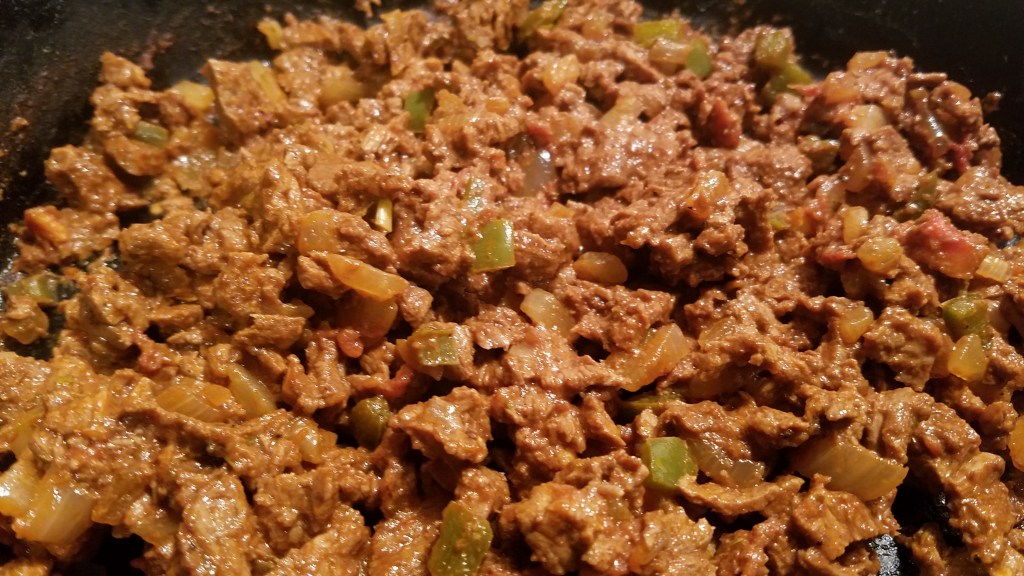
Chop the beef and return the beef to the skillet.
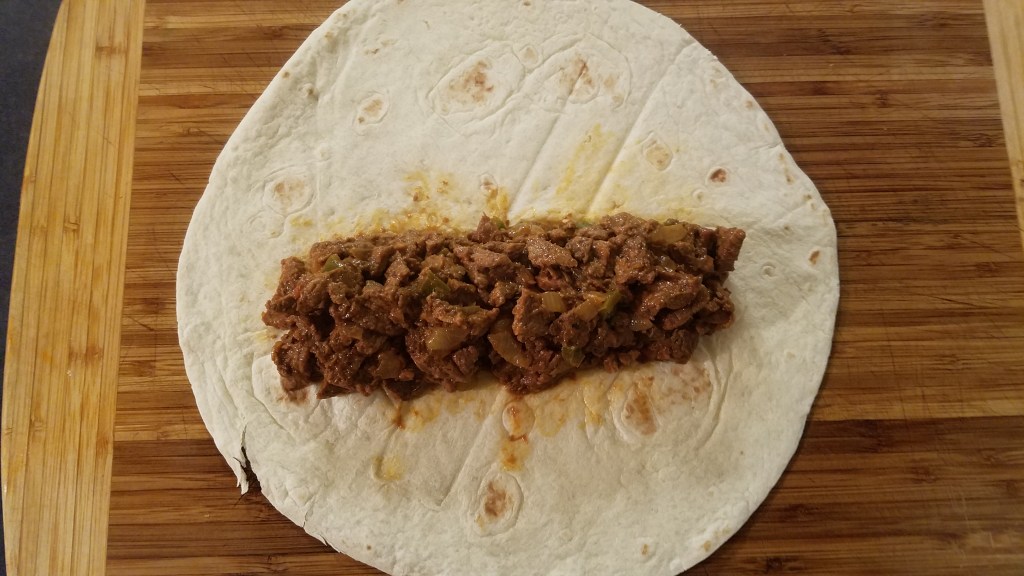
Divide the beef in the skillet evenly, according to the number of burritos that you are preparing. I am making three burritos.
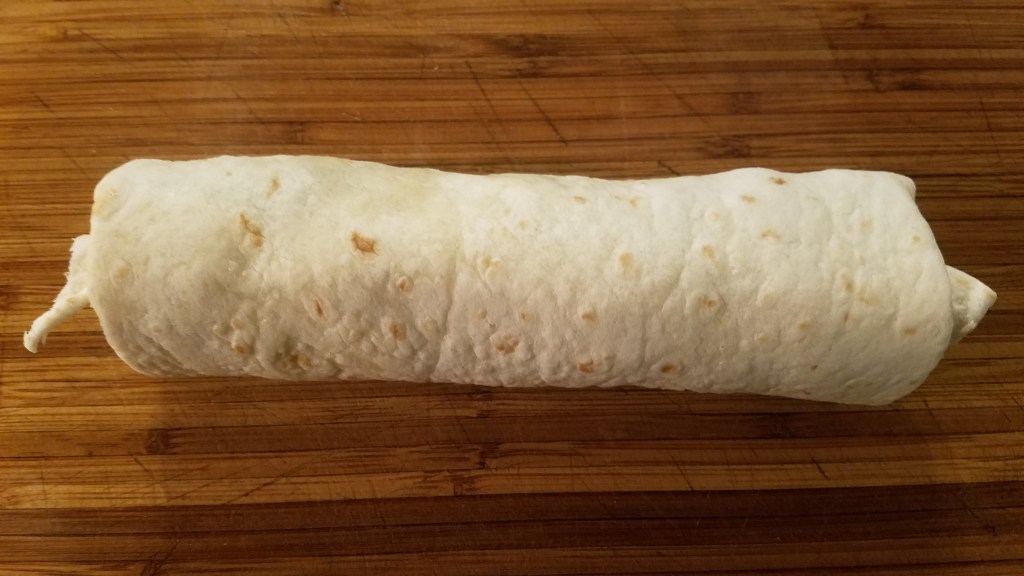
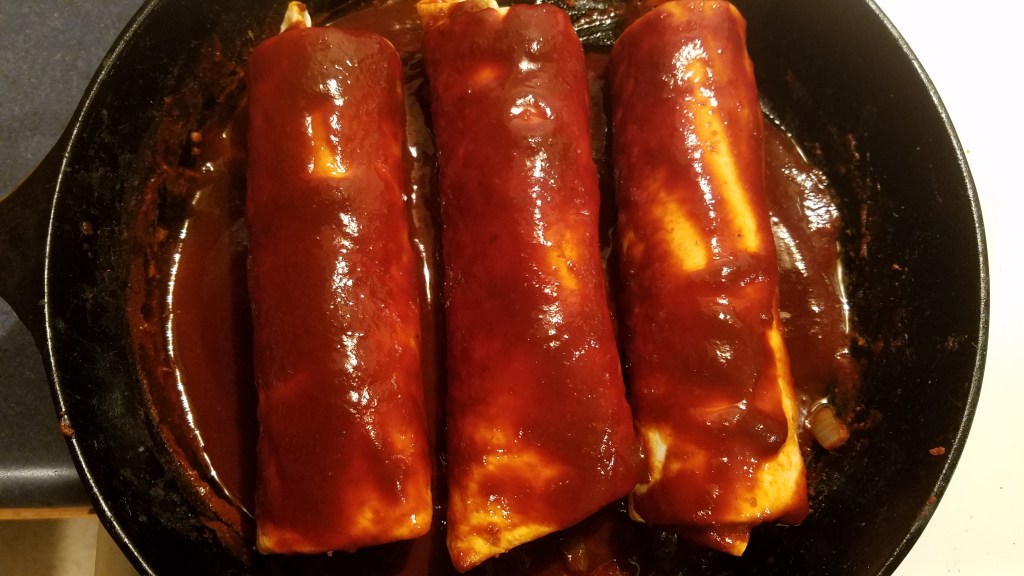
On a clean work surface, assemble the burritos. Add the beef and roll the tortillas.
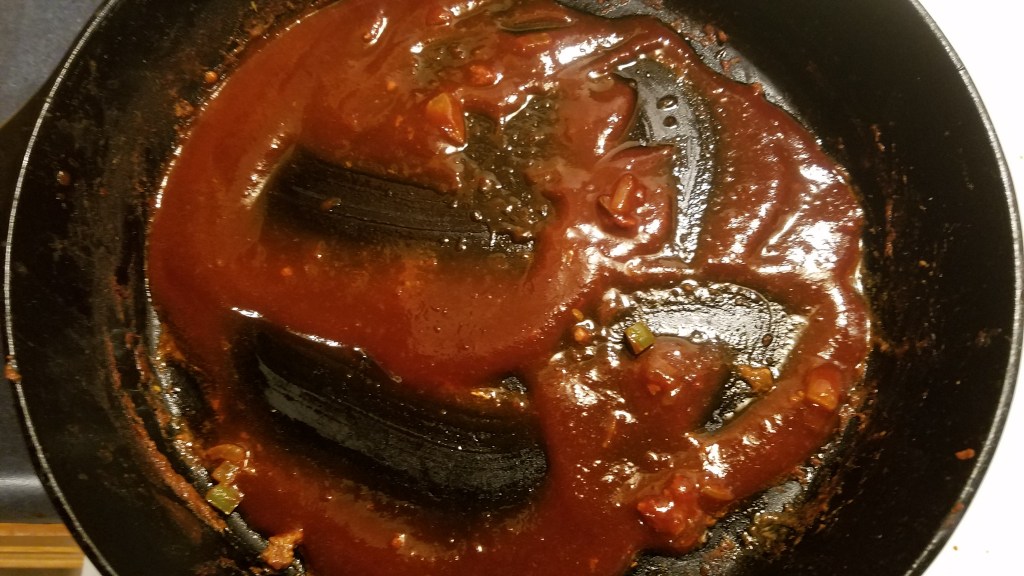
Add the guajillo marinade to the skillet and cook at high heat for a few minutes to thicken the sauce (and to kill any bacteria).
Reduce the heat to low and add the burritos to the skillet. Roll the burritos in the sauce to cover all sides.
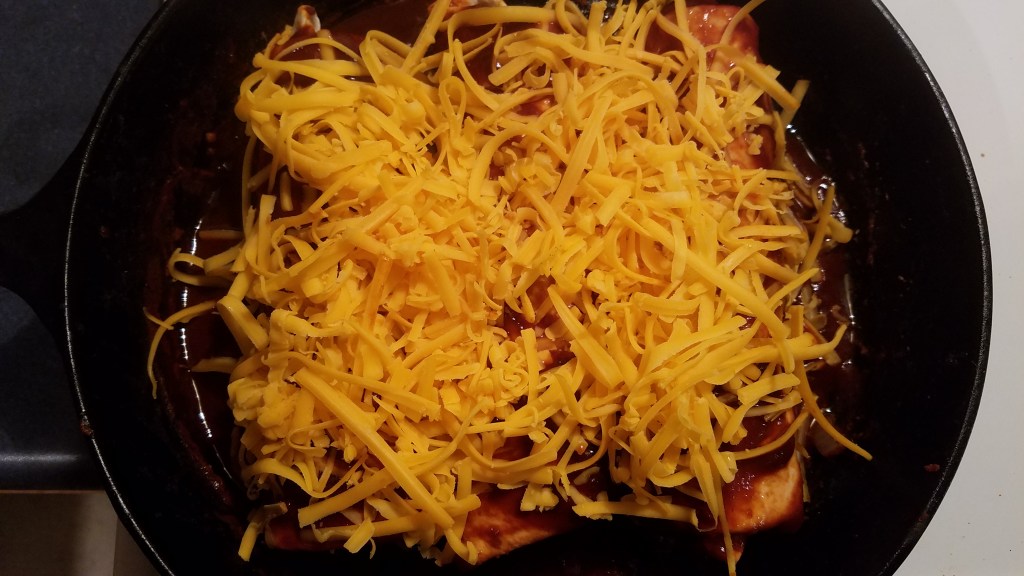
Top with cheese.
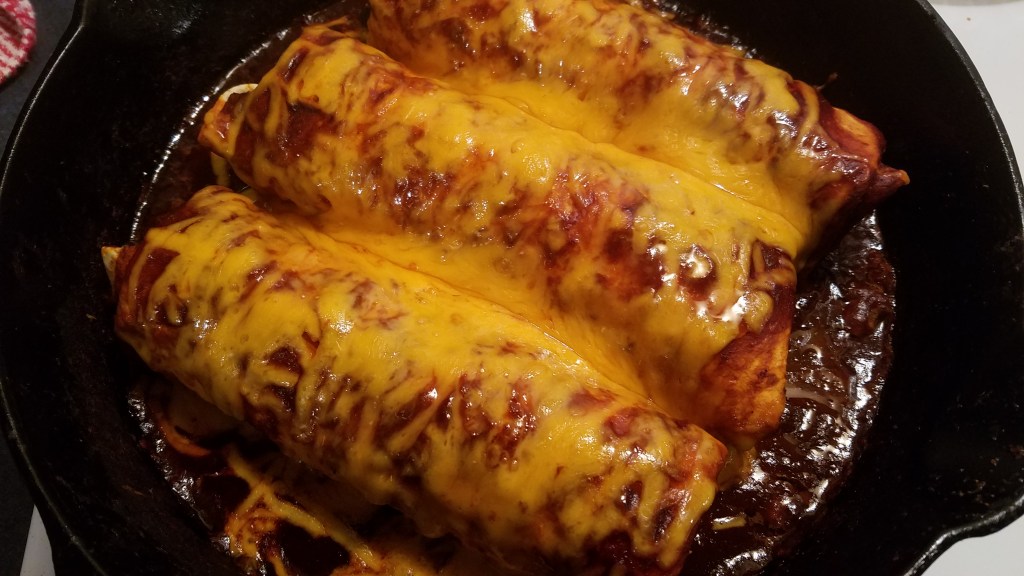
Move the skillet from the stove top to the oven and bake at 350° for about 10 minutes, or until the cheese melts. Remove the burritos from the oven and keep warm.
Remove the potatoes from the oven and turn out to a serving dish.
Between our New Year’s Day celebration and last weekend’s bridal shower party we amassed a lot of inexplicable leftovers. How we wound up with Camembert cheese left over, I’ll never know. That’s fancy French cheese from Normandy, for goodness sake! As I recall, we Americans fought our tails of to liberate that cheese! And the gouda! For pity’s sake everyone ignored the gouda! Other than tulips, legalized prostitution and hash bars gouda is the Netherland’s #1 attraction!
The leftover cauliflower and broccoli is easier to understand. They’re always the last stragglers on a veggie tray. The Kalamata olives went first and then the carrots. By the time the carrots were gone, so was the creamy ranch dressing dip. Poor cauliflower and broccoli always get left behind, like a scrawny kid who gets picked last during recess, when teams are chosen.
So, now it’s time to scrape together all of the those party leftovers and make a meal.
Rustic Chicken with Winter Vegetables and Whipped Potatoes
My first step was to make the puff pastry for the chicken dish. From there I prepped much of the rest of the meal in advance and kept it cool until nearly service time. I finished by roasting the vegetables and frying some matchstick onions.
Ingredients for the puff pastry:
2 cups flour
1 tsp salt
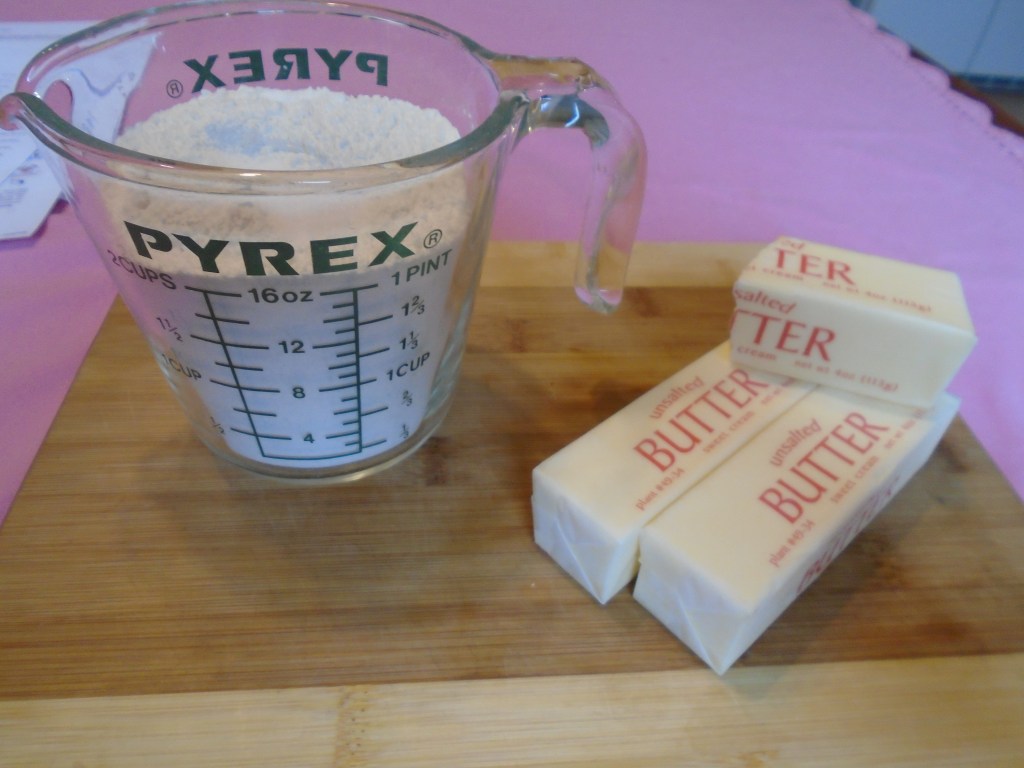
1 ½ cup cold butter (2 and a half sticks)
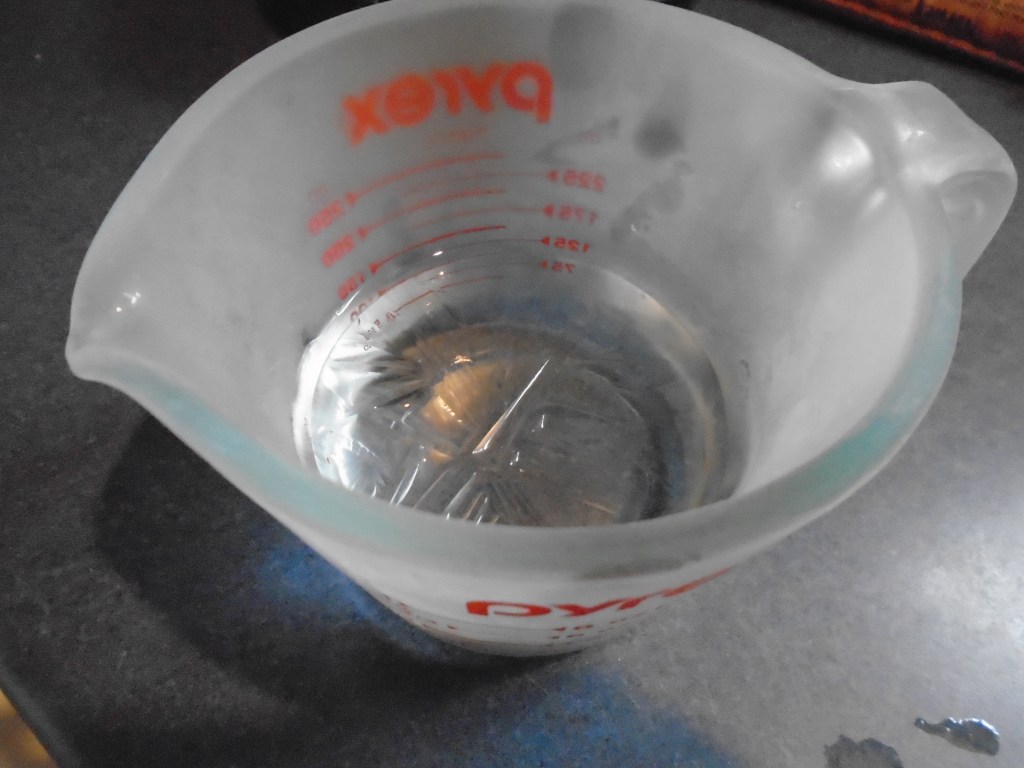
½ cup ice cold water
Directions:
Puff pastry is really not too difficult to make at home as long as you adhere to a few rules. There are only a few ingredients but the important thing to remember while making the pastry is to keep all of the ingredients very cold during preparation. I chilled the flour, in addition to chilling the butter, and I put the water in the freezer, just prior to using it.
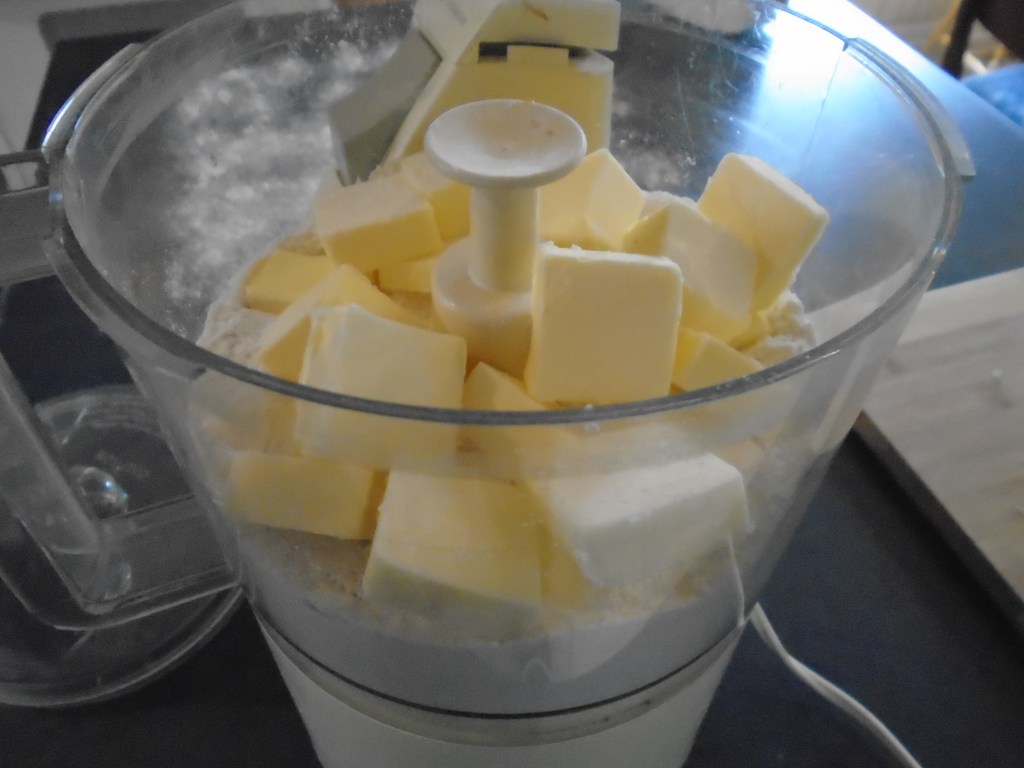
Since hands are warm, and warmth is a pastry killer, I added the flour, salt and butter to a food processor. I pulsed the food processor several times until the flour and butter combined to make a grainy mixture.
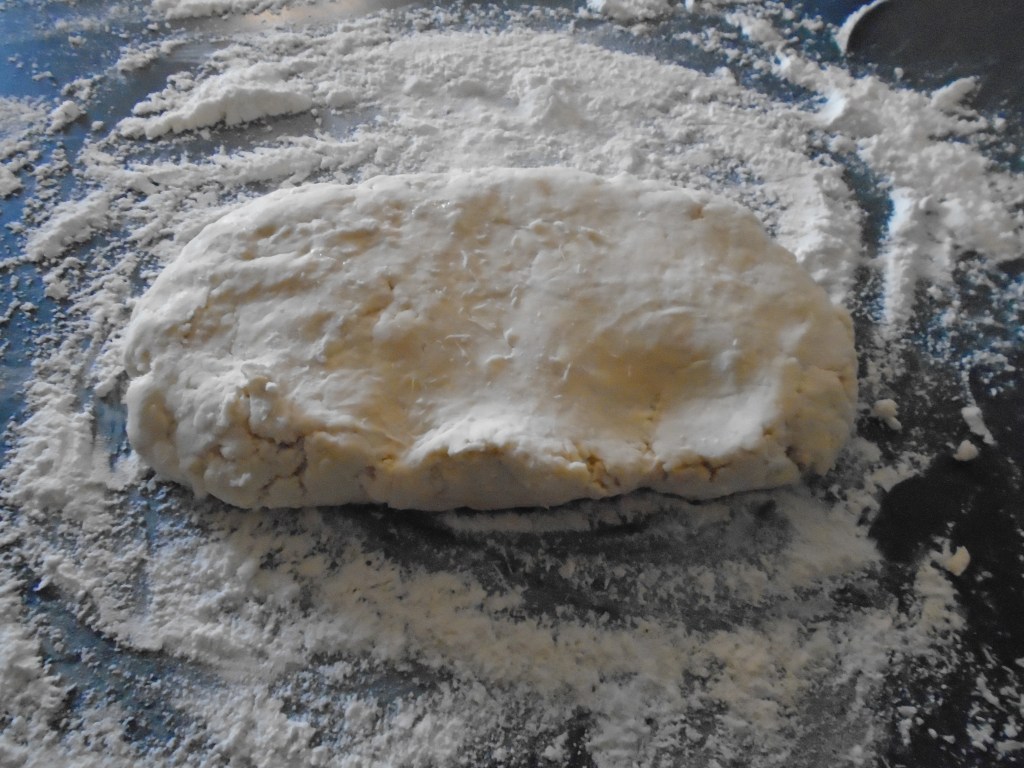
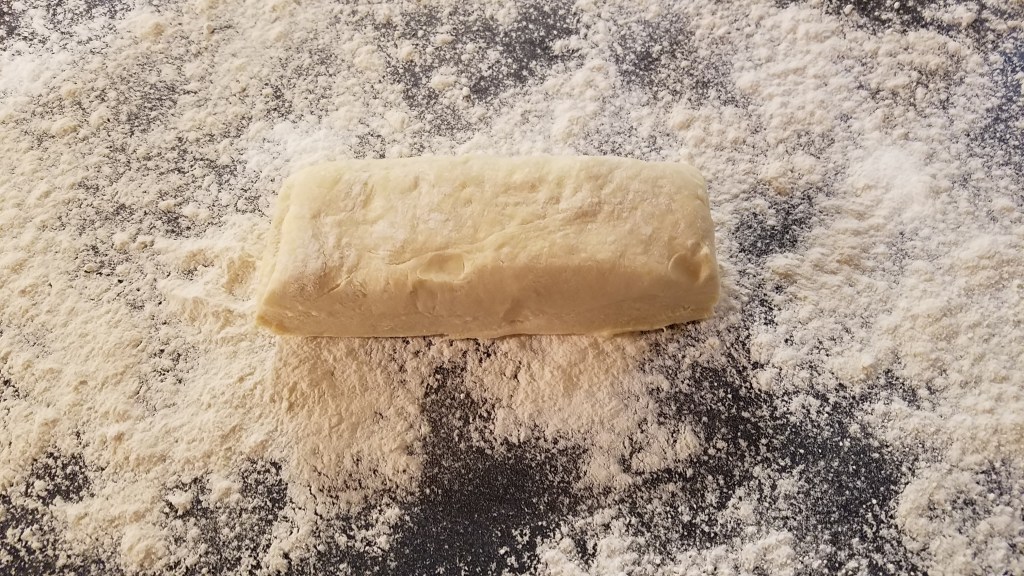
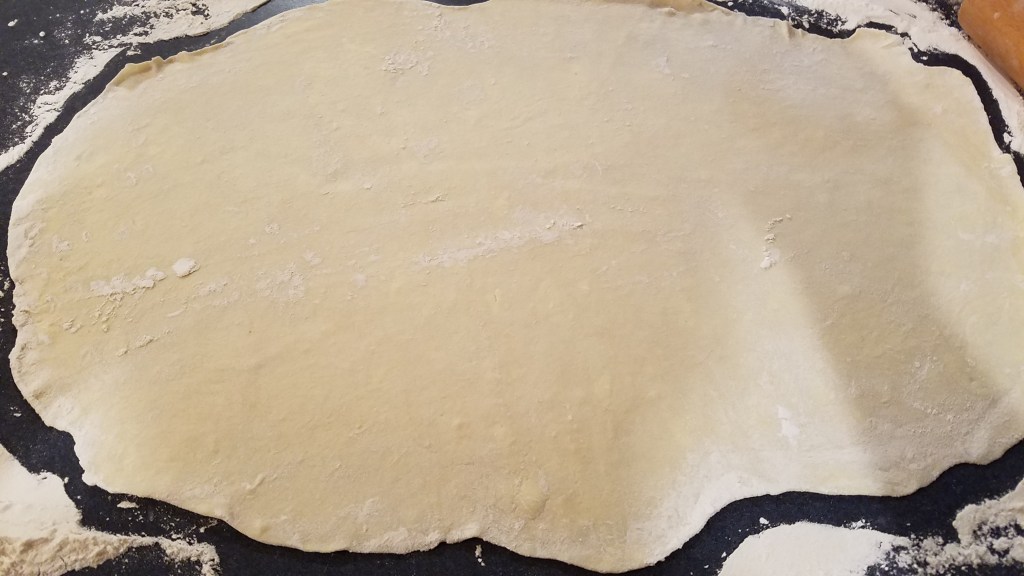
I added the ice cold water and pulse again, until the dough began to form a ball. I turned out the dough ball to a clean work surface and formed the dough into a 12” x 6” rectangle. I worked quickly, using the rolling pin.
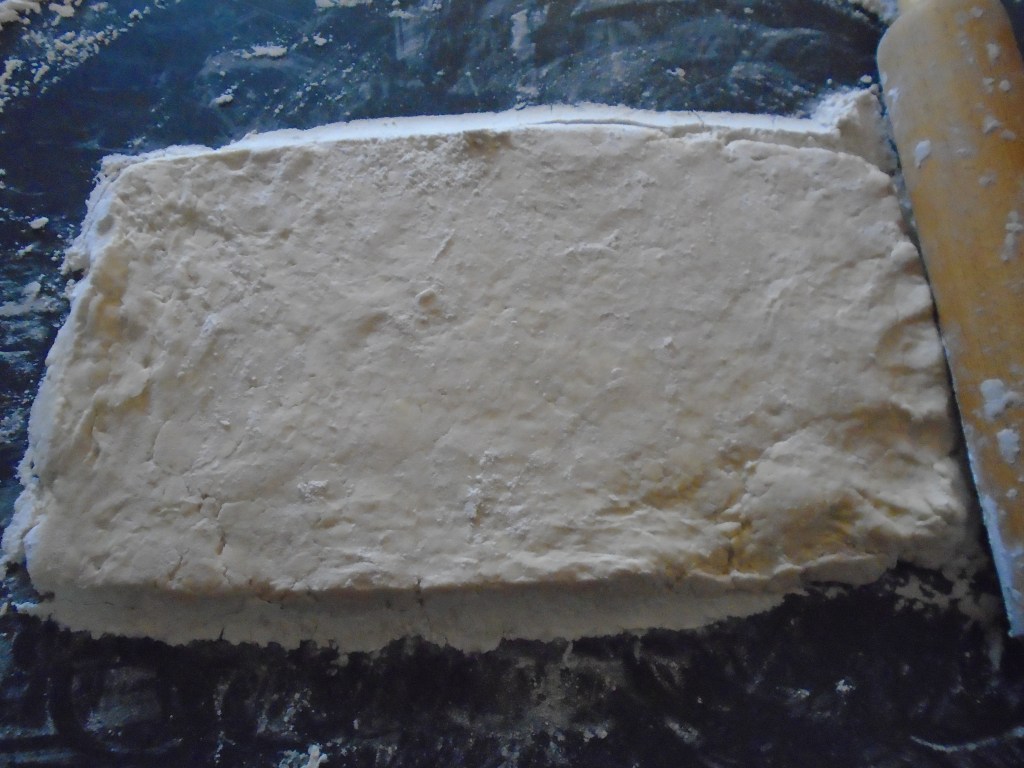
I folded the dough over into a tri-fold and squared the dough by pushing the edges with the rolling pin. I added a little more flour to the work surface to keep the dough from sticking to the surface.
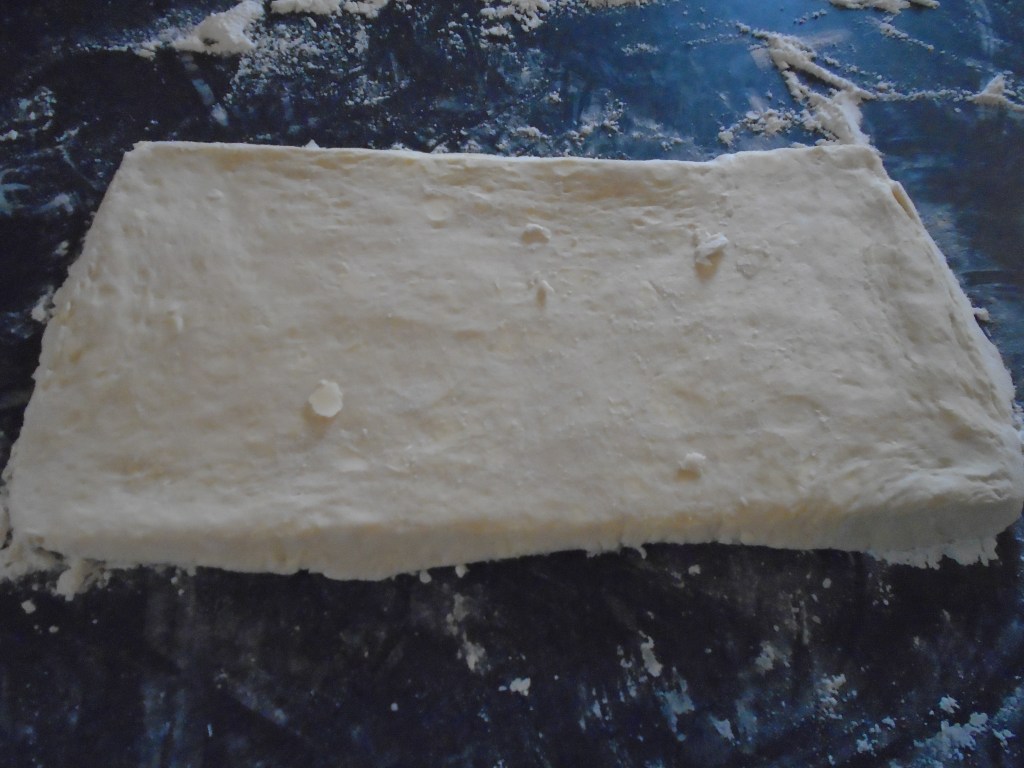
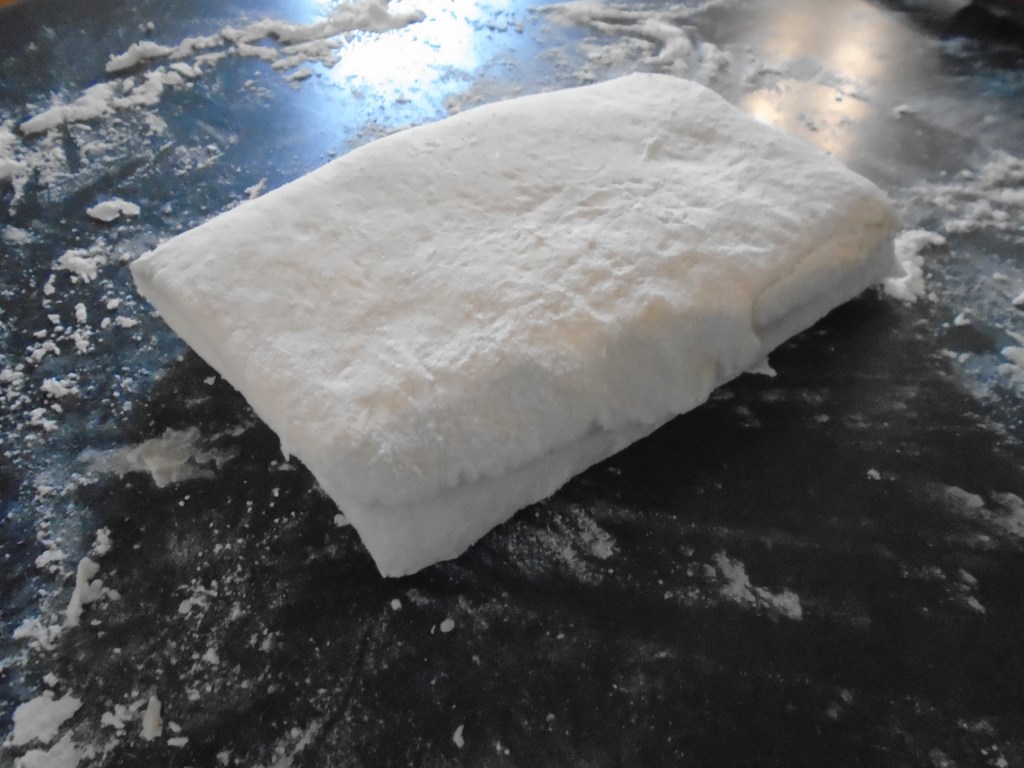
I rolled the dough out again to a 12” x 6” rectangle and folded it in thirds again. I repeated this process three more times. Rolling the dough multiple times increases the amount of flakiness of the finished puff pastry.
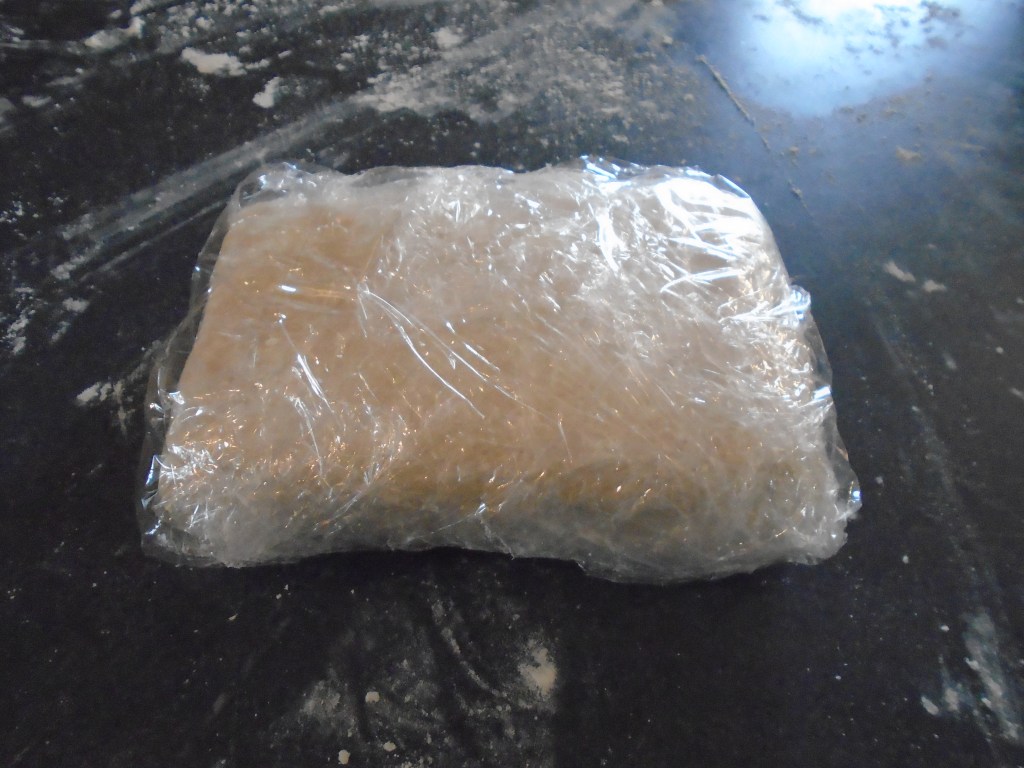
I wrapped the rectangle of dough in plastic wrap and kept it refrigerated until I was ready to use it.
This recipe makes enough dough for 24 pastry cups.
Ingredients for the rest of the meal:
Infused blueberries:
1 ½ cup water
2 tsp dried rosemary
½ cup blueberries
1 Tbs sugar
Roasted chicken:
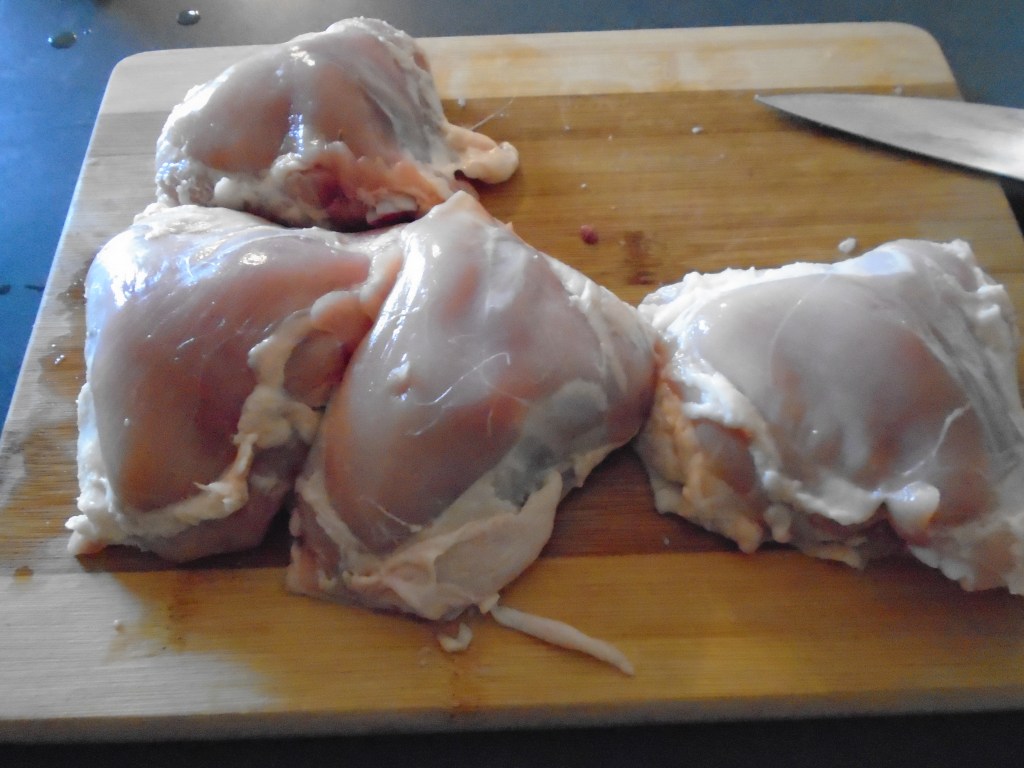
4 chicken thighs (bone–in)
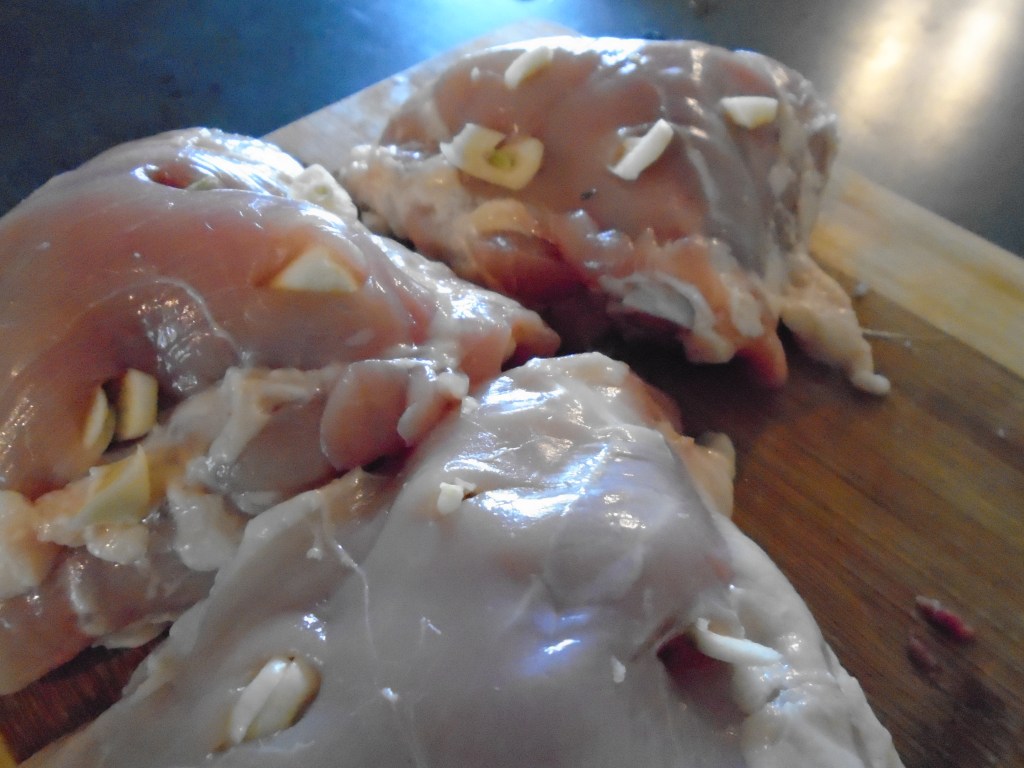
5 cloves fresh garlic, sliced thin
2 tsp dried rosemary
1 Tbs rendered bacon fat
½ cup roasted red bell peppers
4 oz sliced mushrooms (I used canned mushrooms)
1 Tbs olive oil
6 oz Camembert cheese (rind removed)
Whipped potatoes:
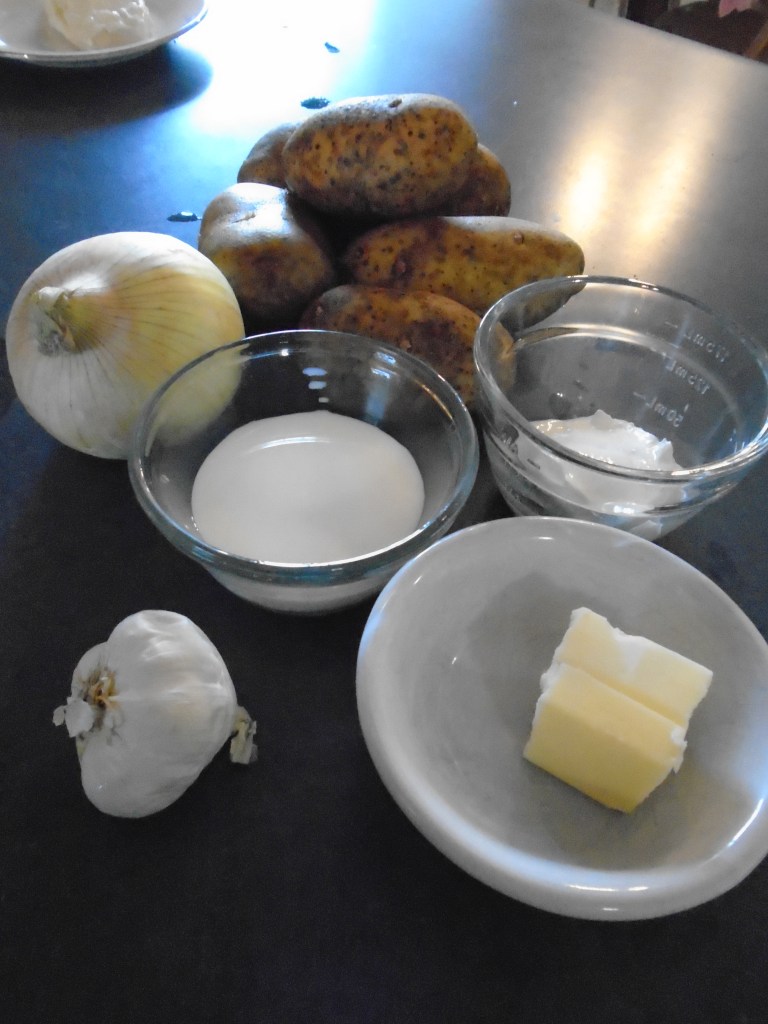
6 small russet potatoes
2 Tbs butter
¼ cup sour cream
¼ cup milk
5 cloves roasted garlic
Matchstick onions:
1 yellow onion, sliced into very thin rings
1 cup buttermilk (I used 1 cup milk and 1 tsp vinegar)
1 cup flour
1 tsp seasoning salt
Winter vegetables:
1 ½ cup carrots, sliced and chopped
1 cup broccoli florets
1 cup cauliflower florets
1 Tbs olive oil
½ cup gouda cheese, shredded
Directions:
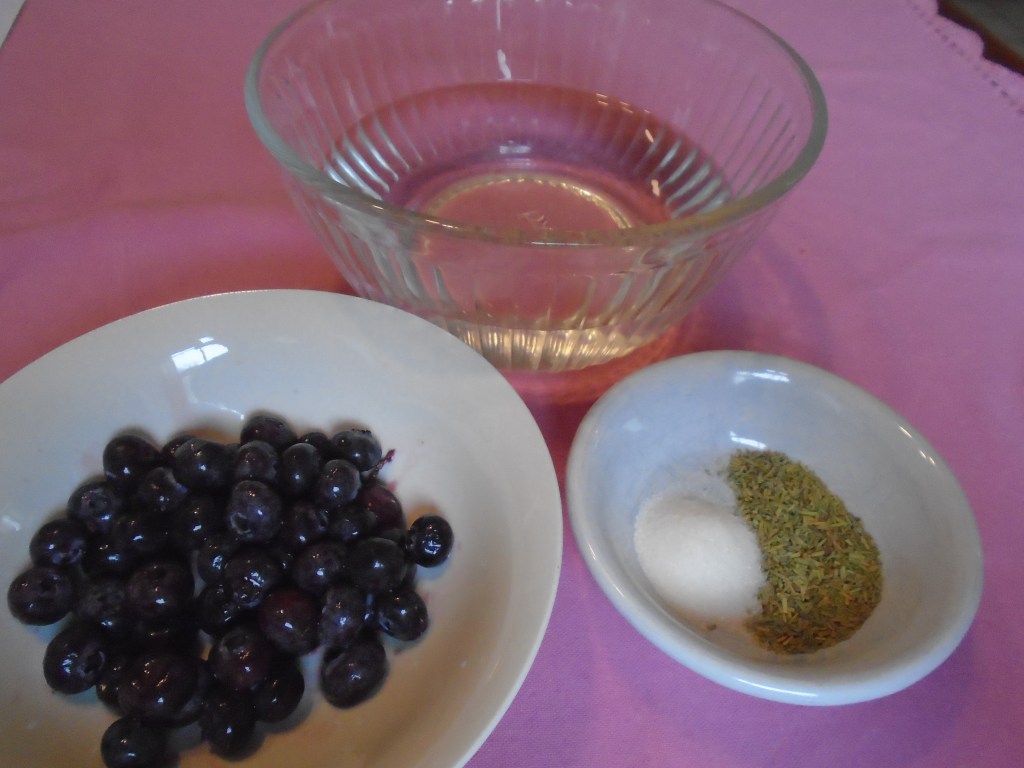
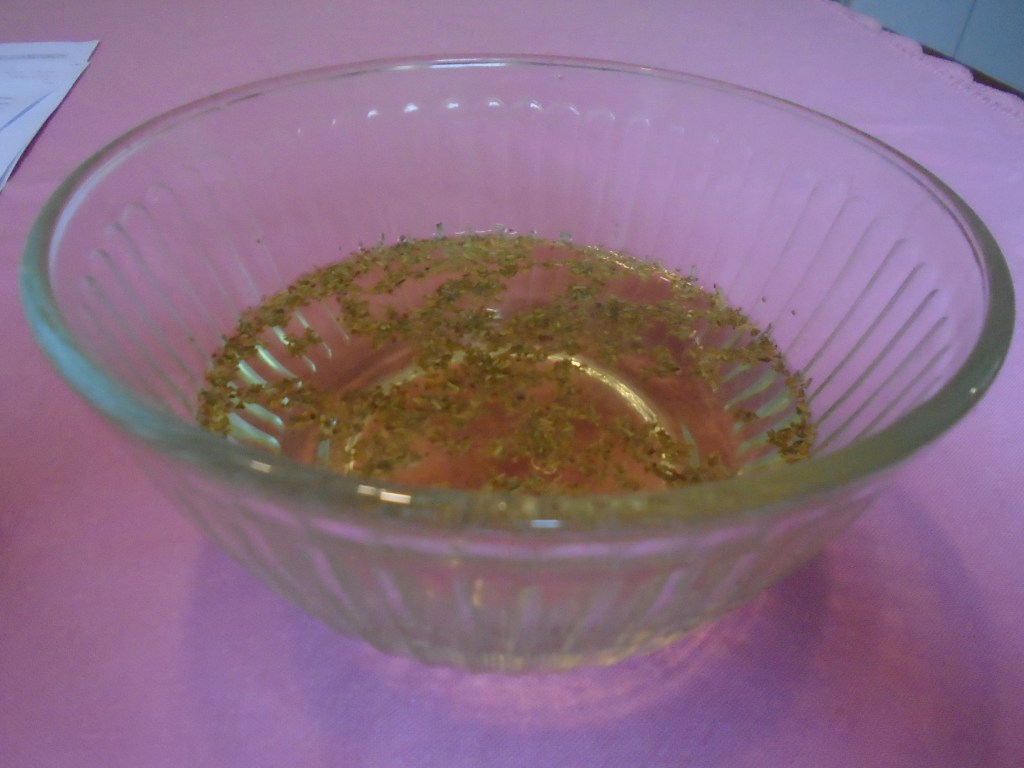
Fill a small bowl with 1 ½ cups of boiling water. Add the rosemary and sugar. When the water has reached room temperature, remove the rosemary and reserve for later.
Add the blueberries to the fragrant water and allow them to soak at room temperature for a few hours.
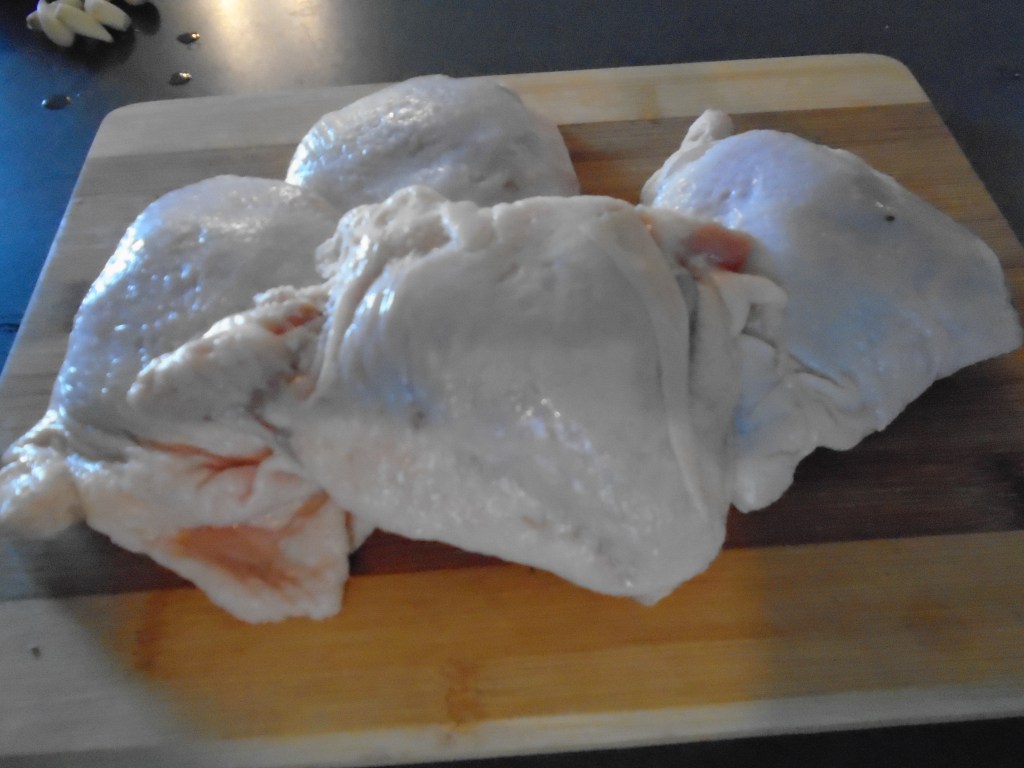
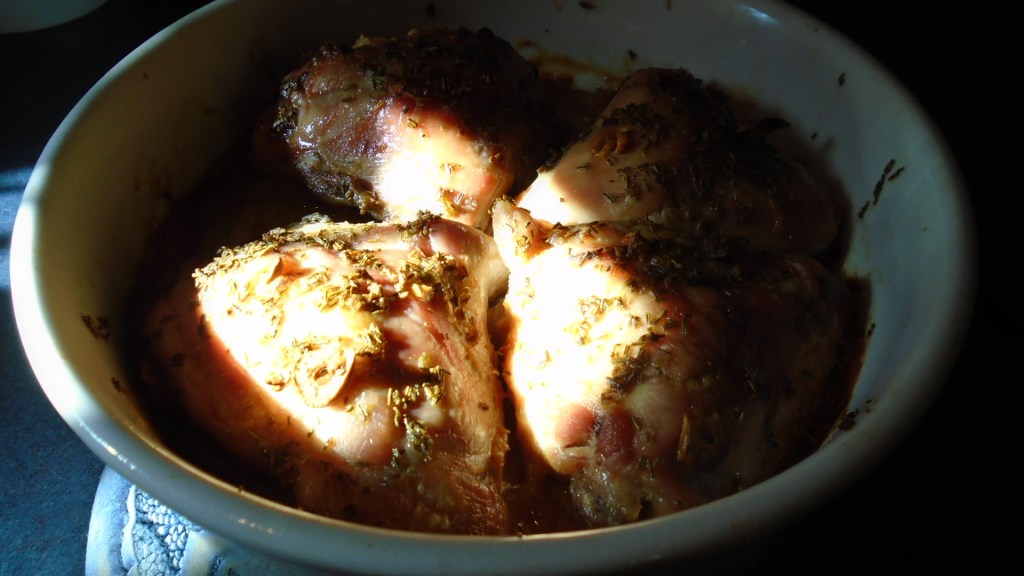
Remove the skin from the chicken thighs and discard. Using a small, sharp knife, make several incisions in the chicken and insert the slices of garlic.
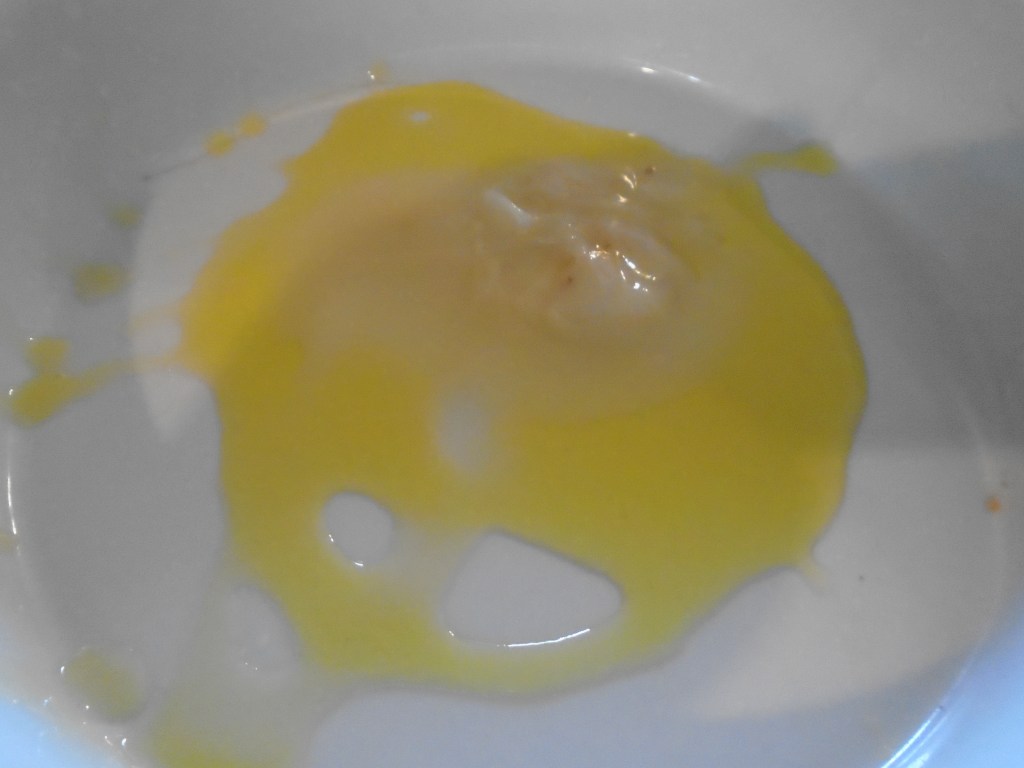
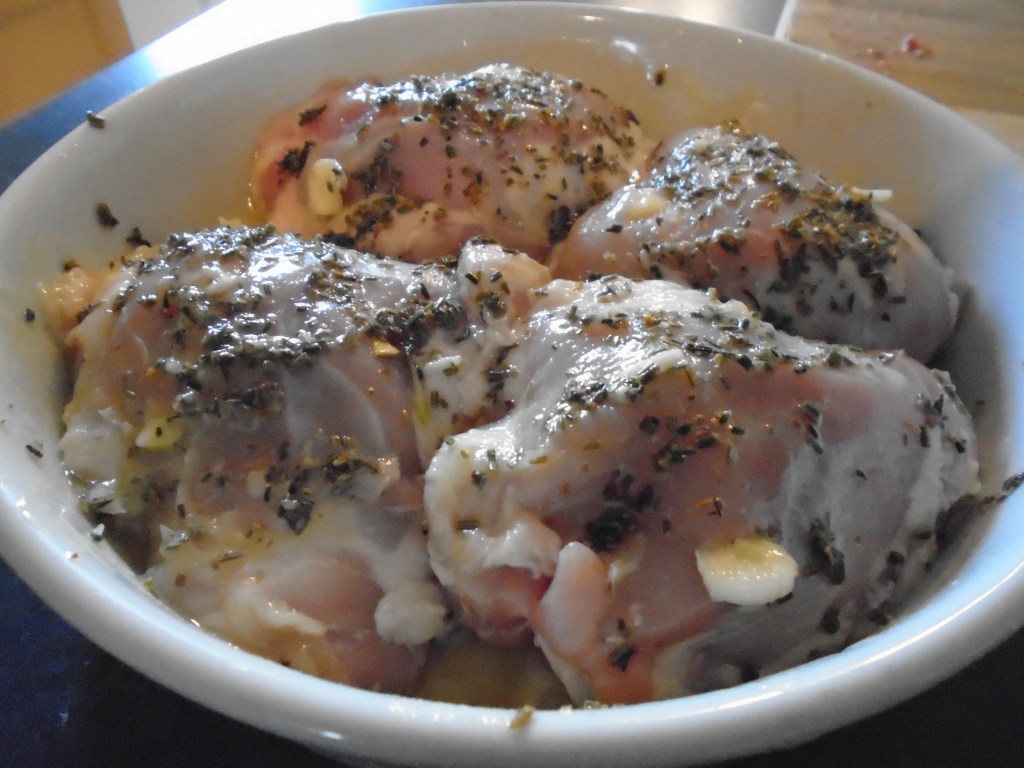
Add bacon grease and olive oil to a baking dish. Smear the chicken with the grease and oil and nestle the chicken in the baking dish. Sprinkle the reserved rosemary onto the chicken.
Roast the chicken, uncovered, in an oven at 350° for 90 minutes. Baste the chicken occasionally. Remove from the oven and allow to cool down to room temperature.
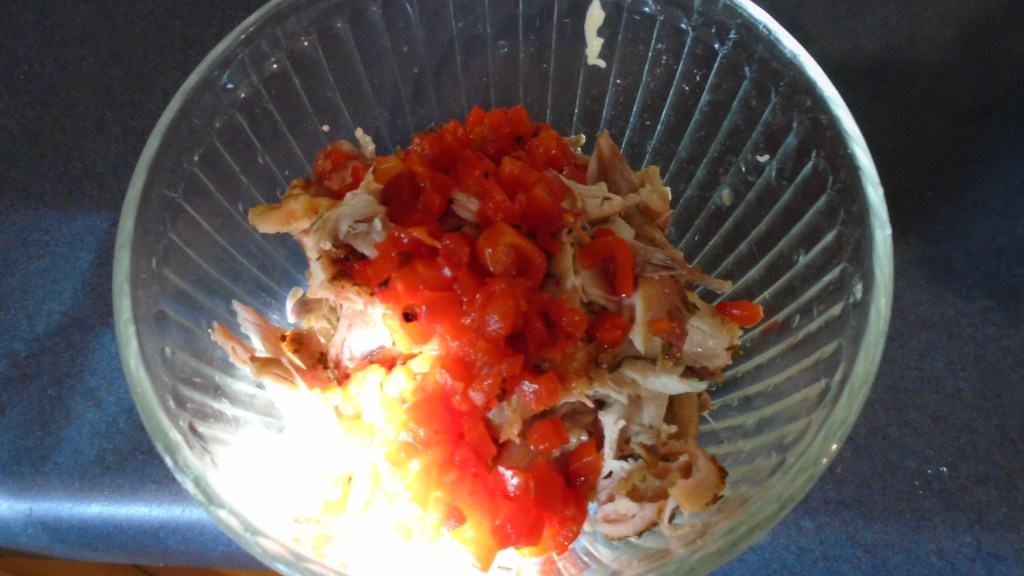
Once the chicken has cooled, shred by hand.
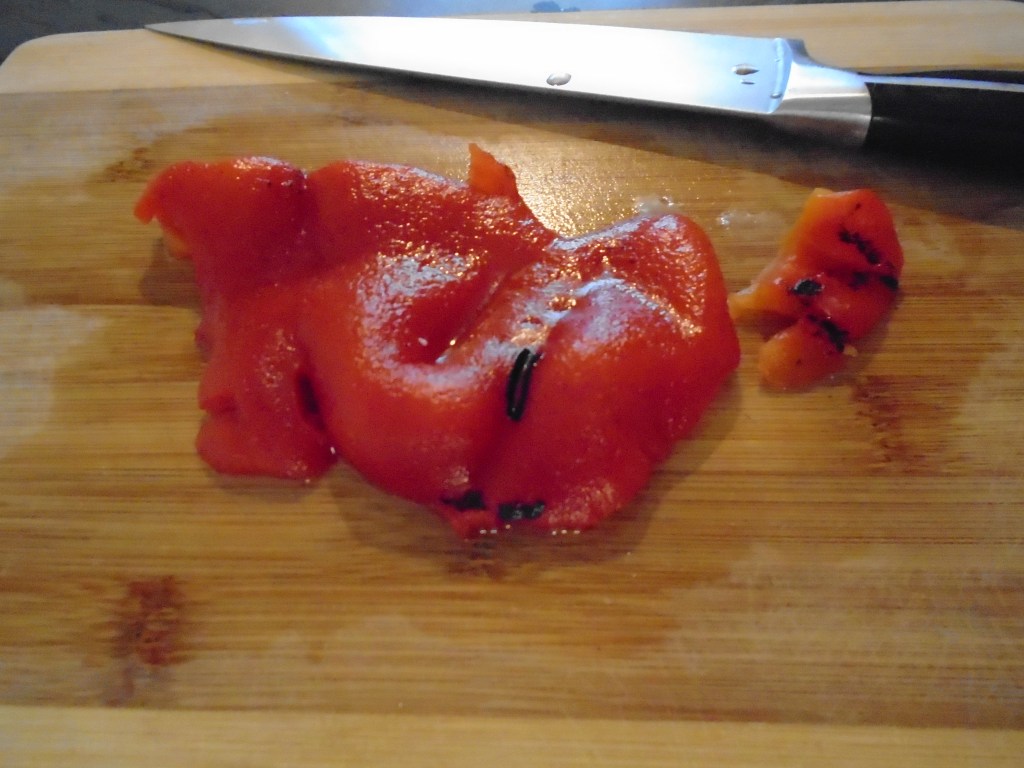
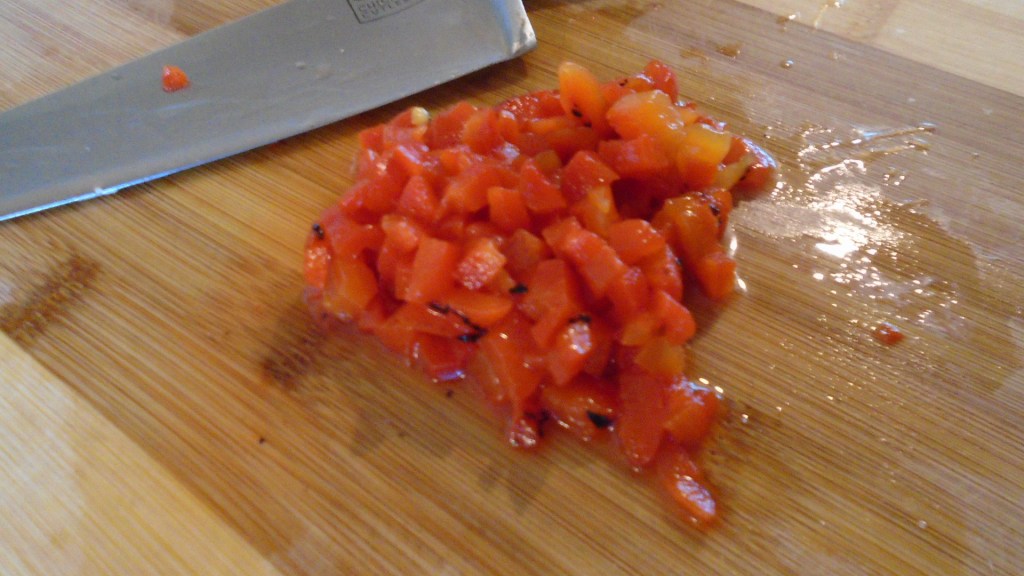
Dice the roasted peppers and add to the shredded chicken. Add the mushrooms to the chicken and mix to incorporate. Set aside.
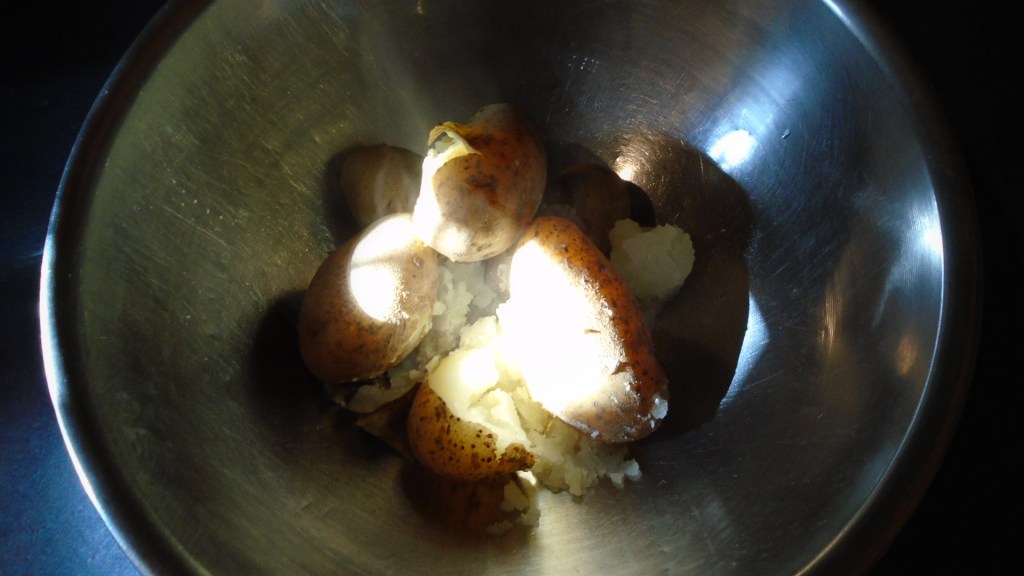
Wash and scrub the potatoes. Put the potatoes in a large pot and cover with water. Cover the pot with a lid and boil the potatoes at low heat for about one hour, or until the potatoes can be pierced easily with a fork.
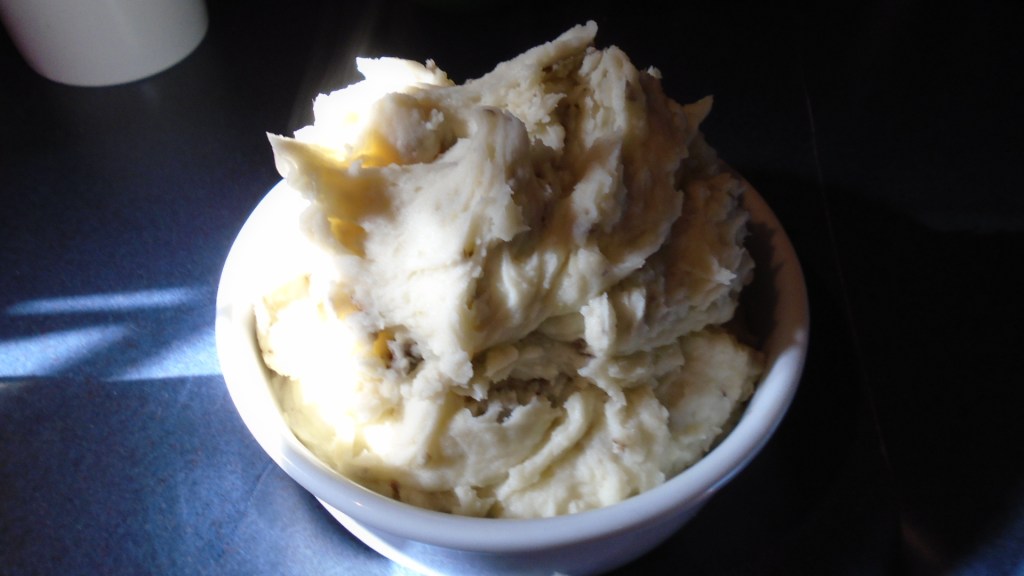
Using a hand-held mixer, blend the potatoes, including the potato skins, with the butter, sour cream, milk and roasted garlic. Store in warm place.
Drain the blueberries and set aside.
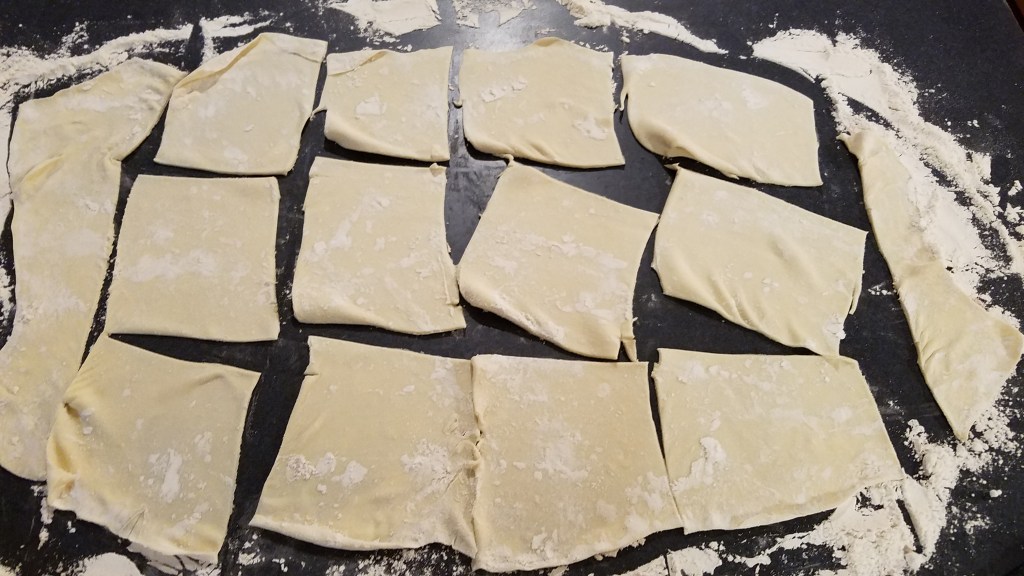
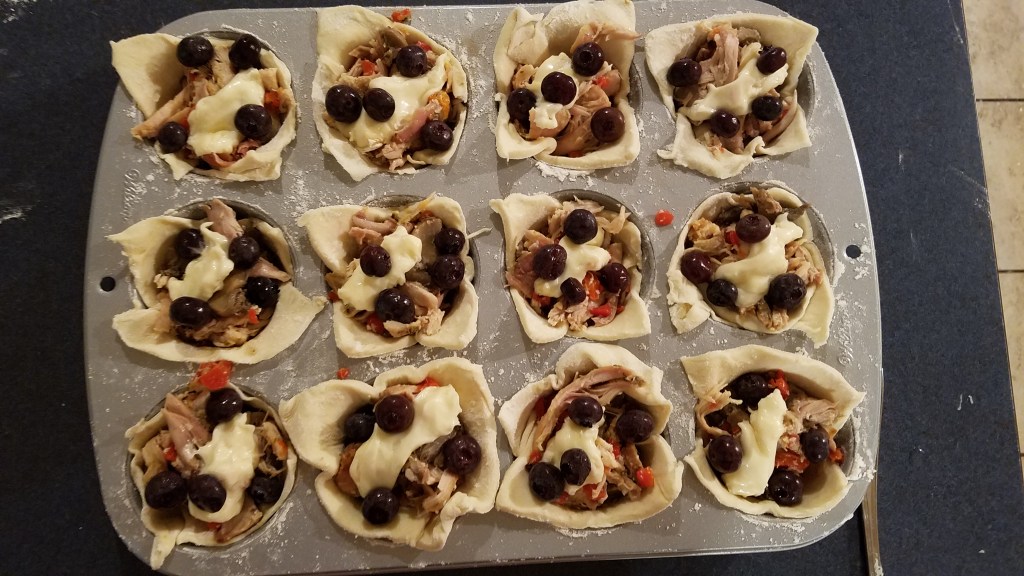
Remove the pastry from the refrigerator and place on a clean work surface. Divide the dough in half. Use one half for the chicken dish and reserve the other half for a dessert dish. Roll the dough out to about ¼” thick. Slice the pastry into 4” squares. Form fit the pastry into the muffin pan.
Slice dough into 4″ squares
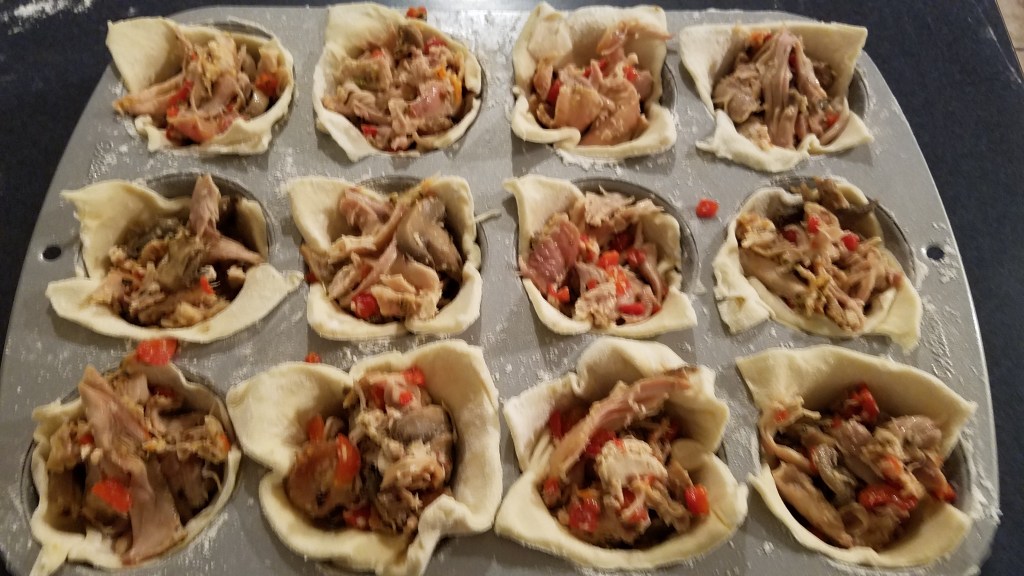
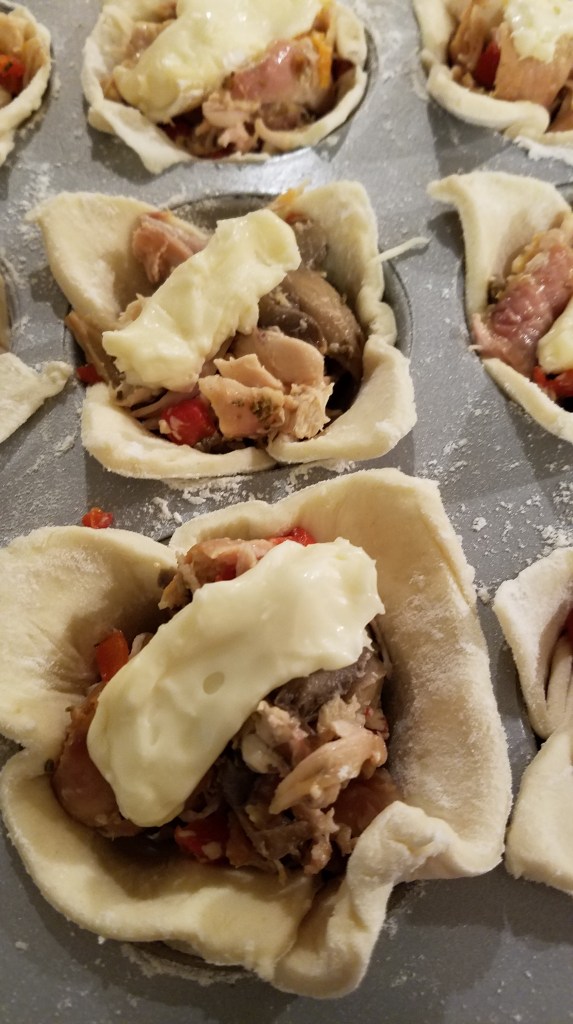
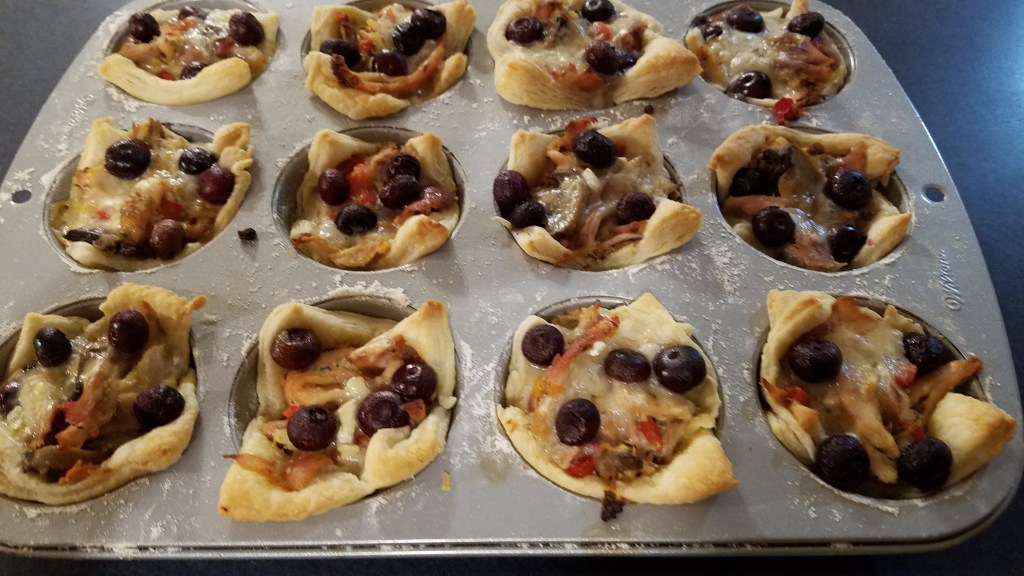
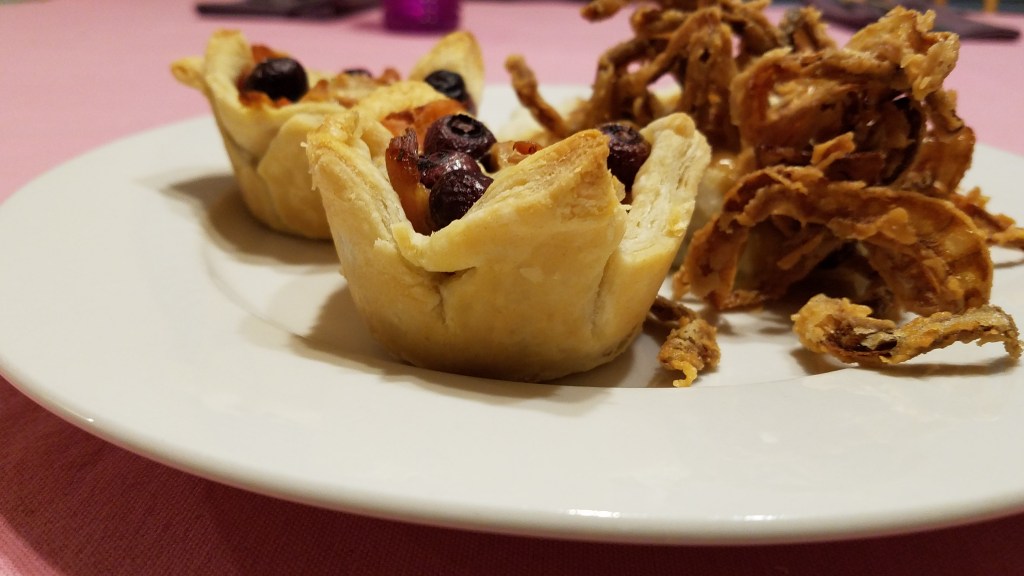
Place the squares in muffing pan and fill the pastry with the chicken mixture. Top with a teaspoon of Camembert cheese and a 3 or 4 blueberries.
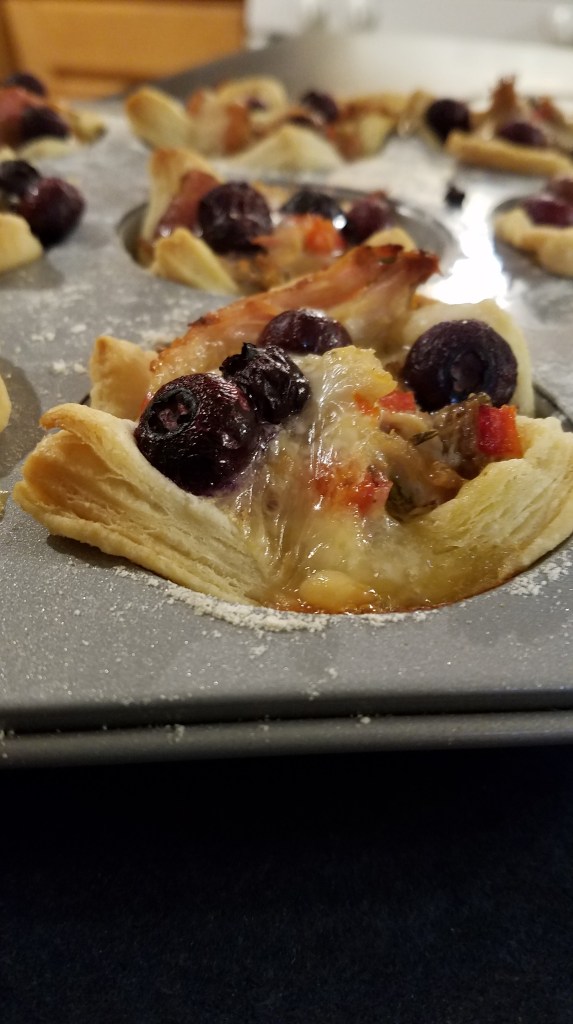
Bake at 400° for about 20 minutes, or until the pastry puffs and turns golden brown.
Roasted Winter Vegetables
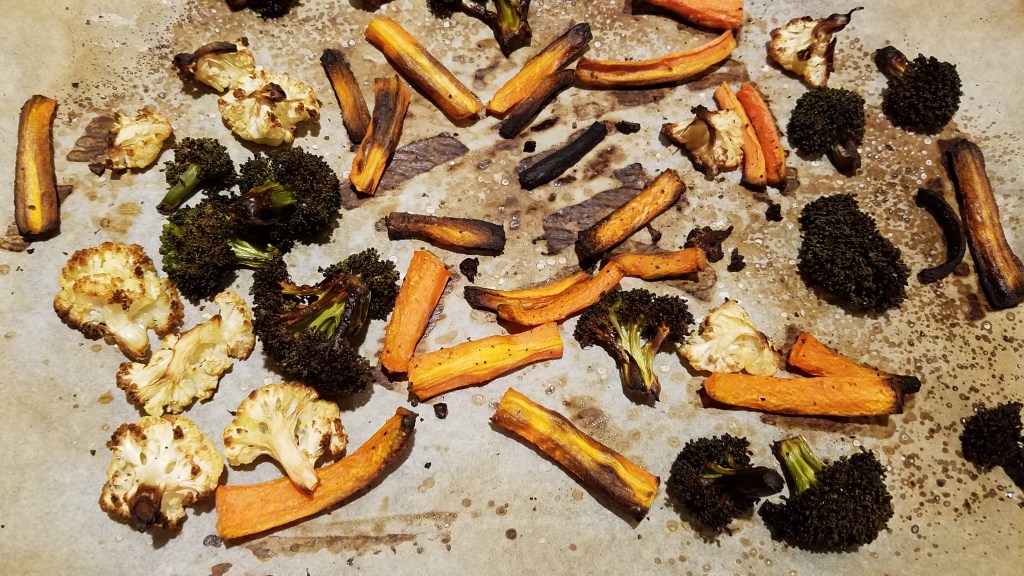
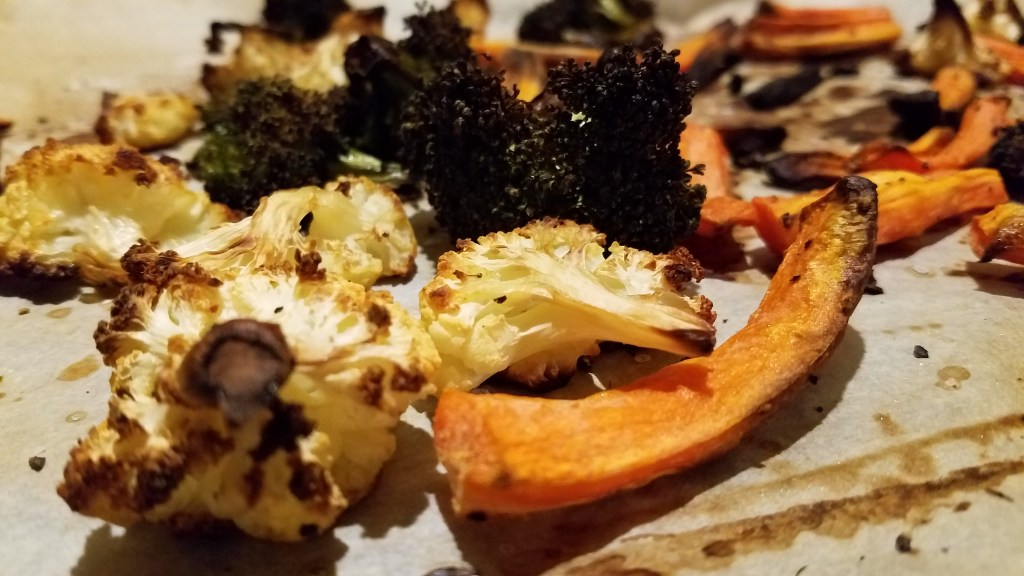
Toss carrots, broccoli and cauliflower in olive oil. Spread the vegetables out on parchment lined backing tray. Roast in the oven at 350° for 30 minutes. Remove and keep warm.
Or, if you want to burn them, leave them in a 400° oven for 45 minutes, like I did. There I was trying to salvage leftover vegetable tray fodder and I incinerated the whole lot. Oh well, that’s the way things roll in my kitchen, sometimes.
Matchstick Onions
Slice the onion very thin and set aside.
Mix the milk and vinegar together in a large bowl (this is a decent substitute for buttermilk). Soak the onions in the buttermilk for several minutes.
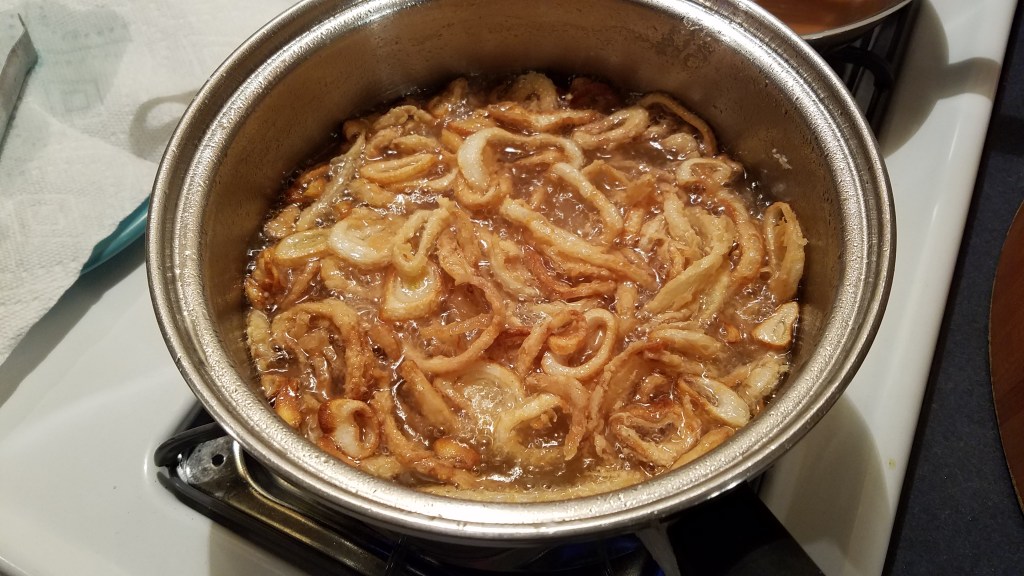
Heat a pot of oil on the stove at medium/high heat (325° to 350° works well.
Add the flour and seasoning salt to a large mixing bowl.
Toss the onions in the flour mixture to coat.
Add the onions to the oil and fry until golden brown and crispy. Remove to a paper towel-lined platter and keep warm.
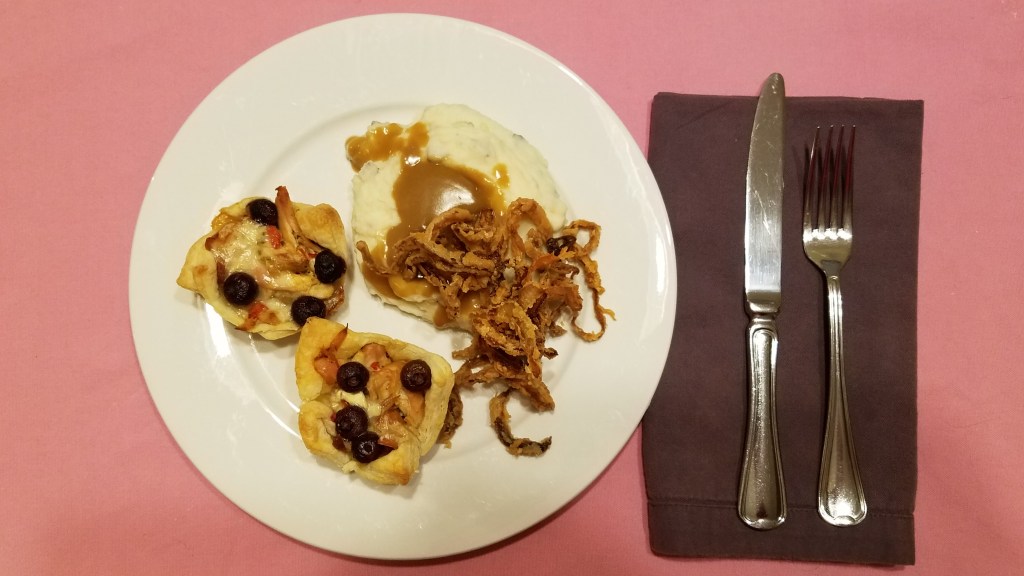
Serve two stuffed pastry shells with mashed potatoes, topped with turkey gravy and fried onions.
Dessert: Cherry and Cream Cheese Tarts
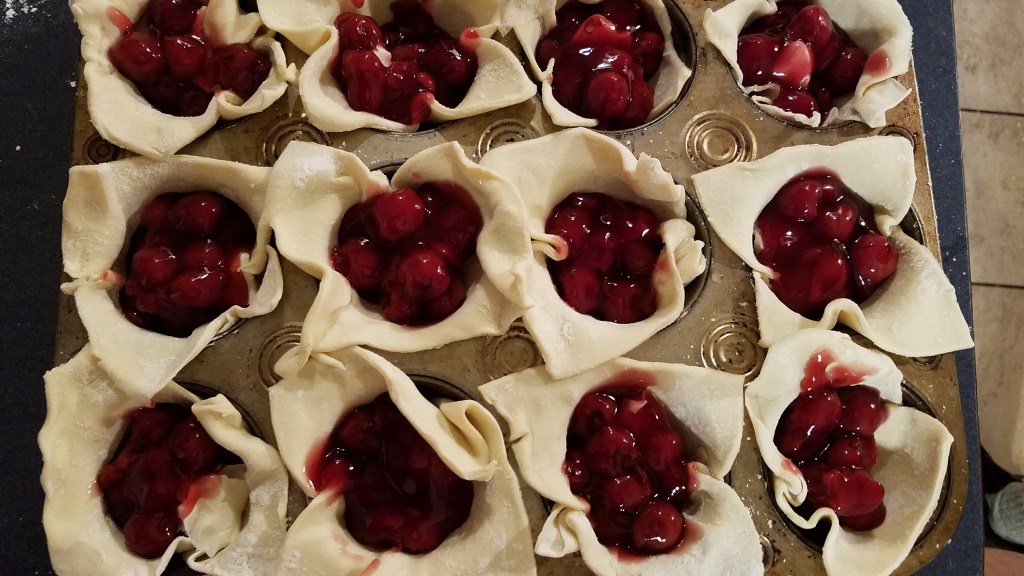
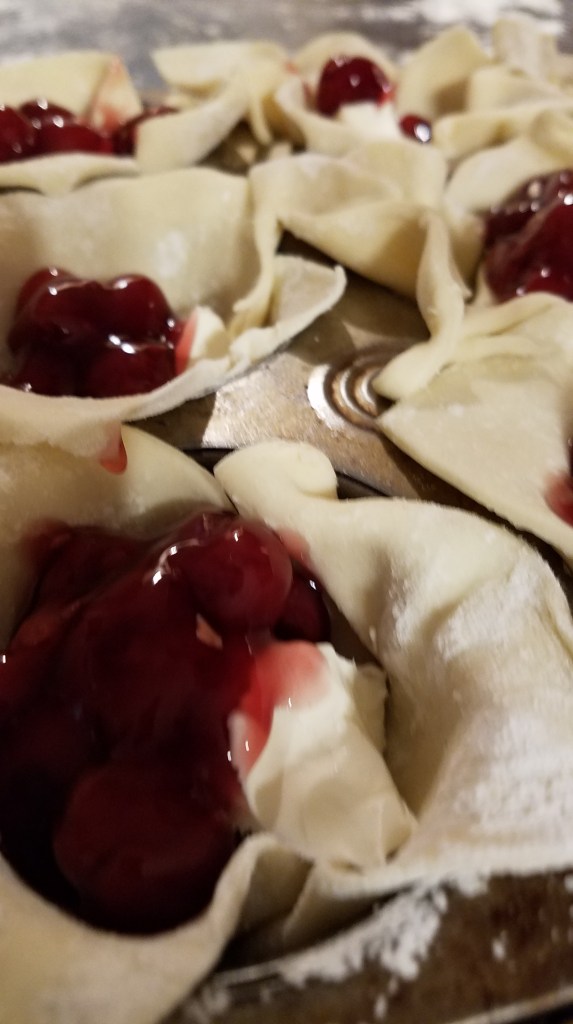
Assemble 12 pastry cups using the same method as before. Fill each one with 2 teaspoons of cream cheese and top with cherry pie filling. Bake at 400° for about 20 minutes, or until the pastry puffs and turns golden brown.
At the heart of every good gumbo lies a good roux.
I probably make 3 or 4 roux every week but they are of the small variety. You know, two tablespoons of butter, two tablespoons of flour added to two cups of stock or broth. A small roux takes just a few minutes to prepare and it usually come out just fine.
I have been telling myself that I make gumbo every year or two. I think that’s because I really enjoy gumbo. The truth of the matter is that I have probably only made it four times, (now five times). As much as I love a good hot bowl of gumbo, I dread making the roux. There are very few things in life that can vex me like a making a big batch of roux.
Making roux for a gumbo is not easy; at least it’s not easy for me. The volume of the roux needed is much larger than my normal roux. Additionally, the roux needs to cook longer to achieve a deep, rich lustrous color and flavor. Lastly, pushing the cooking process too far results in a burnt roux, which I am unfortunately prone to doing. If a roux burns it must be tossed and another one must be made. Nothing good ever happens by attempting to save a burnt roux.
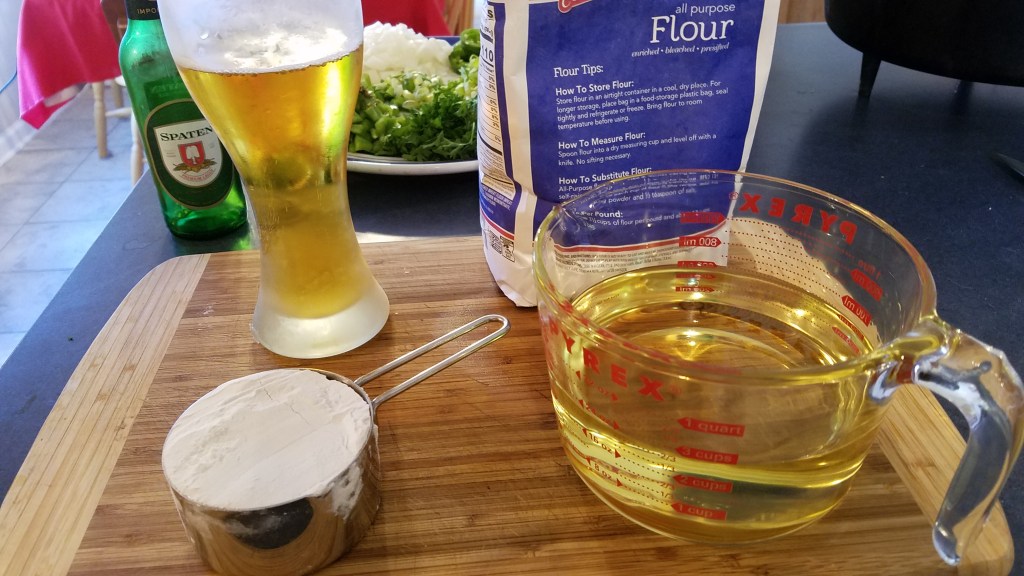
The good German lager is for me, not the roux!
Once you start a roux you can’t leave it alone until it has finished. A roux must be stirred constantly to prevent the flour from burning. Even the tiniest amount of burnt flour will affect the entire roux.
My step-by-step method for making a roux:
1) Add equal amounts of oil and flour to a Dutch oven (over low/medium heat).
2) Stir continuously, making sure to scrape the bottom and edges of the pot as you stir.
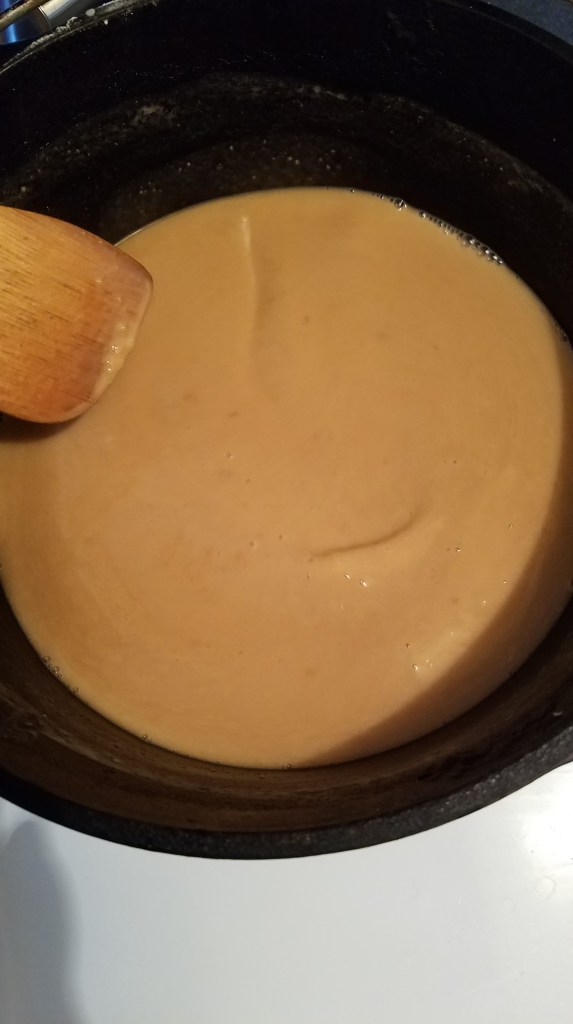
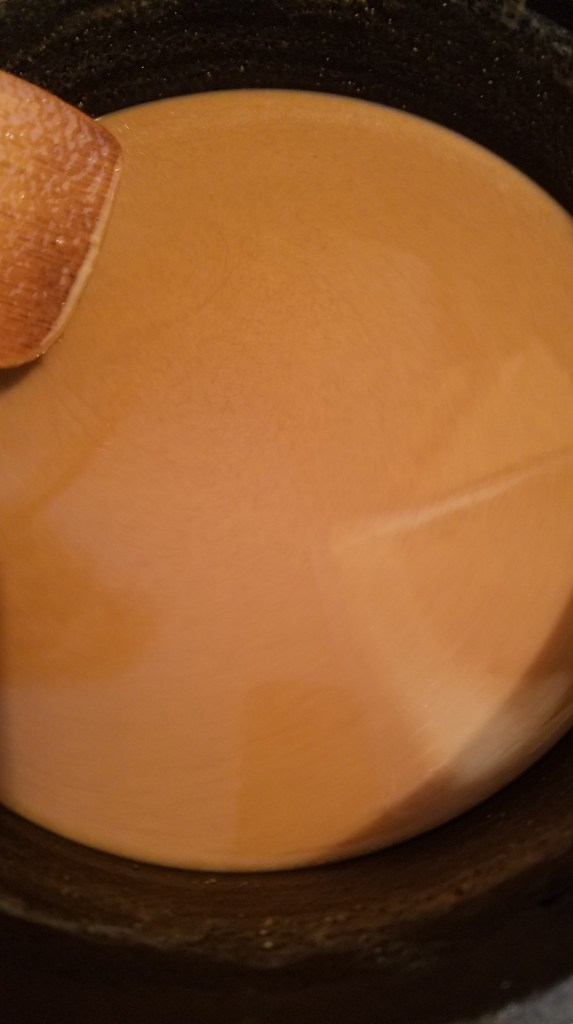
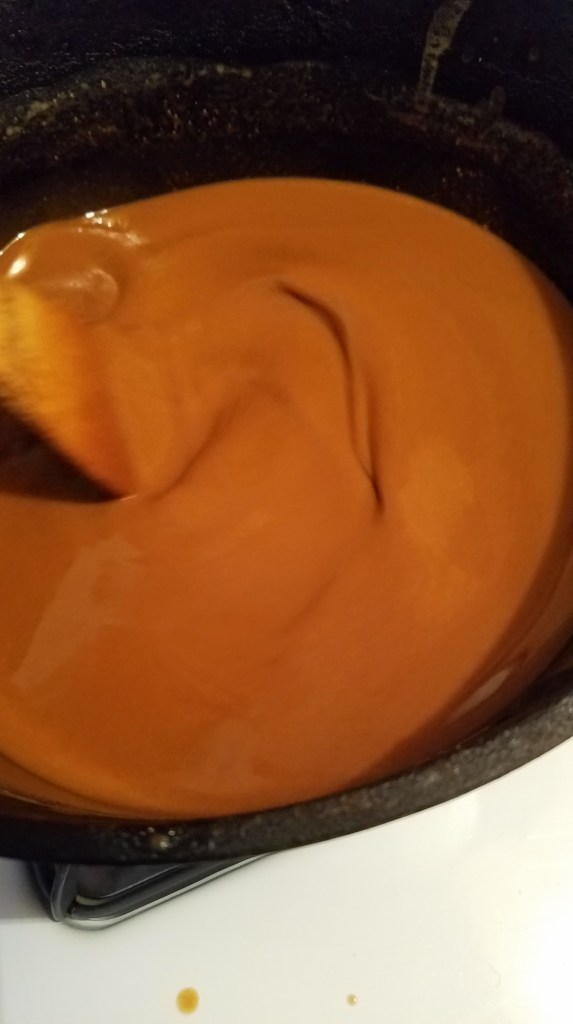
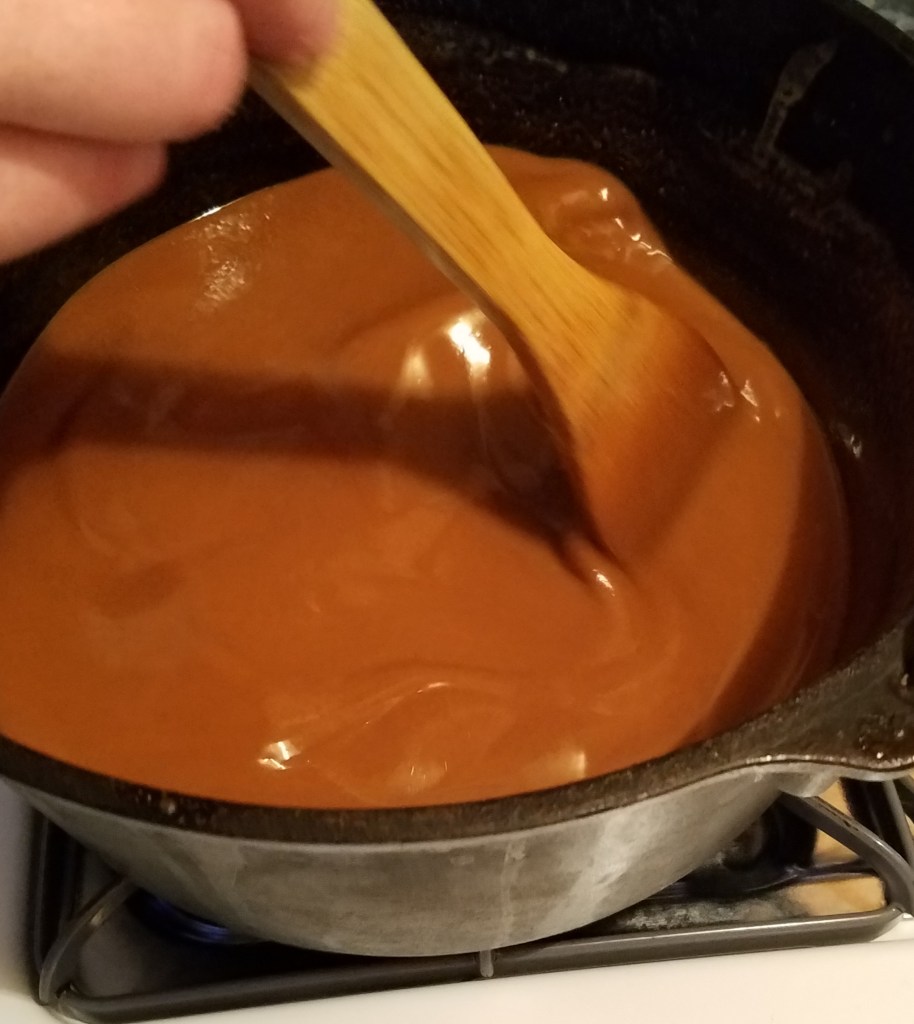
3) Keep stirring while the roux goes from blonde, to tan, to mahogany, to chocolate brown.
4) Taste a sample of the roux, after allowing it to sufficiently cool.
5) Detect a hint of burnt flavor, throw away the roux and wipe the Dutch oven clean.
6) Repeat.
Three more important pieces of advice that are often overlooked:
1) Use the bathroom before starting the roux. You won’t be able to break away from the action until the roux is finished (maybe 45 minutes to an hour).
2) Pour yourself a drink and make sure that it’s within arm’s reach as you stir.
3) Keep a small aloe vera plant in the kitchen, close to the stove, in case of burns.
As for the aloe vera, it’s really good for minor burns. Roux is jokingly referred to as Cajun Napalm. Even a tiny drop of the hot roux can cause your skin to blister. I got two blisters from this batch. I would have had three blisters but, when I got hit for the third time, I quickly pinched off the tip of an aloe leaf and rubbed it on the burn.
Look closely and you’ll see I removed a tip from a leaf, at the right.
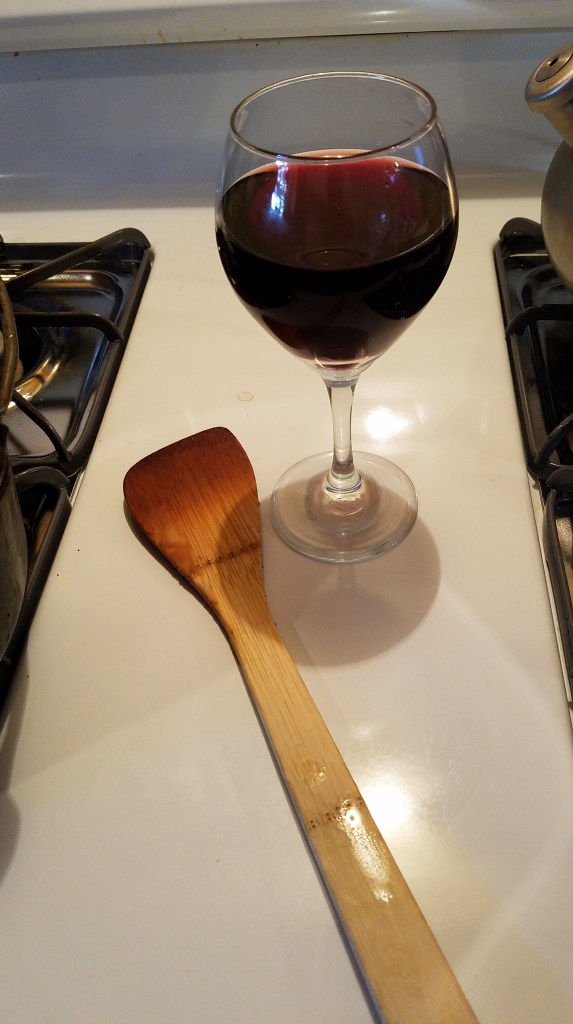
My drink of choice for the 1st roux was Spaten Lager. A nice Cabernet Sauvignon got me through the 2nd roux. Note the flat ended spatula…this is essential!
As I mentioned, I burned the first roux and had to start another one. I cooked the roux over low heat both times.
For the first attempt I used 3 cups canola oil and 3 cups flour. I cooked the roux for 67 minutes and it reached a near-perfect chocolate brown color, but the roux had a slight burnt flavor.
For the second attempt I decided to use 2 cups canola oil, 1 cup lard and 3 cups flour. I cooked the second roux for 50 minutes. I brought the roux to a dark tan and shut the heat down before it turned to mahogany. I didn’t want to run the risk of the burning the roux a second time!
This recipe makes about 2 gallons of gumbo (25 to 30 servings).
Ingredients:
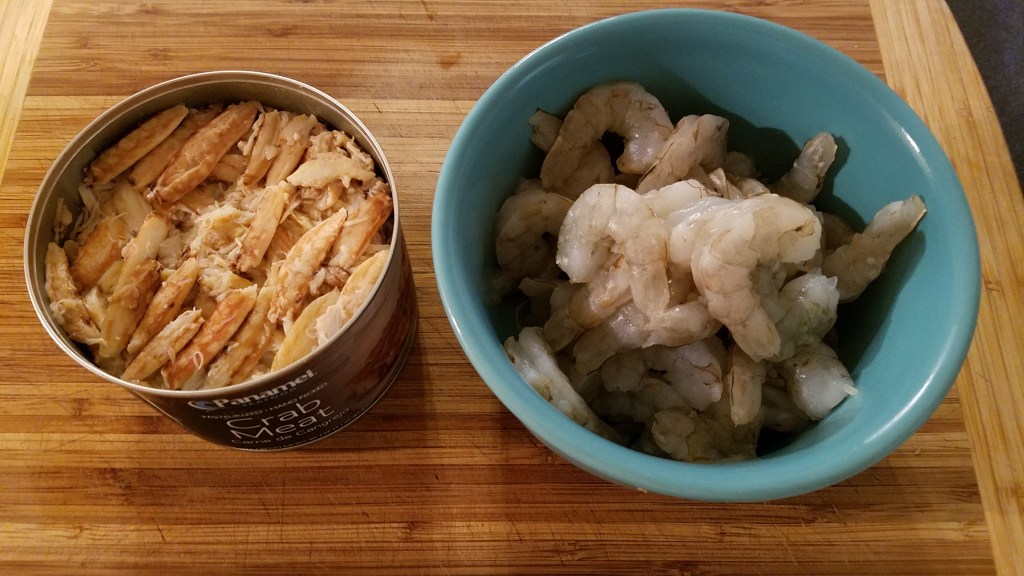
1 lb medium sized shrimp, shell on and deveined
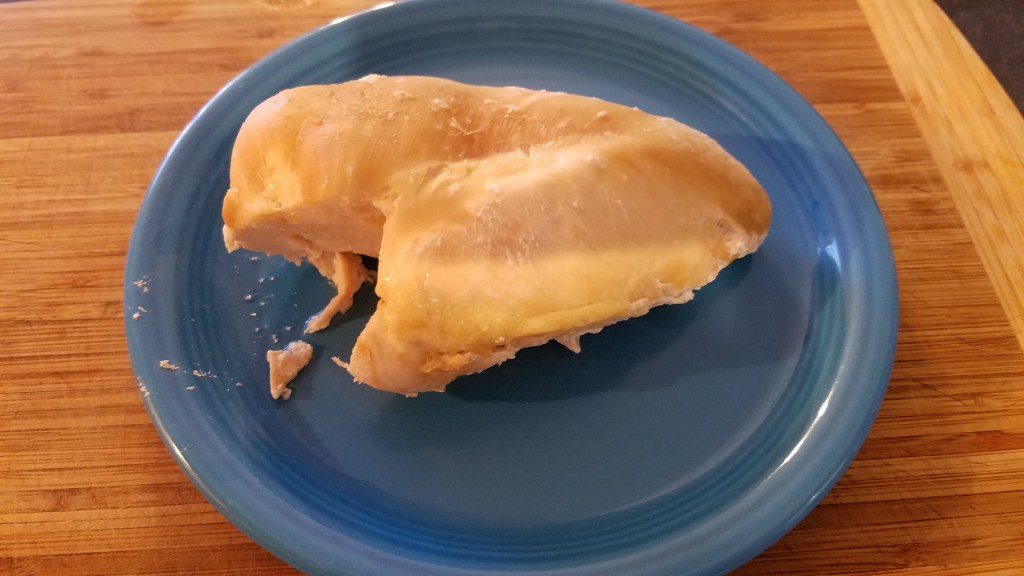
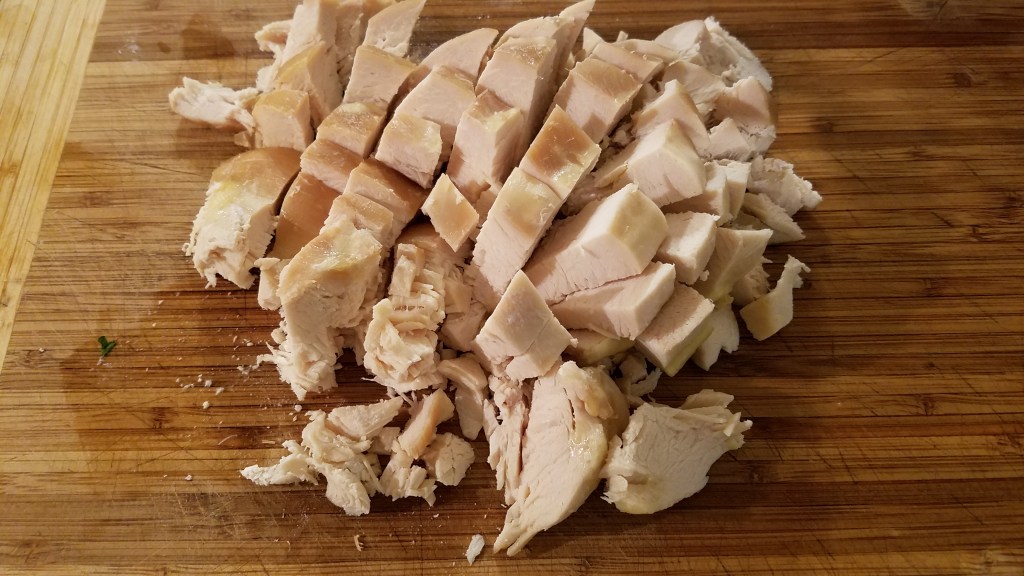
1 1/2 lbs cooked chicken breast, cut into 1/2″ cubes
3 cups canola oil
3 cups all-purpose flour
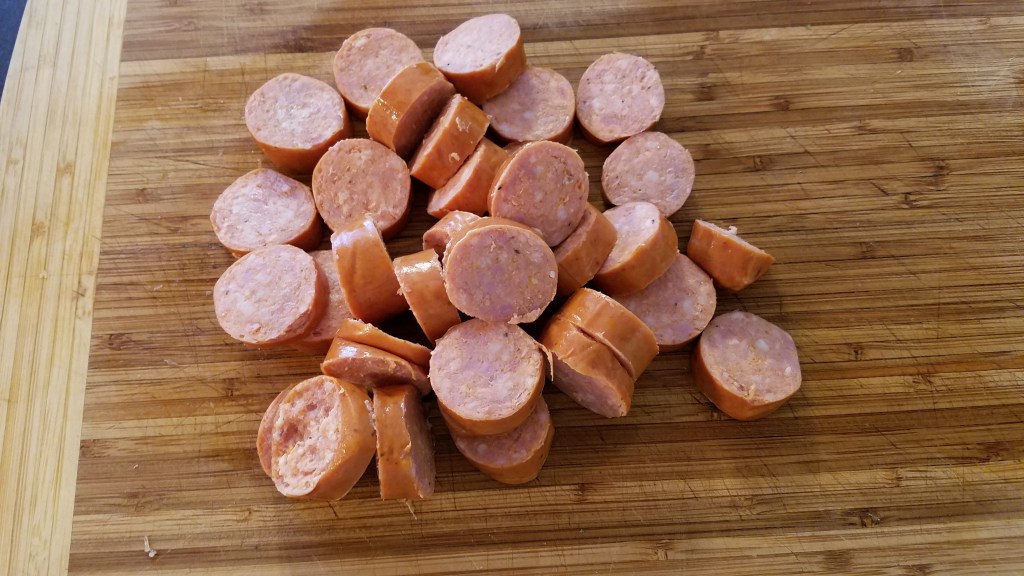
1 lb Andouille, cut into 1/2″ thick slices
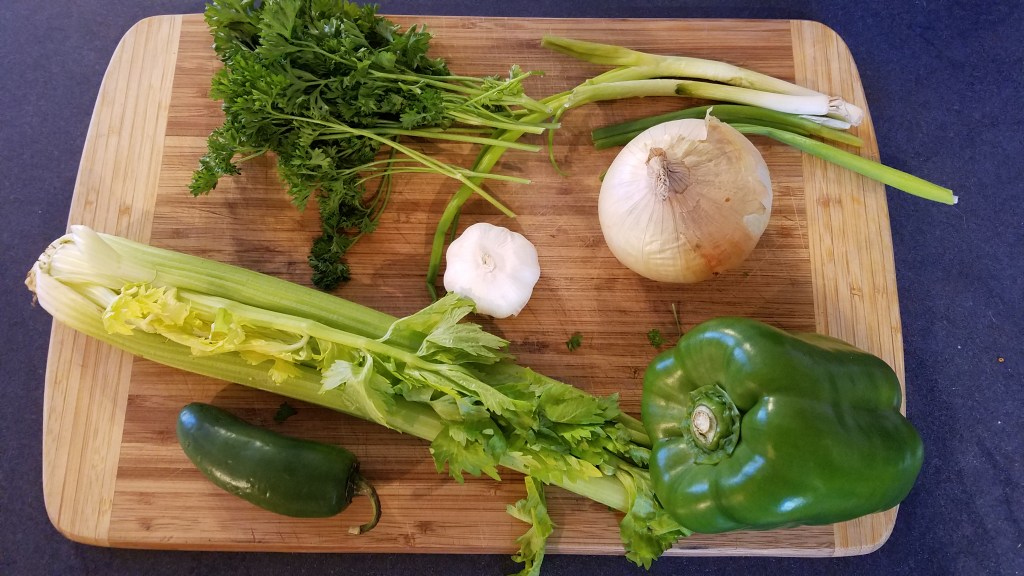
1 large onion, chopped
1 bell pepper, chopped
1 large jalapeño, seeded and sliced
2 cups celery, chopped
1 whole head of garlic, minced
1 1/2 cups parsley, chopped
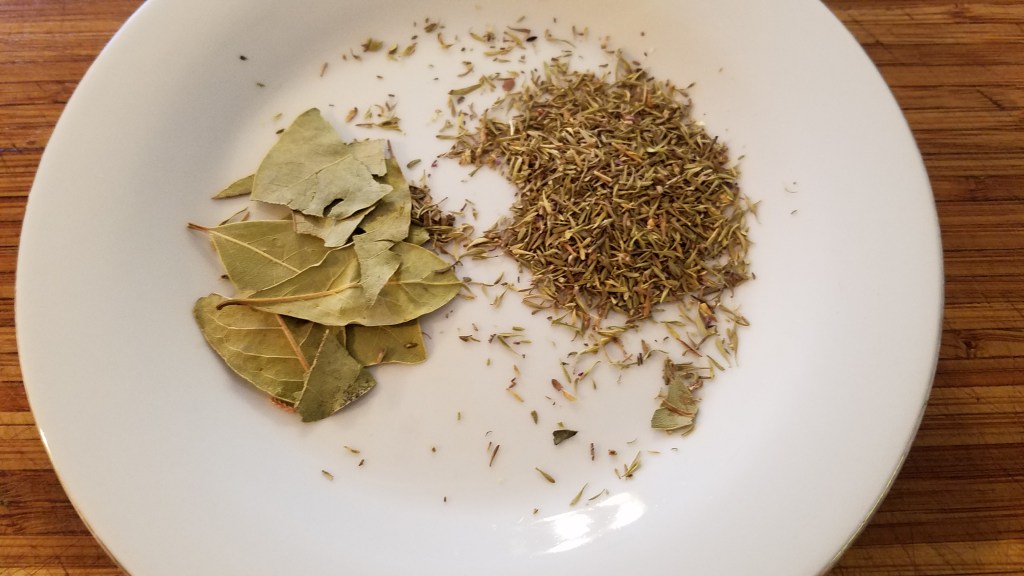
1 Tbs dried thyme
1 Tbs bay leaves
32 oz chicken stock
32 oz vegetable stock
1/2 cup shrimp stock reduction
12 oz okra, chopped
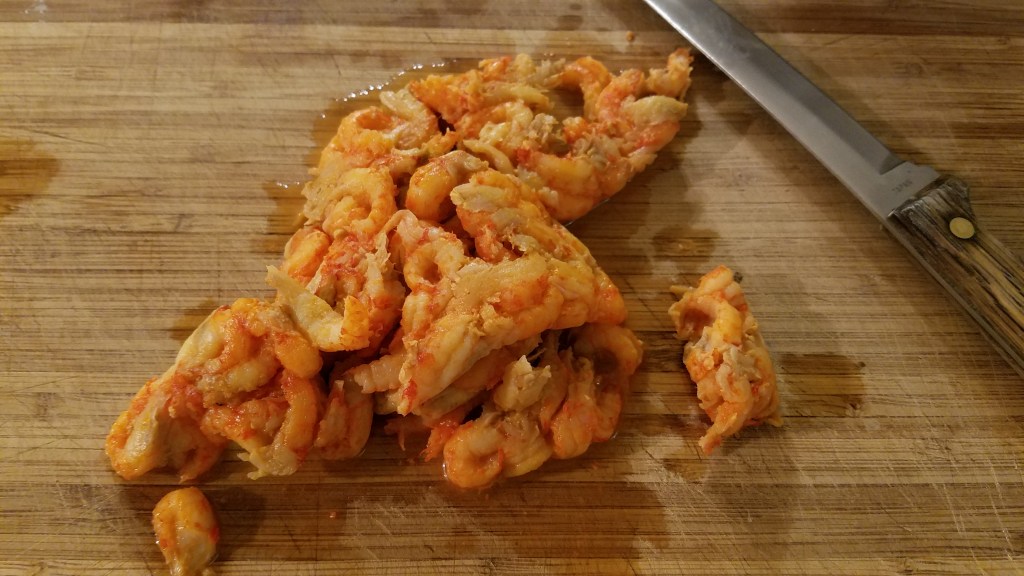
1 lb. crawfish tail meat
1 lb. crabmeat
1/2 cup clam stock reduction
12 oz white clams (about 12 clams)
Lots and lots of hot, steamed white rice
Directions:
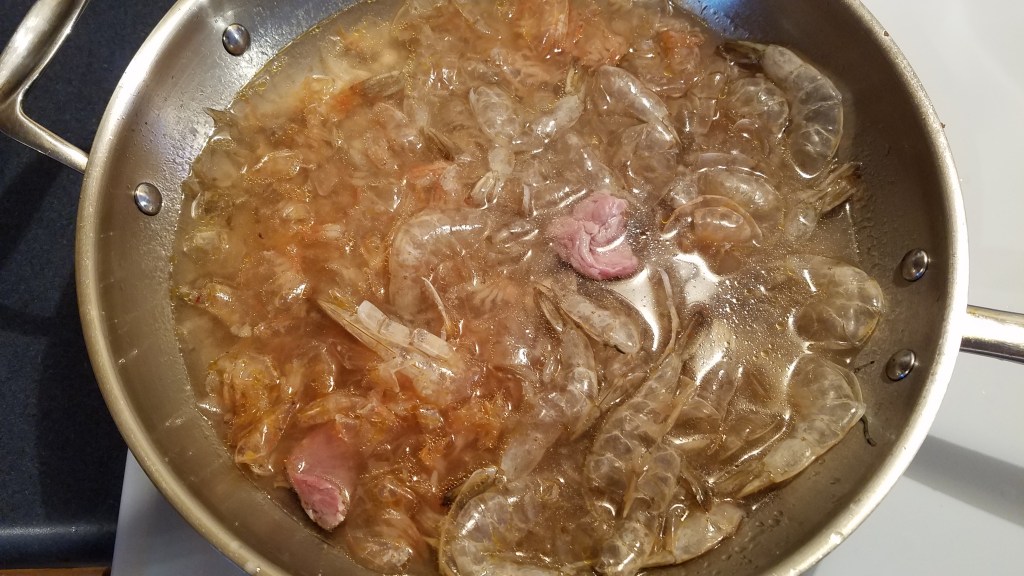
I also added a small amount of beef scraps.
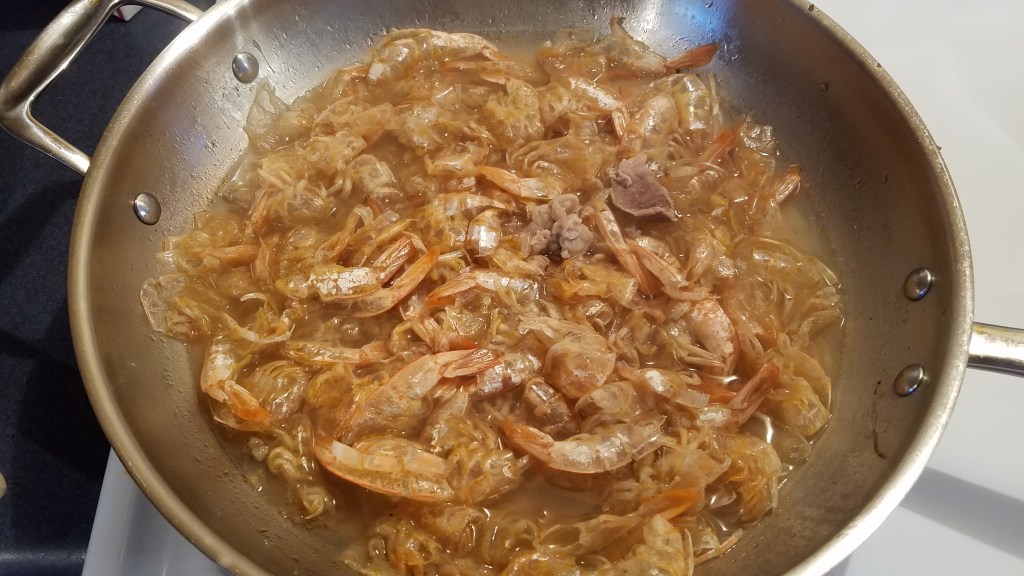
After about 15 minutes
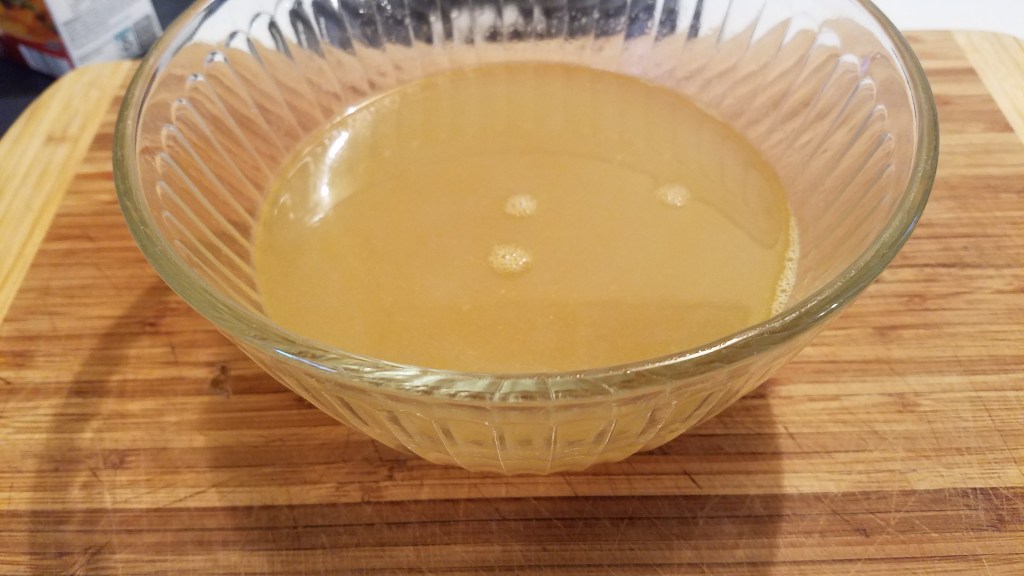
Remove the shells from the shrimp and place in a skillet or pot. Add a teaspoon of seasoning salt. Cover with water and simmer at medium heat for about 15 minutes. Strain the liquid and reserve. Discard the shrimp shells. Heat the liquid in the pan until it reduces by at least half. Reserve the reduction.
Put the chicken in a pot and cover with water. Boil at low heat until cooked (about 40 minutes). Remove the chicken to a platter and cool to room temperature.
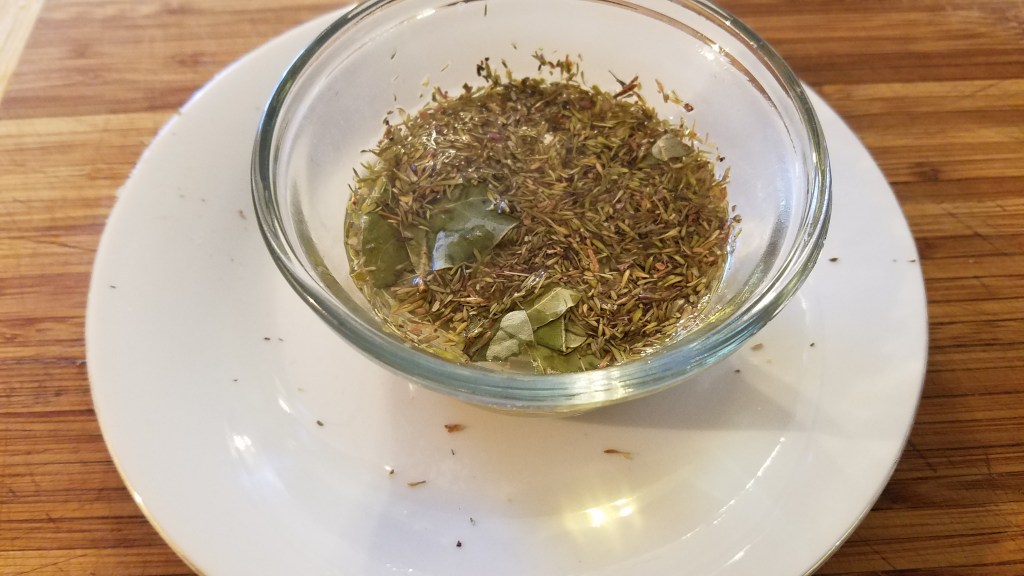
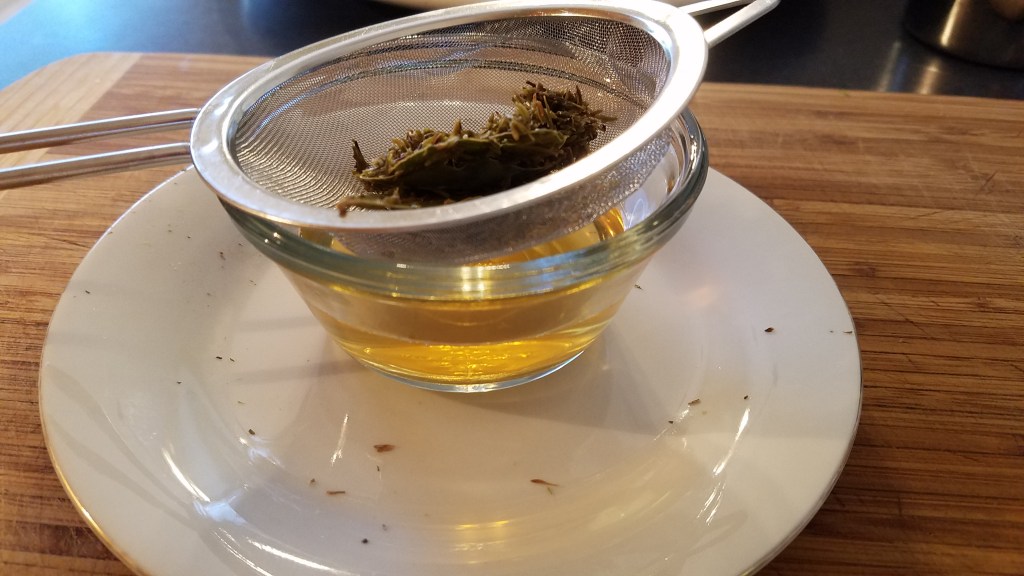
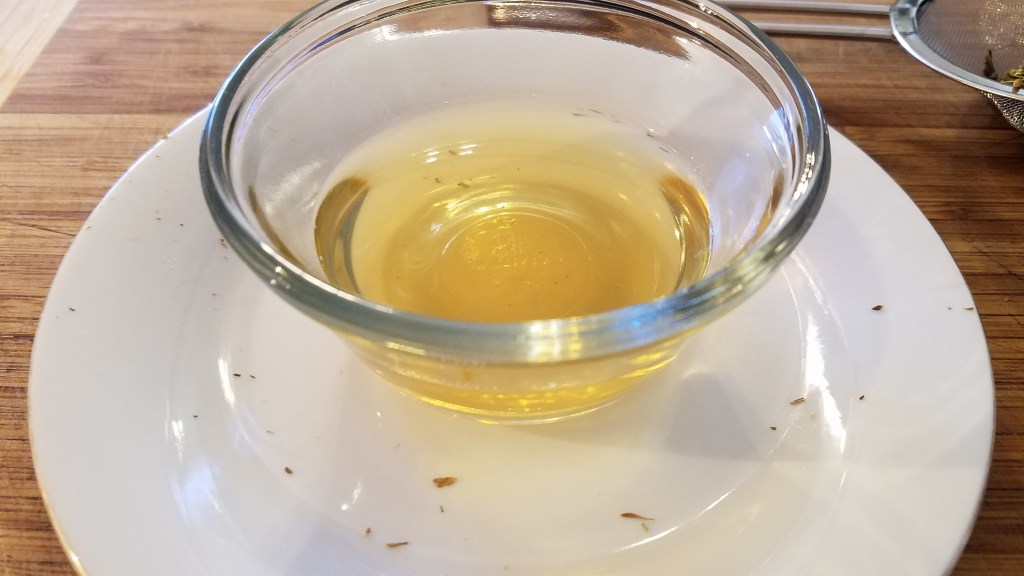
In a small bowl, add the thyme and bay leaves. Cover with water and steam in a microwave for about a minute. Leave the herbs in the water and set aside.
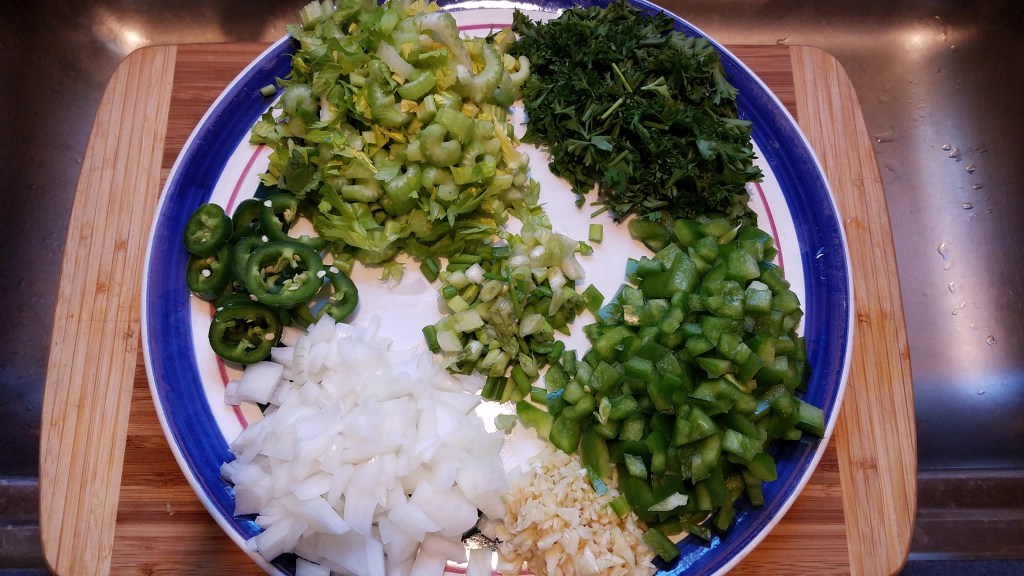
Prep the vegetables and set aside.
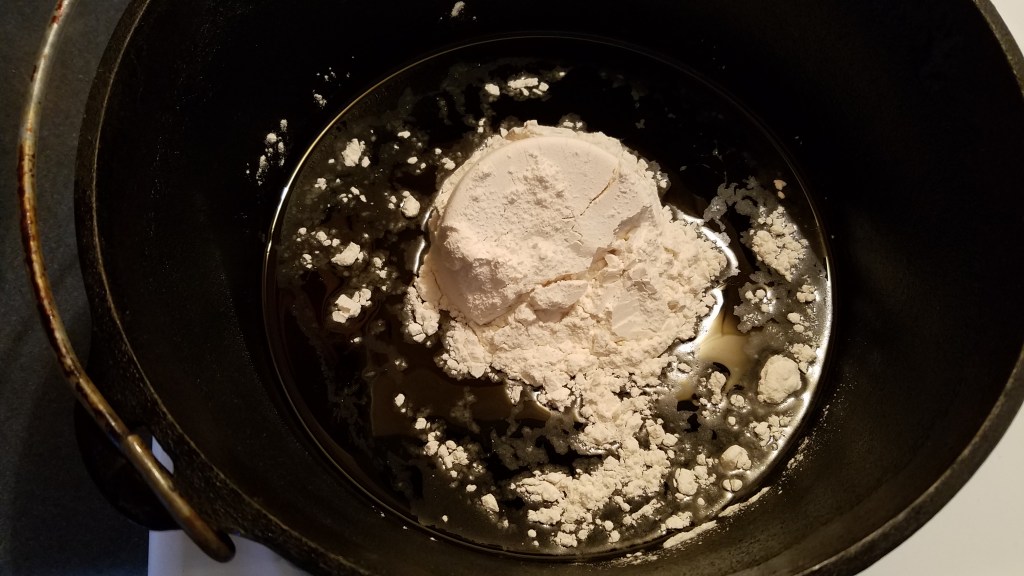
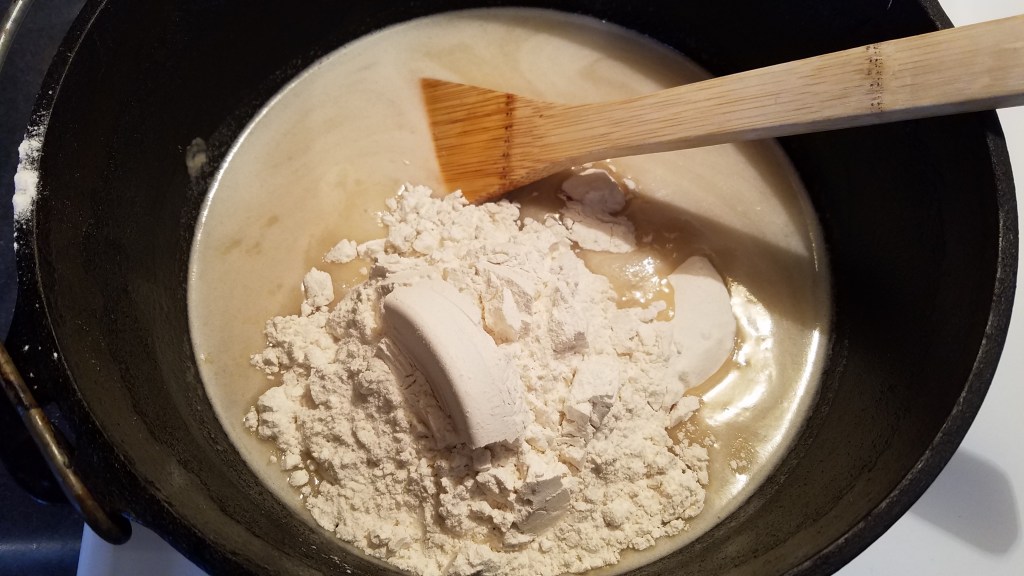
Heat a large Dutch oven over medium heat. (I used a 12” deep Dutch oven). Add 1 cup oil and 1 cup flour and stir to incorporate. Reduce heat to low/medium. Add remaining oil and stir. Add the remaining flour and stir constantly.
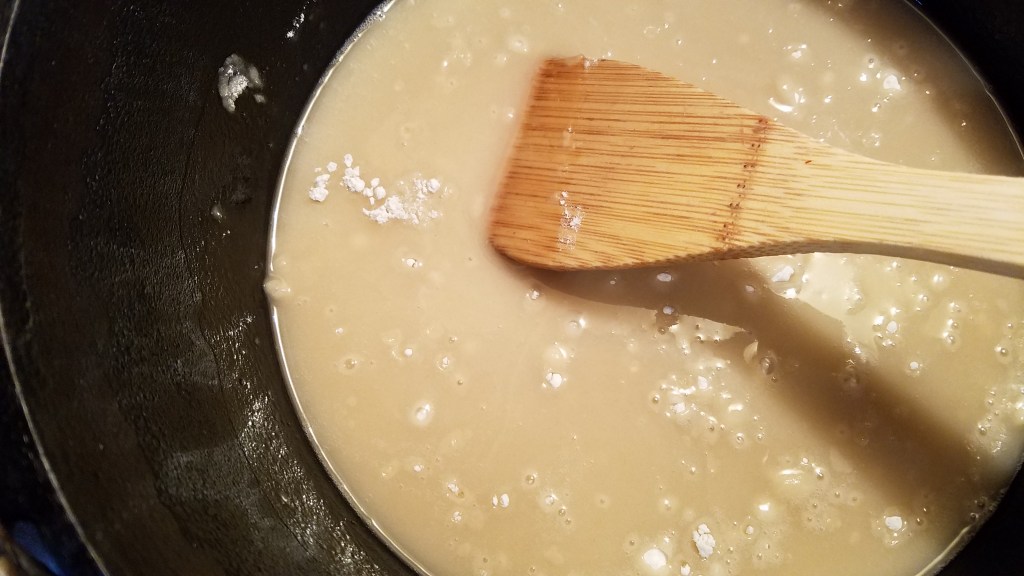
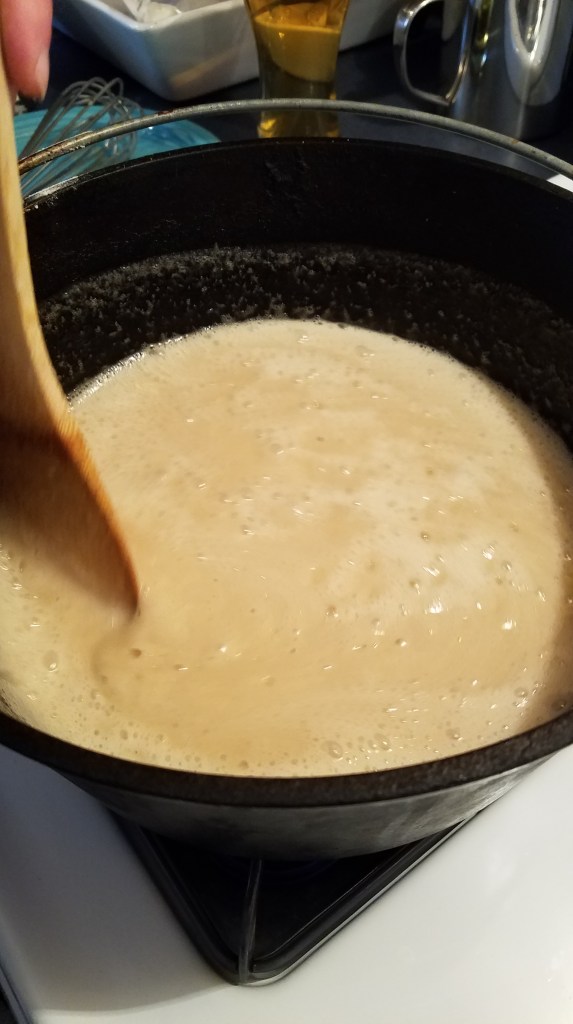
After about 15 minutes the roux will begin to change from pale yellow to blonde. Turn the heat to low and keep stirring.
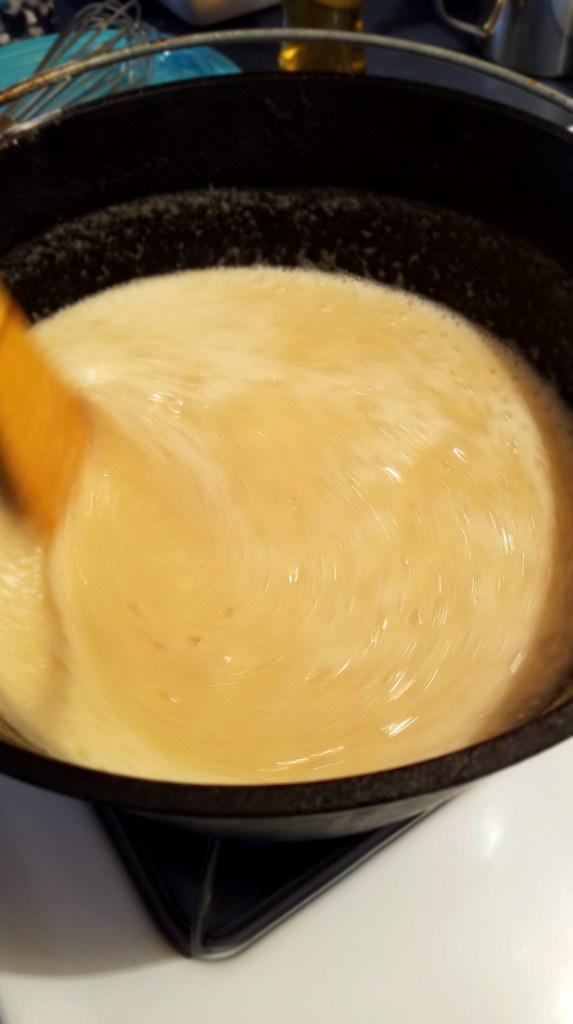
The roux will continue to darken and will become light tan and then dark tan. Once the roux has turned to tan pay extra attention to the aroma and color of the roux as you stir.
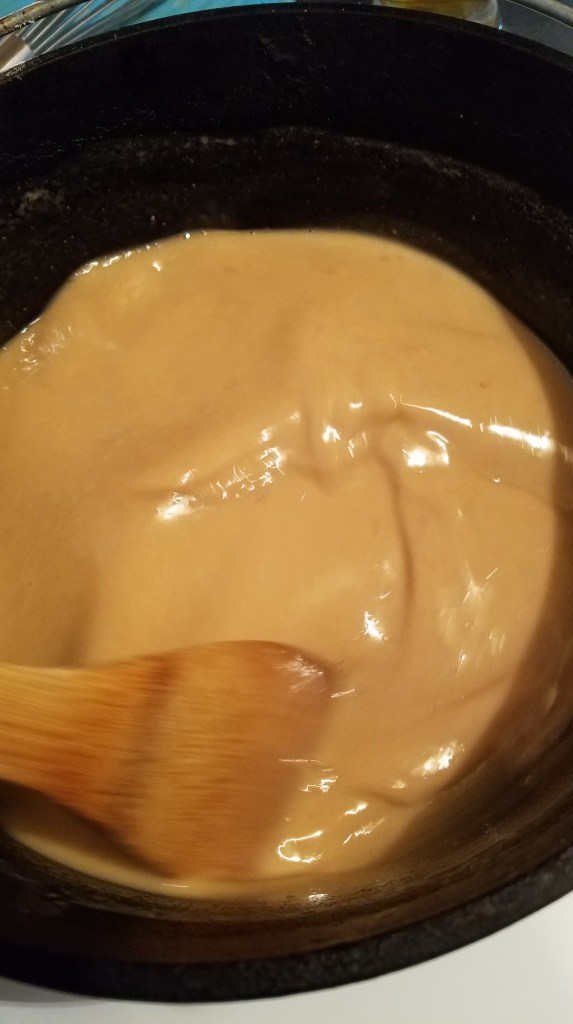
The color of the roux will begin to take on reddish/brown hue soon. This is where I usually turn off the heat but, if you are brave and careful, keep stirring until the roux becomes chocolate brown.
Maybe I should have stopped here…
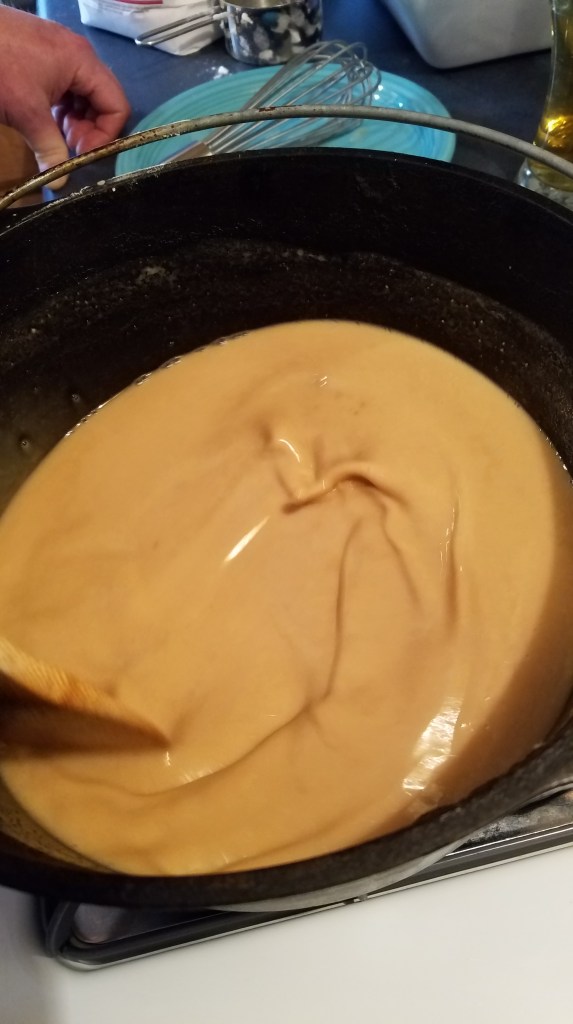
Or here…
But I went to far and burned it!
Once you are finished with the roux, turn off the heat and continue stirring for several more minutes. The roux will remain very hot for at least 30 minutes. Set the roux aside for now.
I stopped just short of mahogany on my second roux…yes, I chickened out!
And now, the easy part!
In a very, very large Dutch oven, (I used a 14” deep Dutch oven), add the chopped onion. Sauté until the onion begins to turn brown.
Add the bell pepper, celery and jalapeño. Stir for a minute and add the garlic. Stir for a few minutes and then remove everything to a bowl.
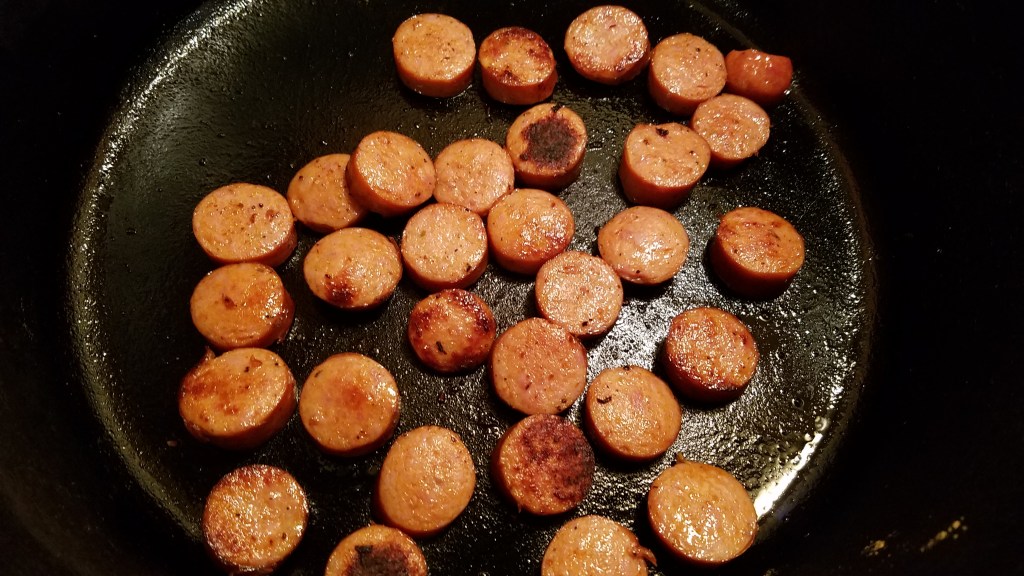
Add the sliced Andouille to the pot. Stir over medium/high heat to brown the Andouille. Remove the Andouille and set aside.
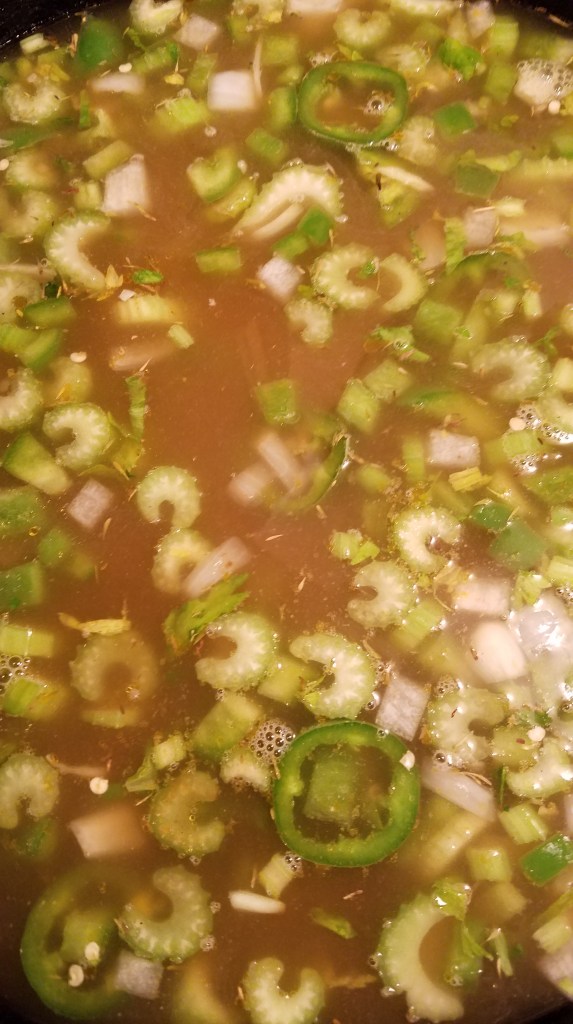
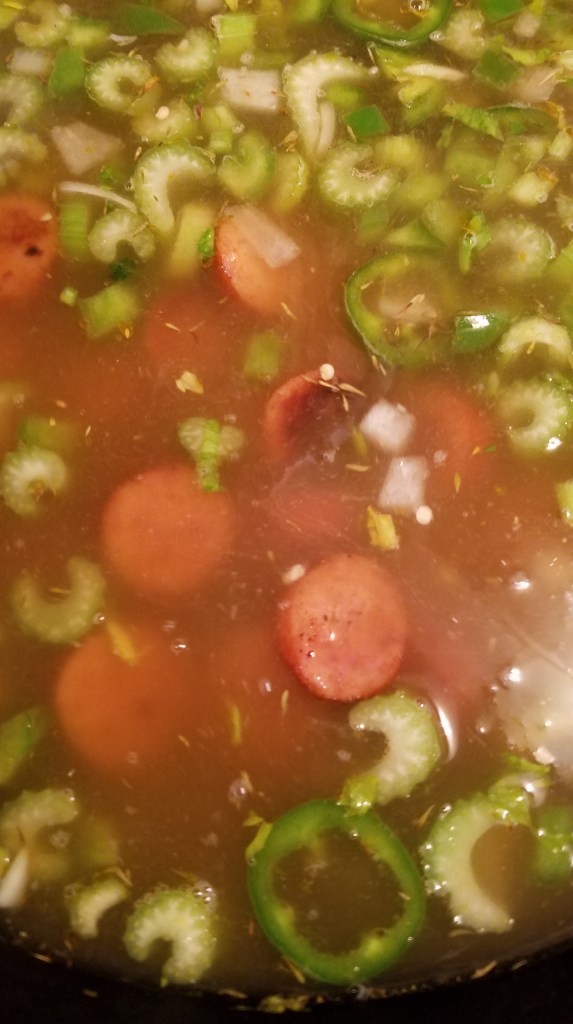
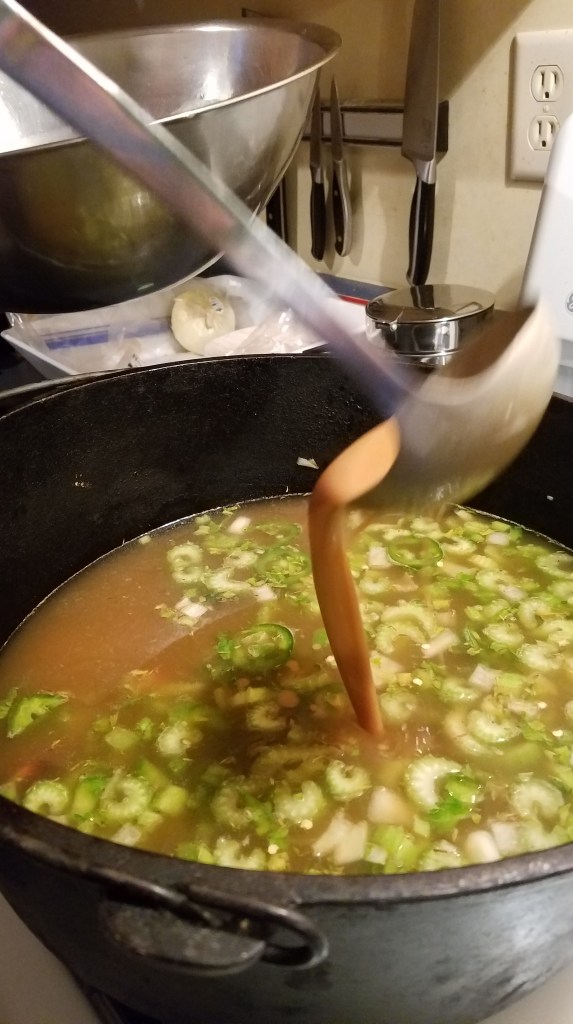
Add the chicken stock and vegetable stock to the pot and cook over high heat for 2 minutes. Return the onions and Andouille to the pot. Add the water from the steamed thyme and bay leaves. Discard the bay leaves and add the thyme to the pot. Turn the heat down to medium.
Add the vegetables
Add the Andouille
Strain the thyme and bay leaves
Liquid from thyme and bay leaves
Add about half of the roux to the pot and stir, to mix.
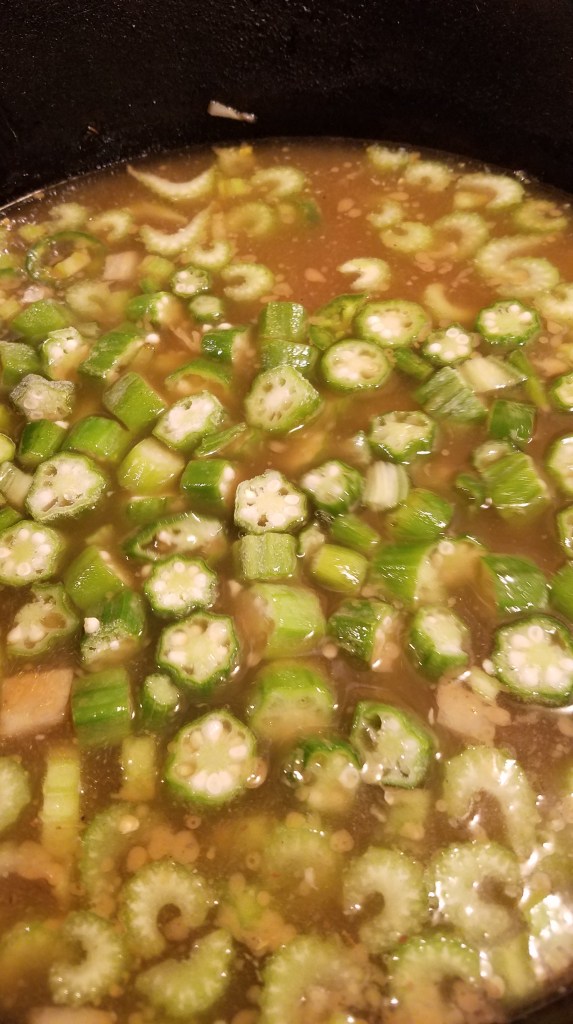
Add the okra and stir.
Add the rest of the roux and stir. The roux will thicken quickly. If it is too thick, as mine was, add some water. I added 3 cups of water. Continue stirring.
Add the crawfish meat. Stir briefly and turn the heat to low/medium.
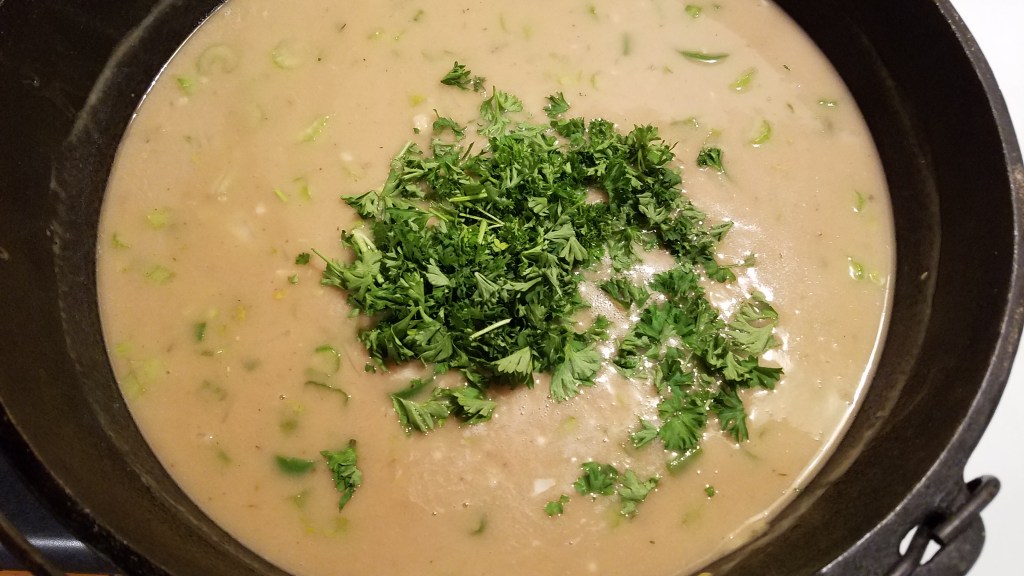
Add the parsley and stir.
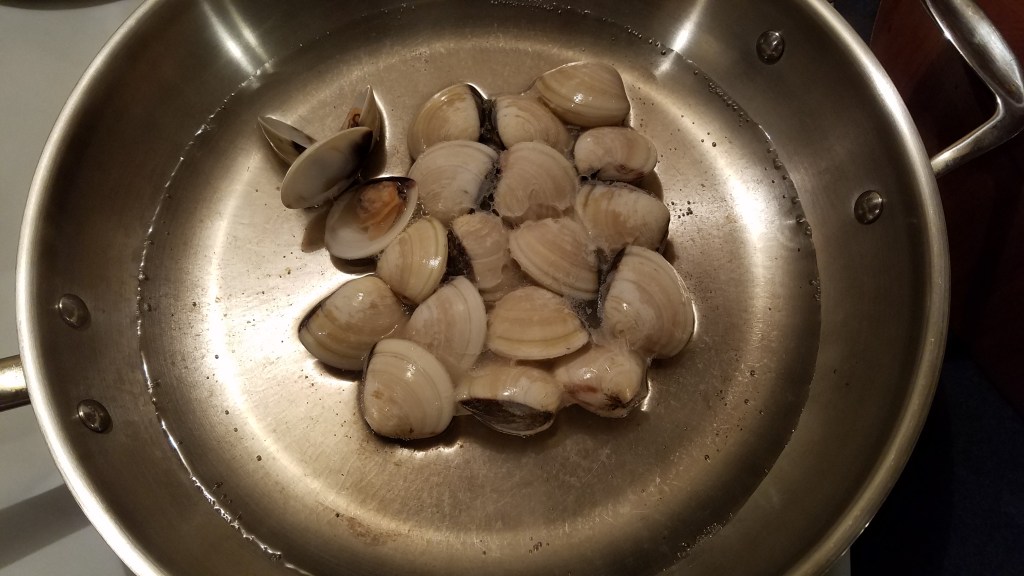
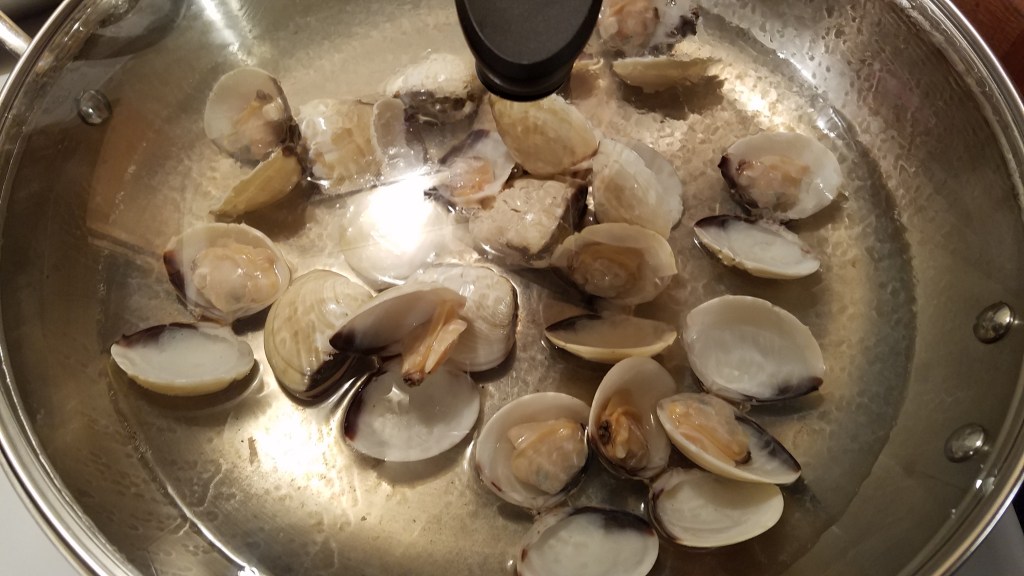
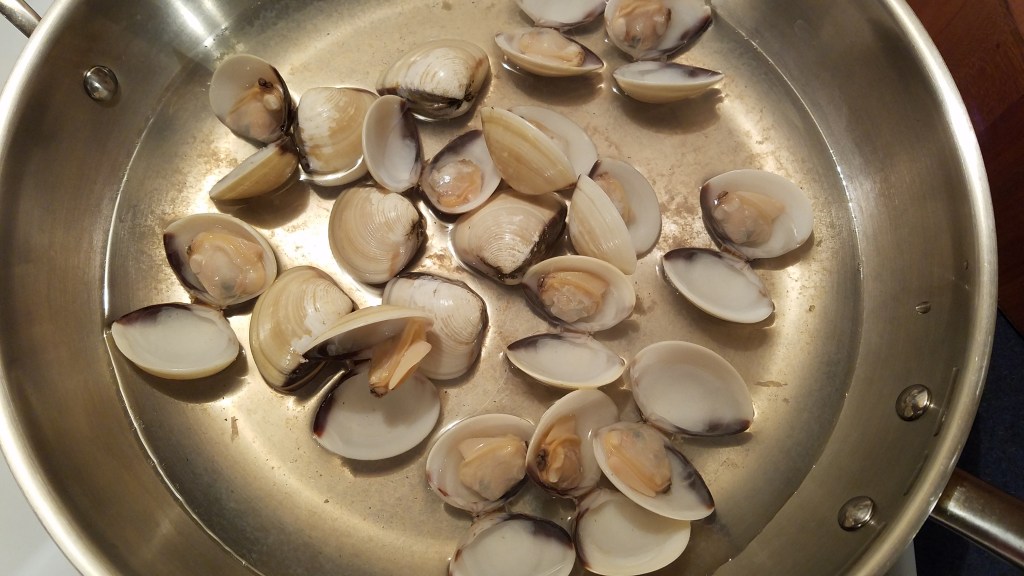
In a large skillet, add two cups of water. Set the heat to high and cover. When the water reaches a hard boil, add the white clams, turn off the heat and cover. The clams will snap open quickly. Steam the clams for about a minute and remove to a bowl. If some of the clams have not opened, bring the water back to boil and add the unopened clams. If they pop open, hooray! If they don’t open, they are doomed and will need to join the burned roux, in the trash can. (All of my clams opened – Yippee!)
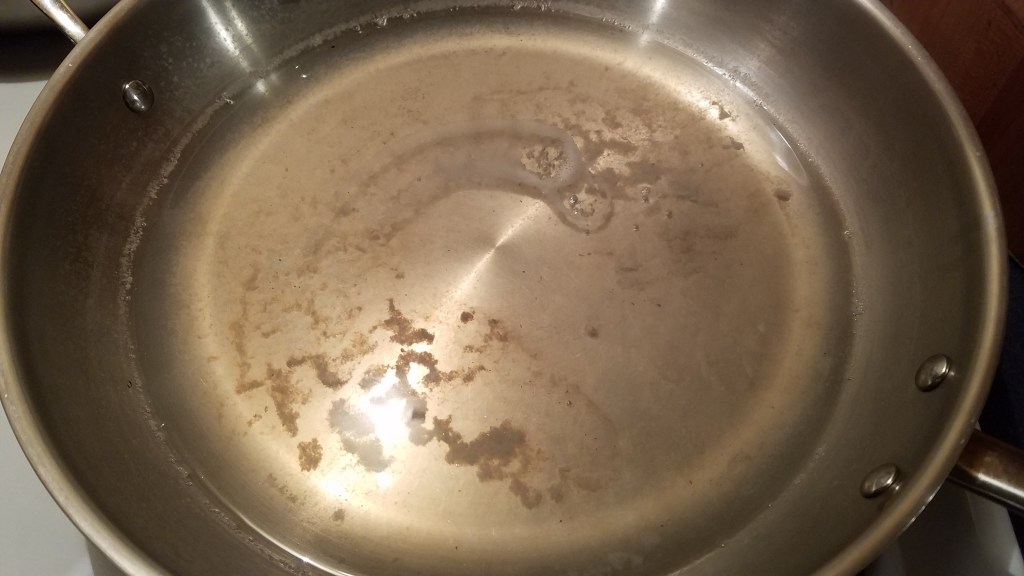
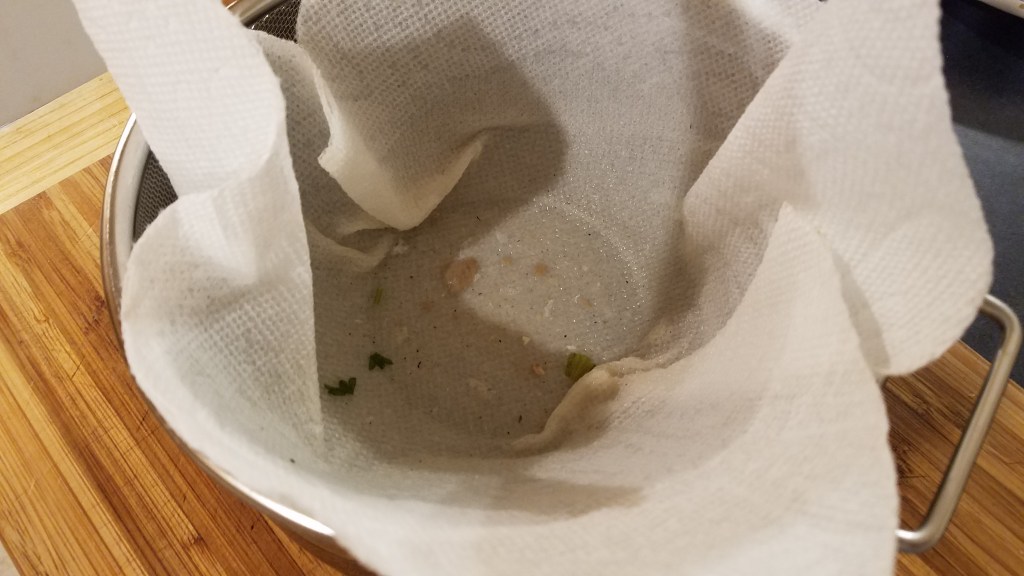
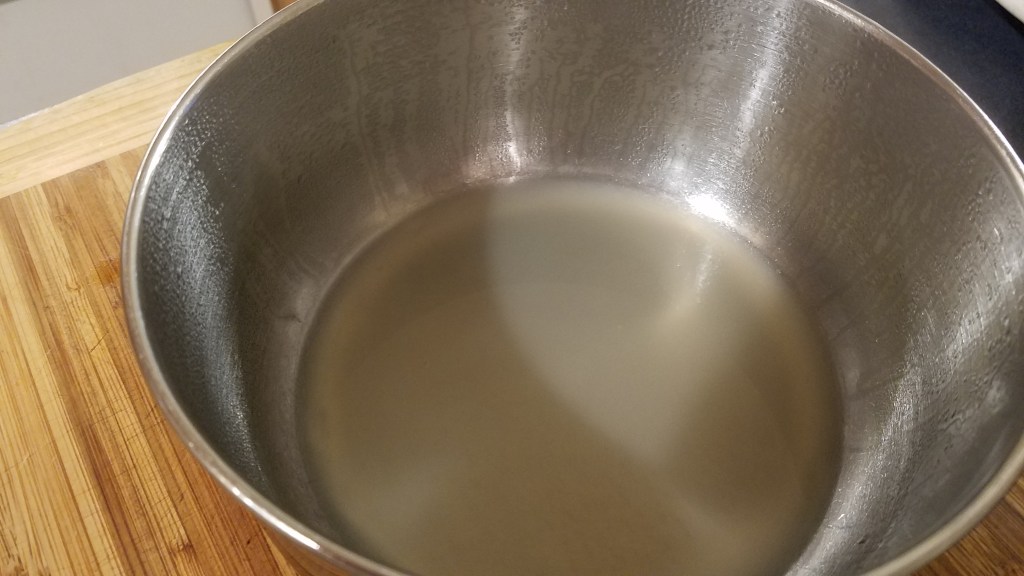
Reduce the steaming liquid from the clams to about one third. You should wind up with a milky white reduction. Strain the liquid through a paper towel and sieve to remove any sandy grit. Add the reduction to the gumbo pot.
Pull the clams from the shells and add the clams to the gumbo. Discard the shells.
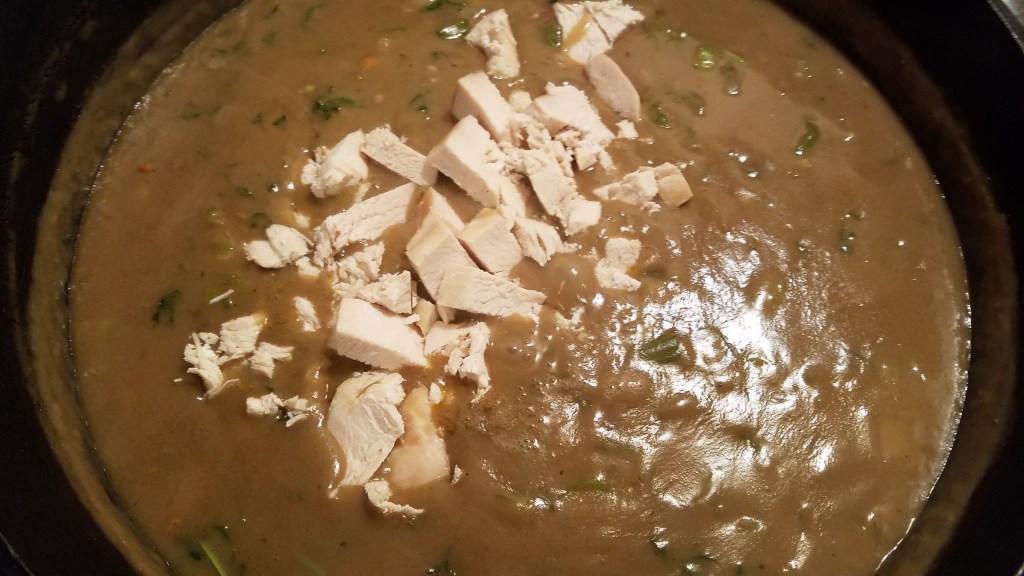
Add the chicken to the gumbo and stir.
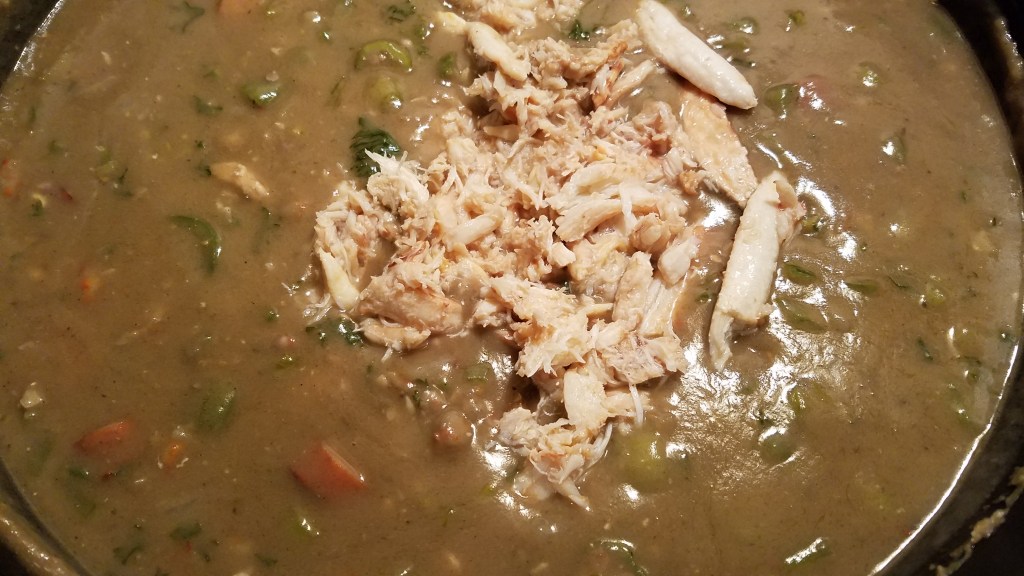
Add the crab and stir.
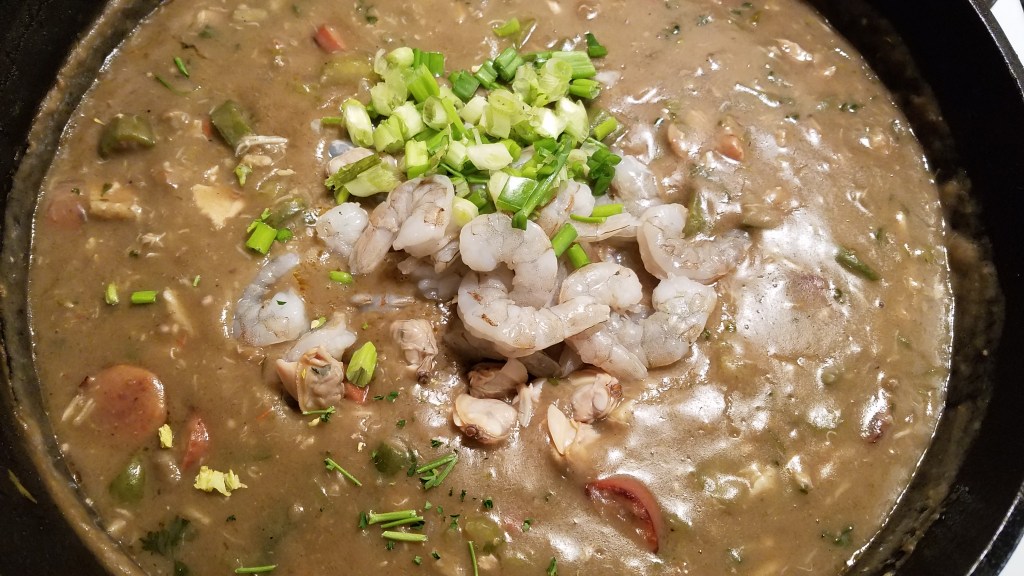
Add the shrimp and green onions to the gumbo and stir. The shrimp will cook within a couple of minutes.
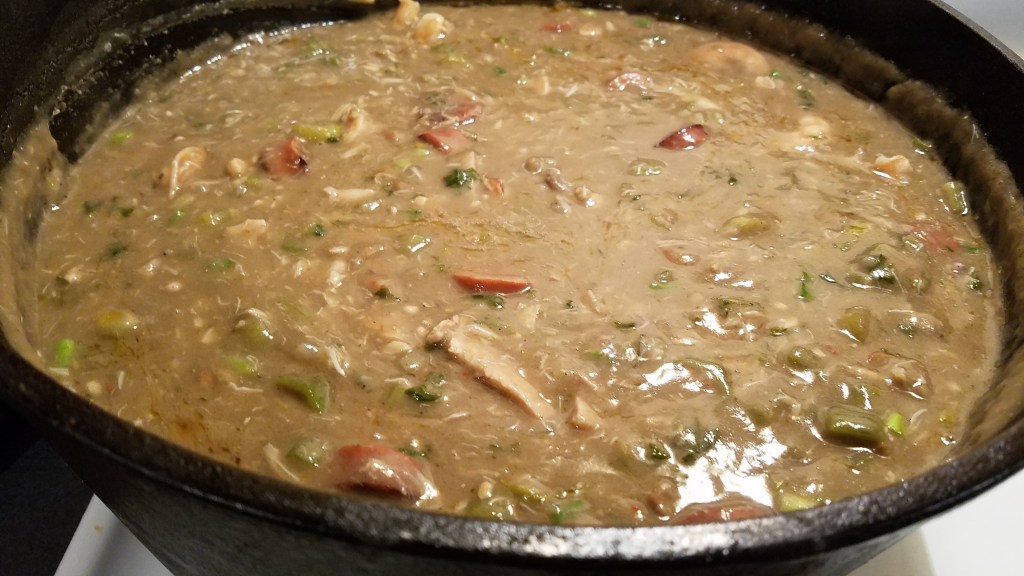
Give the gumbo a good final stir.
Serve in bowls, over warm white rice.
So, other than a few 2nd degree burns and a failed roux, everything went according to plan!
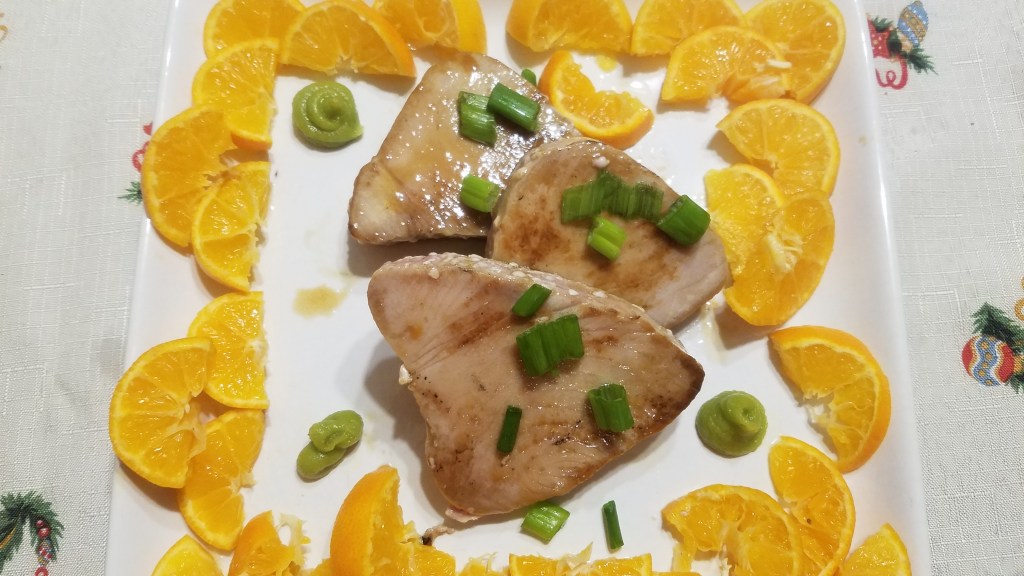
Tuna is best served rare or medium rare because overcooked tuna become flaky and dry. If you want canned tuna, buy a can of tuna. If you want tasty tuna, sear it.
Ingredients:
For the sauce:
2 Tbs soy sauce
1 tsp rice wine vinegar
¼ tsp Maggi Sesoning
Juice of ½ lemon
3 frozen tuna steaks (1” thick, 5 ounces each)
1 Tbs olive oil
1 green onion
2 tsp wasabi paste
5 small oranges (mini Mandarin)
Directions:
Thaw the tuna in the refrigerator overnight.
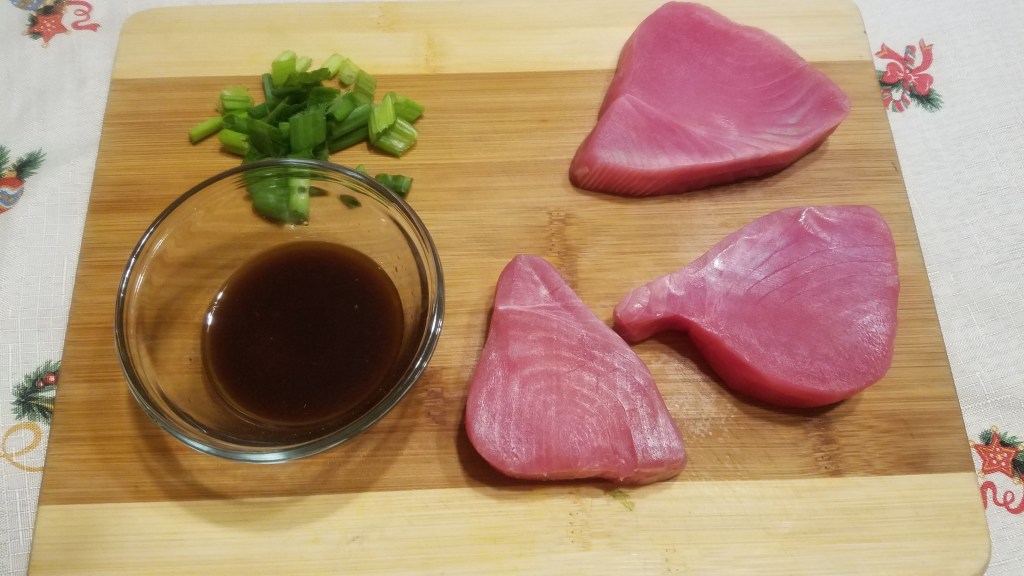
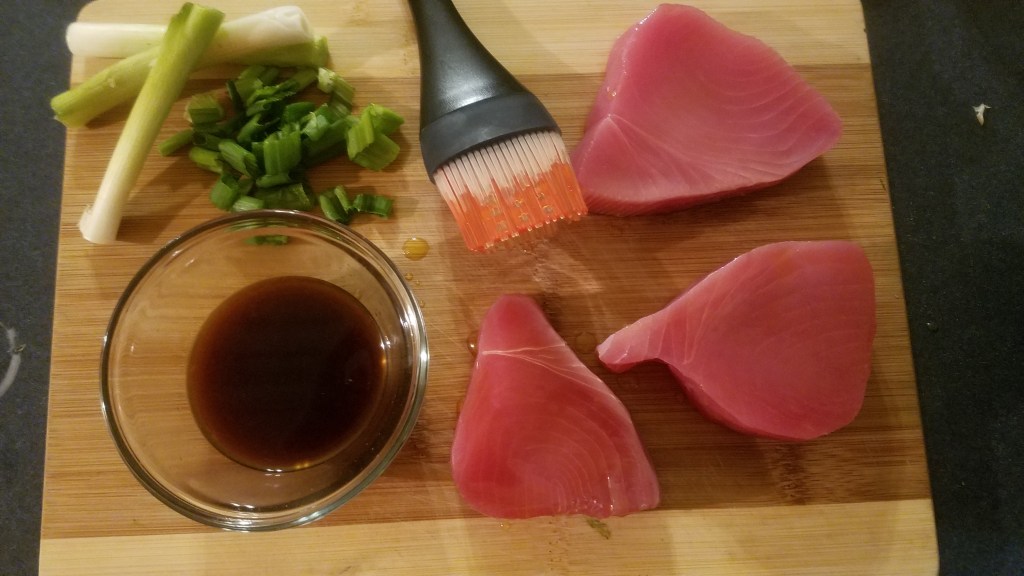
Mix the ingredients for the sauce in a small bowl. Set aside.
Slice the oranges and cut the the slices in half. Arrange the oranges on a serving platter place some small dollops of wasabi paste in the corners of the platter. Set the platter aside.
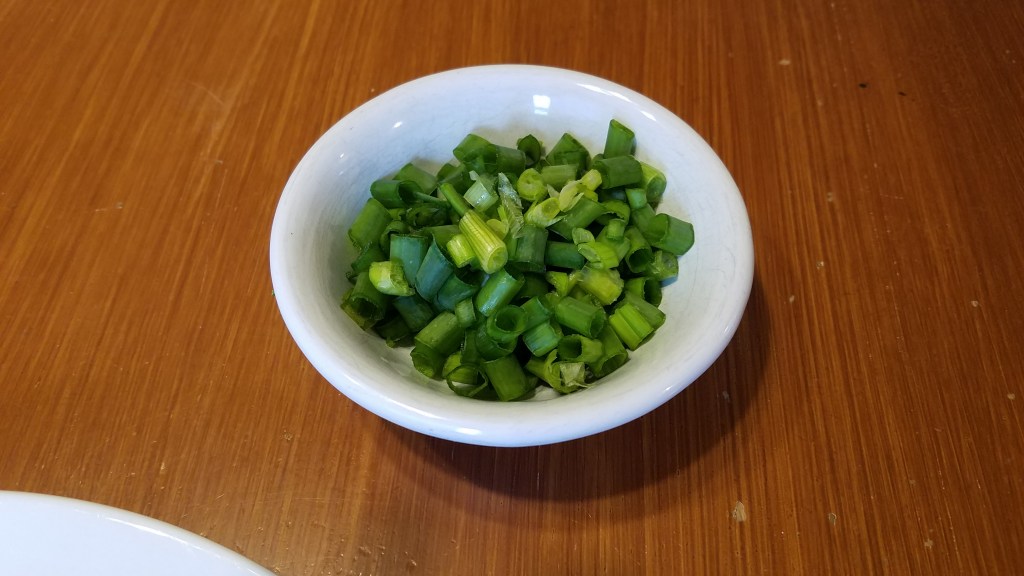
Chop the green onions and set aside.
Heat a large stainless steel skillet on the stove at very high heat
Brush the tuna with olive oil.
Gently lay the tuna onto the very hot skillet. Brush the other side of the tuna steaks with olive oil.
Turn the tuna over after 60 seconds. Sear for another 45 seconds.
The internal temperature of the tuna should reach about 120° after searing. The tuna should be white on the outside after searing and bright red in the center.
Top with green onions and serve with stir-fried rice and steamed vegetables.























 Toothpick Tales