Dress your burger in style!
This is a fun and easy way to add variety to a meal and a good way to spice up ho-hum potatoes. You don’t have to serve this with a curry dish but it certainly goes well with one. This could be served with baked chicken and vegetables or anything else you desire.
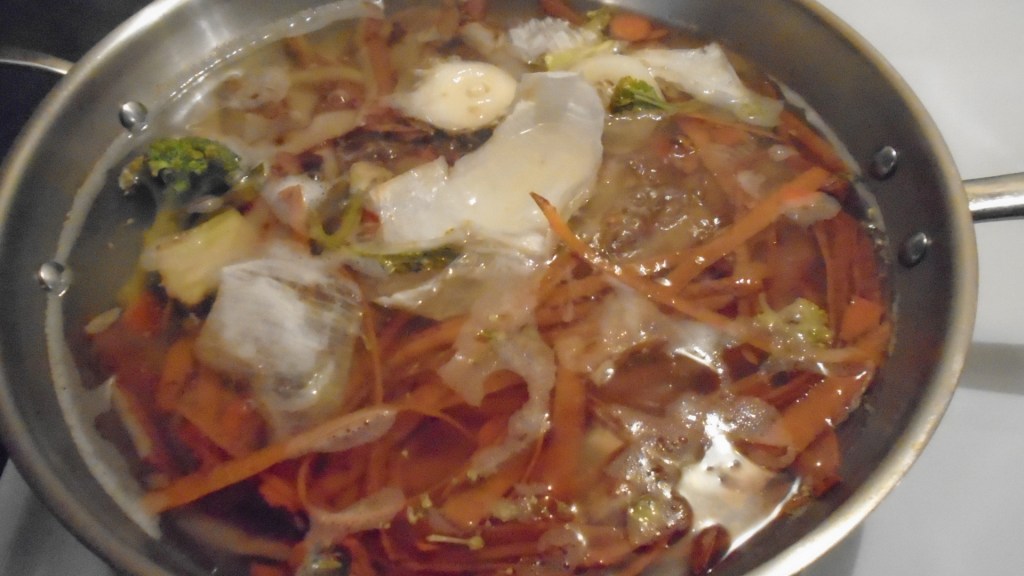
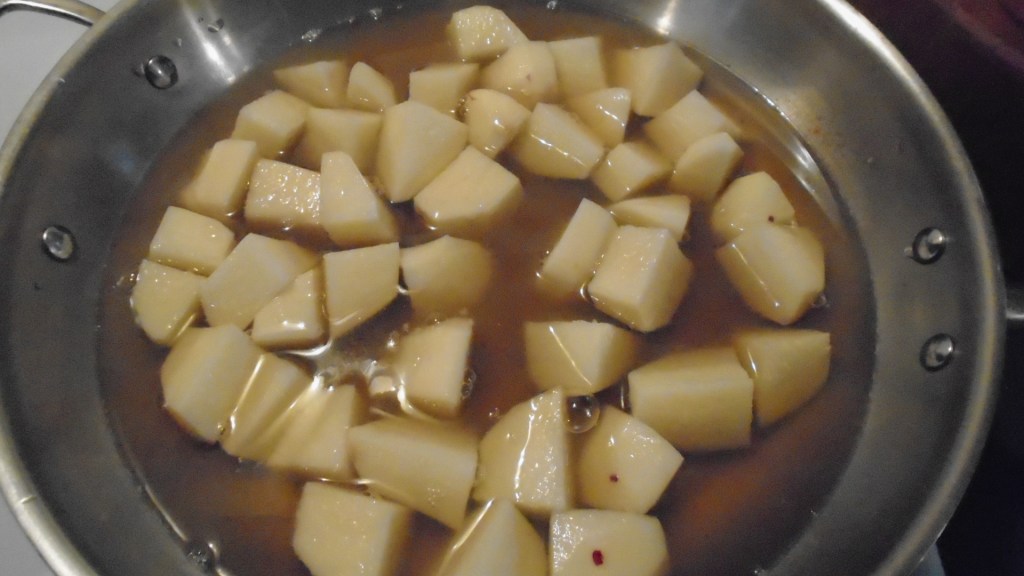
I had just finished making a vegetable stock from vegetable scraps and I boiled the potatoes in the stock, instead of boiling them in water. Regular water would have worked just fine, but the broth seemed right for the dish.


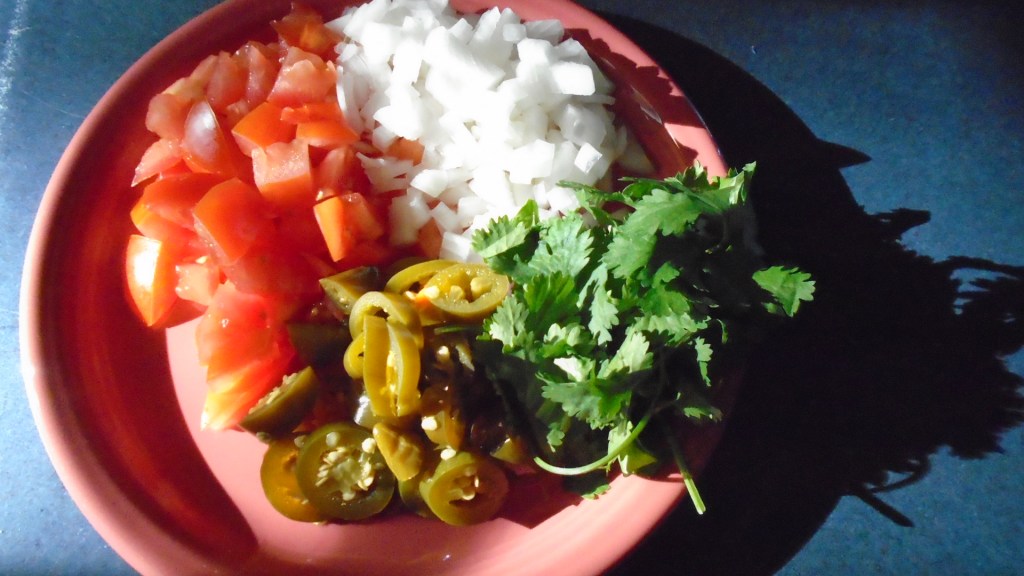
Ingredients:
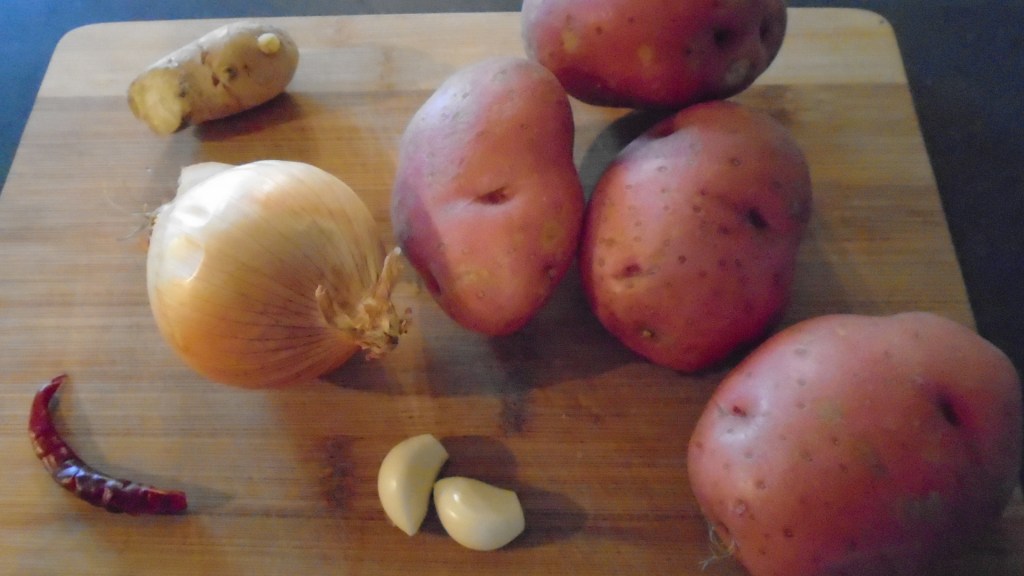
3 large red potatoes, washed, peeled and diced into ½ inch cubes
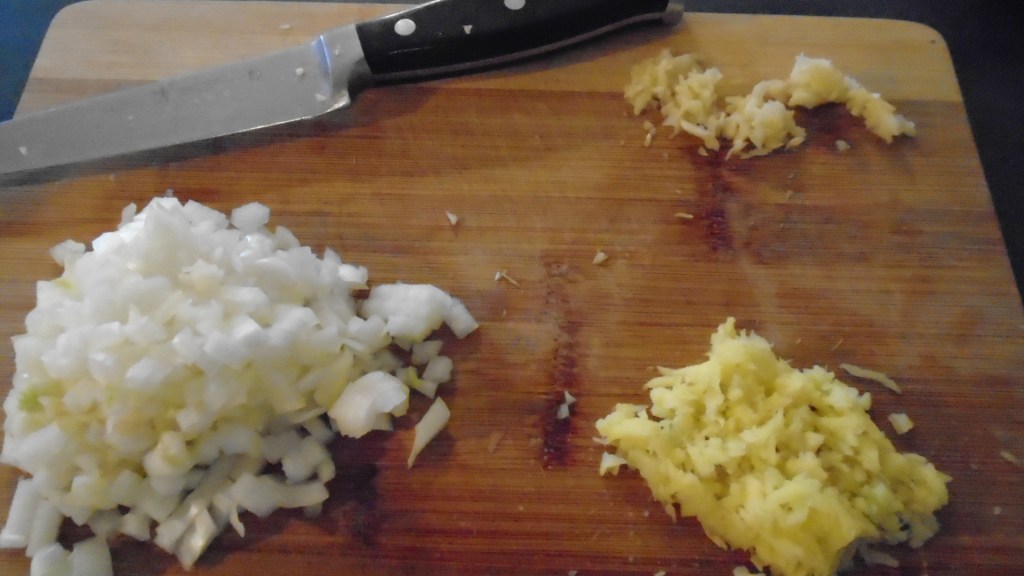
1 medium onion, finely chopped
2 cloves garlic, mashed and minced
1 tsp fresh ginger, minced
Salt, to taste
½ tsp turmeric
1 tsp Garam Masala
1 tsp cumin
1 Tbs lemon juice
1 dry chile de arbol
2 Tbs cooking oil
Cilantro, for garnish

Directions:
Boil the potatoes for about 15 minutes, or until the potatoes are nearly cooked. Strain potatoes and rinse under cold water. Set aside.
Heat oil in a wok and add the chile de arbol.

Remove the chile de arbol after 30 seconds. Add chopped onions and fry for 2 to 3 minutes on medium heat.

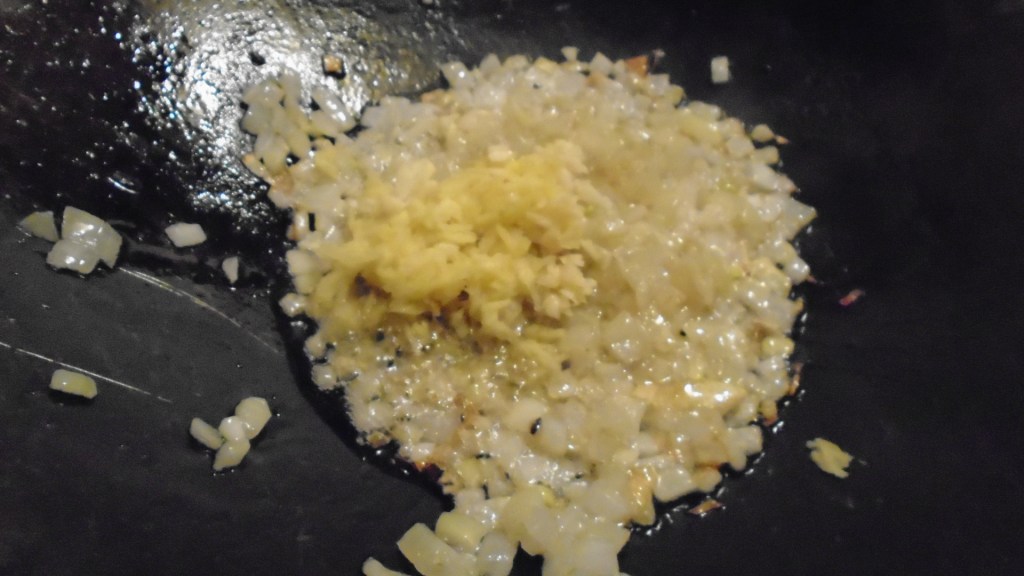
Add ginger and garlic and fry for 2 minutes until the onions are lightly browned.
Add the spices, along with salt to taste.
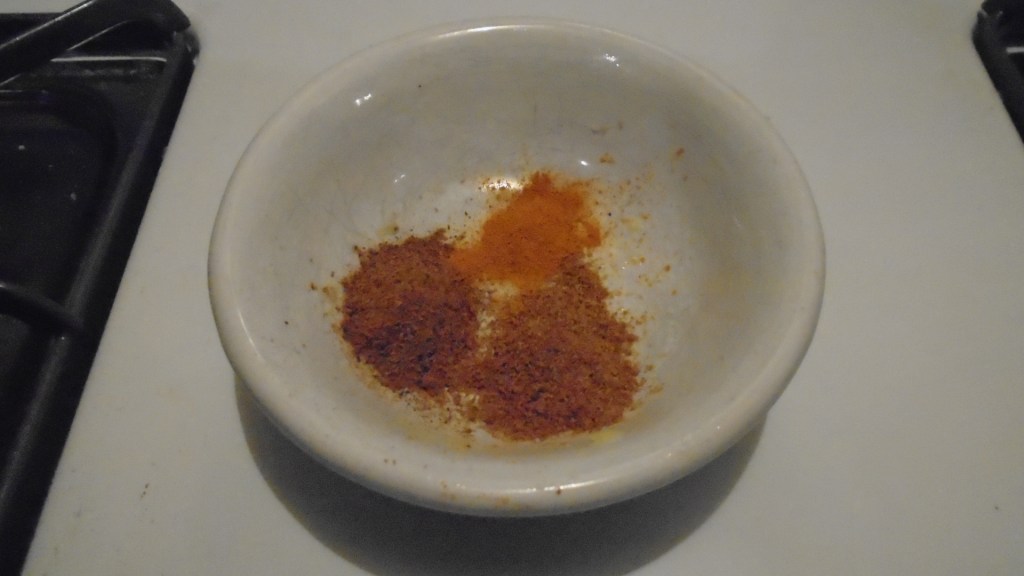
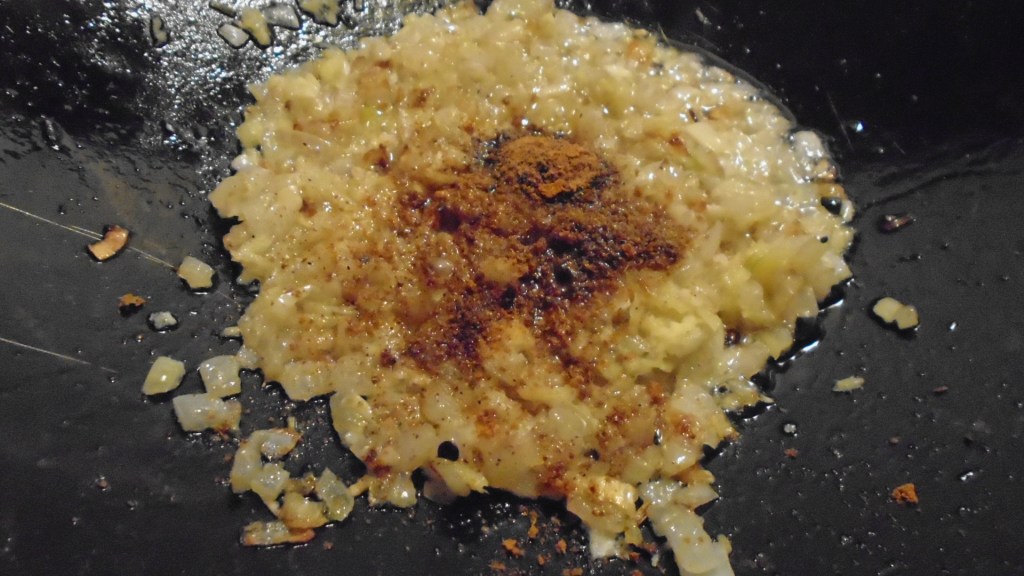
Add diced potatoes and stir for a minute or two.
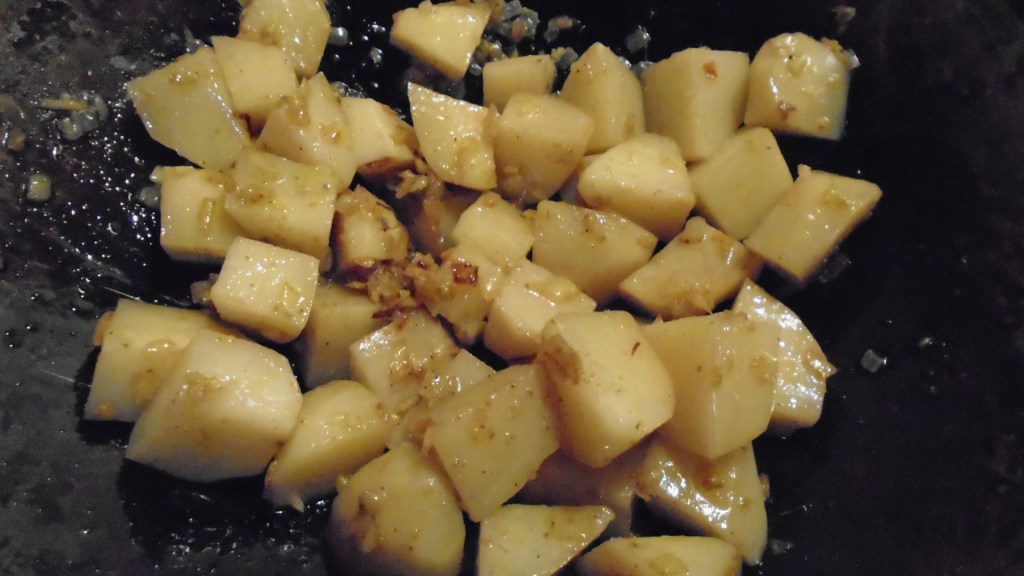
Sprinkle some water over the potatoes and cover the wok and cook for 5-8 minutes. Stir occasionally to prevent the potatoes from sticking to the wok.
Sprinkle a little more water if needed and cook for another 3-5 minutes until the potatoes are thoroughly cooked.


Turn off the heat and add lemon juice. Add chopped cilantro and serve.


Well, our first major holiday during the pandemic is nearly over and I hope everyone is safe and well. I thought that maybe this was our second holiday, considering the pandemic was on the rise during Valentine’s Day but, I believe we were still in “discovery mode” during that time. The virus was mostly abroad and we only had a few cases reported in the United States. It’s amazing how quickly our perception changed.
Churches are not having services, which is very odd, especially during a religious holiday. Many families are separated from each other and there are unfilled seats at our dinner tables. I’m thankful for our phones and the internet because we still have the ability to reach out to those we love.
But, enough of all that. This is a food blog. Let’s dig in.
I am fortunate that my daughter was available to help make this dish. She’s a mac and cheese aficionado and I was thrilled to have her on my team!
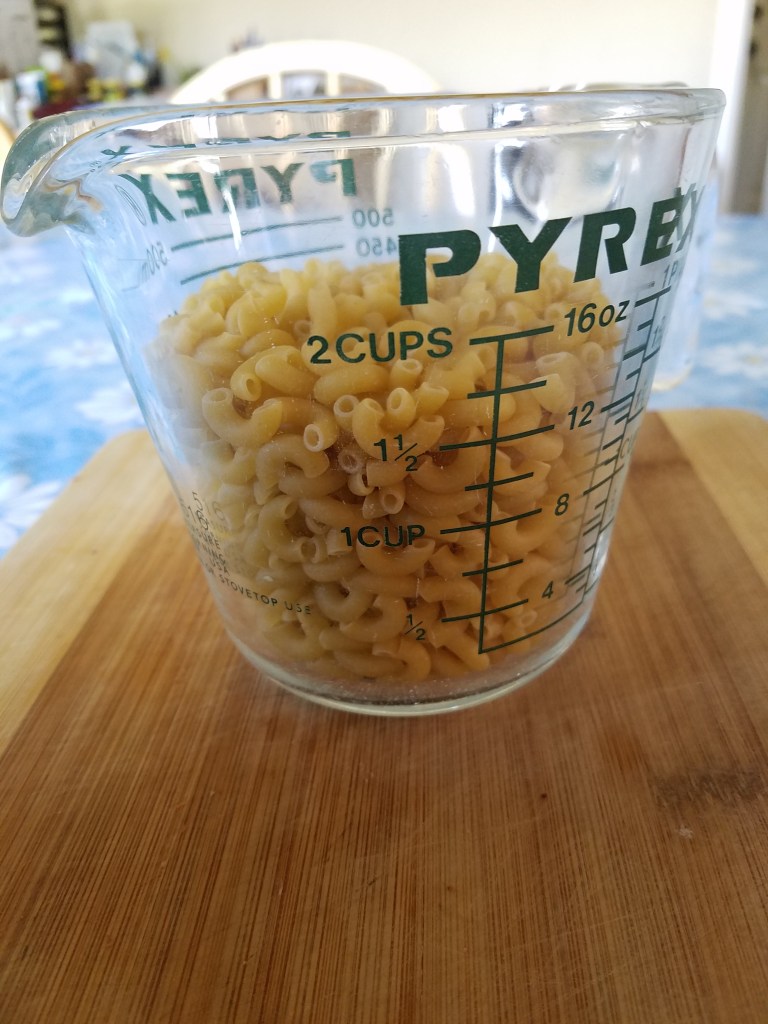
This is a variation of the recipe I posted several months ago. If you want to see the original post, click here. The original recipe calls for 2 cups of dry macaroni noodles and I only had 1 ¾ cups this time, so I scaled some of the other ingredients down accordingly and made a few substations.
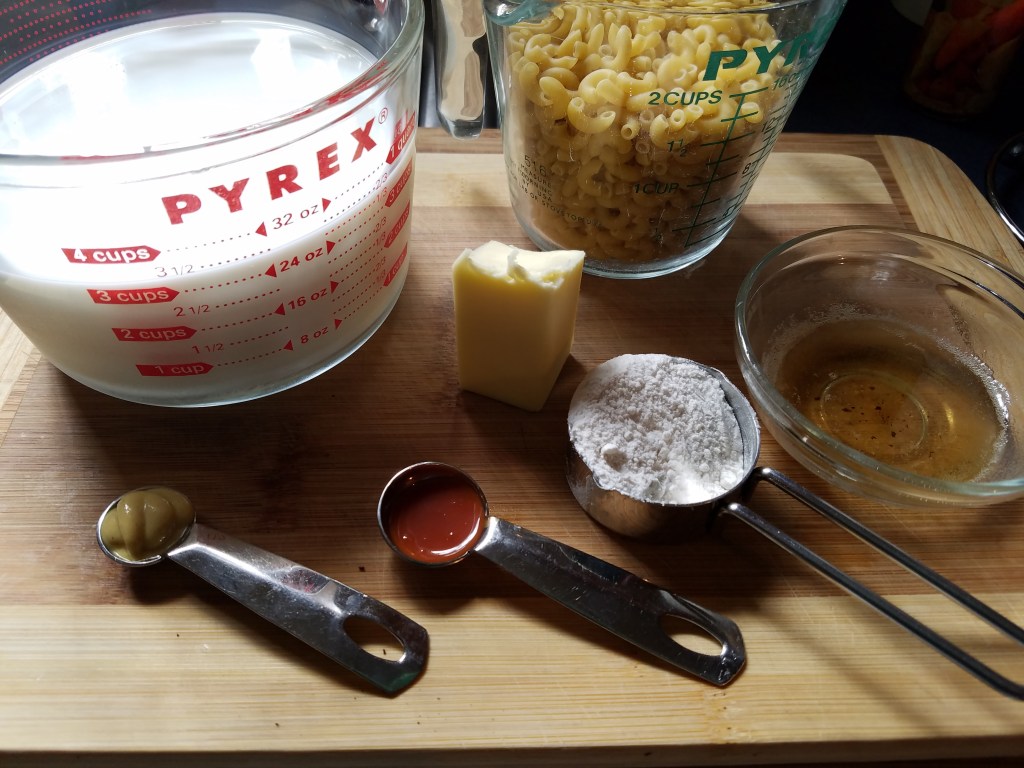
Ingredients:
3 strips thinly sliced bacon
Freshly ground black pepper, to taste
1 ¾ cups elbow macaroni
¼ cup butter
2 tsp bacon fat
¼ cup flour
3 ½ cups whole milk
½ tsp Dijon mustard
1 tsp Tabasco sauce
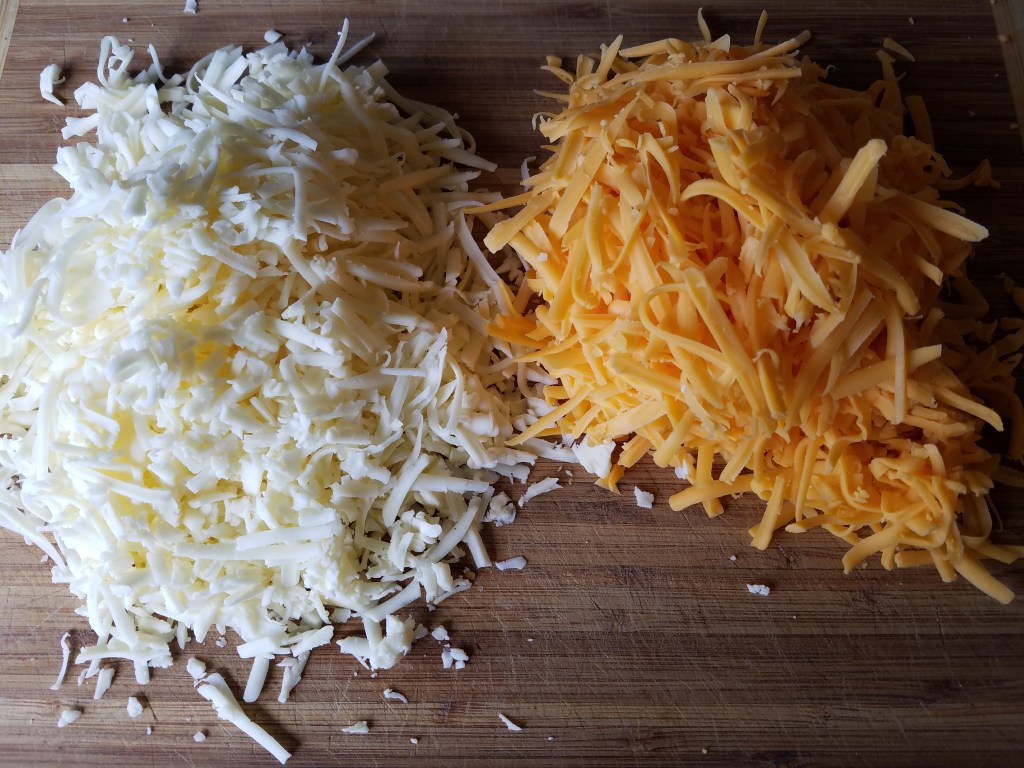
8 oz sharp cheddar cheese, grated
8 oz queso Chihuahua (white Mexican cheese), grated
Directions:
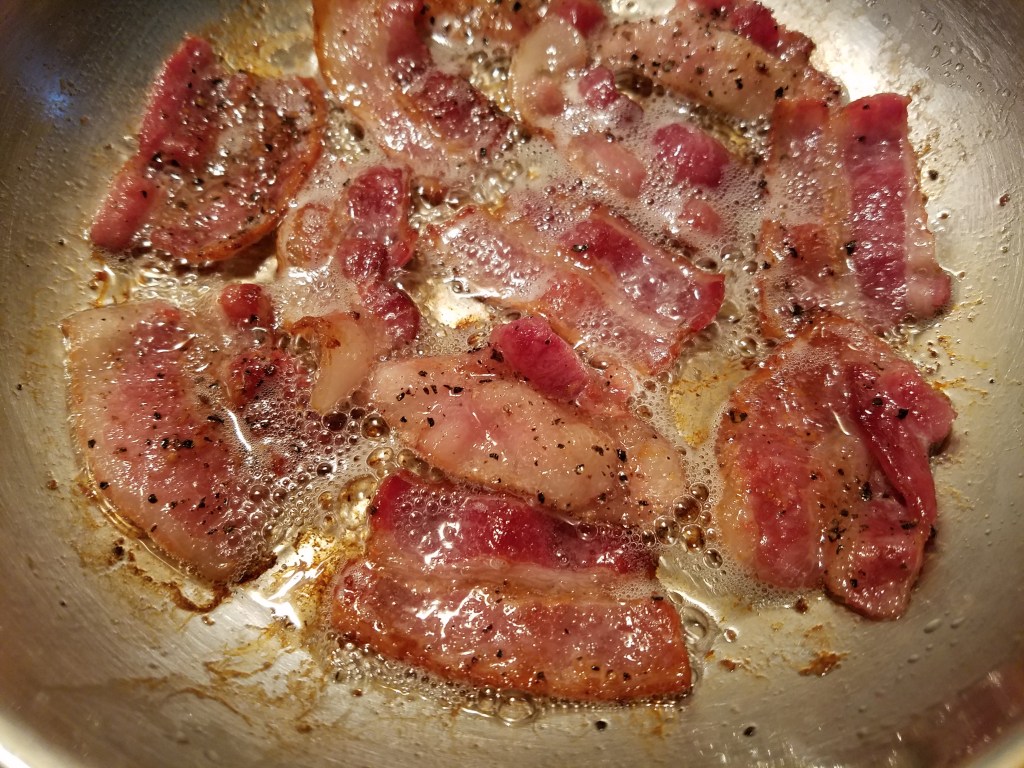
Cut the 3 slices of raw bacon into 2” pieces with a sharp knife. Add the bacon pieces to a small frying pan. Crowding the pan is recommended because the bacon needs to be cooked at the lowest heat setting and the resulting bacon fat will help regulate the temperature. Frying the bacon at low heat will help ensure that the bacon and the bacon fat does not burn.

Add freshly ground black pepper to the bacon. I probably used between ¼ and ½ teaspoons. The pepper will flavor the bacon and the fat that it produces.

Remove the bacon once it has become firm. Set aside. Reserve the fat for later.

Boil the elbow macaroni in a large pot of water.
While the macaroni boils, heat the milk in a microwave oven for about a minute or two. The goal is to warm the milk to about 120°, or just a little hotter than bath water. Set the milk aside.
Strain the macaroni after it has become soft. Leave the macaroni in a colander and reserve at least 1/3 cup of the starchy water.
In the same large pot, now empty, add the butter and bacon fat. Set the heat to low and simmer for a minute.

Add the flour and whisk, to form a roux.

Slowly add warm milk, while whisking. Turn the heat to medium high and keep whisking for a few minutes while the sauce thickens.
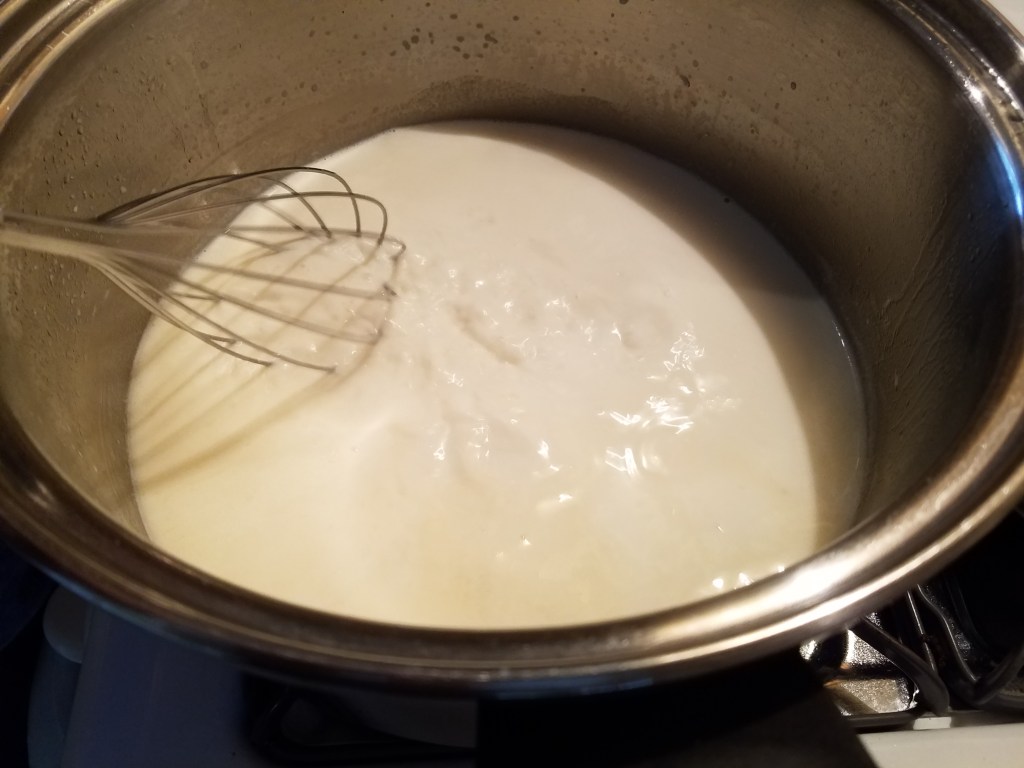
Add the Tabasco sauce and mustard. Whisk to incorporate. Once the sauce has thickened, turn the heat to low.
Slowly add the grated cheese. Stir slowly, with a spatula, as the cheese is added.

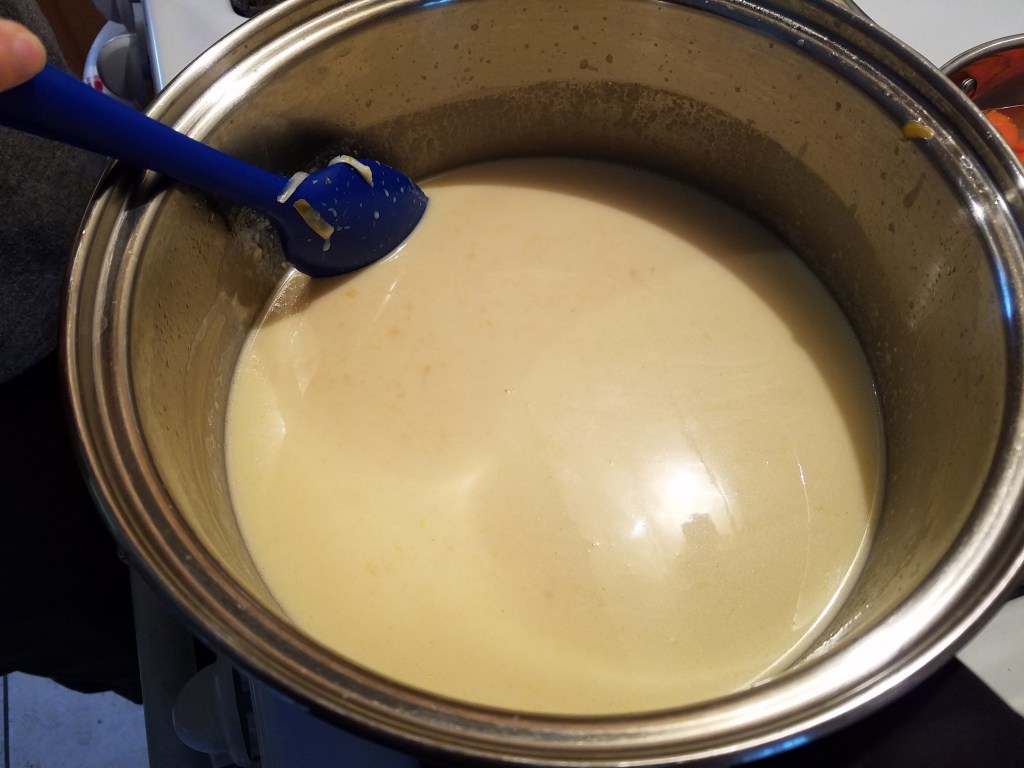
When the cheese has melted, add the macaroni and fold, to coat the macaroni.
Pour the mac and cheese in an oven-proof backing dish and bake at 350° for 15 to 20 minutes, or until it starts to bubble.
Remove from the oven and top with crumbled bacon.
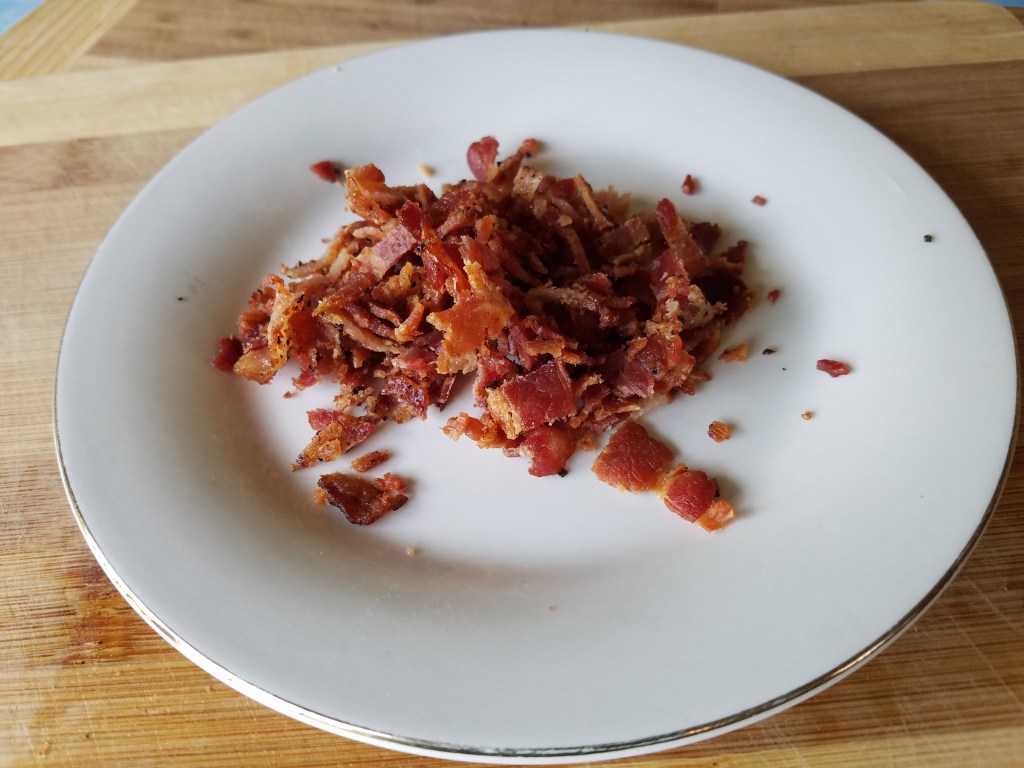

Serve with love!
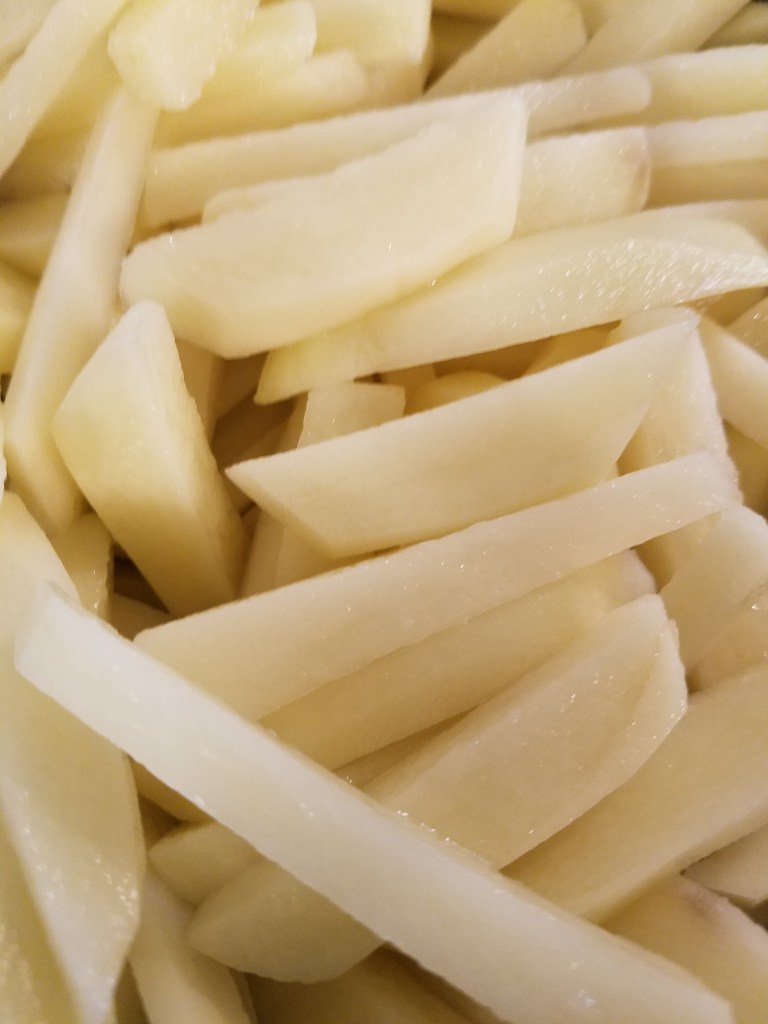
I’ve been experimenting with new methods for making French fries.
This recipe makes French fries for two or three people.
Ingredients:
3 medium russet potatoes
Oil for cooking
Directions:
Peel the potatoes and soak them in water for a few minutes.
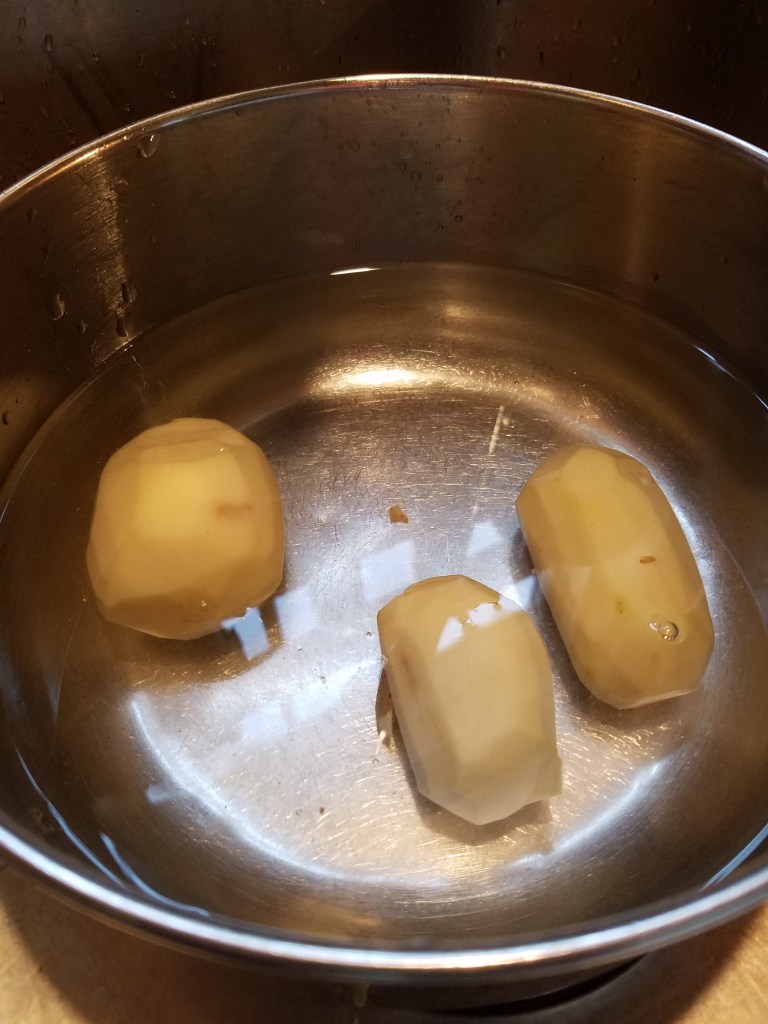
While the potatoes soak, add some oil to a skillet and bring it up to medium heat.
Slice the potatoes into 1/4 or 1/2 inch sticks.
Soak the potatoes in clean, cold water for 5 minutes. The water should become murky from the starch in the potatoes.
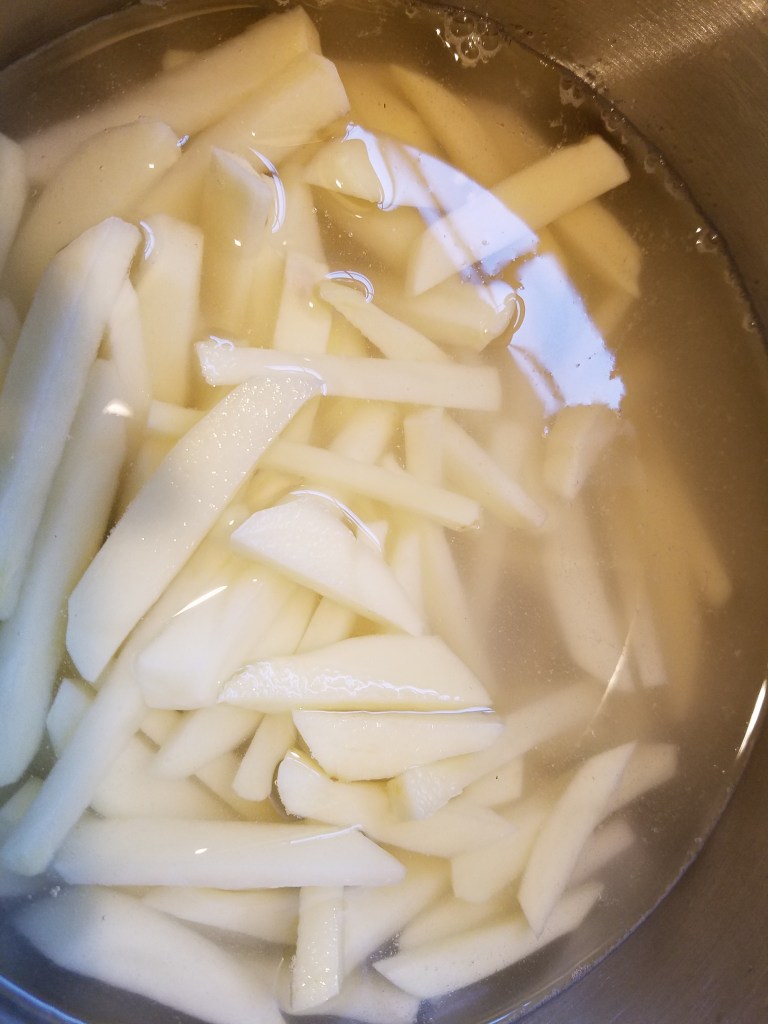
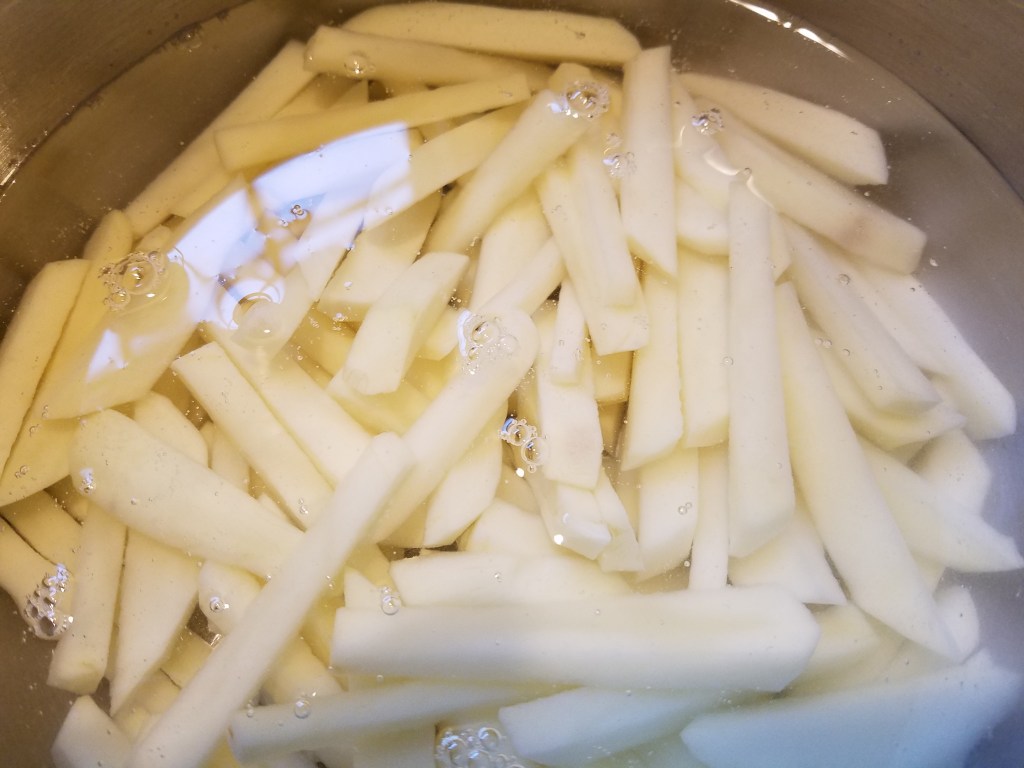
Strain the potatoes and soak them again in fresh, cold water. After 5 minutes, strain the potatoes in a colander and allow the potatoes to air dry for a minute or two.
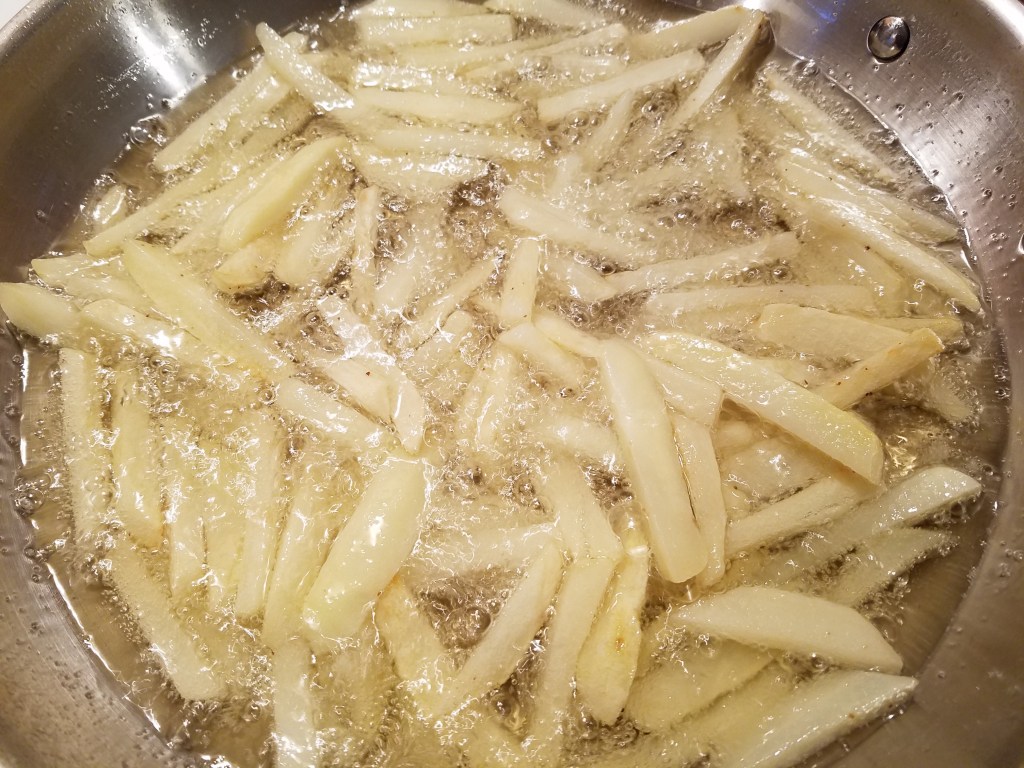
Add the potatoes to the oil. Let the potatoes fry for at least one minute before adjusting them. Stir occasionally and fry until the potatoes are golden brown.
Strain and sprinkle with salt or seasoning.
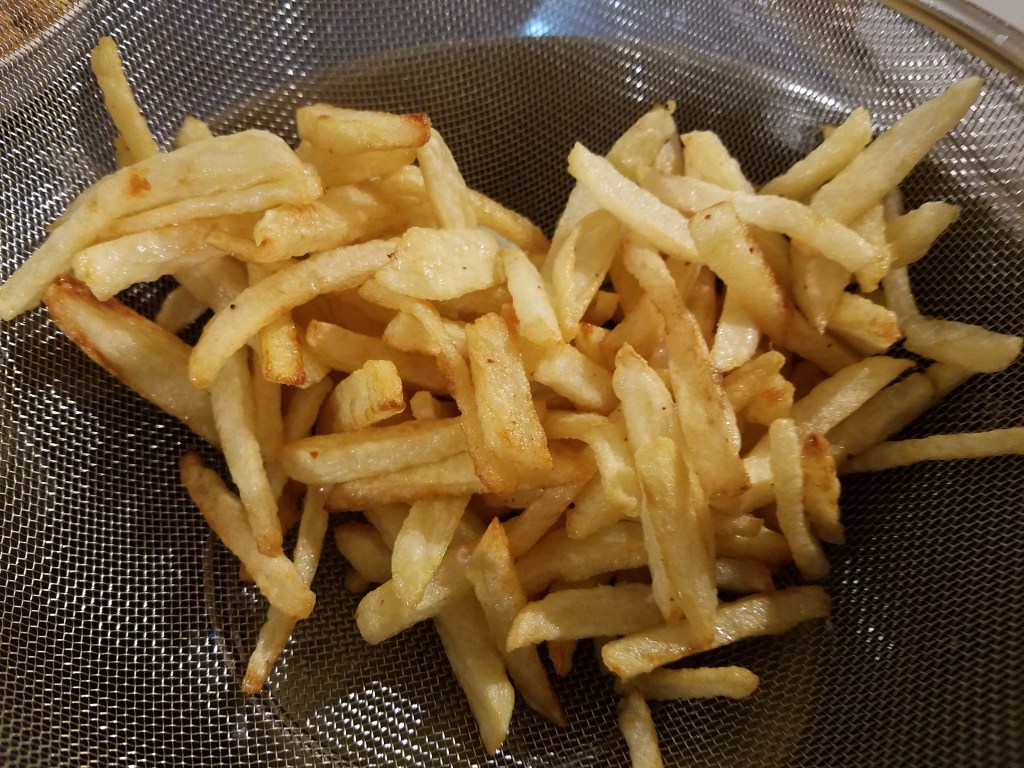
Serve hot.
Here’s one of my many mottos: If it’s spicy, there’s a good chance I will like it.
Having lived most of my life in the South, I have had the joy of eating some excellent Tex-Mex and Cajun food. Both cuisines tend to lean toward the spicy side and I like to make it lean just a little bit more!
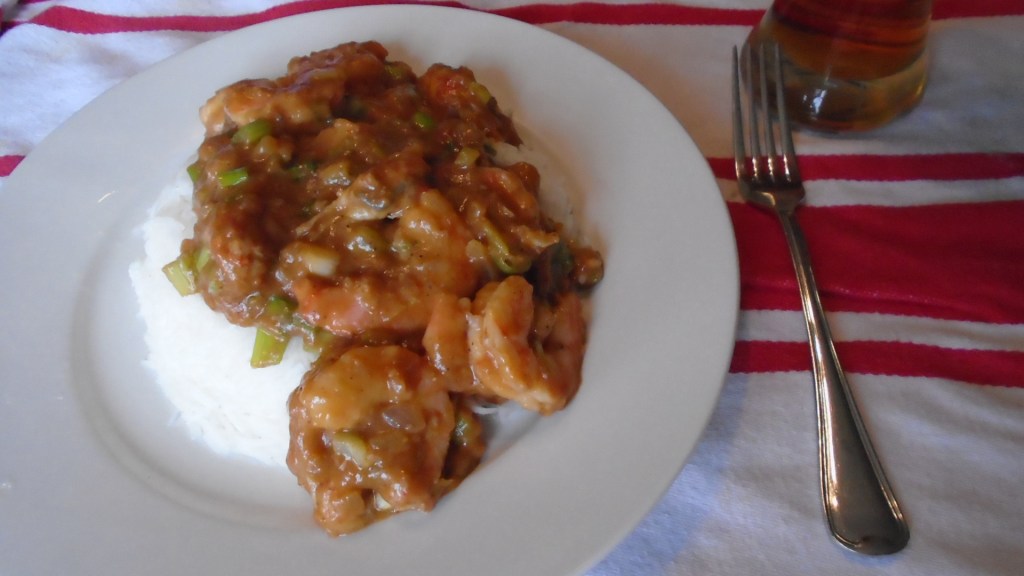
Etouffee and gumbo are similar in that they are both served over rice but gumbo is more like a stew, comprised of various types of seafood, meats and vegetables. Etouffee usually only has one type of meat and the sauce is thicker than gumbo. Crawfish Etouffee is the quintessential Etouffee but don’t rule out the shrimp or chicken versions. Use what you have in your kitchen.
Etouffee, which means “smothered” in French, is a classic Louisiana dish. There are two basic types of Etoufee: Creole and Cajun. The Creole variety uses a dark roux and the flavors are deep and complex. The Cajun variety uses a light roux and is spicier than the Creole version.
Yes, this only took 30 minutes to cook from start to finish. But, here’s the catch. I did a lot of prep work a few days before I made this dish. Previously, I cleaned and de-veined the shrimp, parboiled them and stored the shrimp in the refrigerator. I peeled the steamed crawfish and stored them in the refrigerator.
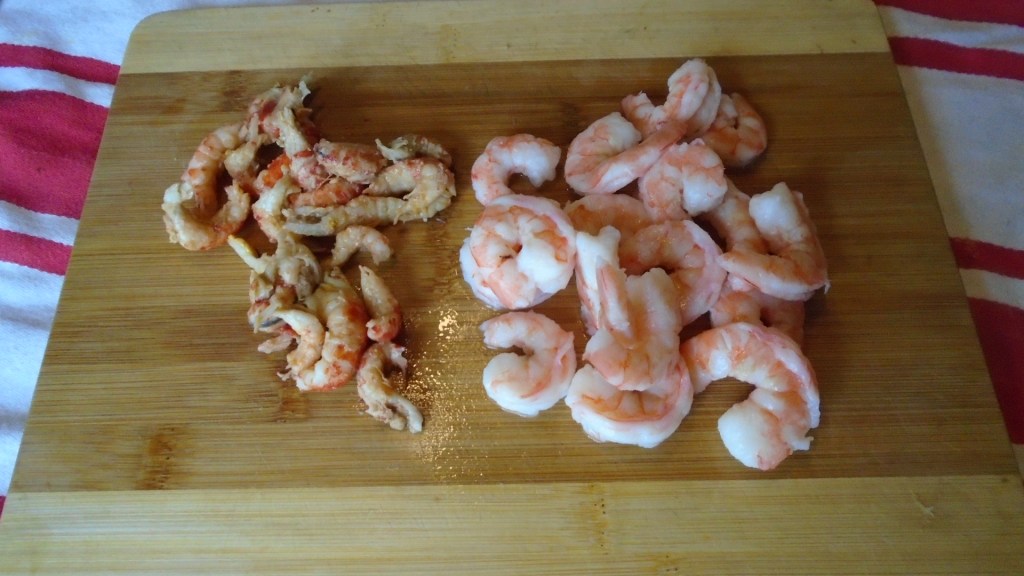
I made stock reductions from the crawfish and the shrimp and then I made compound butter using the crawfish and shrimp reductions. All of that work took a considerable amount of time, but it was worth it.
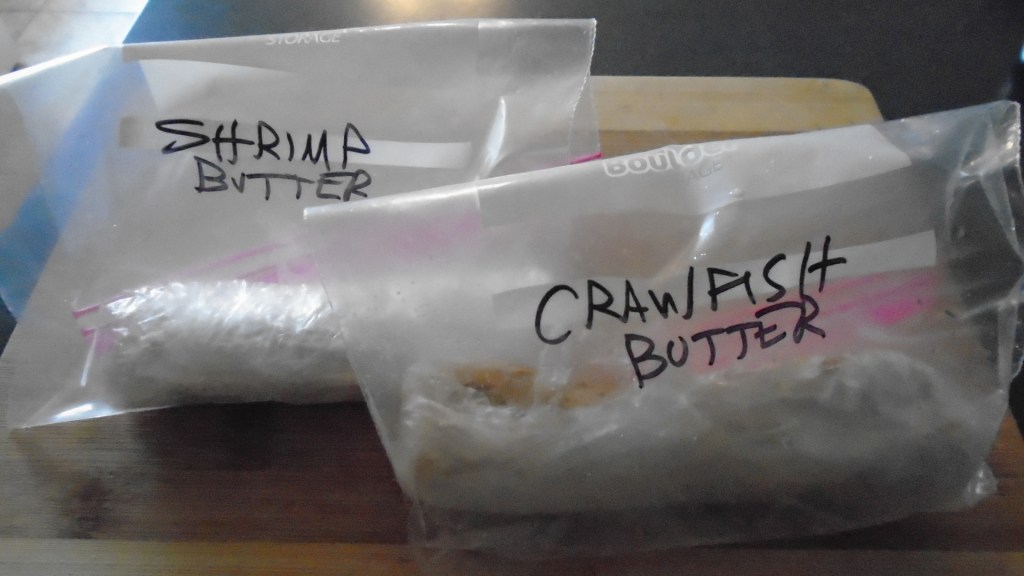
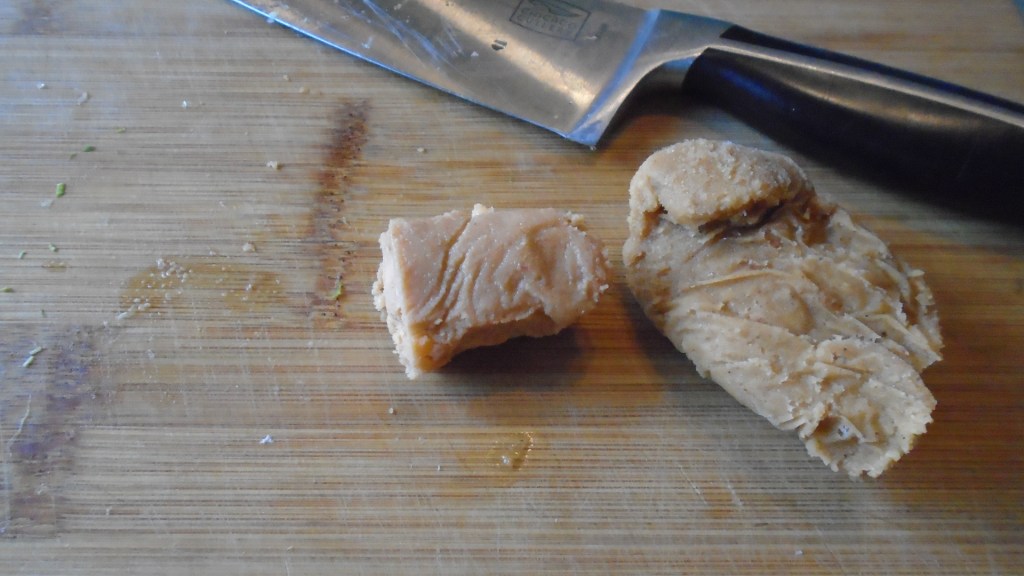
The rest was easy.
Ingredients:
1 ounce compound shrimp butter
2 ounces compound crawfish butter
2 garlic cloves, mashed
1 Tbs unsalted butter
½ onion, chopped
3 ribs of celery, chopped
2 ounces flour
3 green onions, chopped
2 Tbs tomato sauce
1 ½ Tbs Cajun seasoning
1 cup water
½ lb raw shrimp (peeled and deveined)
½ lb crawfish meat
Directions:
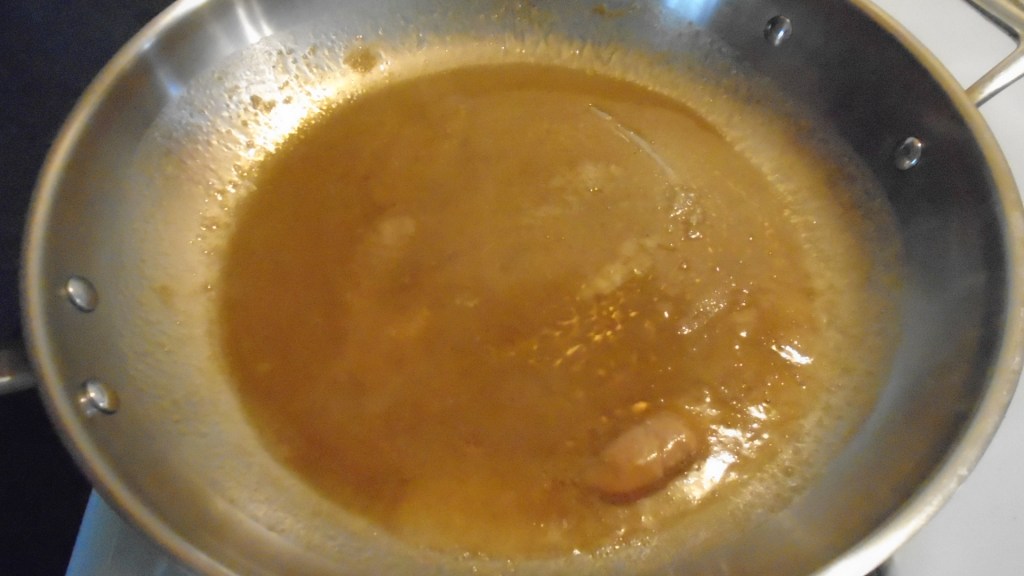
In a large skillet, add the shrimp butter and crawfish butter. Turn heat to medium/low.
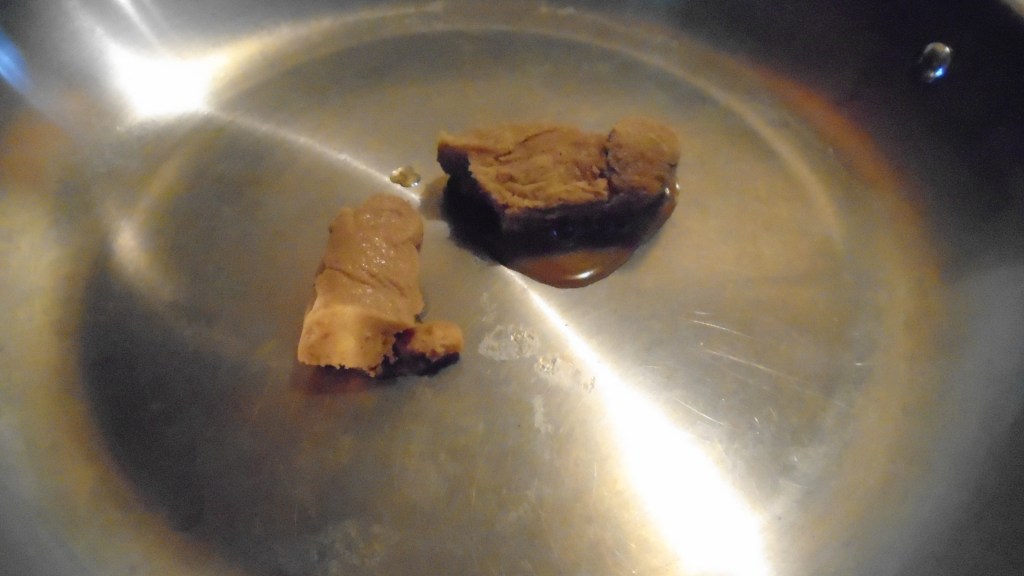
As the butter melts, add garlic and sauté for about one minute.
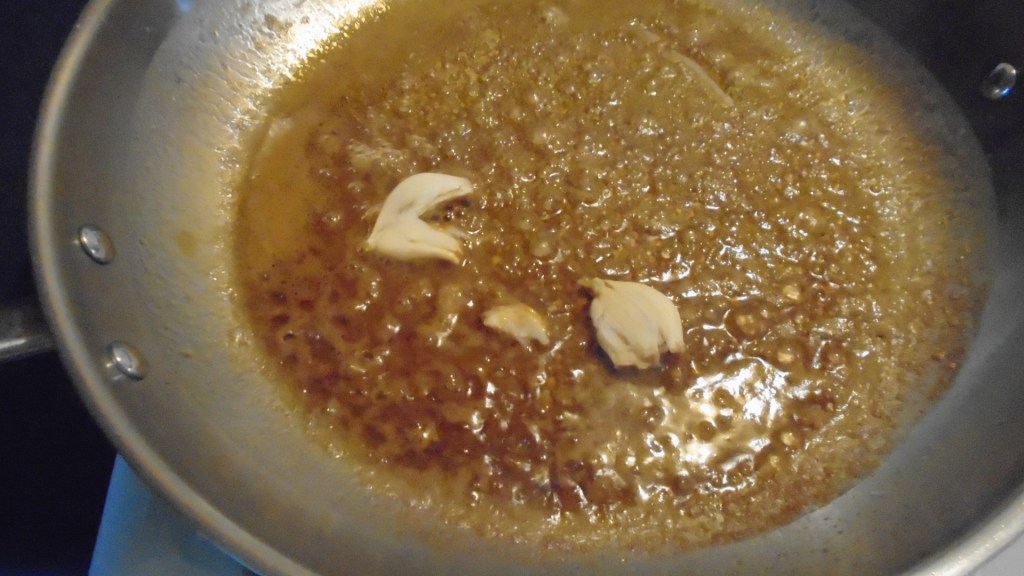
Add 1 tablespoon of butter and the onion and continue stirring for another minute.
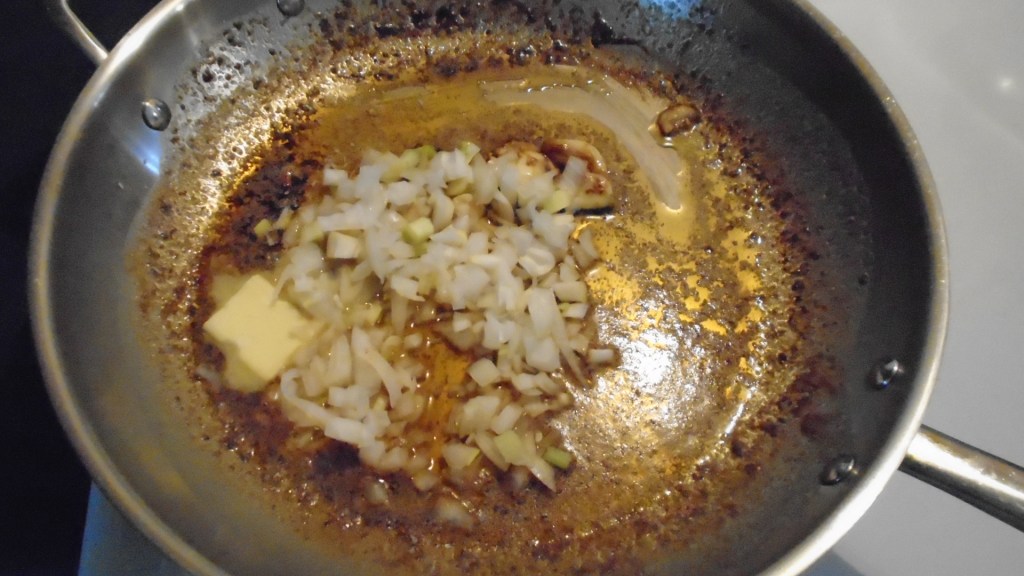
Add the celery and stir. Reduce heat to low and simmer for about 5 minutes.
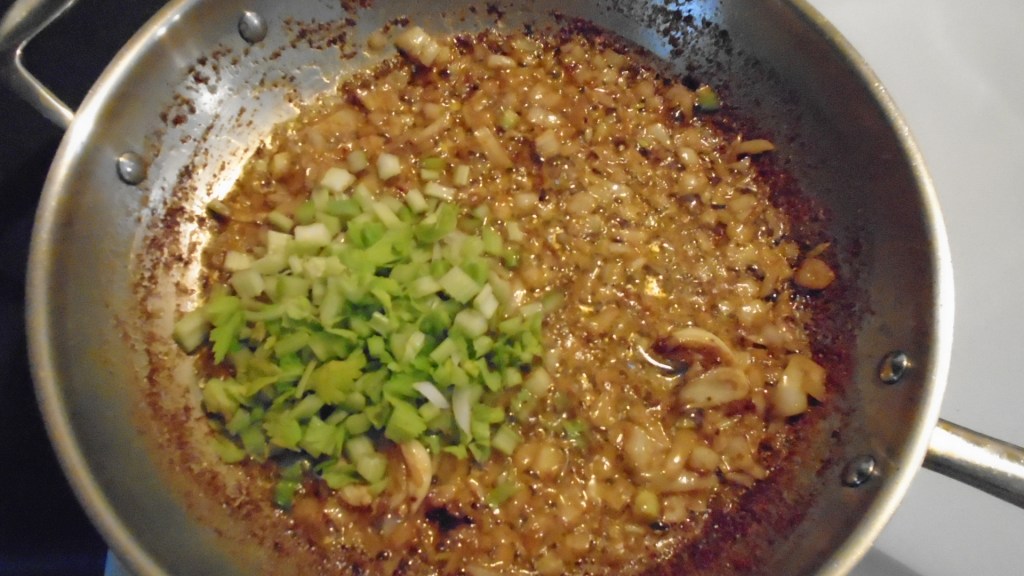
Add the flour and whisk or stir, to form a roux.
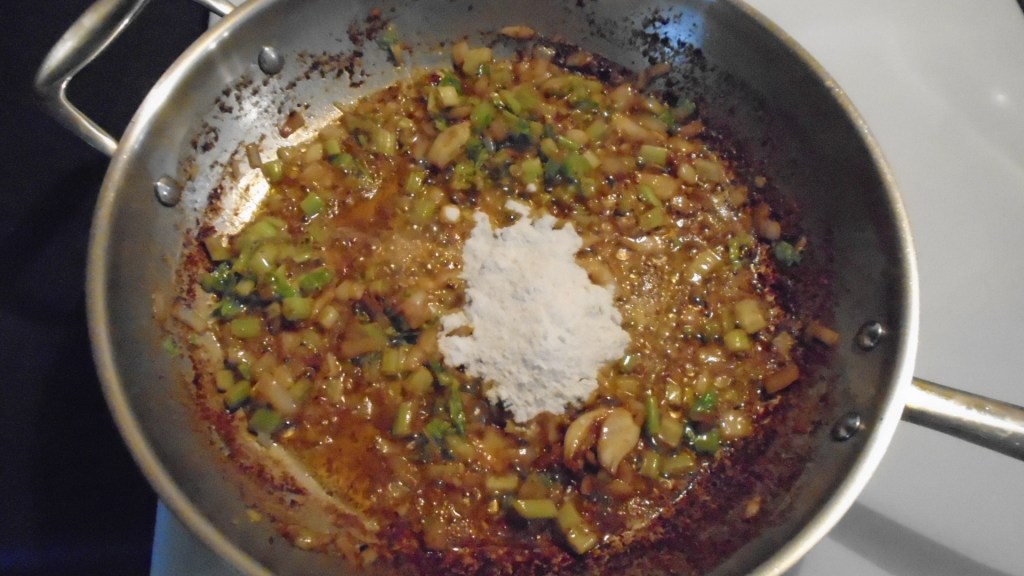
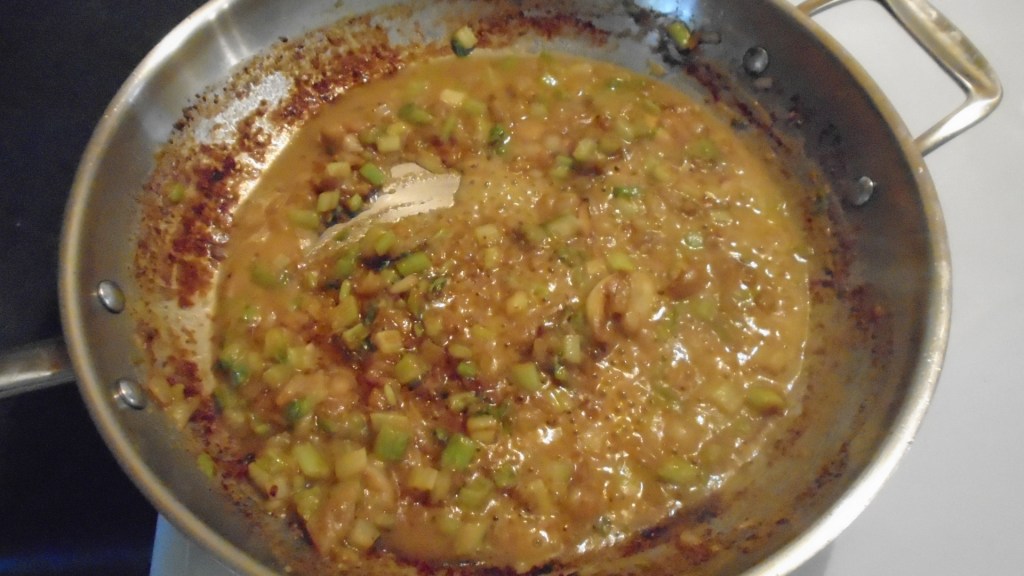
Add 1 cup of water and stir until a thick sauce forms.
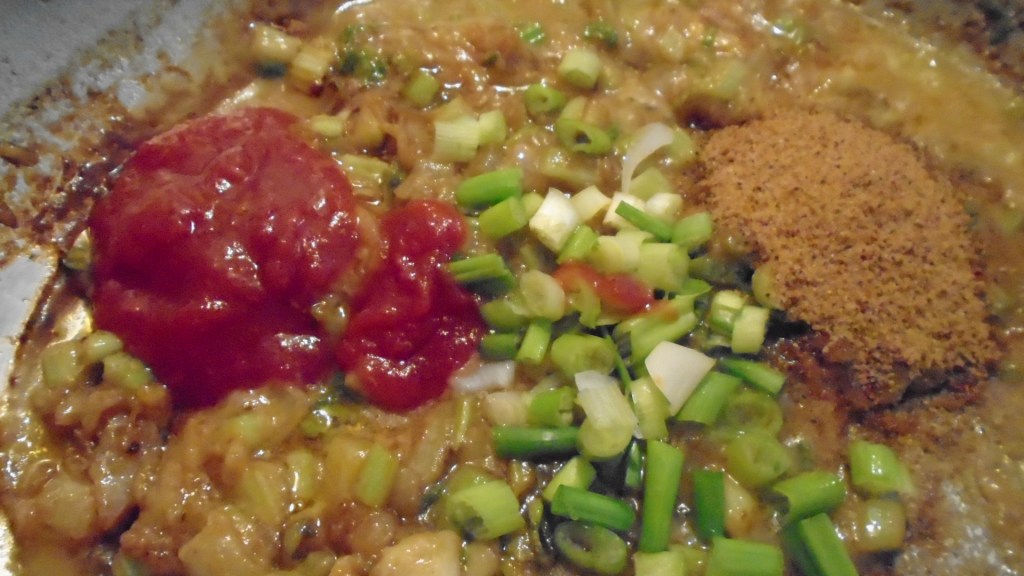
Add tomato sauce, green onions and Cajun seasoning. Stir to combine.
Add parboiled shrimp and crawfish. Stir briefly.
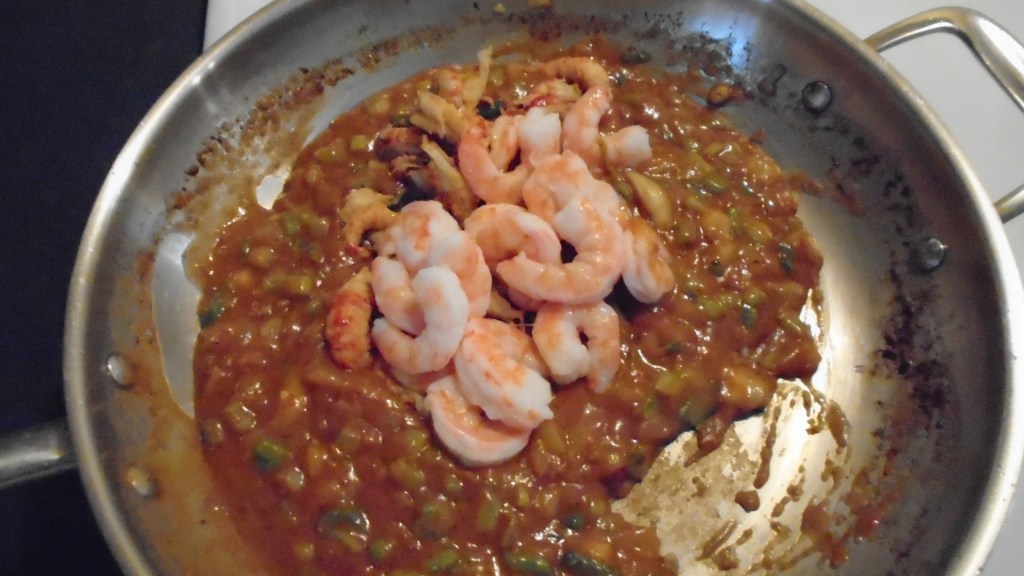
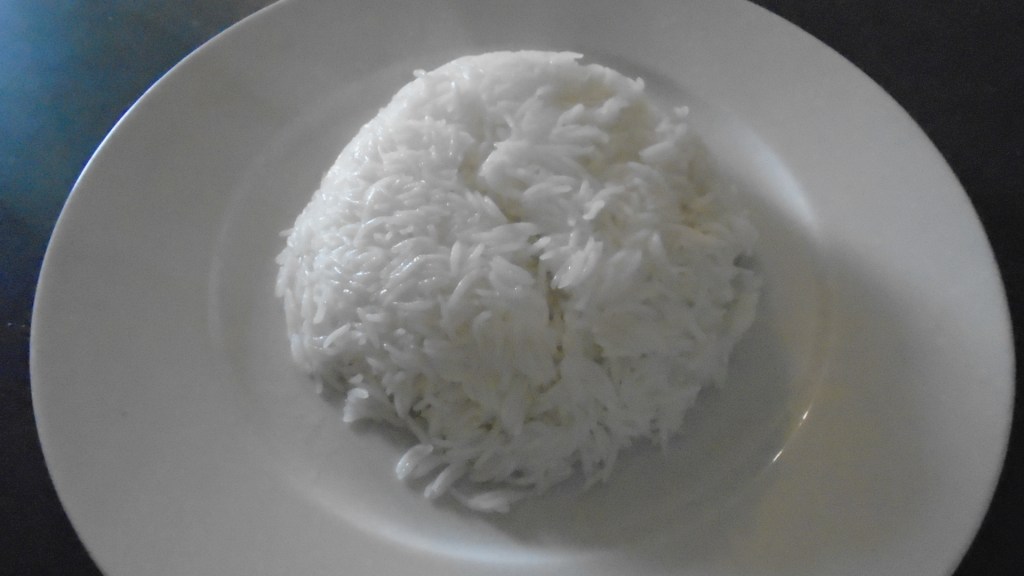
Serve warm with white rice.

Fresh shellfish can be pricey so I like to get as much bang for my buck as possible. One of the easiest ways to extend the value of shellfish is to make a stock from the heads and shells. Once the stock has been made, it can be stored for later use and can be used in many different dishes. The unique flavor of shellfish can turn a mediocre dish into something exotic.
Making stock can be as simple as boiling the heads and shells in water and then straining the solids and reserving the liquid. Spices, herbs or vegetables can be added to give the stock extra depth of flavor.
I plan on making some seafood pasta dishes so I made stock from shrimp and crawfish shells. I bought one pound each of crawfish and shrimp. One pound of crawfish results in a paltry amount of crawfish meat and the majority is shells and heads. Shrimp produces a little more meat but you’d be lucky to get half a pound of cooked shrimp from a pound of whole, raw shrimp.
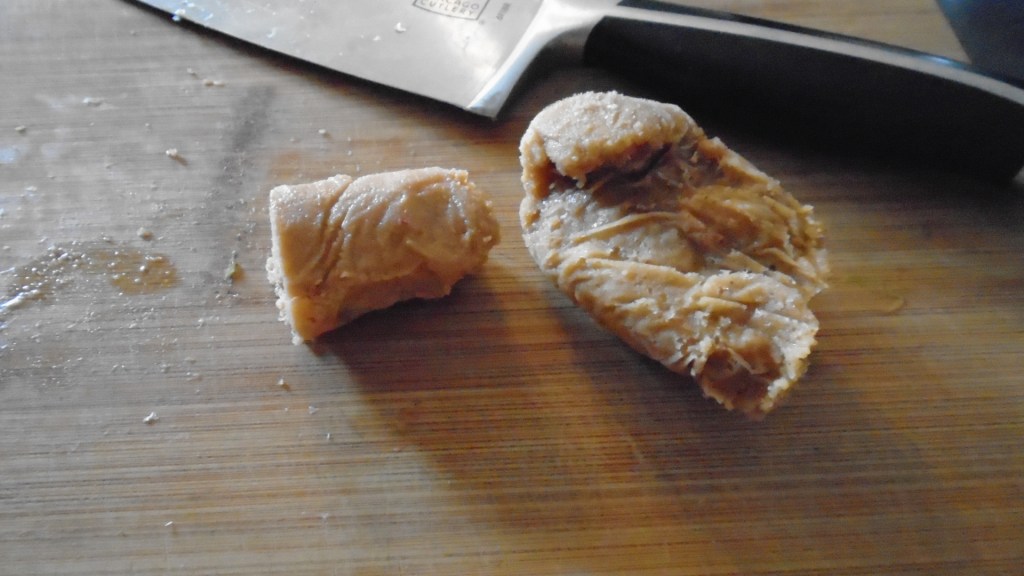
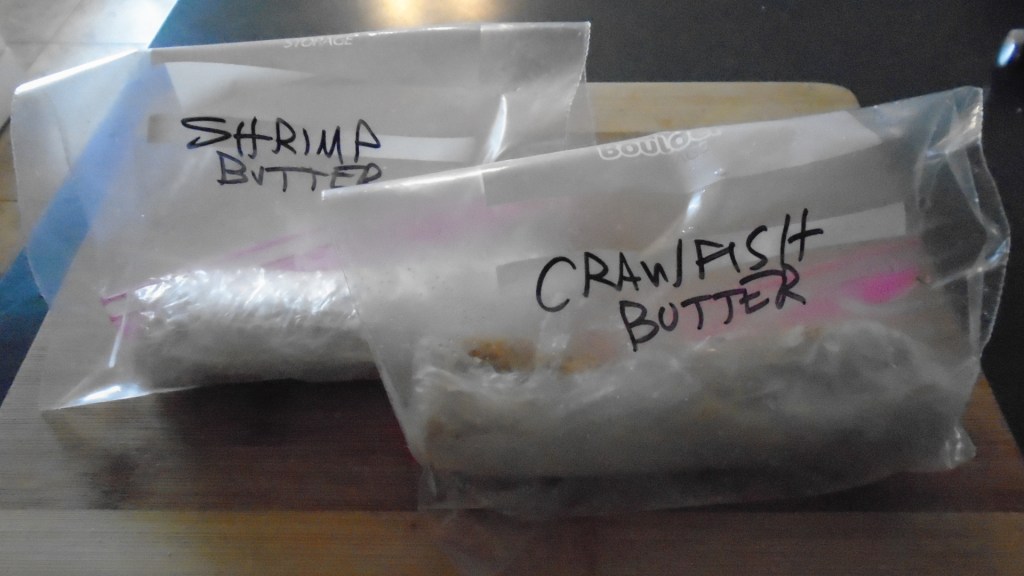
So, with that in mind, I made crawfish butter and shrimp butter. The flavorful compound butter can be stored in the refrigerator for several days, or in the freezer for months.
Ingredients:
1 lb fresh shrimp (these were Gulf shrimp)
1 lb steamed crawfish (crayfish, crawdads, mudbugs…whatever you wish to call them)
½ cup unsalted butter, divided in half
Directions for the shrimp:
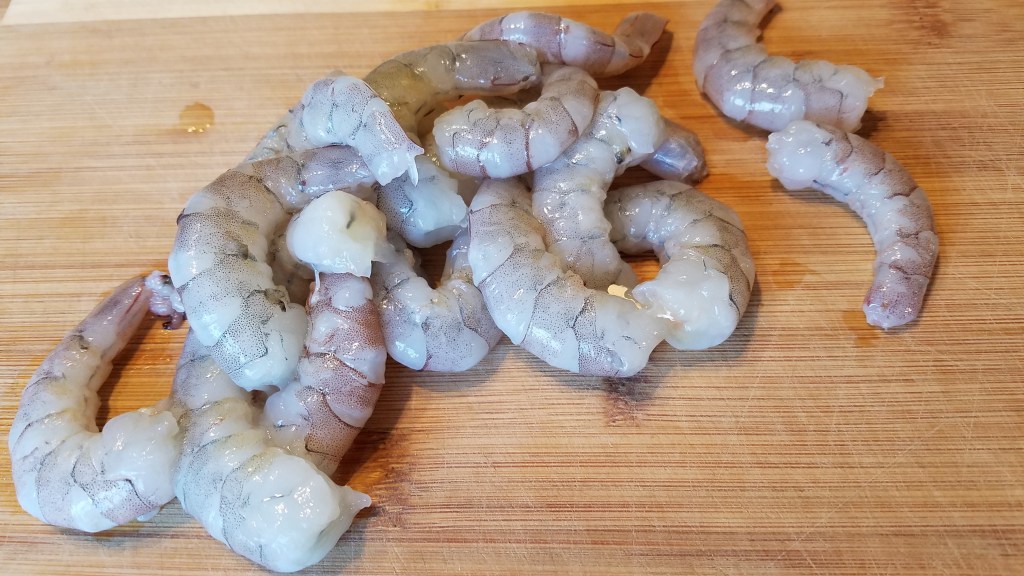
Remove the heads from the shrimp. This can be done by gripping the head and pulling away from the rest of the body. If you are squeamish about this sort of thing, get over it. It becomes an automatic process after a few decapitations. Toss the heads into a bowl and set aside.
Peel and devein the shrimp. Rinse the shrimp under cold water and store in an airtight container. Add the shells to the bowl containing the heads.
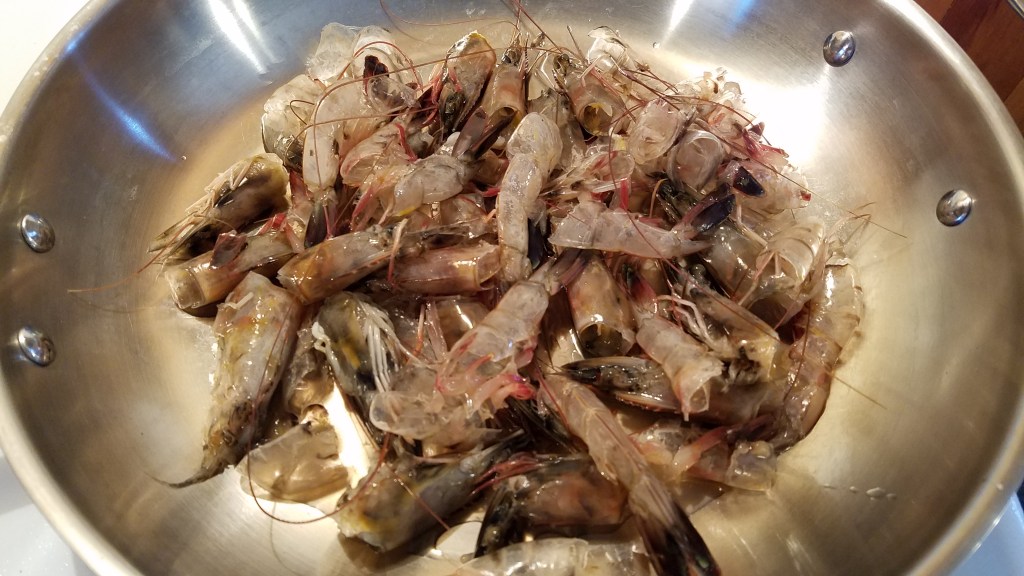
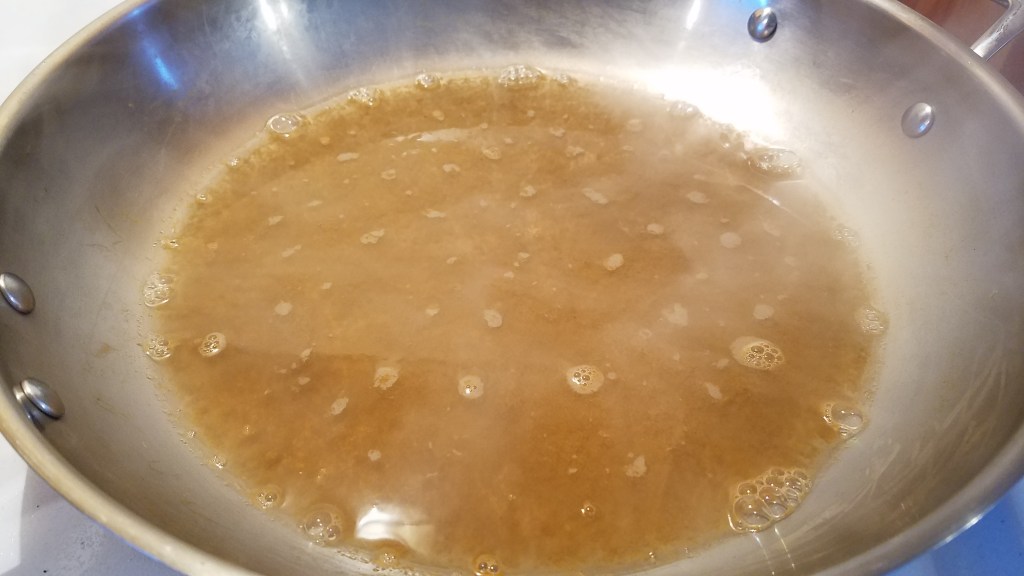
Put the heads and shells into a skillet. Cover with water and simmer for about 30 minutes, stirring and pressing the shells occasionally.
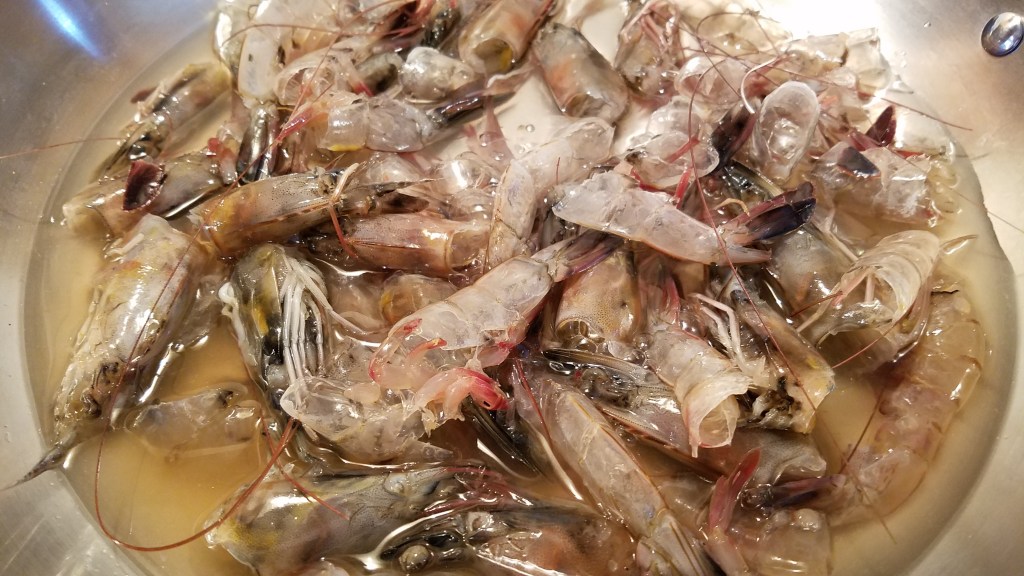
Strain the solids and discard. Pour the stock into a container and refrigerate or freeze, if desired.
Directions for the crawfish:
Unless you go gigging for crawfish, which is to say, catching your own live crawfish, you will either get them freshly steamed and seasoned or refrigerated, after they were seasoned. Either way, they are probably going to be seasoned with Cajun spices, and that’s a very good thing.
I prefer to eat steamed crawfish while they are still hot, but this time I only snacked on one and used the rest for an Etouffee.
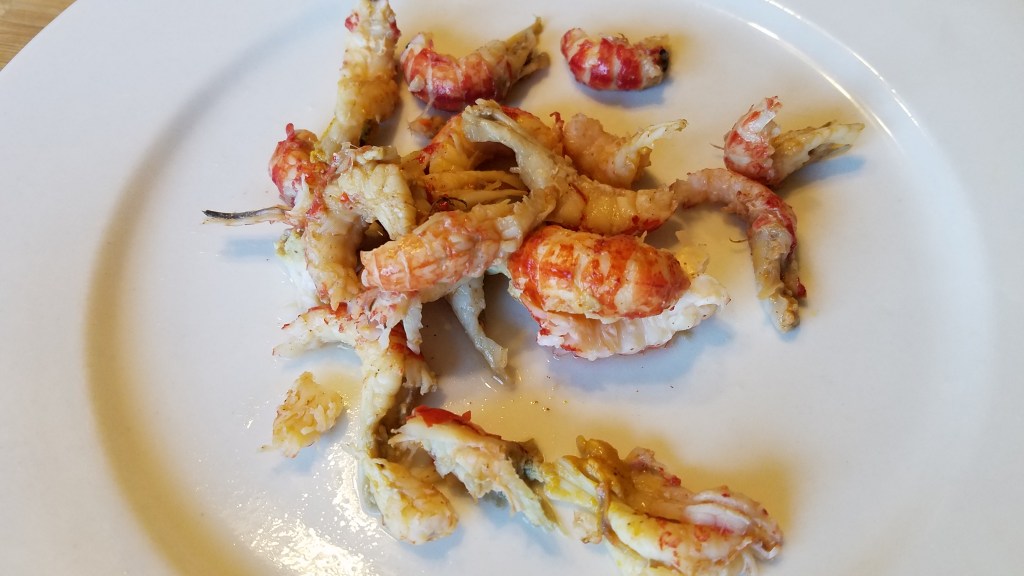
Remove the heads from the crawfish and peel the shells. Reserve the meat.
Add the heads and shells to a skillet and cover with water. Simmer for 30 minutes and strain the solids. Discard the solids.
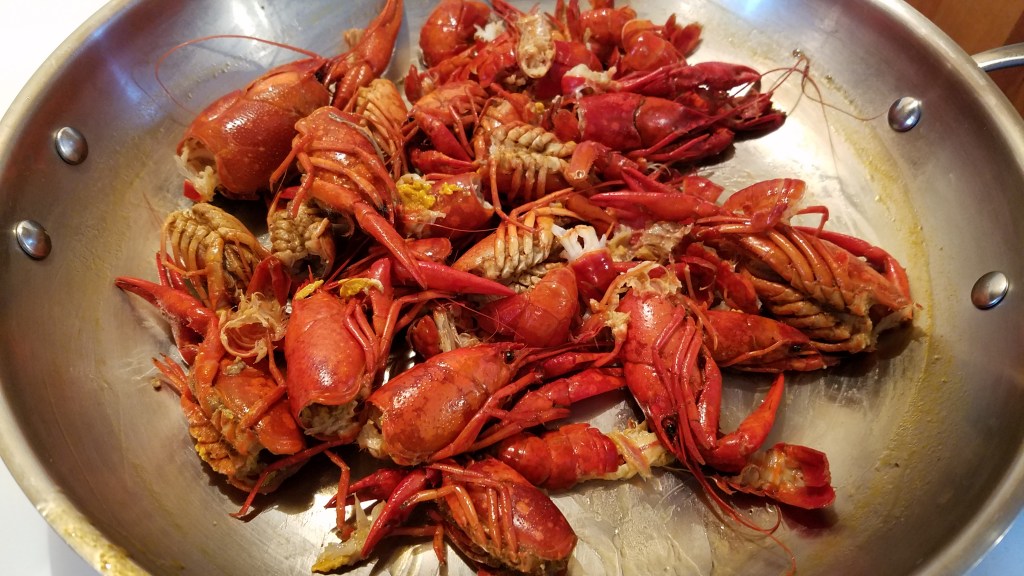
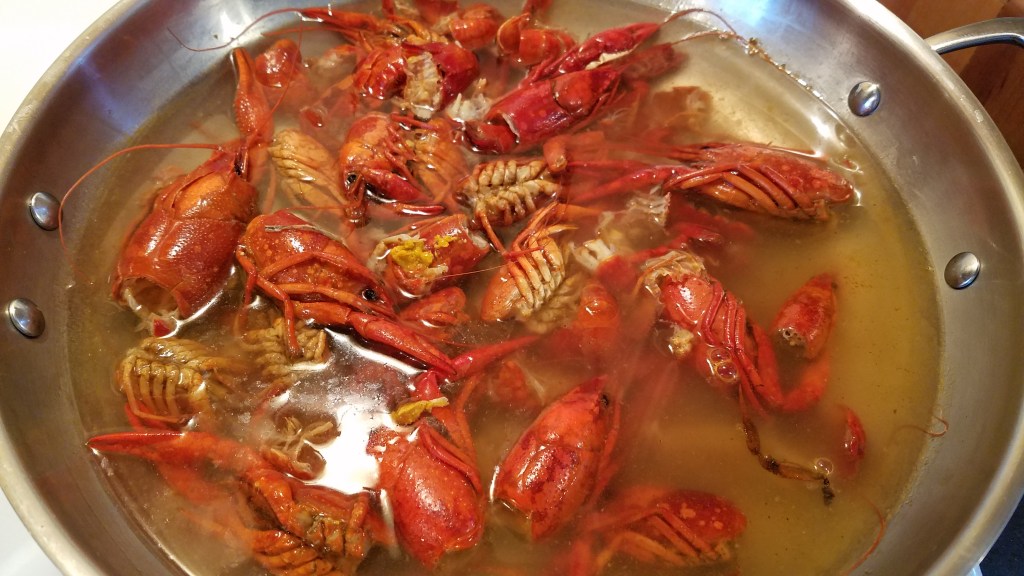
Save the stock in the refrigerator, or freeze.
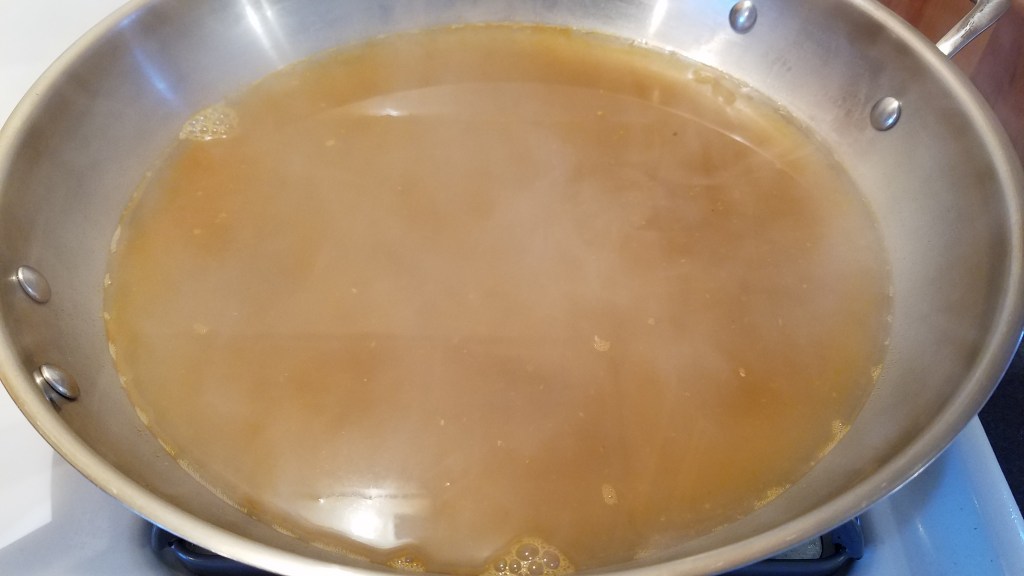
Making compound Butter
If you want to make compound butter with shrimp stock or crawfish stock, simmer the sauces further. Simmer at high heat and whisk constantly. Reduce the sauce until nearly all of the moisture is gone.
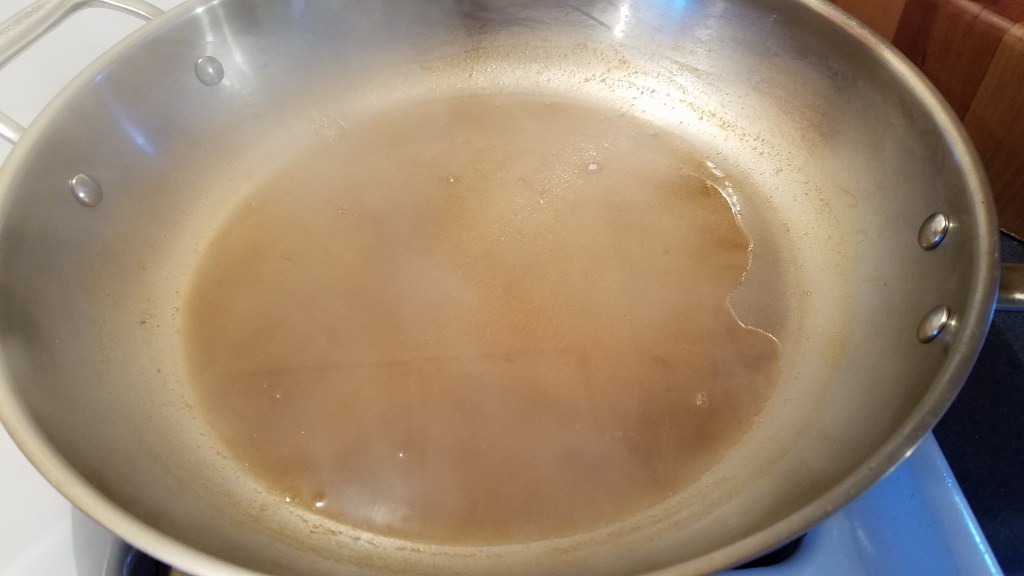

I reduced the shrimp stock down to about 3 tablespoons and I reduced the crawfish stock down to about ¼ cup.
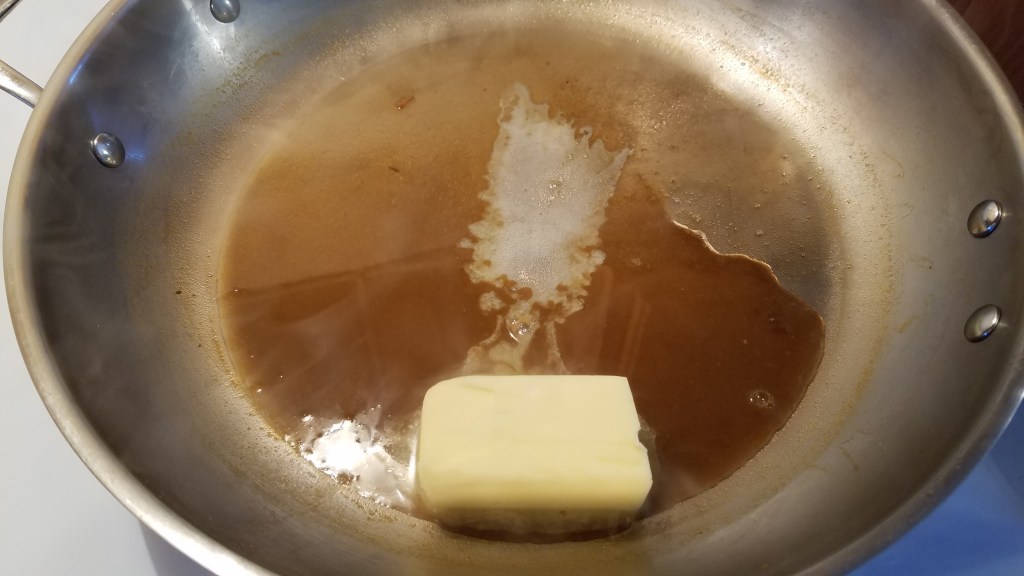
Turn the heat off and add ¼ cup butter. Whisk to incorporate. Pour the butter into a small bowl, cover and refrigerate. Once the compound butter solidifies, turn it out on some plastic wrap. Fold the wrap over the butter. I like to add extra layer of plastic wrap to get a good seal. Refrigerate or freeze until needed.