Flight cancellations are so common now that I plan on extended delays and cancellations when I make travel plans.
I recently faced a flight cancellation on the first leg of my return flight home. What a bummer! I booked the first flight of the day, hoping to increase my chances of starting successfully, but the flight was still cancelled!
My options were to either play the “standby game” and wait at the airport while petitioning the gods of aviation to intervene on my behalf to force another hapless passenger to miss their flight so that I could claim their seat, or I could change my reservation to the next guaranteed available flight, which was 24 hours later!
I chose the 24-hour delay and here’s why…
The last time I faced a flight cancellation, I chose the standby option. My wife and I spent over thirty sleep deprived hours at DFW International Airport, staggering around like caffeine-deprived zombies, roaming from one terminal to another, chasing the standby dream, gambling against the odds like Vegas vagrants, desperate to score precious seats on the next available flight.
This time I was traveling alone, and I wisely built in an extra vacation day on the tail end of the trip to rest and recover before returning to work.
I decided to find a hotel next to the airport and catch the next flight, on the following day.
I burnt an extra day of vacation due to the flight cancellation, but I embraced the moment and I made time to find the joy.
I checked in at a nearby hotel and spent much of the day napping and watching the first Star Wars movie (A New Hope) on cable T.V.
What a luxury to have a hotel room all to myself and to be able to do whatever I wanted.
I searched nearby restaurants and found a Japanese Hibachi and Sushi restaurant within walking distance from the hotel. Easy choice, for me!
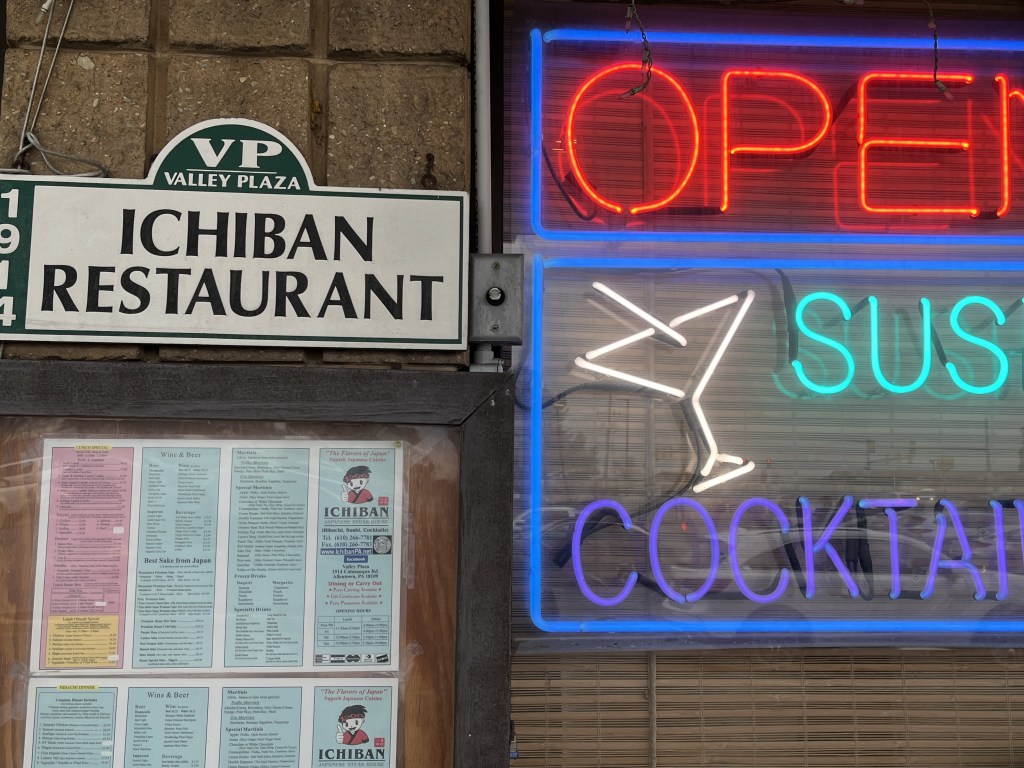
I like sitting at a crowded sushi bar and striking up conversations with other patrons, but that didn’t happen on this quiet Sunday evening.
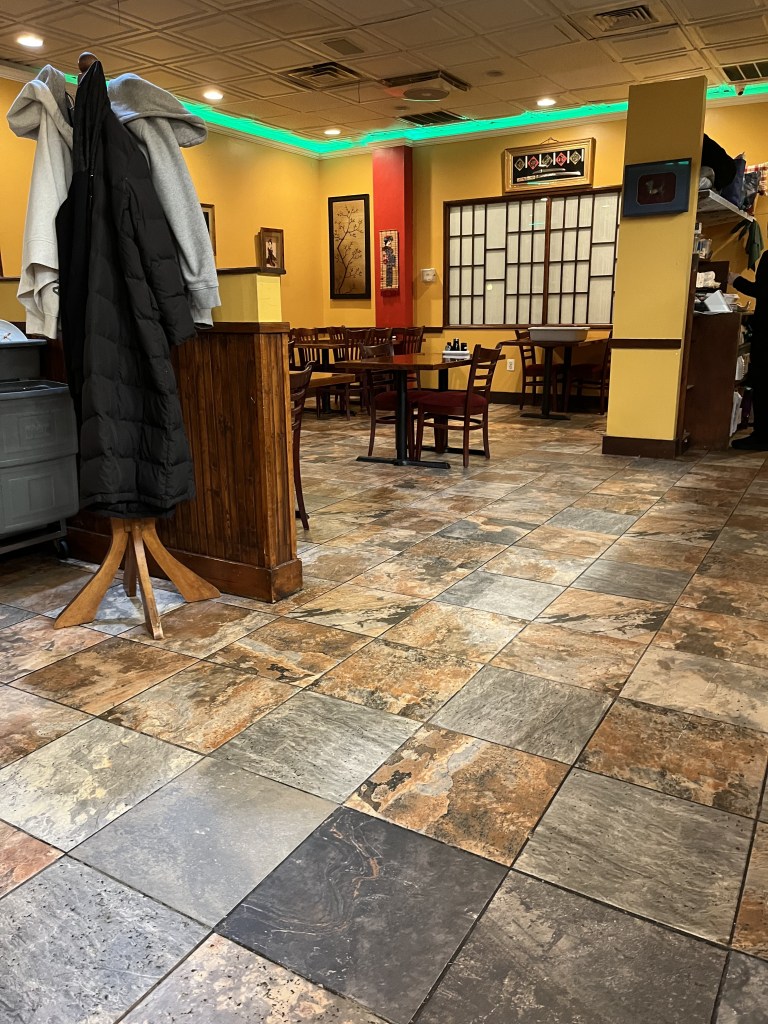
On the upside, I had the full attention of the sushi chef, and we struck up a conversation.
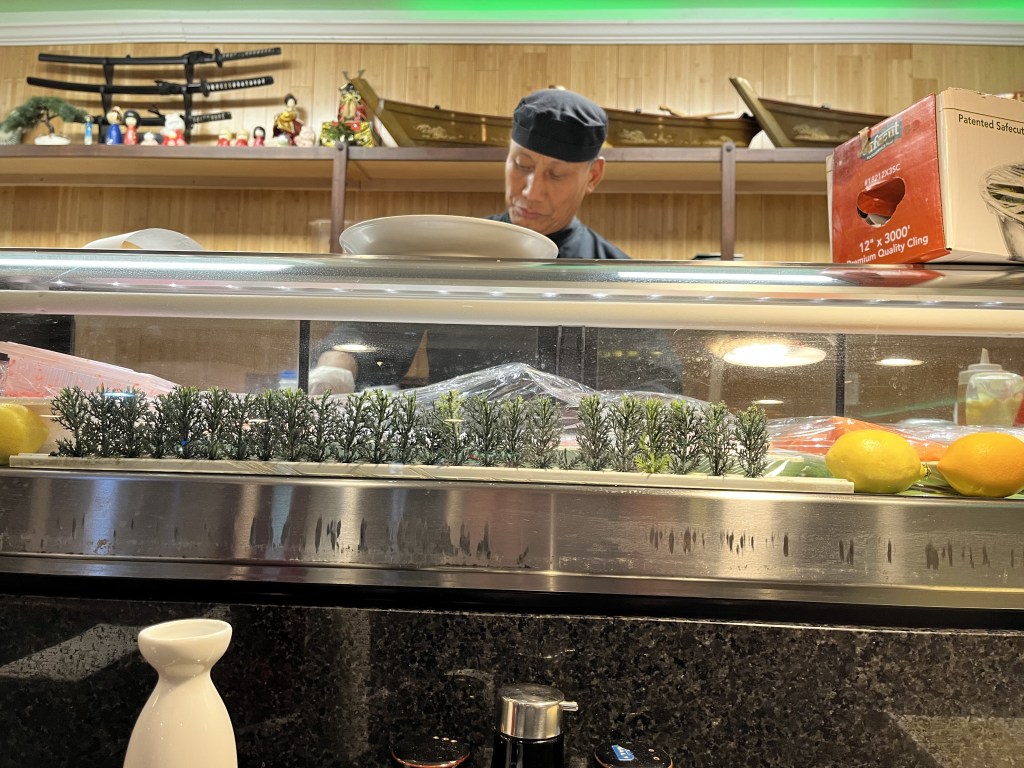
We discussed the differences between sushi restaurants in big cities, versus restaurants in smaller cities. Big city restaurants typically offer uni, ika, otoro and chutoro, while restaurants in smaller cities mainly sell sushi rolls with a limited selection of fish.
I evaluate sushi chefs by the quality of their salmon skin handroll, whether I am in a big city or a small city. I measure the salmon skin handrolls against my memory of my first one, which was presented by Arata Koga, at Mr. Sushi, in Addison, Texas, in 1984. It was perfection in a nori wrap!
I was pleased with this chef’s salmon skin handroll and I told him so. He acknowledged my comment with a polite nod, and I sensed a hint of pride in his eyes that told me he didn’t receive a lot of praise, here in Allentown, Pennsylvania.
The chef confided that he used smoked salmon in his handroll. I gave him a thoughtful nod, knowing that smoked salmon is suitable for a handroll, but will not offer a crispy skin like broiled fresh salmon does.
A good salmon skin handroll should offer…
- Perfectly toasted, crispy salmon skin along with a tiny bit of grilled salmon flesh.
- Crisp strips of vegetables, like cucumber, carrot, or yellow radish
- Perfectly cooked sushi rice
- Nori, briefly dried over an open flame.
- Daikon radish sprouts
- toasted sesame seeds
- Just the right amount of unagi, (thickened sweet soy sauce, also known as eel sauce)
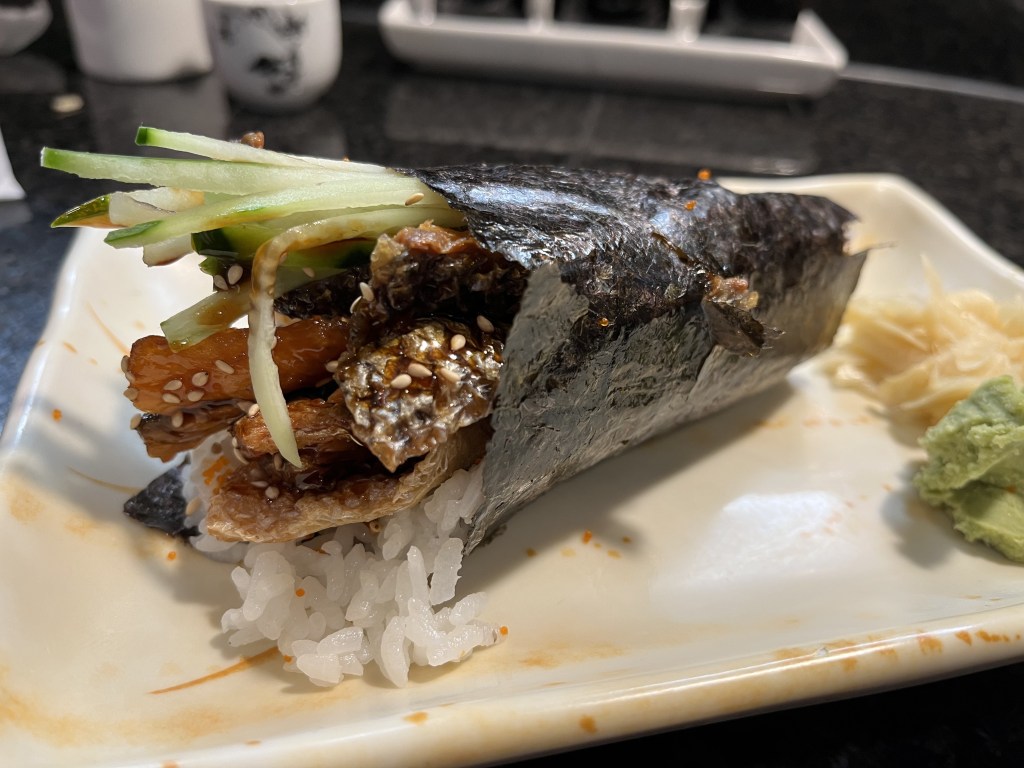
The roll was prepared skillfully, but the chef did not add spouts or toast the nori. Lightly toasting nori gives it a crispier texture.
All in all, a very good roll, and the rest of the sushi was above par.
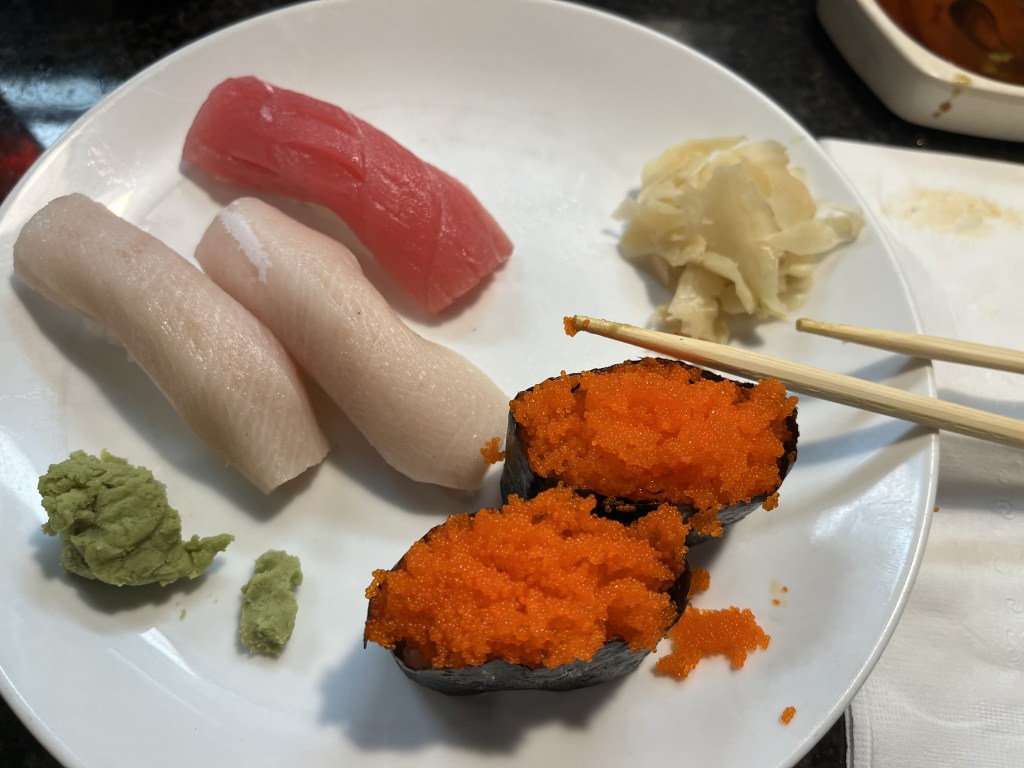
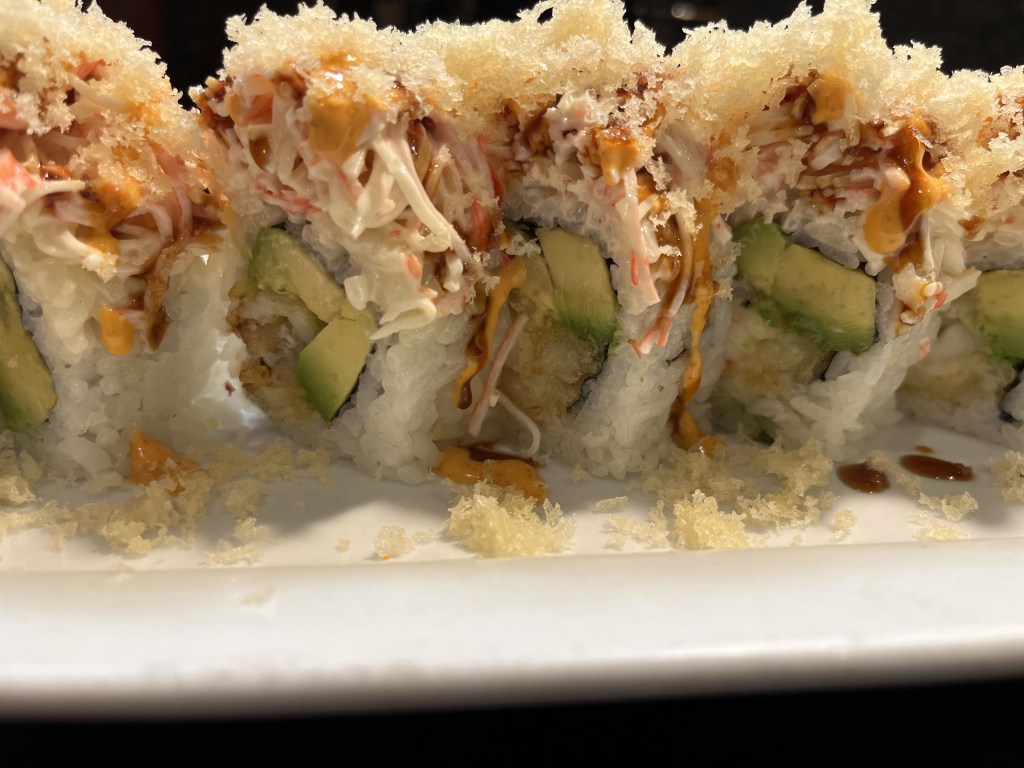
Then, back to the hotel for a restful night’s sleep and dreams of worry-free travel.
Find joy in everything.
Everything…even flight cancellations!