Celebrating Thai Basil

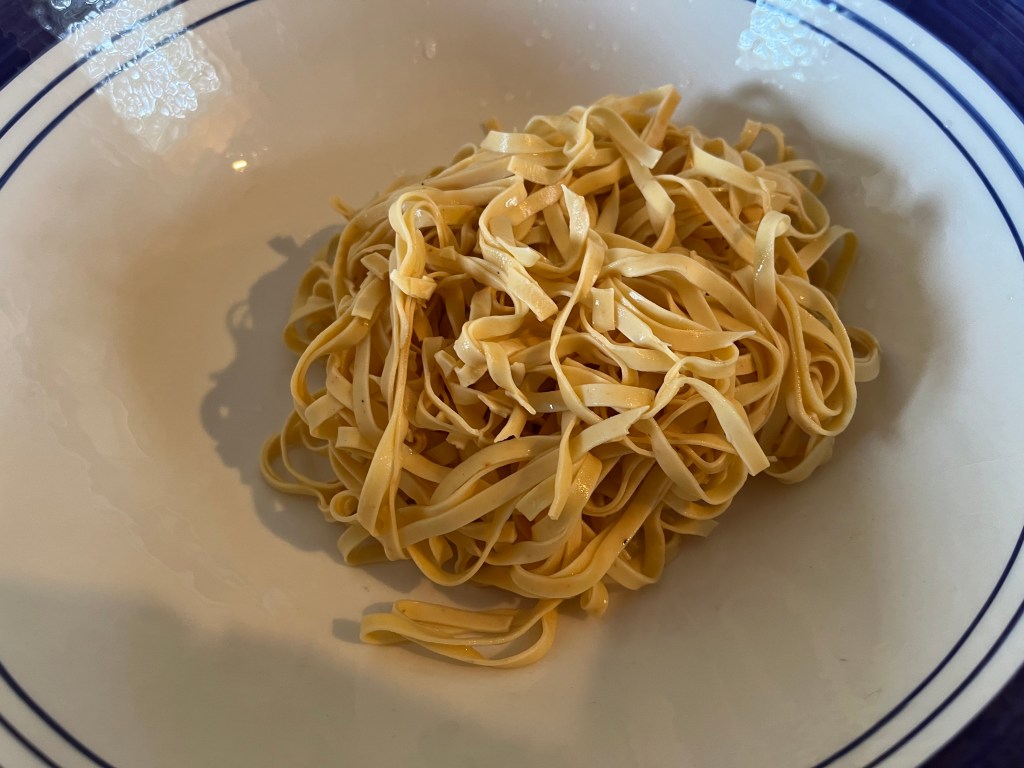
This is a Thai inspired recipe, but it’s Americanized for sure!  The addition of crispy fried chicken is a dead giveaway.  If I had intended to make Pad Krapow Gai (Thai Basil Chicken), I would have used chicken thighs and the chicken would have been chopped into small pieces and pan fried, along with onion, garlic, and chilies.  I also used Vietnamese flat wheat noodles instead of white rice. 

Anyone who knows me knows that I blend food cultures to suit my taste and this example is no exception.  I relied on estimating the volume of ingredients, rather than using precise measurements. 

Okay, let’s build a dinner…

Preparation is key.  Once the wok is hot, you want to have everything ready.  Chop and slice everything in advance and set aside. 
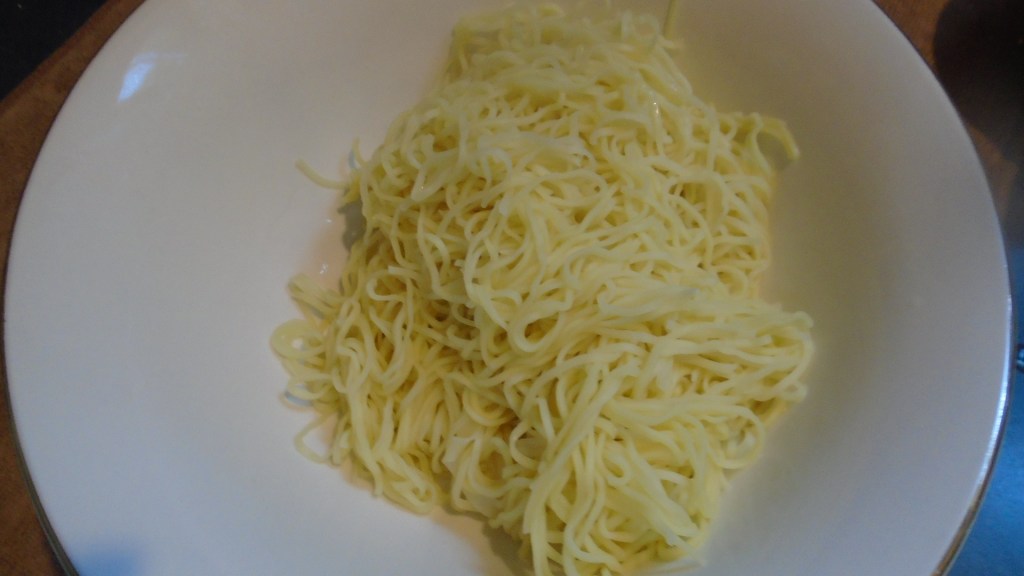
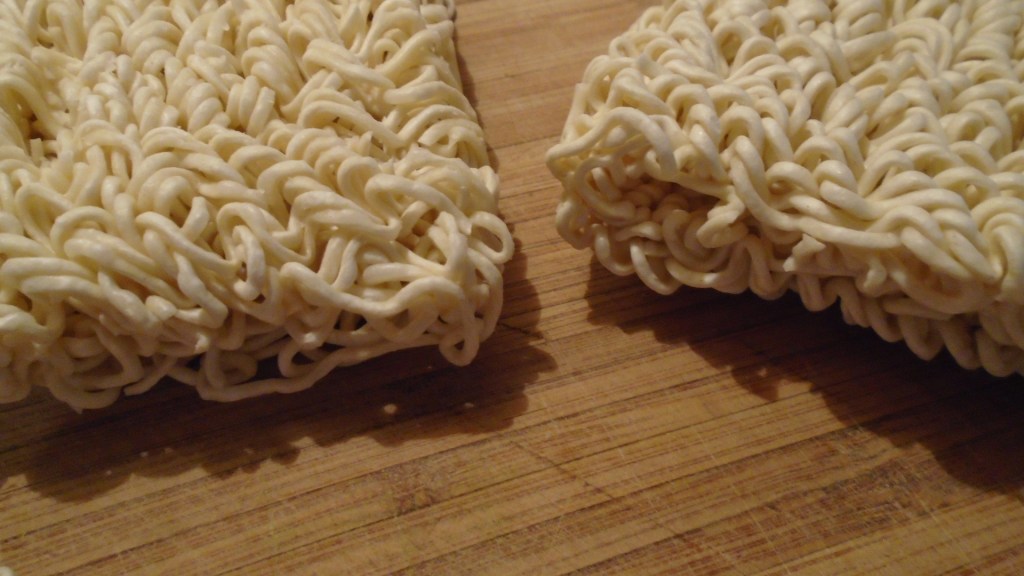
I followed the instructions on the package of noodles and soaked them in cold water for 20 to 30 minutes.  I pulled the noodles out and heated the water to a boil and added the noodles back in for about 10 minutes, until they just became tender.  I set the noodles aside.

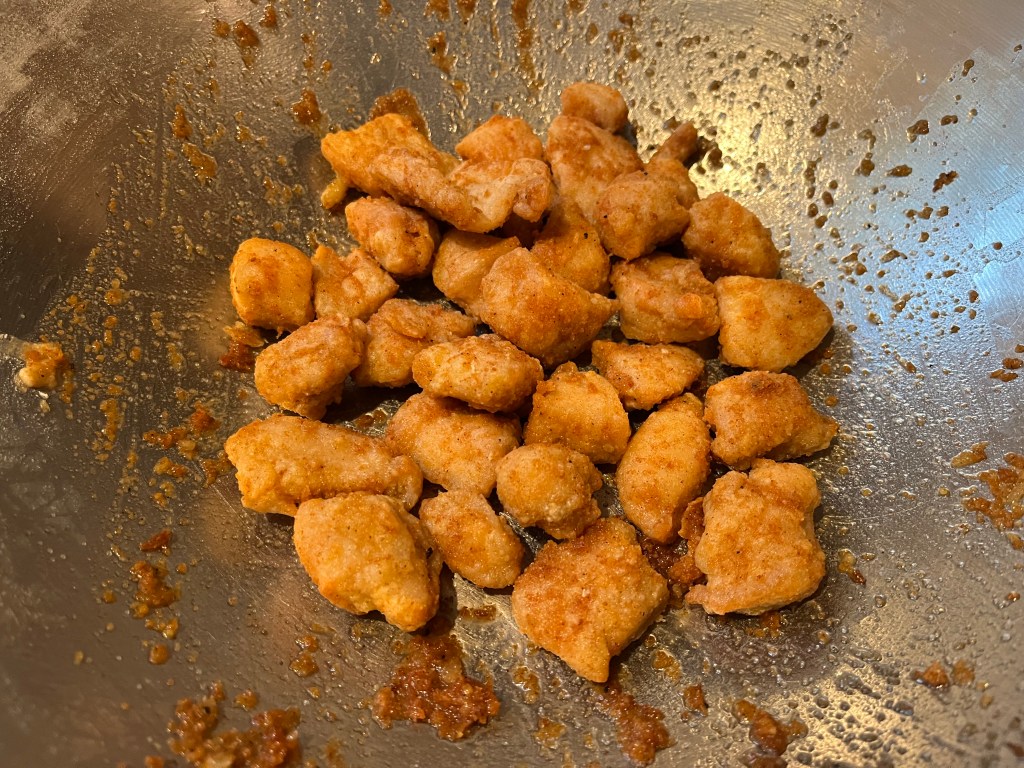
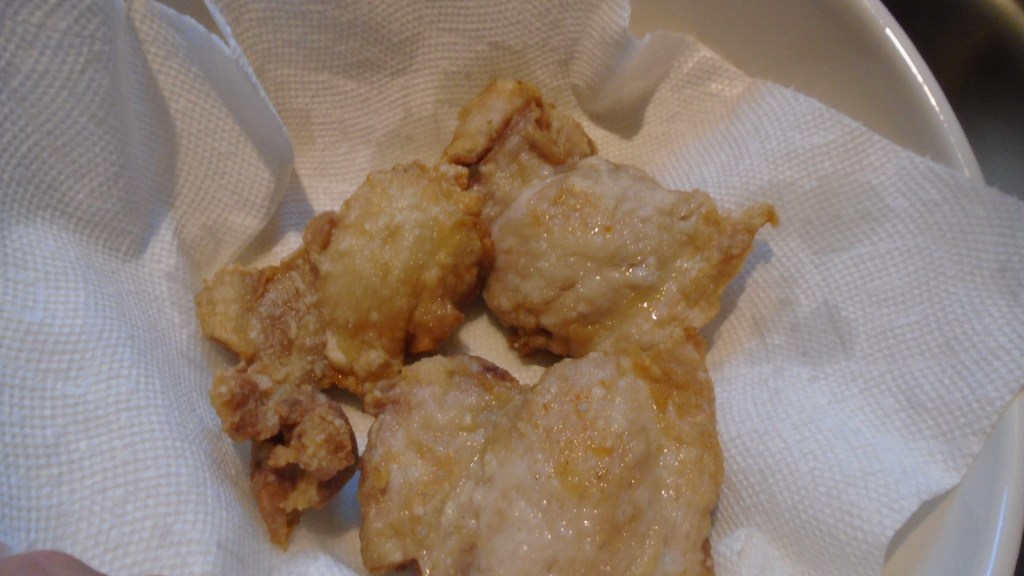
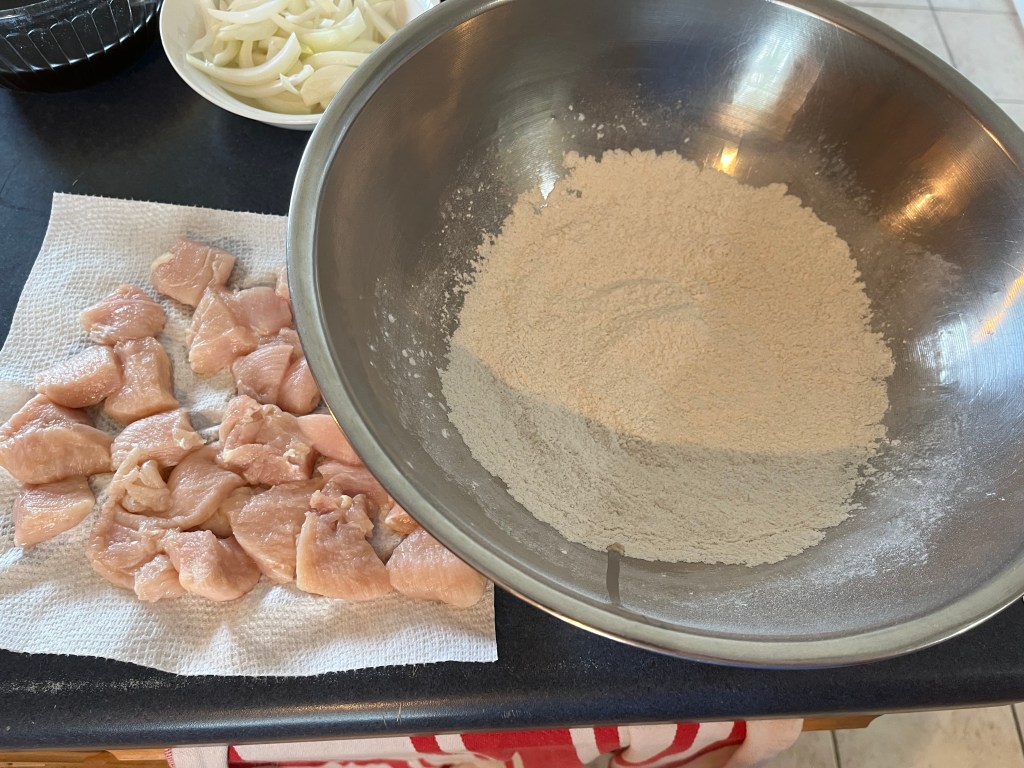
While the noodles were soaking, I cut chicken breast meat into bite sized pieces and added them to a mixture of flour and cornstarch (about 4 to 1 ratio, flour to cornstarch).  I tossed the chicken pieces until they were fully coated.
I double-fried the chicken in the wok, which is to say, I fried the chicken and then pulled it out for a minute and then put it back into the wok to finish with a crisp fry.  I set the chicken aside and removed all but about 2 tablespoons of oil.

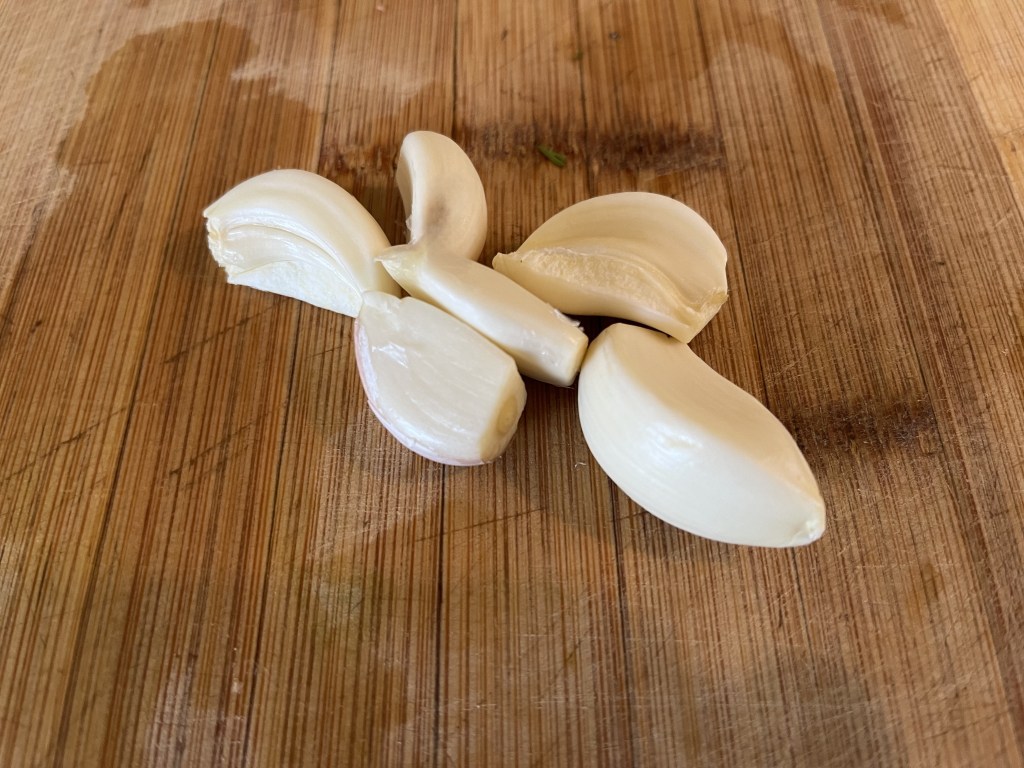
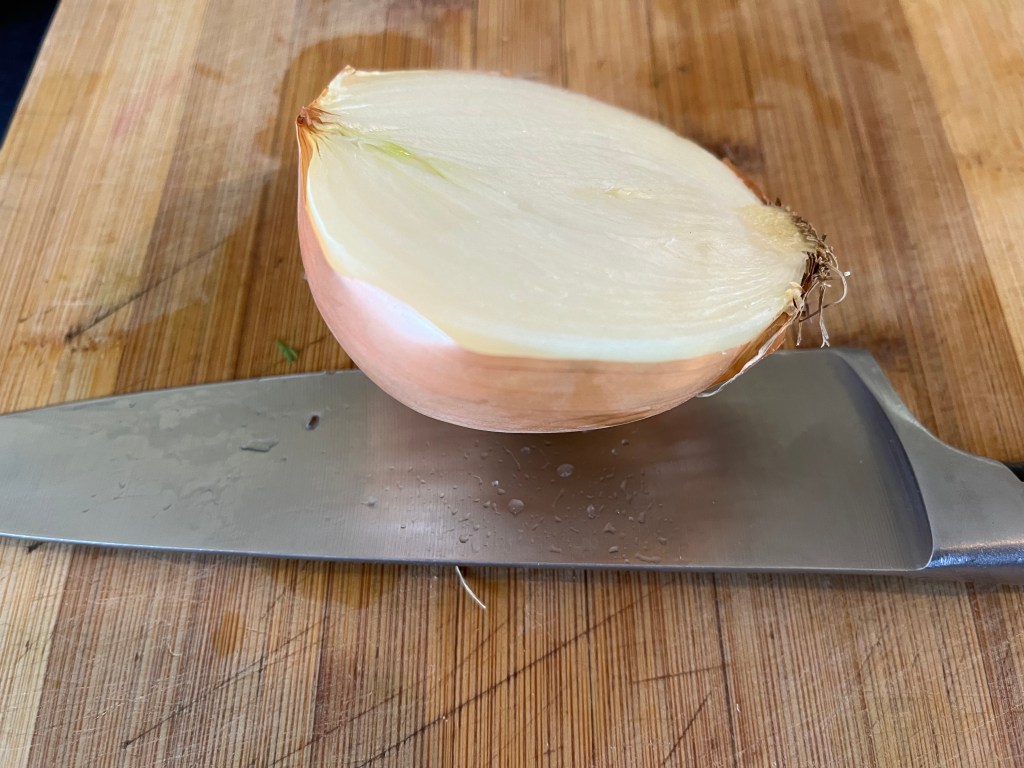
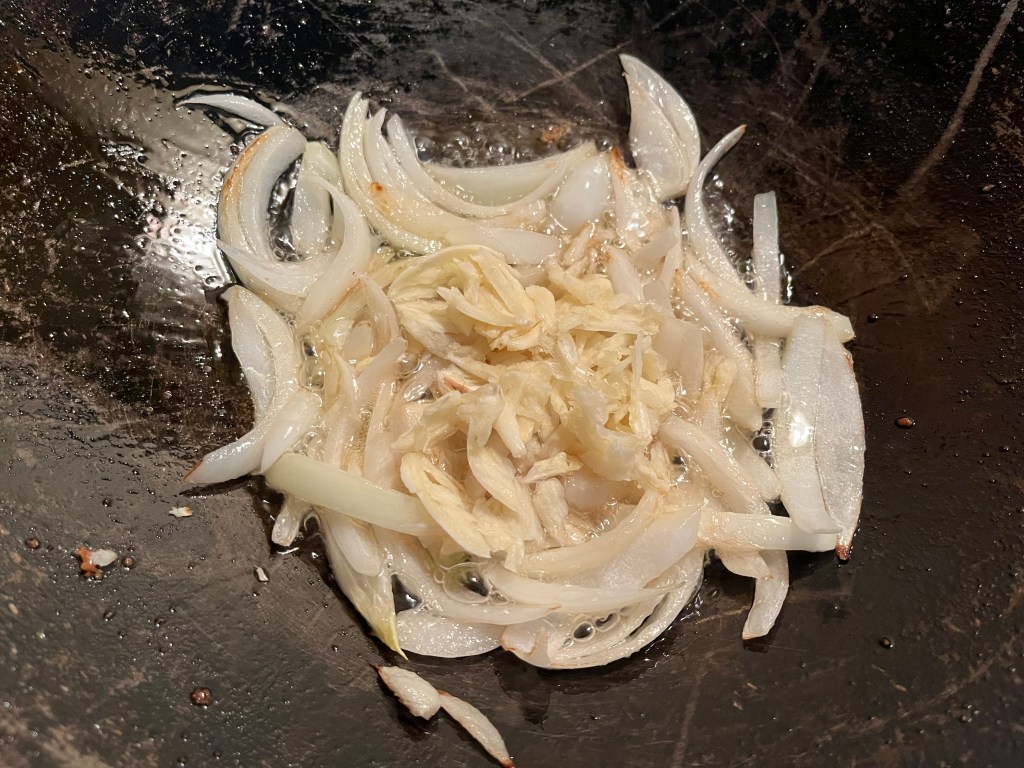
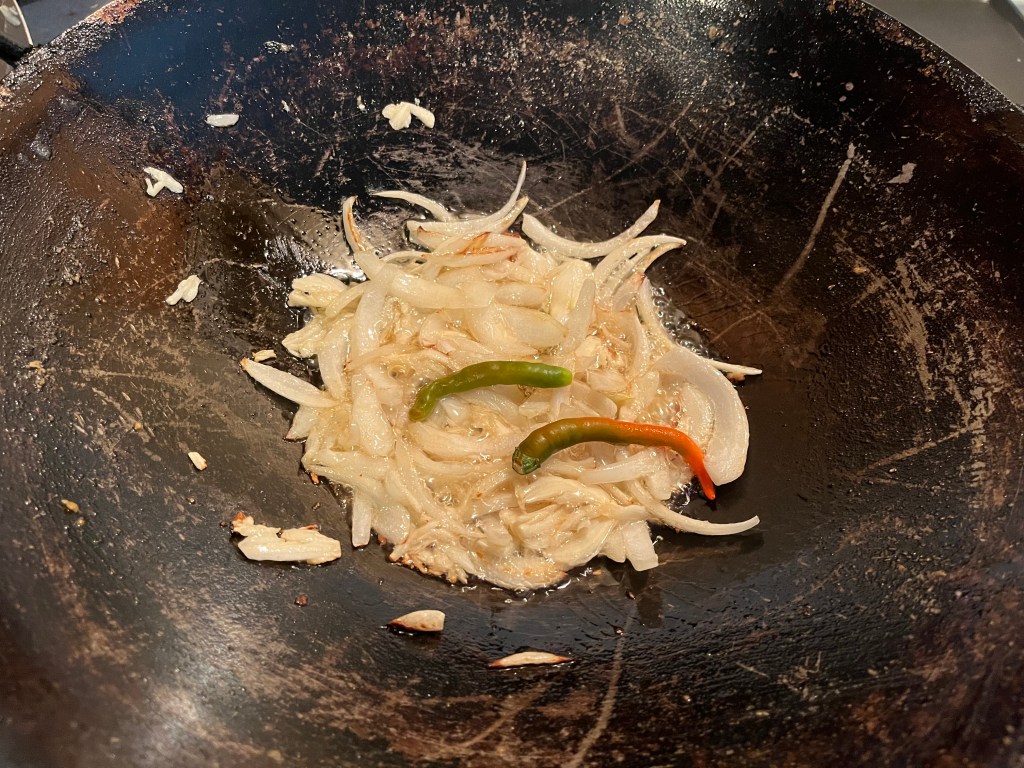
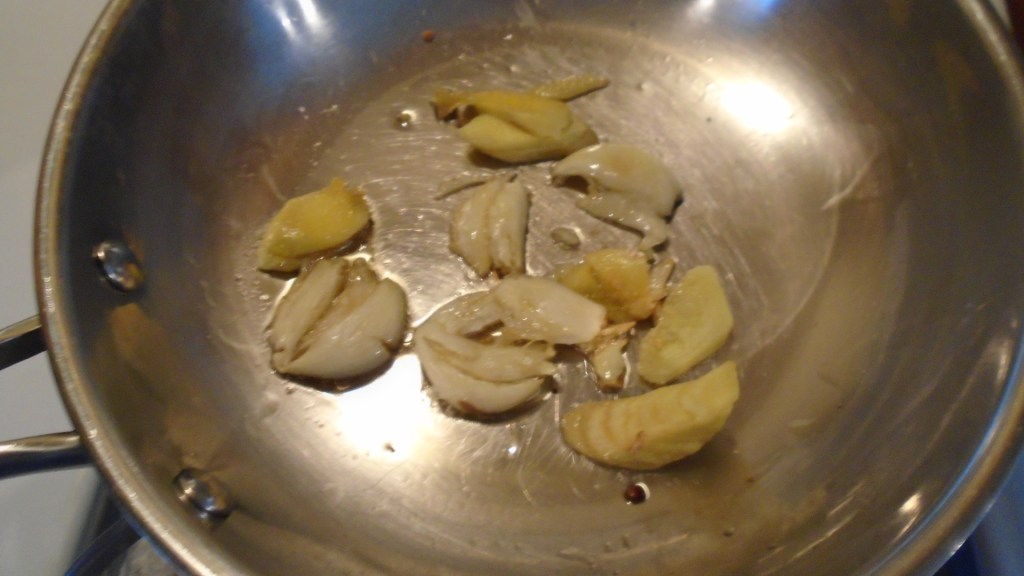
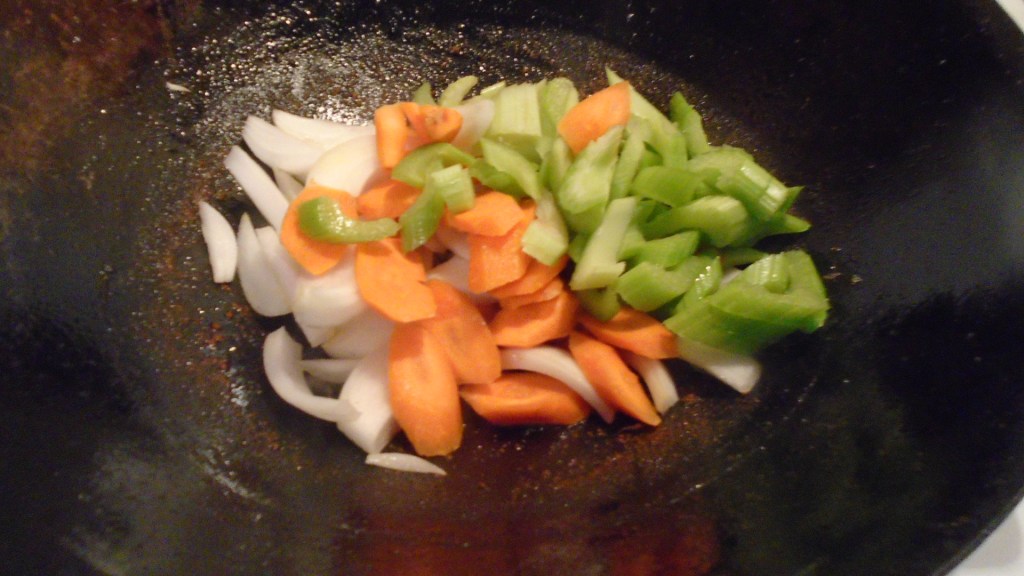
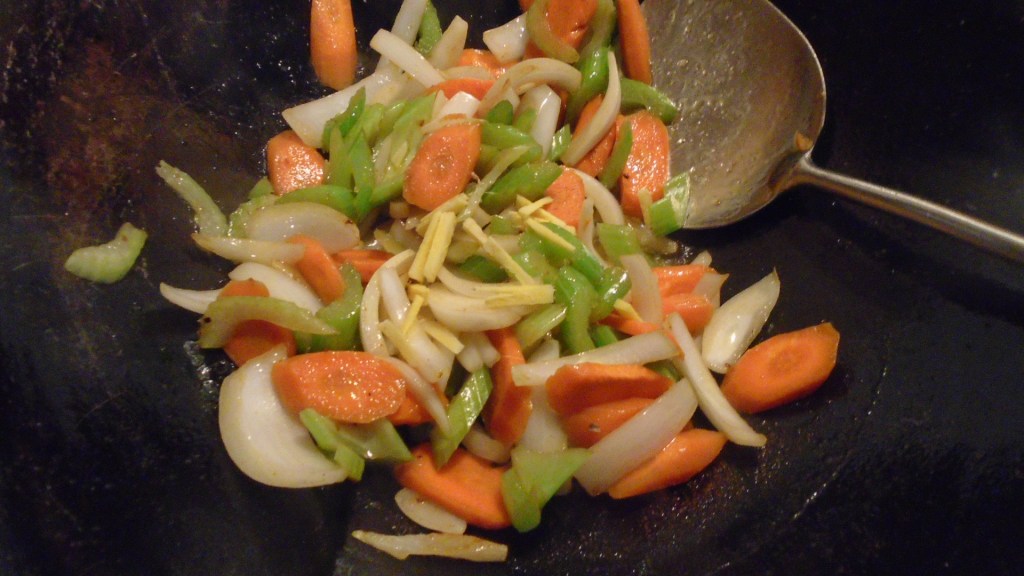
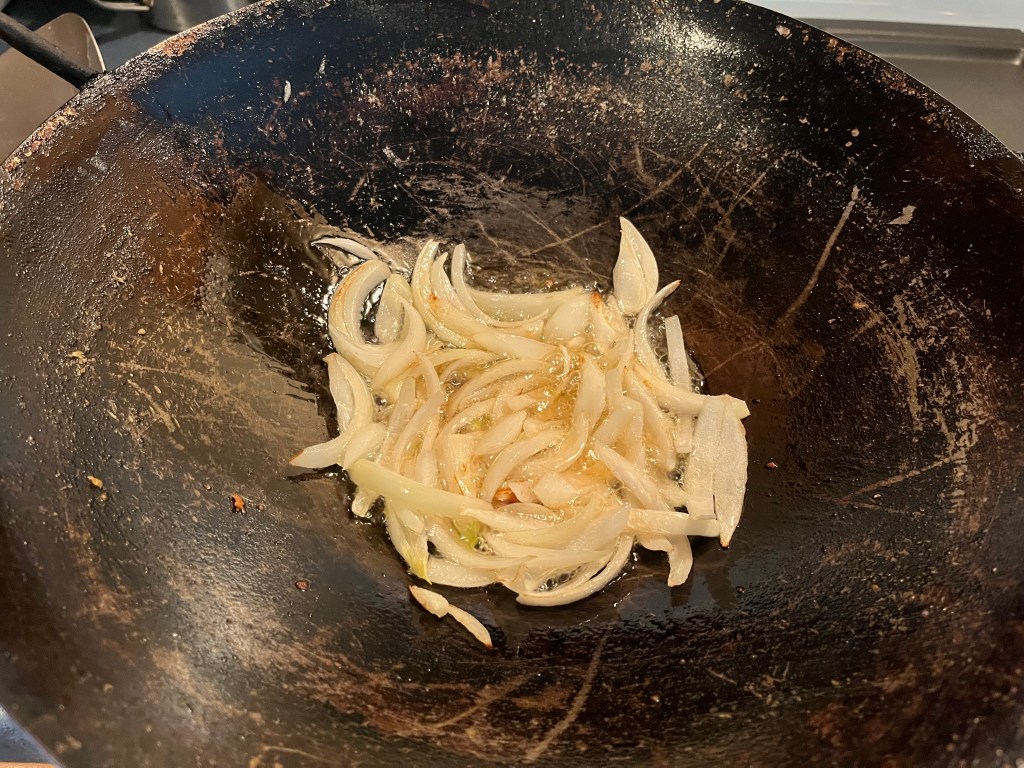
Now that the noodles and chicken were ready, I heated the wok and I added the julienned onions and stirred for a minute, then I added the mashed garlic and stirred another minute, and finally add the Thai chilies.  After a minute more of stirring I removed the onion, garlic, and chilies and set aside. 
I prepared a sauce by combining chicken stock, dark soy sauce, soy sauce, oyster sauce, sugar, and vinegar.  As I mentioned previously, I estimated the amounts, but this is probably close…

1 cup chicken stock

2 Tbs. dark soy sauce

2 Tbs. soy sauce

2 Tbs. oyster sauce

1 tsp. sugar

1 tsp white vinegar

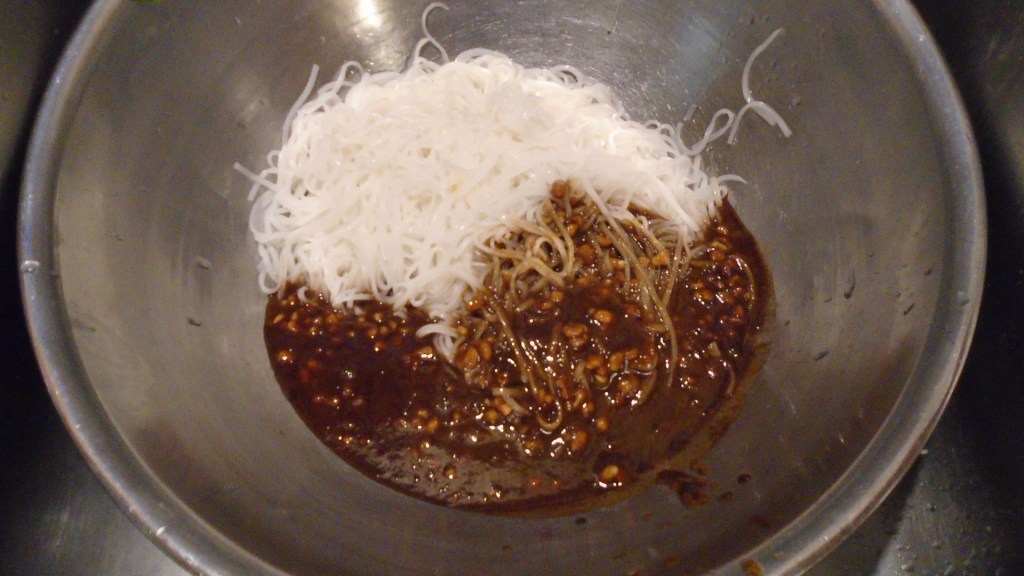
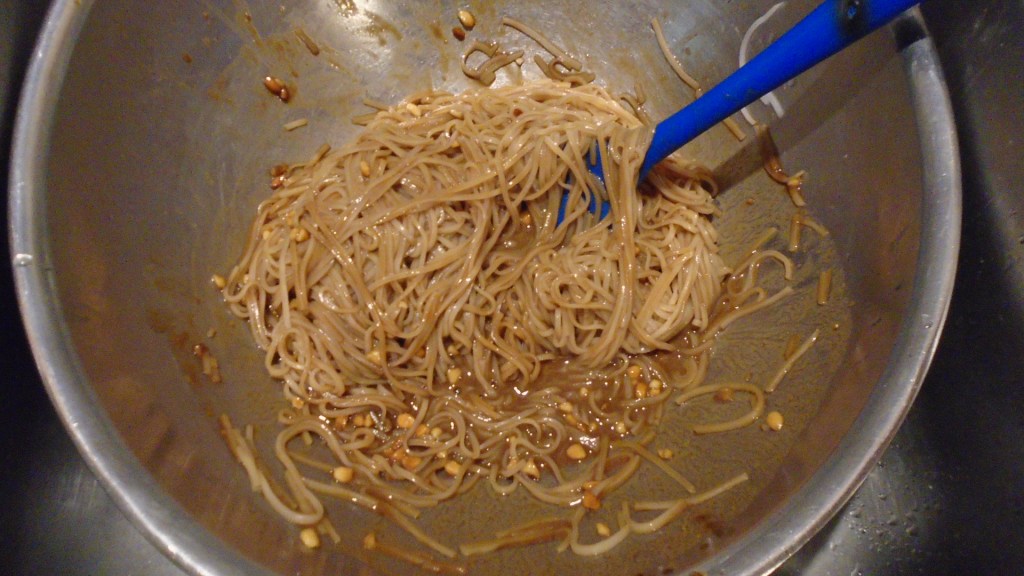
I added the prepared sauce and simmered it at medium heat for a minute and then added the cooked noodles and swirled them in the wok for a minute so that the noodles could absorb some of the sauce, and then I removed the noodles and set them aside.

I pulled out a bit of the sauce from the wok and added some cornstarch to make a slurry.  I added the slurry back into the work and whisked for a minute, until the sauce thickened a little.

I added the enoki mushrooms and simmered for a minute. 

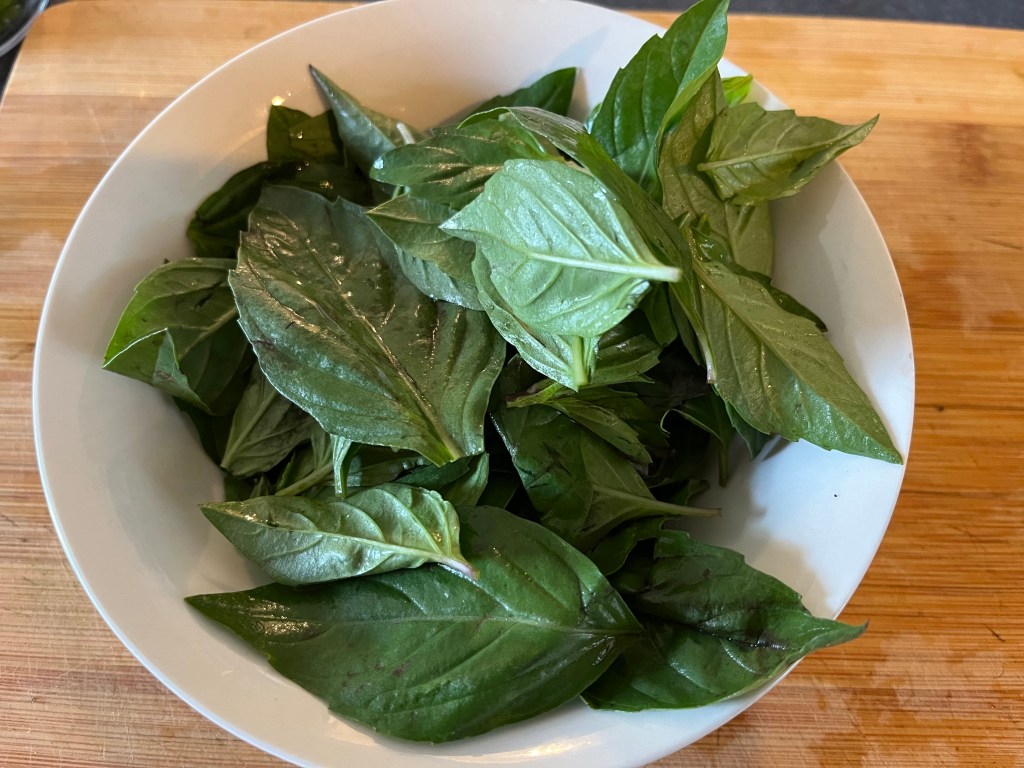
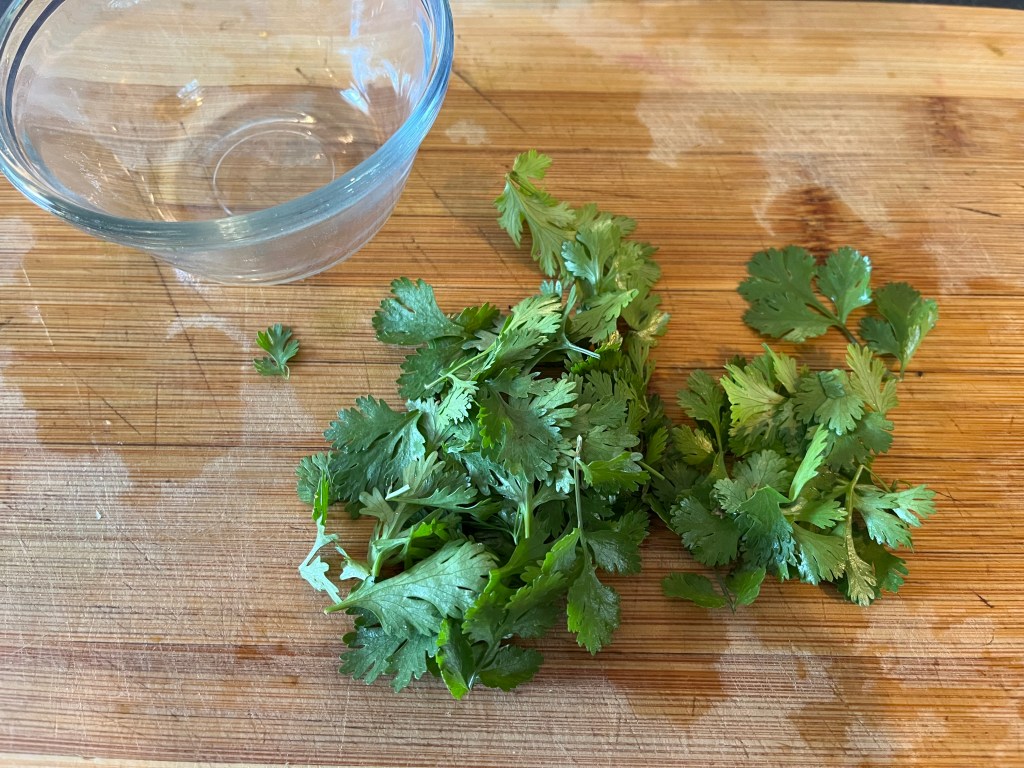
I added the Thai basil and cilantro and turned the heat off.  The basil should wilt, not cook.
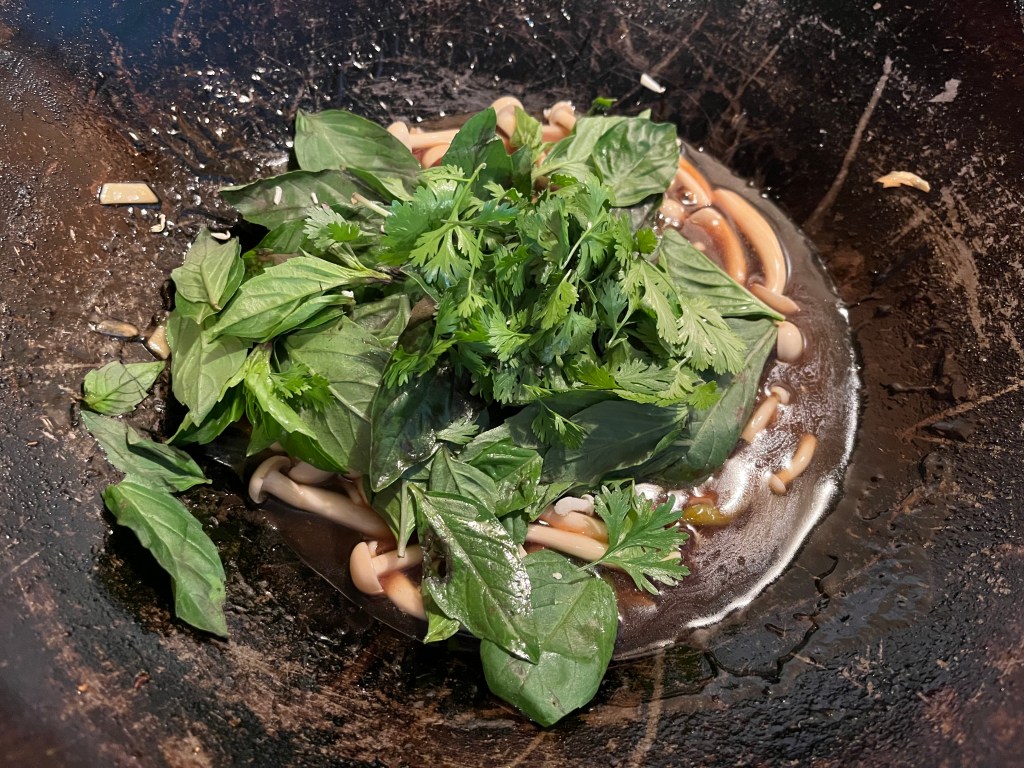
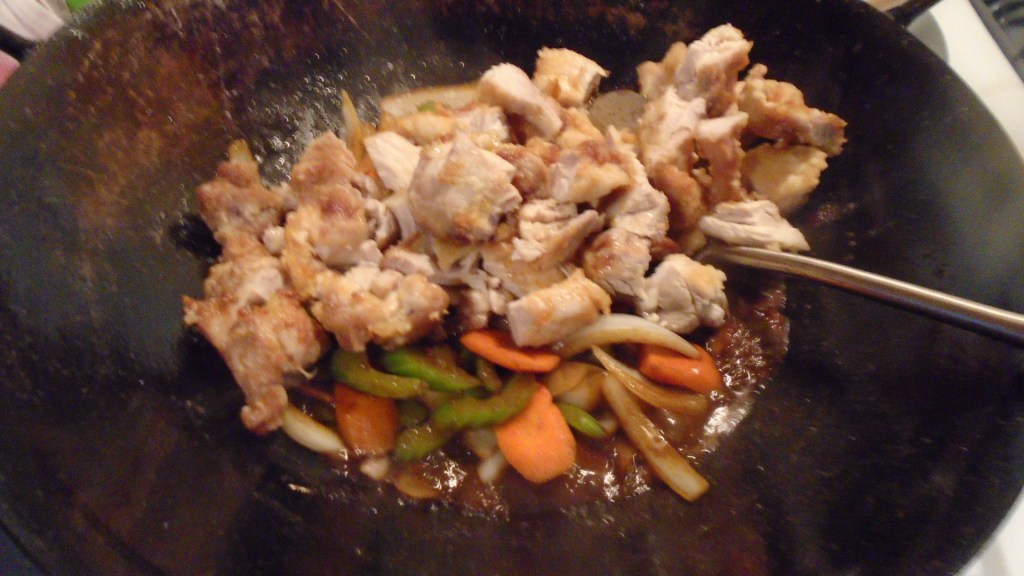
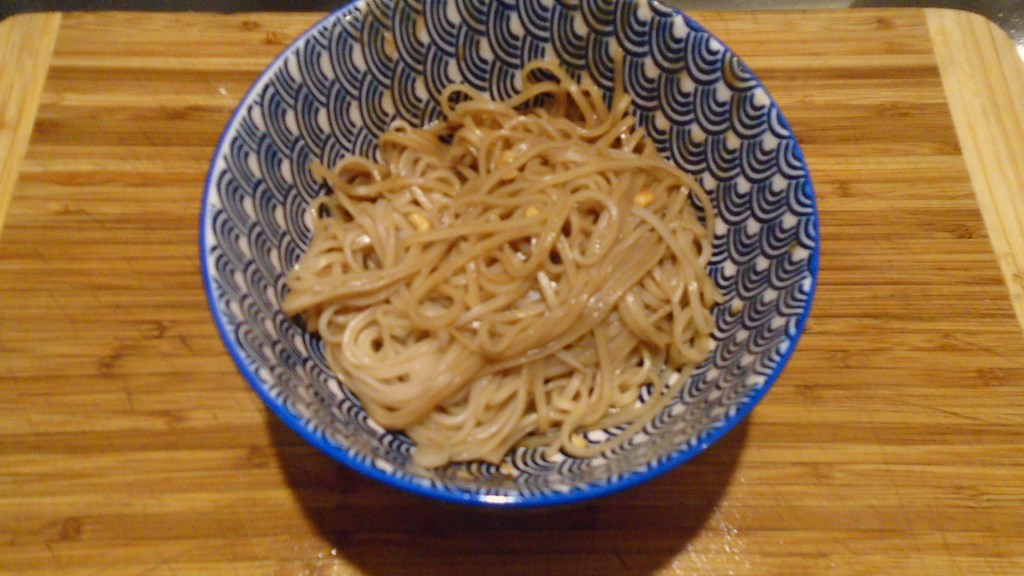
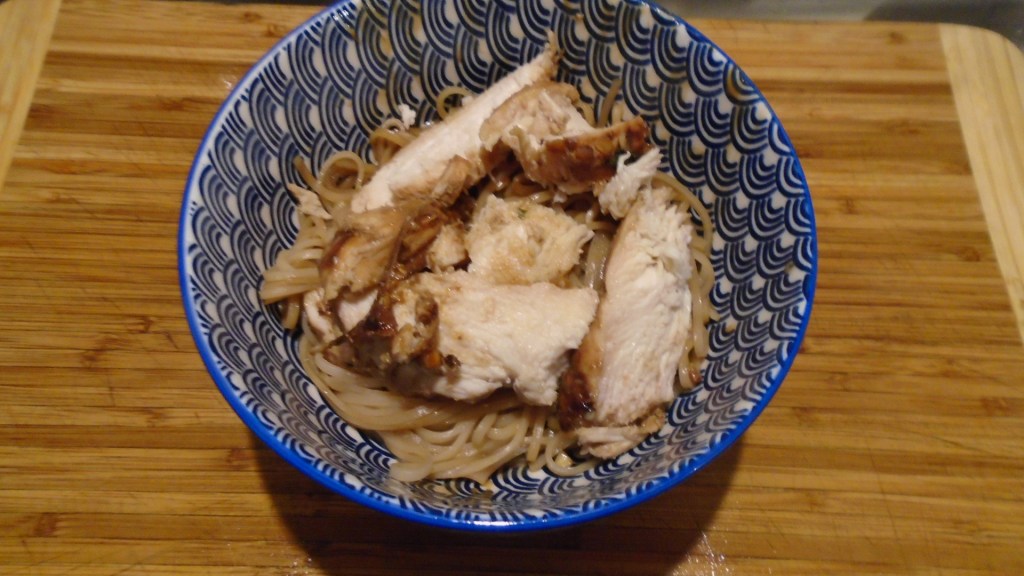
I added the noodles to a serving bowl and topped it with the cooked chicken. I poured the contents of wok over the serving bowl and dinner was served.
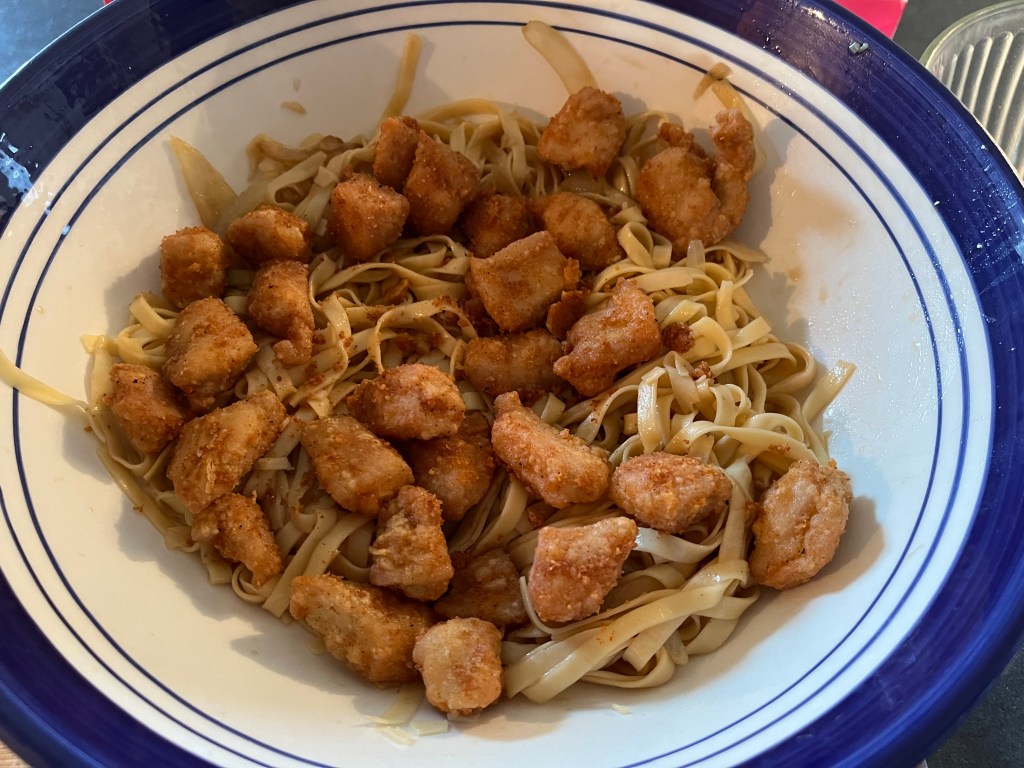
The whole process took about 3 hours, but I was taking my time and having fun.  This could have been accomplished in less than two hours, including prep time and cooking time. 

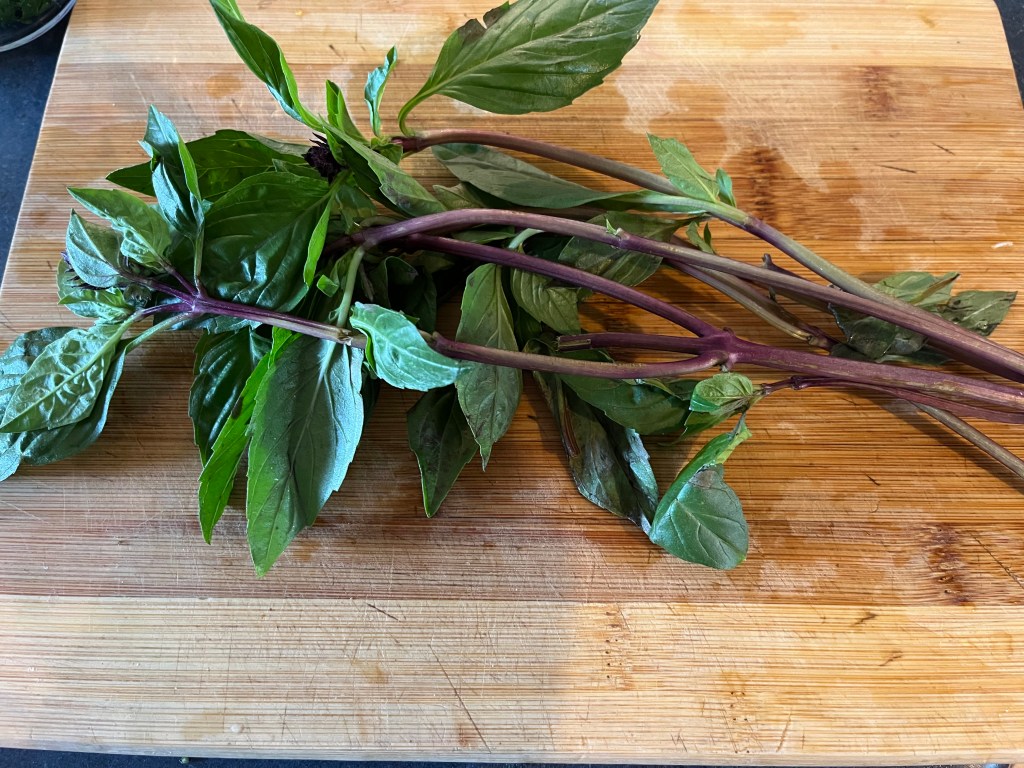
I have to say that I wanted more Thai basil.  The sauce was delicious, full of umami flavor, but the Thai basil played a supporting role, and I really wanted it to be more prominent.  Next time I will add more basil!

Thai Basil

It occurs to me that some recipe ingredients are simply not replaceable.  Oh sure, shallots might be substituted with some white onion and a sliver of fresh garlic, or a splash of ketchup might suffice in a pinch, instead of a dollop of tomato paste, but some food items are so unique that I just can’t make an exception.  Cilantro is one of those, and habanero chile is another.  Their flavors are so unmistakable that their omission, or substitution is noticeable.  I’m adding another item to the list: Thai basil. 

If I had to describe Thai basil, I would say that it is a bit like a combination of regular basil and mint, but that falls short of the full range of flavor.  There is also a hint of anise, and the leaves and stems are bigger and sturdier than regular mint. 

Food memories are some of my most indelible memories and I can easily recall the first time I had Thai basil.  It was 1987, in Dallas, Texas, at a neat little restaurant called Thai Soon.  The owner, “Soon,” ran the restaurant on trendy Lower Greenville Avenue.  (Last time I checked, she’s still in the restaurant business, but has moved to nearby Richardson, Texas.)

I experienced a few “firsts” at Thai Soon.  First time to have Thai chilis, first time to walk into a restaurant kitchen, uninvited, just so I could salute the chefs.  But my favorite first was my introduction to Thai basil. 

Thai Basil played a reoccurring role in many of Soon’s recipes.  Pungent and pervasive, and often playing second fiddle to delicious soups and spicy chilis, Thai basil was subtly woven into many delicious recipes, like threads of wool, woven into a comfortable, warm sweater.

Fresh Thai basil can be found in many international markets.  Use the leaves to liven up a soup or salad, or add them to a stir-fry dish, or add them to a pita wrap, burrito, or a spring roll rice paper wrap. 

Wu Mu Noodles with Tofu

Just about every Chinese New Year I get the urge to make Chinese food.  Sometimes I keep things simple and at other times, I go all out and make a feast, and when I don’t have the urge (or the time) to cook, I just go out for Chinese food. 

This year I wanted to cook, so I went to my favorite little Asian market to look for ingredients, including Chinese long noodles.  After searching the aisles for several minutes all I could find were clear rice noodles and curly egg noodles.  I was left with two options: 1) Admit defeat and forget about the noodles, or 2)  go to the front of the store and ask the woman at the check-out counter for help.  I know from previous experience that the woman at the counter, who might be the proprietor, spends much of her time barking out commands, in Chinese, to other store employees, sticking price tags on items, and working the cash register.  She also understands very little English, and I don’t speak even the tiniest bit of Mandarin or Cantonese.  So, my choice was clear. 

I navigated my way through the narrow aisles up to the register counter to have a chat with the Asian woman. 

I feel like I should, at this point, paint a picture of the scene.

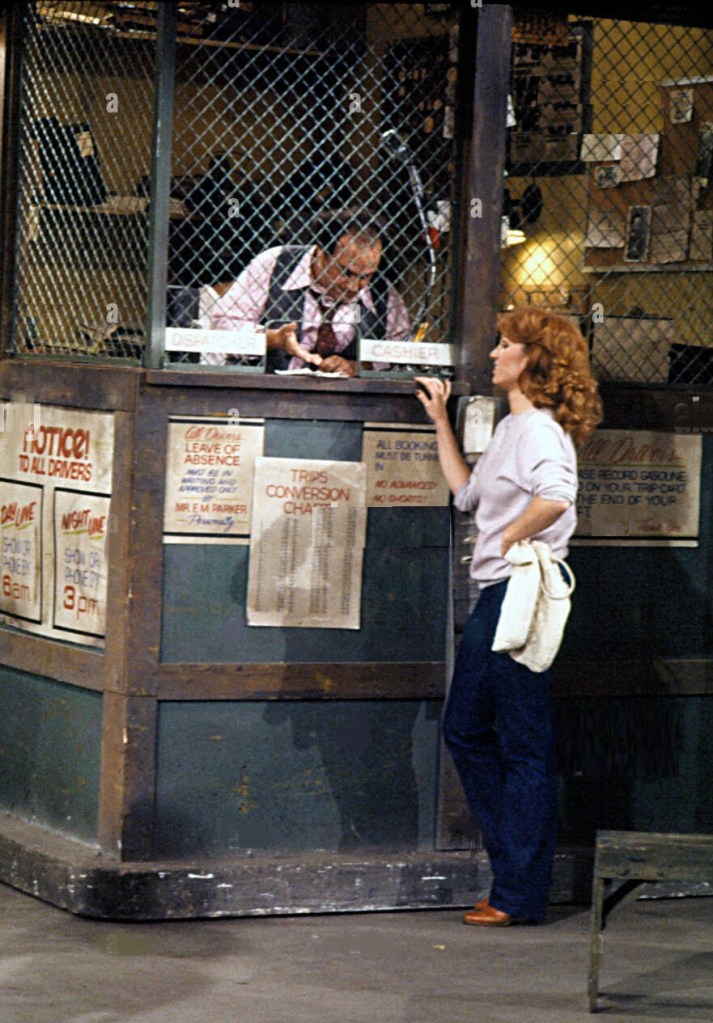
The register counter is elevated above the rest of the store floor and is enclosed by wooden panels and a clear, protective plastic curtain, installed at the onset of the Covid-19 pandemic.  Every place in the store feels tight and claustrophobic and the front counter is certainly no exception.  There, raised above the store patrons, behind the hanging plastic curtain, that had become blurred by grime during the last few years, sits the middle-aged Asian lady, wearing a surgical mask, covering her mouth and nose.  It is reminiscent of a dystopian Terry Gilliam movie, but it also reminds me of Danny DeVito, from the TV series, Taxi.

“Do you have Wu Mu noodles?”, I asked, with my best, clear and precise diction, hoping that would help her understand me.  Her response was not in English, and it sounded to me like she said, “I take jaguar.” She shook her head as if to signify that she didn’t understand my question.  I rephrased my question a few more times to see if she could latch onto something I was saying.  I eventually stripped it down to “Chinese noodles.”, and she perked up a little and climbed down from her perch and waved at me to follow her. 

We went down one of the aisles that I had already visited and she began pointing to different kinds of noodles as I shook my head at each of her suggestions.  I sensed that she was getting tired of this little game as much as I was, so I decided to try pantomime.  I pretended to make noodles, by stretching my arms and hands outward and slapping imaginary noodles down on an imaginary table.  She gave me a knowing look and guided me to the end of the aisle and pointed to a large box of noodles.

The box reminded me of a boxed set of record albums, big and squarish.  I purchased the four-pound box of Chinese Wu Mu noodles, and I left the store feeling accomplished and satisfied. 

Four pounds of dry noodles is a lot of noodles!  You can expect several future posts that feature them.

Wu Mu noodles, also known as Wu Long noodles are one of the most common types of noodles in China and they are exported throughout the world.  All you need to do to find them is gesticulate wildly with your hands until some kind soul guides you to them.

Wu Mu noodles are steeped in tradition.  They represent good fortune and long life, and it is bad luck to break them during the cooking process or to cut them while eating them.  This can lead to a lot of slurping at the table, and that’s quite alright.

This recipe only calls for a few ingredients.  I made my own sauce for the stir-fry but that could easily be replaced by a store-bought sauce of your choice. 

The noodles and tofu are simple vehicles for the sauce.  Make your sauce sweeter by adding more Hoisin sauce, make it saltier by adding more soy, or make it spicier by adding hot sauce, or chili paste. 

Ingredients for the sauce:

½ cup soy sauce

½ cup water

1 teaspoon sesame oil

1 teaspoon black soy sauce (sweet soy)

2 teaspoons rice wine vinegar

3 garlic cloves, mashed and minced

1 Tablespoon brown sugar

1 Tablespoon cornstarch (or another type of starch)

1 teaspoon garlic chili paste

Ingredients for the stir-fry

12 ounces dry Wu Mu noodles (parboiled to al dente)

1 16-ounce block of firm tofu, pressed and drained, cut into 1 inch cubes,

1/4 cup cornstarch

1 tablespoon fresh ginger, thinly sliced

3 small bok choy – about 1 pound (or any other Asian cabbage), chopped

1 large carrot (or 2 medium carrots), sliced

½ onion, thinly sliced

1 large celery stalk, sliced

½ bell pepper, thinly sliced

Directions:

Press the tofu to remove excess moisture by placing the tofu between paper towels and laying a heavy object on top of the top.  Allow the tofu to dry for an hour, replacing wet paper towels as needed.

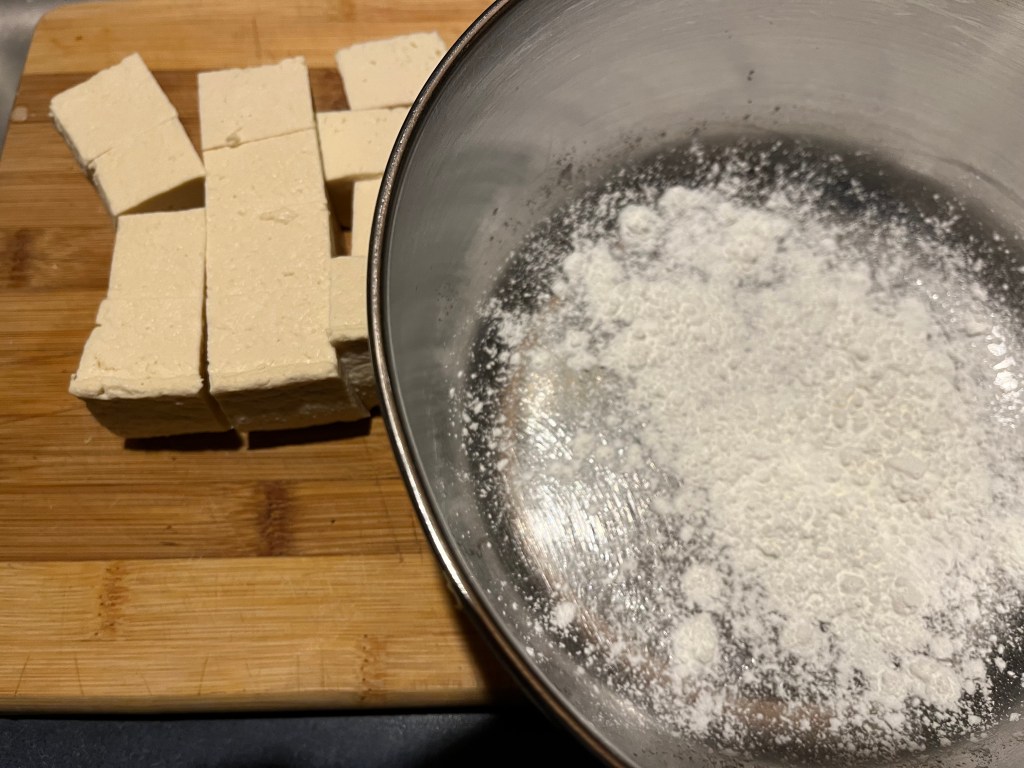
Dust the tofu cubes with the cornstarch.

In a large frying pan, add a little oil and set heat to high.  Sear all sides of the tofu pieces until they are lightly browned.  Remove from the pan and set aside.  Searing the tofu is optional.  I wanted the tofu to have a bit of crispy texture.

Prepare the sauce by mixing all of the ingredients.  Set aside.

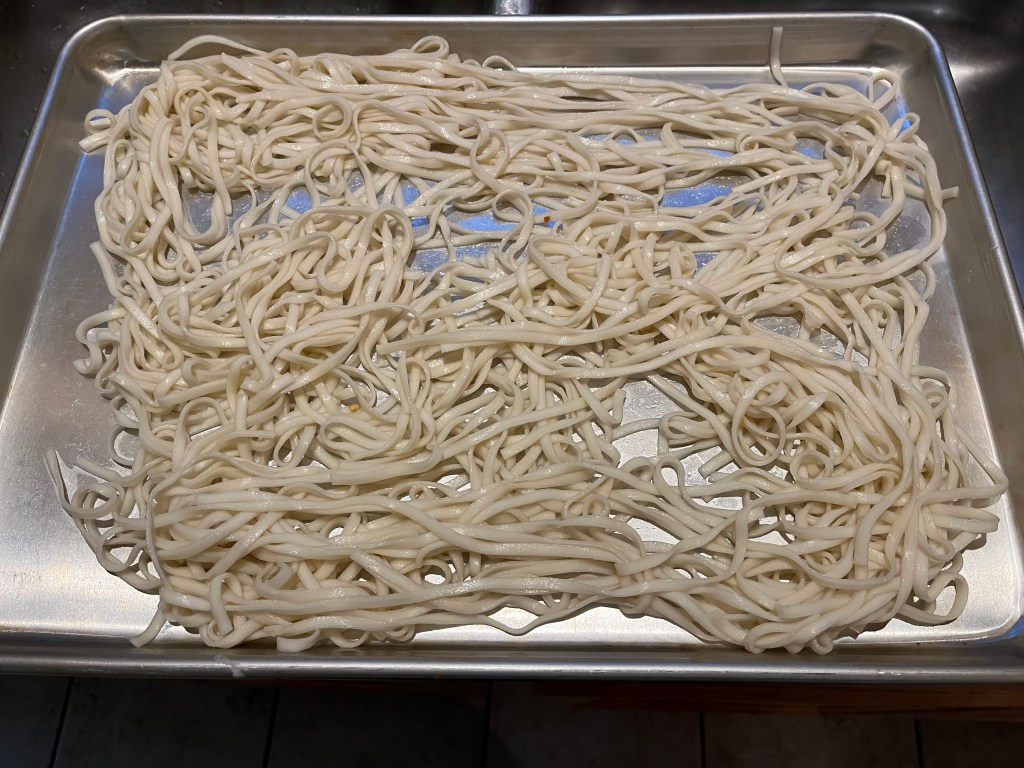
Boil the noodles in a large pot until they are al dente.  Strain the noodles and set aside.

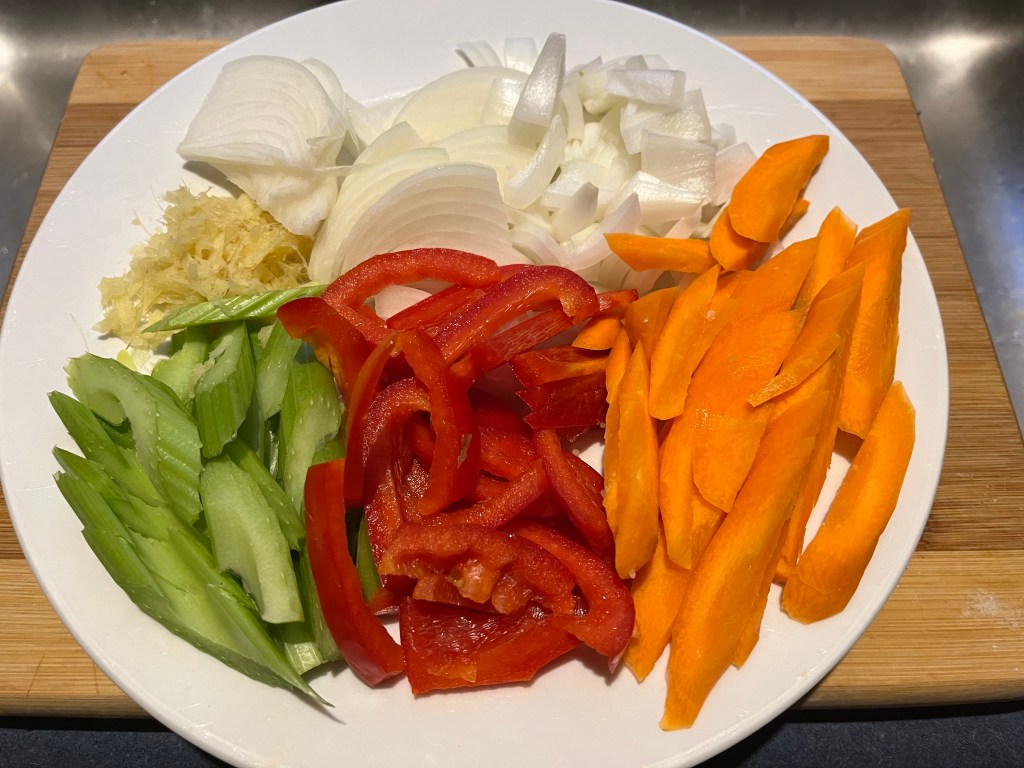
Prepare the vegetables by chopping and slicing and set them aside.

Heat a few tablespoons of oil in a large wok.

Add the ginger and remove after a minute or two.  Discard the ginger.

Add the carrot to the wok and stir for a few minutes.  Add the bok choy and toss.  Add the onion, celery and bell pepper.  Stir until the vegetables are tender, but not overcooked.

Add the sauce and stir.  Add the tofu and continue to toss for another minute.

Add the noodles and toss to coat the noodles with the sauce.

Remove everything to a large serving bowl and serve warm.

Seafood Mushrooms

For me, a trip to a farmers’ market is like a holiday.  Going to an international farmers’ market is like a romp through Disney World’s Magic Kingdom!  I run from one produce aisle to another, like a kid on a sugar rush, gawking at all of the wonderful, magnificent fruits and vegetables.  “Oooh, they have Sumo oranges!  Wow, durian fruit…that’s scary!  Hey, look at all the types of bok choy…which kind should I choose?” 

The “thinky” part of my brain, that causes me to come to the market in the first place, just to buy a thing, gives way to the impulsive, spastic part of my brain that screams, “Grab everything…you’ll figure out what to do with it when you get home!”

On this particular trip to the international farmers’ market, after making the rounds through the produce aisles twice, I found my way back to the refrigerated display case that houses the fungi, you know, all the different kinds of mushrooms.   I was drawn to a small package of slender, white mushrooms that were labeled, “Seafood Mushrooms”.  I had no idea what seafood mushrooms were, which is ultimately what compelled me to buy them.  I guess I’m a sucker for a good mystery!

When I returned home, I consulted the all-knowing internet to see what seafood mushrooms were and how they are used in recipes. 

Here’s what I found:

Seafood mushrooms are a smaller version of Enoki mushrooms.  They are white mushrooms with long, white stems and mushroom caps. The mushrooms have a mild, earthy, slightly sweet flavor and they taste a little like seafood when cooked, with a subtle flavor of lobster or shrimp.  They are crunchy when raw and become chewier, the longer they are cooked.

Since I only bought a small, five-ounce package of mushrooms, I decided to make an appetizer that would feature the mushrooms prominently. 

Seafood Mushroom Stir-Fry

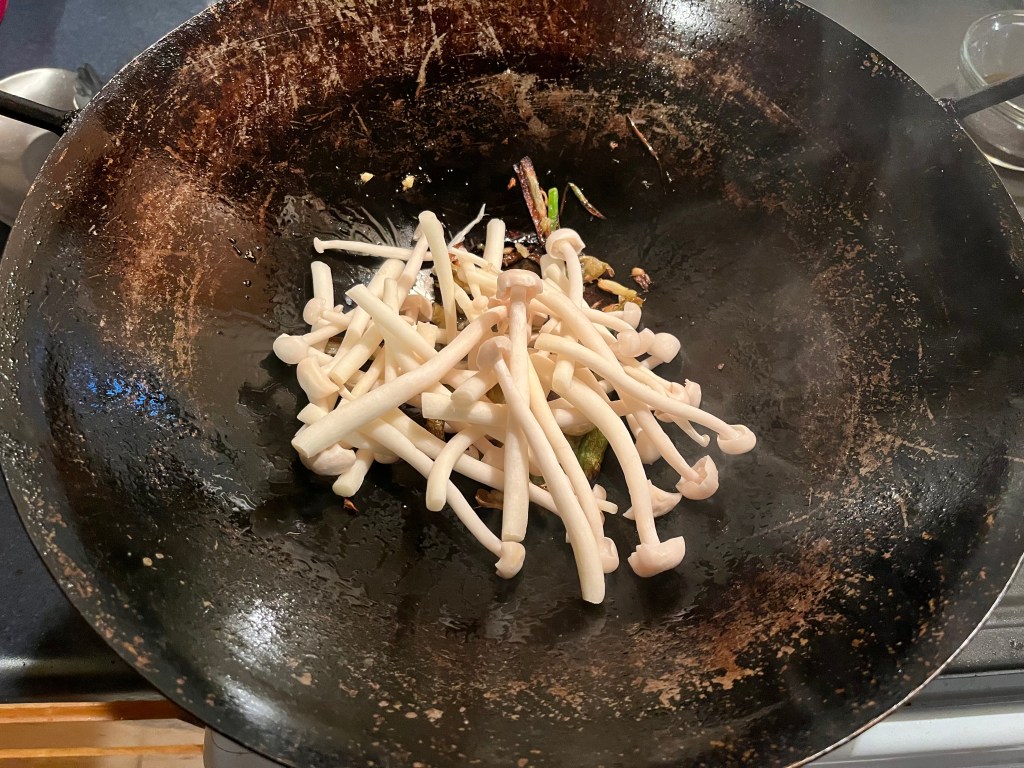
Prepare the mushrooms.  Rinse the mushrooms under cool running water.  The mushrooms are conjoined in a bundle at the base, which needs to be trimmed away to separate the mushrooms. 

Ingredients:

1 Tablespoon olive oil

3 green onions, white parts only, cut lengthwise

1 Tablespoon fresh ginger, grated

5 ounces seafood mushrooms, cleaned and separated

2 teaspoon soy sauce

1 Tablespoon Hoisin sauce

Directions:

Heat a wok to medium heat.  Add oil and green onion. 

Stir frequently for two minutes.

Add grated ginger and stir for one minute.

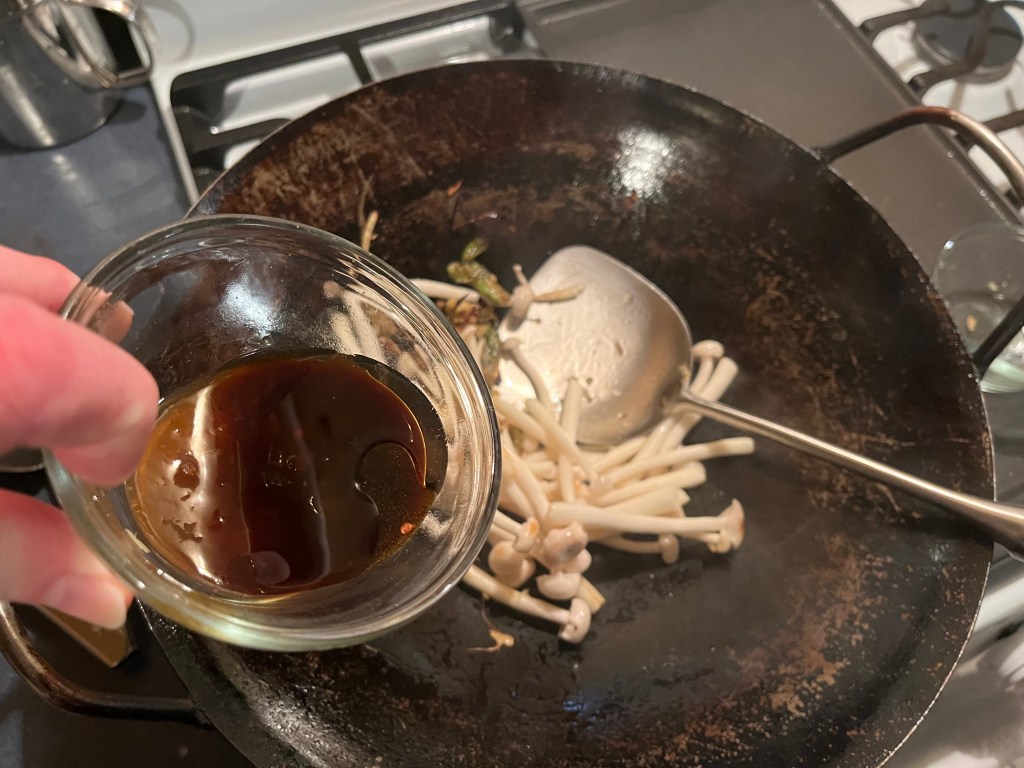
Add mushrooms, soy sauce and Hoisin sauce.

Stir for two to three minutes.

Remove and serve in small serving bowls.

Shrimp and Eggs

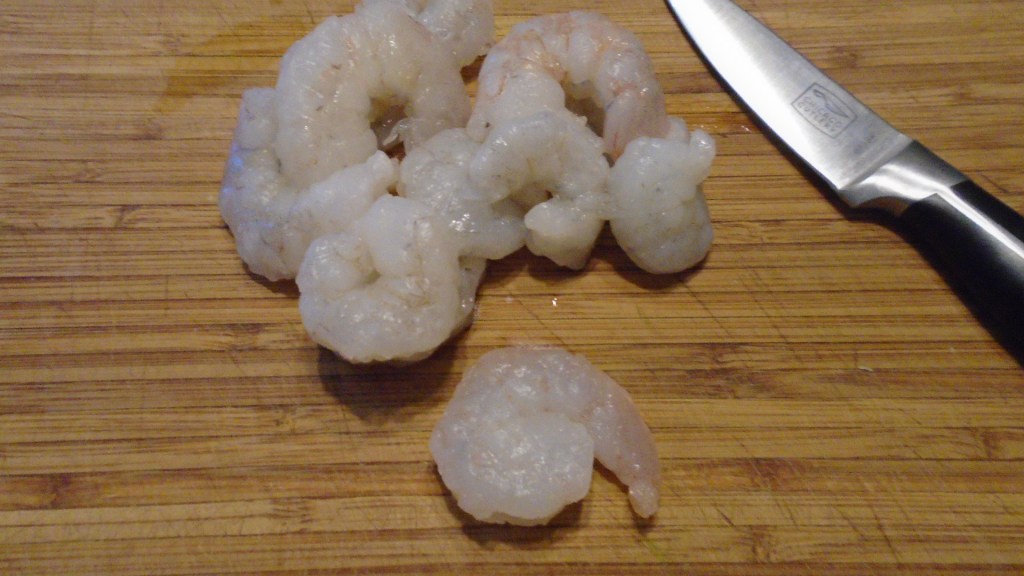
Is it just me, or does the idea of combining shrimp and eggs just seem weird?  Oh, I’m sure that there are bound to be chefs out there that know recipes that call for shrimp and eggs but, I’m just a simple home cook and, until this morning, shrimp and eggs lived in two different worlds. 

Eggs are extremely versatile, and there are many ways to prepare shrimp but, combing them into one dish never crossed my mind.  That all changed when I found some raw shrimp in the refrigerator this morning.  My daughter made (excellent) shrimp quesadillas a few nights ago and there were a few shrimp left over.

Raw shrimp doesn’t last long in the refrigerator so, quick action was needed.  I had planned on making simple scrambled eggs in the wok for breakfast but, I felt a sudden compulsion to marry the shrimp and eggs.  It was a beautiful ceremony!

Ingredients:

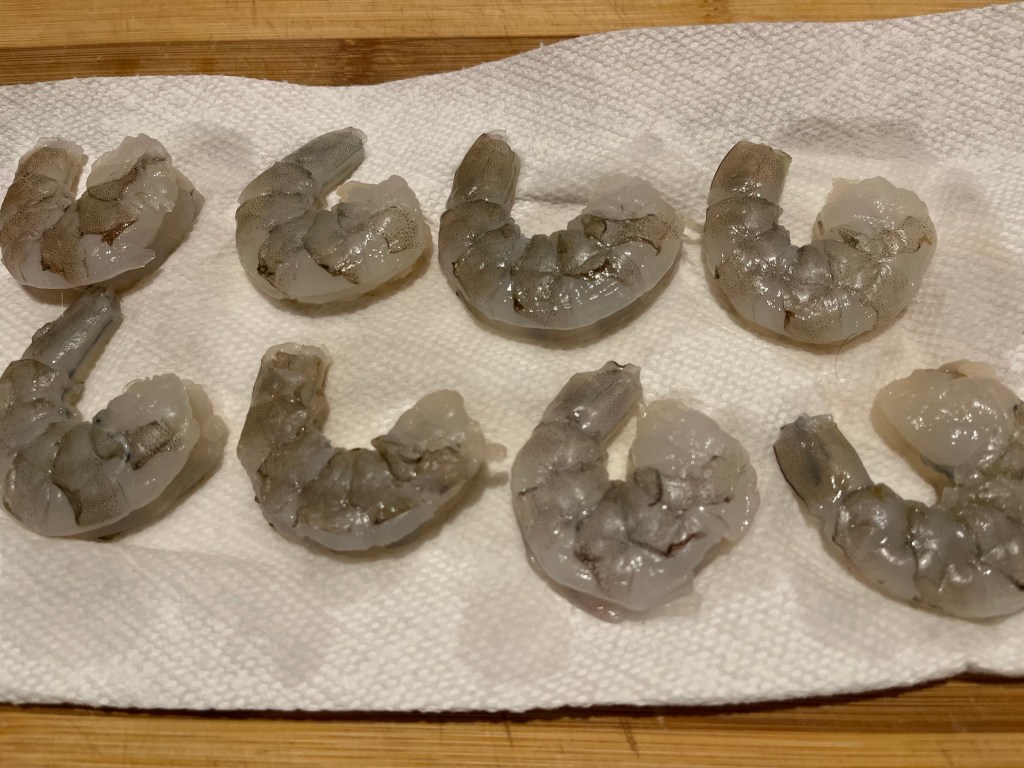
8 large, raw shrimp, peeled and deveined

4 large eggs

1/4 cup chicken broth

Salt and black pepper, to taste

1/2 teaspoon sake

1 teaspoon oyster sauce

1 green onion, thinly sliced on the diagonal

2 Tbs canola oil

Directions:

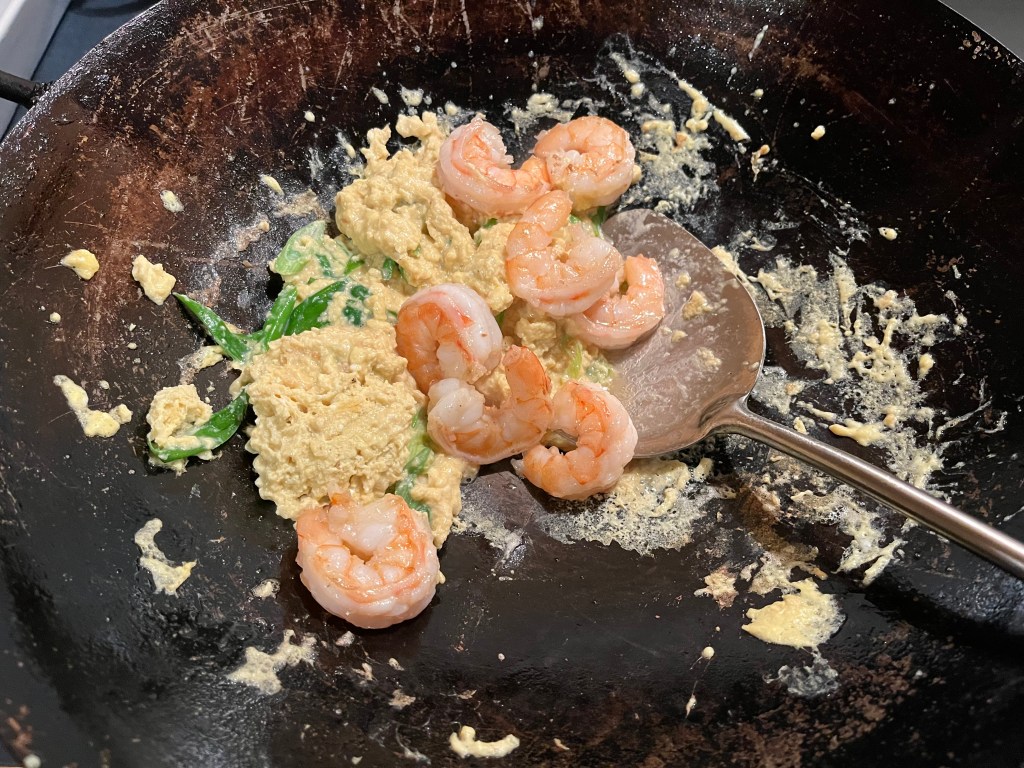
In a bowl, lightly beat the eggs.  Add chicken broth, salt, pepper, sake and oyster sauce.  Stir quickly, to incorporate.  Add green onions.

Heat a wok to medium-high heat.

Add 1 tablespoon of oil to the wok. When the oil is hot, add the shrimp.

Briefly stir-fry the shrimp until they turn pink. This might take only one minute.  Remove the shrimp and set aside in a warm place.

Add a tablespoon of oil into the wok and turn the heat on high.  When the oil is hot, add the egg mixture.

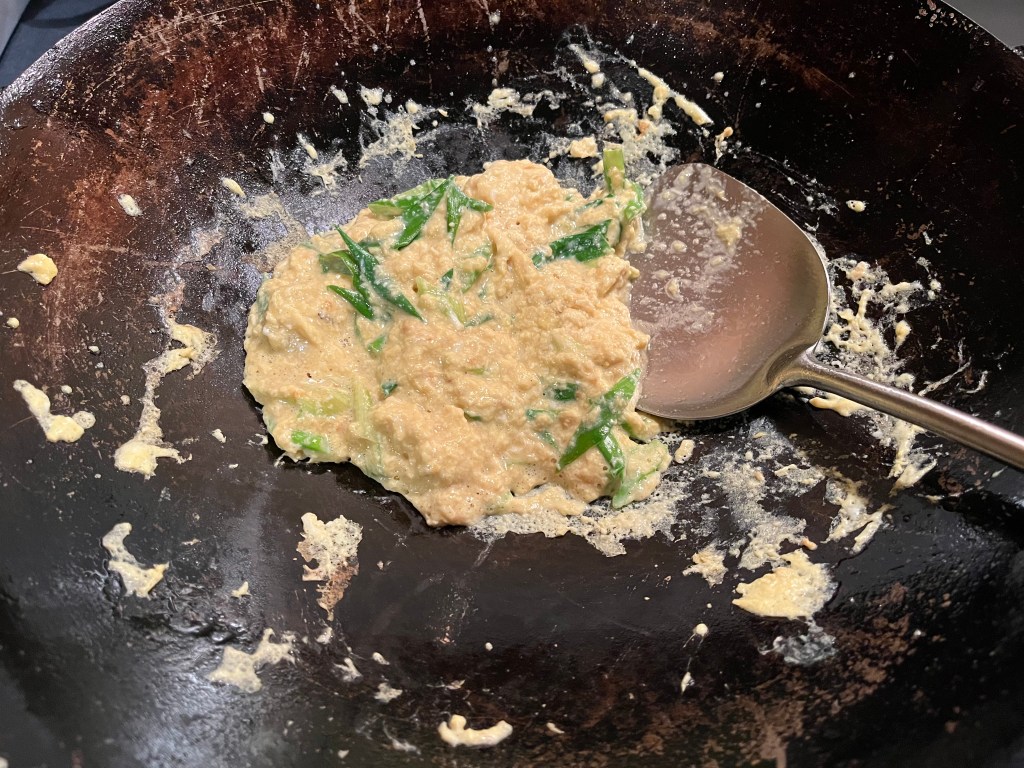
Scramble gently for about 1 minute, then return the shrimp to the wok.

Continue scrambling until the eggs are almost cooked. Remove from the heat and let it rest for a minute before serving.

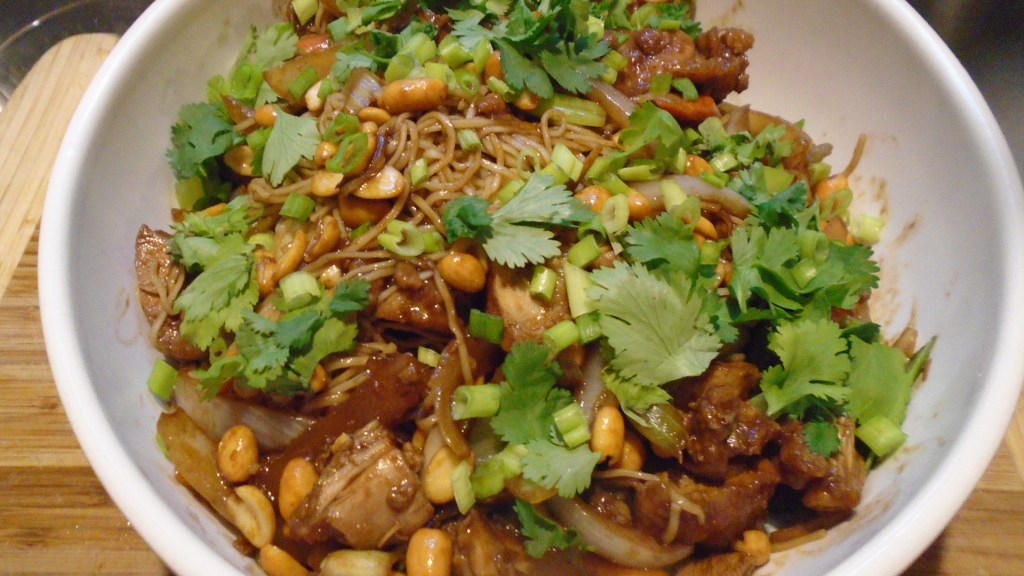
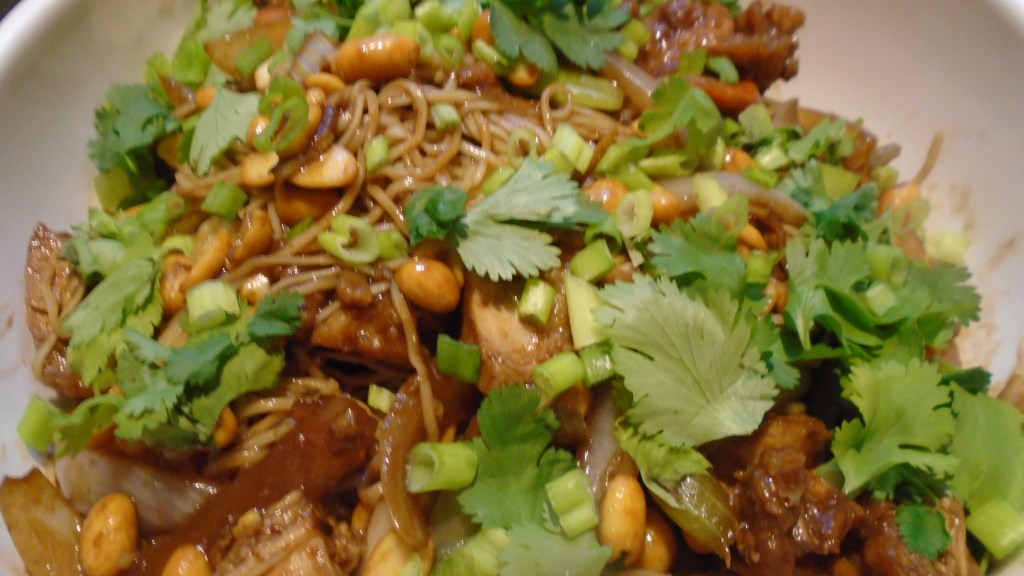
Kung Pao(ish) Chicken

宫保鸡丁 (ish)

Kung Pao Chicken is an American Chinese Restaurant staple and I’ve had many variations.  Kung Pao Chicken is one those versatile recipes that can be interpreted in many ways.

After a little research, I found that an authentic Kung Pao sauce is made with lychee, a tropical fruit, which I think looks a little like a sea urchin.  You can decide for yourself.

I’m just a home cook and I rarely go out of my way to find exotic ingredients.  I tend to look inside my pantry and find things that can substitute “authentic” elements for a recipe.  Sichuan cuisine is all about umami, the stimulating flavor of sweet, sour, acid and spice.  I combine a variety of common elements to achieve the umami sensation, and that’s exactly what I did for this dish.  It’s not authentic but, I attempted to stay true to the spirit of the dish.  It’s just me, putting things together in a thoughtful way, just like any good home cook would do.

Sauce Ingredients:

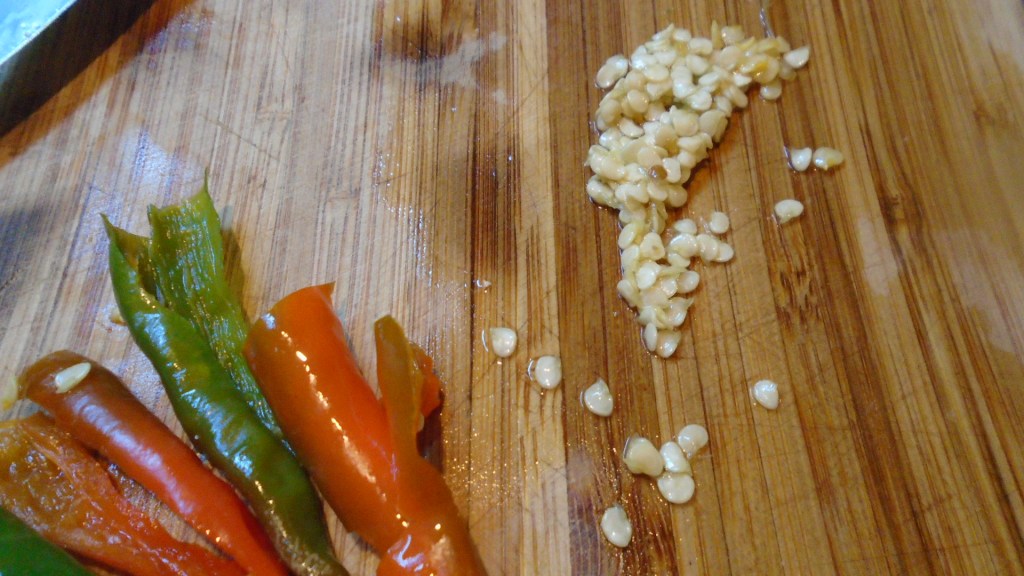
4 Thai chilis, remove seeds and reserve.  Reserve chilis for the stir fry.

1 inch fresh ginger, thinly sliced

3 garlic cloves, mashed

1 Tbs cooking oil

¼ cup dark soy sauce

1 Tbs soy sauce

1 Tbs peanut butter

1 Tbs sambal oelek garlic chili sauce

1 Tbs molasses (or Hoisin sauce)

1 tsp sesame oil 

2 tsp cornstarch

1 Tbs. vinegar

2 Tbs water

1 tsp sugar

Stir-Fry Ingredients:

8 ounces of dry Asian noodles

1 Tbs cooking oil

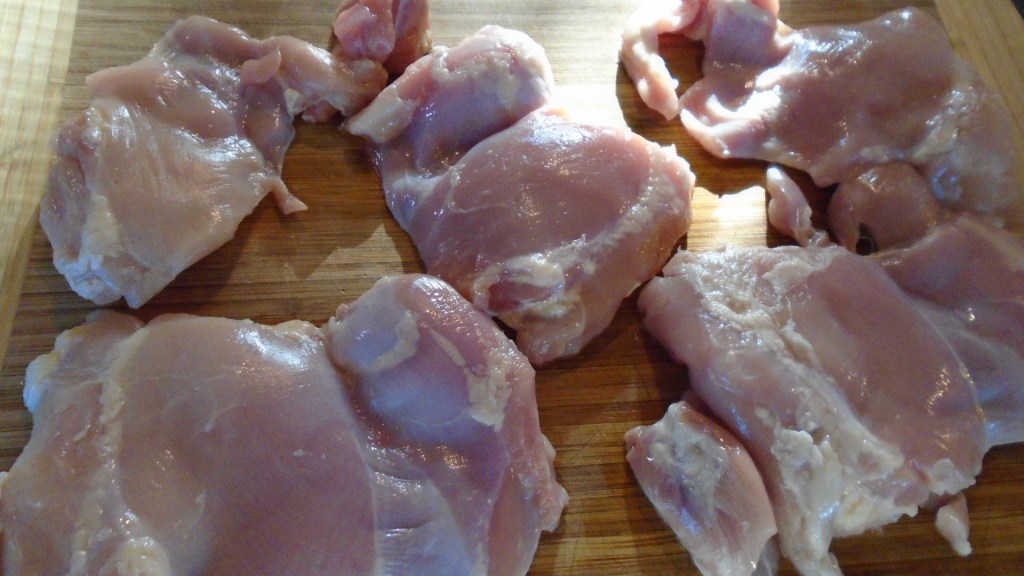
1 pound boneless skinless chicken things, cut into bite-sized pieces

2 Tbs cornstarch (or rice starch)

3 celery stalks, cut into bite-sized pieces

2 large carrots, diagonally sliced into ¼” thick

1 medium yellow or white onion, Julienne sliced

1” piece of ginger, cut into small matchstick-sized pieces

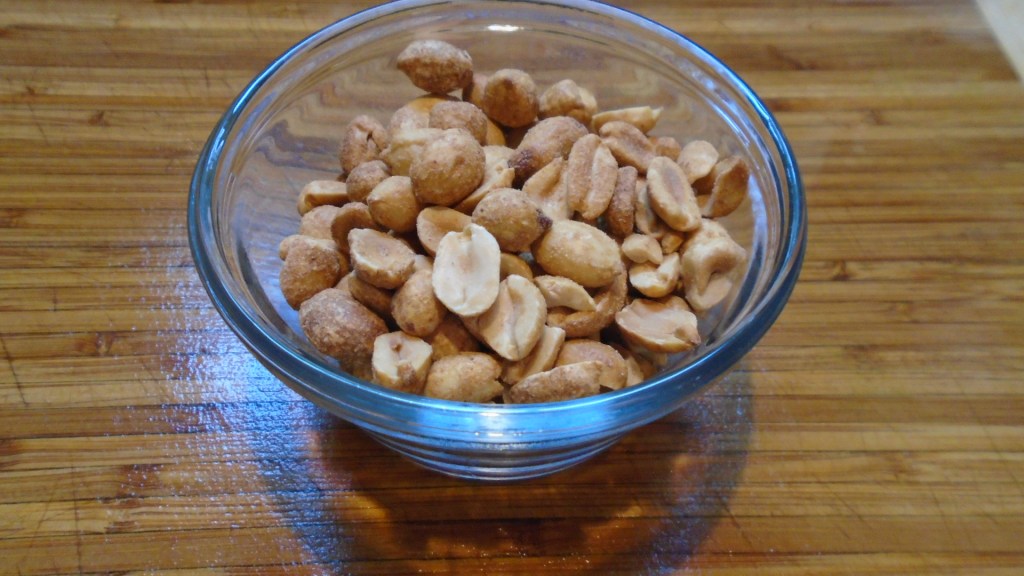
1 ½ cups roasted peanuts (salted or unsalted – I used sweet chili roasted peanuts)

2 Tbs toasted sesame seeds

3 green onions, chopped

½ cup fresh cilantro leaves

Directions:

Prepare the sauce.  Cut the chilis in half, lengthwise, and remove the seeds.  Separate the seeds and set aside.  Slice the ginger and chop the garlic.  Set these aside.   

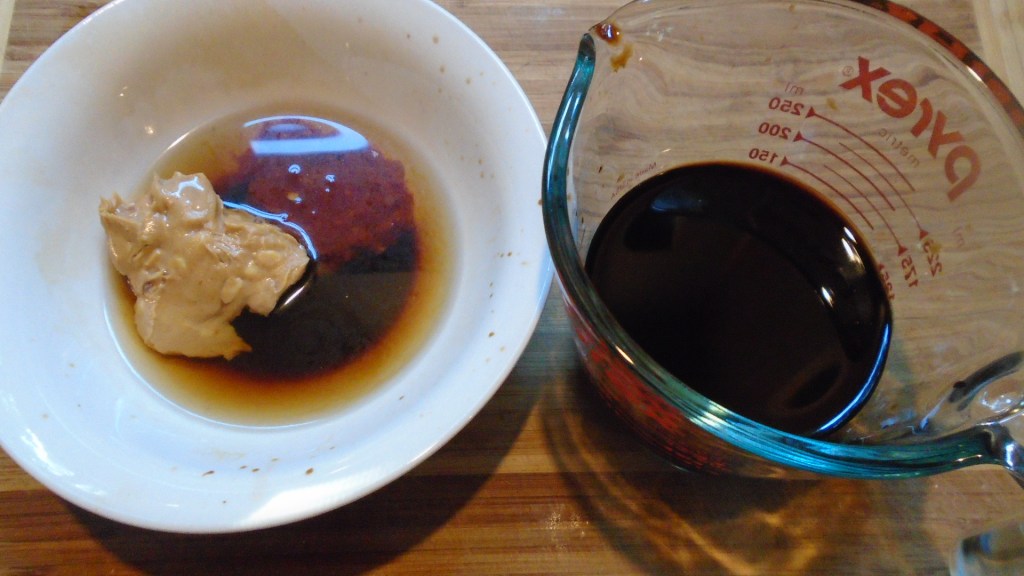
Add the dark soy sauce, soy sauce, peanut butter, garlic chili sauce, molasses (or Hoisin sauce), sesame oil, sugar and vinegar to a bowl. 

Heat a large skillet low heat.  Add a teaspoon of oil.  Once the oil is hot, add the seeds from the chilis.  Allow the seeds to simmer in the oil until they begin to pop and become light brown. 

Add the ginger and garlic and heat for another two minutes, while stirring.  If the garlic starts to burn, remove it and discard the pieces of garlic. 

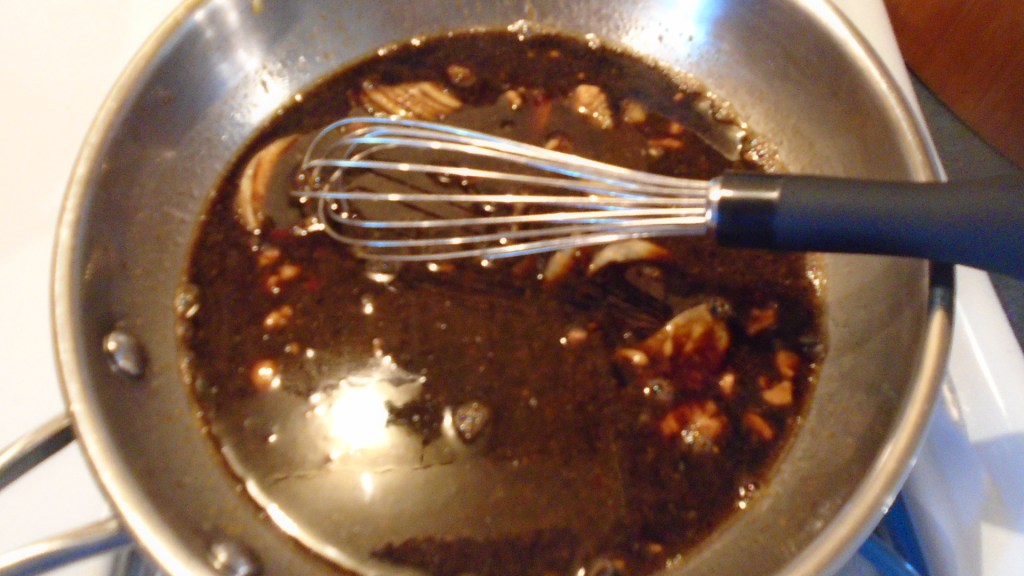
Pour the sauce ingredients into the skillet and simmer at low heat.  Whisk to blend the sauce.  In a small bowl, add the water and cornstarch.  Stir with a fork until the cornstarch forms a paste. Add the cornstarch past to the sauce and turn the heat to medium.  Whisk the sauce until it bubbles and thickens.

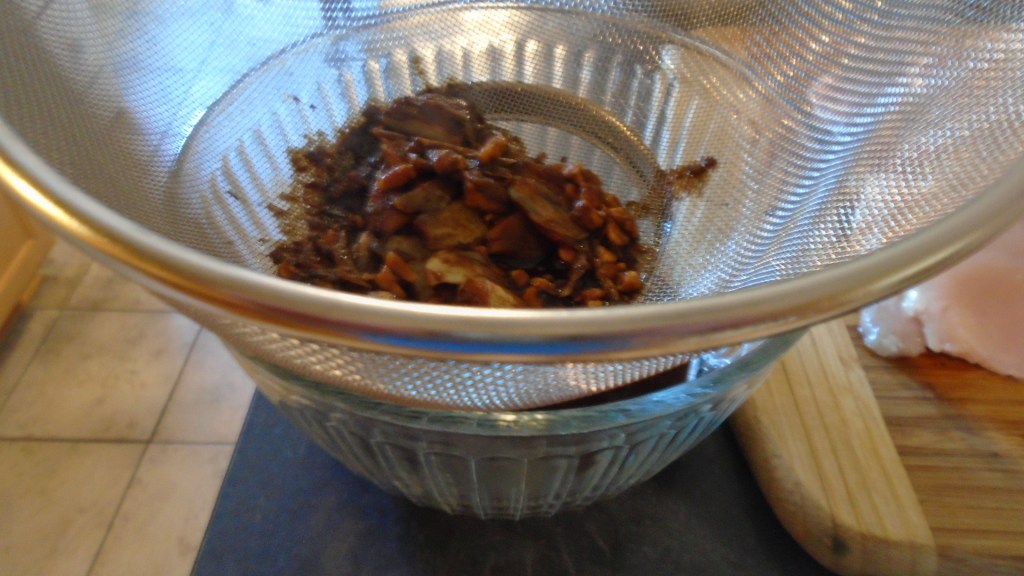
Strain sauce into a large bowl.  Discard the solid pieces and set the sauce aside.

Boil the noodles until they are al dente.  Strain, drizzle a little sesame oil over the noodles and toss to combine. Set aside until ready to use.

Prepare the vegetables and sort them on a large platter.  Set aside. 

Cut the chicken thighs into bite-sized pieces.  Sprinkle with cornstarch and toss is in a bowl to coat.  Let the chicken rest for a few minutes while you prepare the wok.

Heat a wok to medium/high heat.  Add a tablespoon of oil.  Add the pieces of chicken, a few at a time, to the wok.  Allow the chicken to fry without stirring for about one minute and then stir with a spatula until the chicken is light, golden brown.  Remove the chicken to a bowl and set aside.

Turn the heat down to medium/low heat.  Add the celery, carrots and onion.  Stir fry for a few minutes.  When the carrot starts to soften, add the prepared ginger.  Stir over medium heat for another minute. Add the Thai chilis, if you want to bring the heat!

Add the prepared sauce.  Mix with a spatula.

Add the chicken and continue to stir for a minute, or two. 

Add the peanuts.  Stir to combine.

Add some of the green onion and stir briefly.

Add the prepared noodles and toss.

Turn off the heat and transfer everything to a large bowl.

Garnish serving bowls with cilantro, green onion and toasted sesame seeds.

Ramen with Sesame Pork

There’s a million fun ways to make ramen.  This is one of those ways. 

Ingredients:

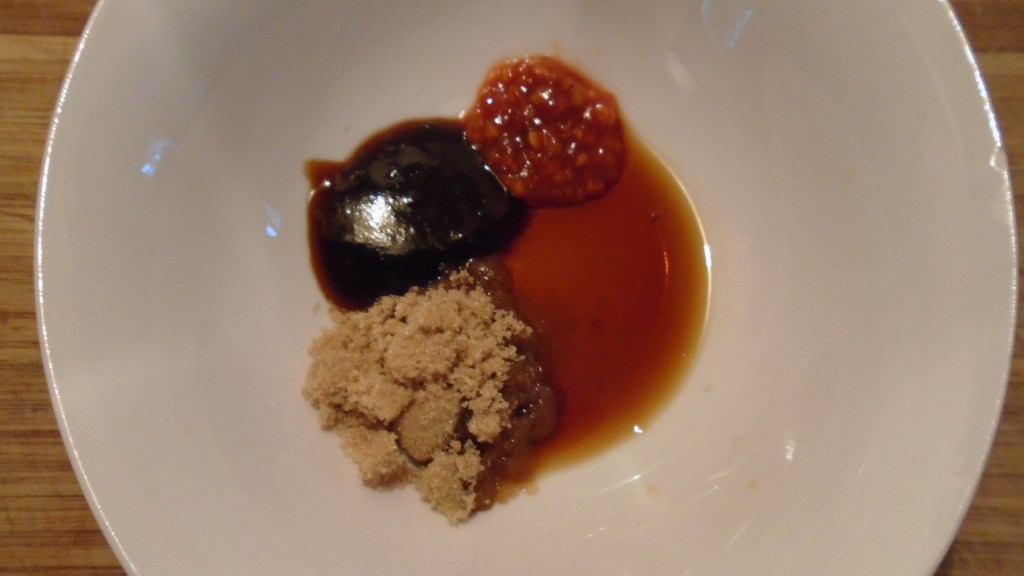
1 Tbs brown sugar

1 Tbs Hoisin sauce

1 Tbs soy sauce

1 Tbs sesame oil

2 tsp chili garlic sauce

2 pork loin cutlets ( ½” thick)

1 cup sliced mushrooms

4 green onions, chopped

¼ cup fresh basil, chopped

1 large jalapeño, sliced

1 wickedly spicy chili of your choice, thinly sliced (optional)

½ tsp toasted sesame seeds

2 packs of dry ramen, save the spice packets for another day

Directions:

Mix the brown sugar, Hoisin sauce, soy sauce, sesame oil and chili garlic sauce in a small bowl. 

Smear the mixture over the pork cutlets.

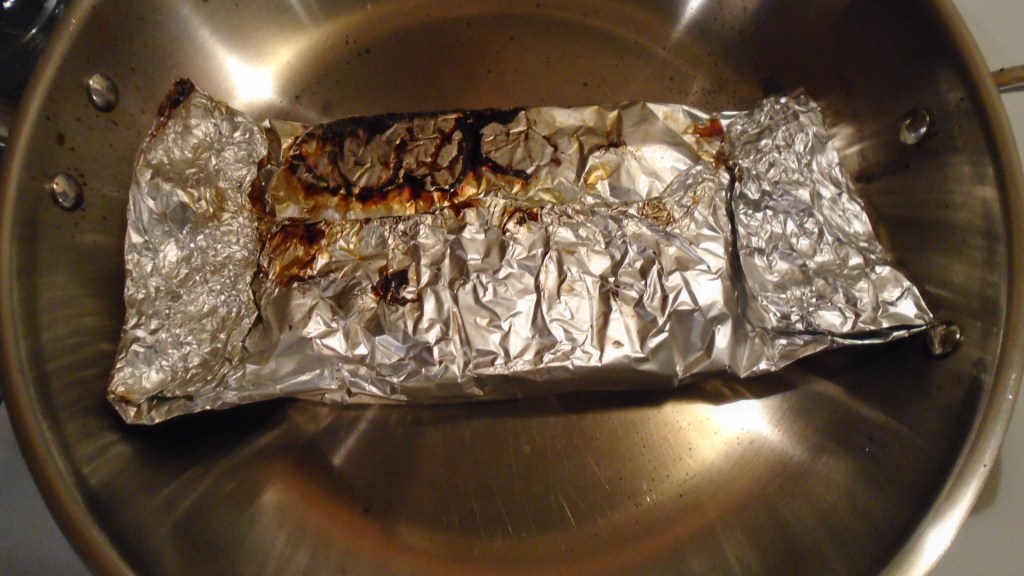
Lay the pork cutlets on a sheet of heavy duty aluminum foil and wrap tightly.

Heat a skillet at high heat.  Lay the aluminum packet on the skillet and press with a heavy object, such as a tea kettle full of water, or small pot filled with water.

Turn the packet over every minute, with tongs.  Remove the packet after 5 minutes.  Set aside.

Set a pot of water to boil.  Add the ramen and stir briefly until the ramen is tender.  Strain the ramen noodles and set aside.

Slice the pork into ½” thick strips.  Set aside.

Pour the juices from the aluminum foil pack into a small sauce pan.  Scrape away any solids that remain on the aluminum foil and add them to the pan.  Add 2 cups of water to the pan and simmer at medium medium/high heat.  Allow the sauce to boil for a minute and then turn the heat off.  Add the toasted sesame seeds. 

Add some of the cooked noodles to a serving bowl.  Add some sliced pork and raw vegetables.  Pour some of the broth into the bowl and steep for a few minutes.  Serve warm.

Chicken Satay Salad

A Labor Day celebration, like no other.

Today’s recipe is a shout out to the many hard working people who continue to persevere as we face the Covid-19 pandemic.  Two people in particular are on my mind tonight.  My colleagues and I are not only putting ourselves at risk every day as we work during the pandemic but we have the added challenge of dealing with a poorly developed and prematurely deployed warehouse management system.  We are flying without a net as we attempt to train employees on a system we barely know and yet, we somehow find a way to maintain our “game faces” as we strive to maintain our sanity during this absurd circus.

Happy Labor Day, guys…thanks for your strength, wisdom and humor.  I’m honored and humbled to be on your team.

Okay, let’s get busy… Chicken Satay Salad

I don’t remember the first time I had chicken satay but I do remember how quickly I took to it!  Grilled chicken on a skewer smothered in a sweet, peanut buttery, soy sauce…wow!  I don’t know how or why Indonesians got their hands on peanut butter but they won me over with this!

I’ve made chicken satay several times and I have received mixed reviews, which is a polite way of saying that it wasn’t received well.  Maybe it’s the peanut butter flavor that people don’t get, I don’t know.  This recipe expands on the traditional satay by adding fresh vegetables and rice noodles.  The satay sauce takes a backseat to the textures and flavors that the salad and noodles bring.

For the Marinade:

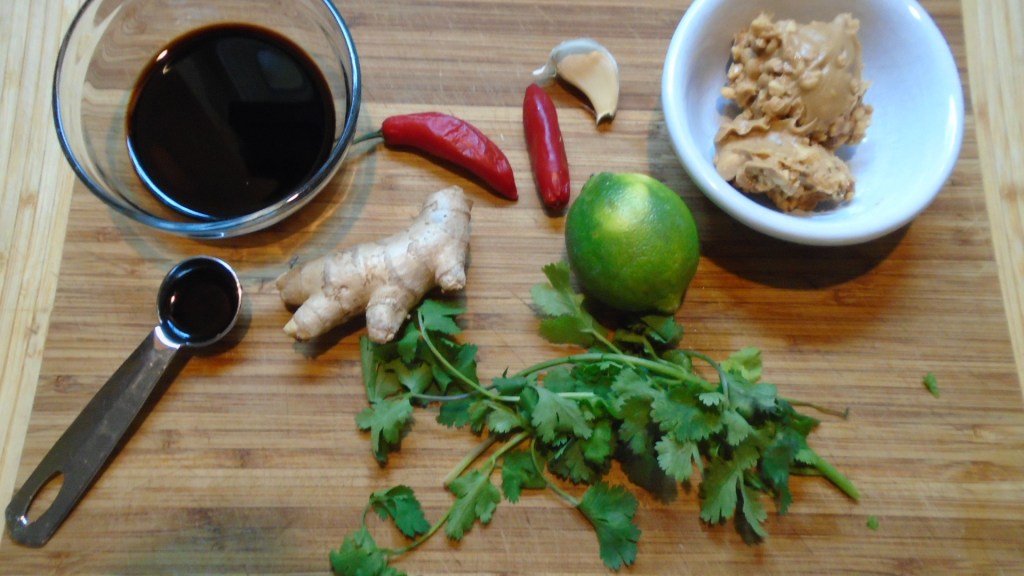
1/3 cup dark soy sauce

Juice of 1 lime

2 Tbs peanut butter

1 tsp Maggi sauce (it’s like soy sauce on steroids!)

1 Tbs chopped fresh ginger

¼ cup chopped fresh cilantro (stems included)

2 small, fresh red chilies, chopped (jalapeño, cayenne or Thai chilis) – optional

1 clove garlic, smashed

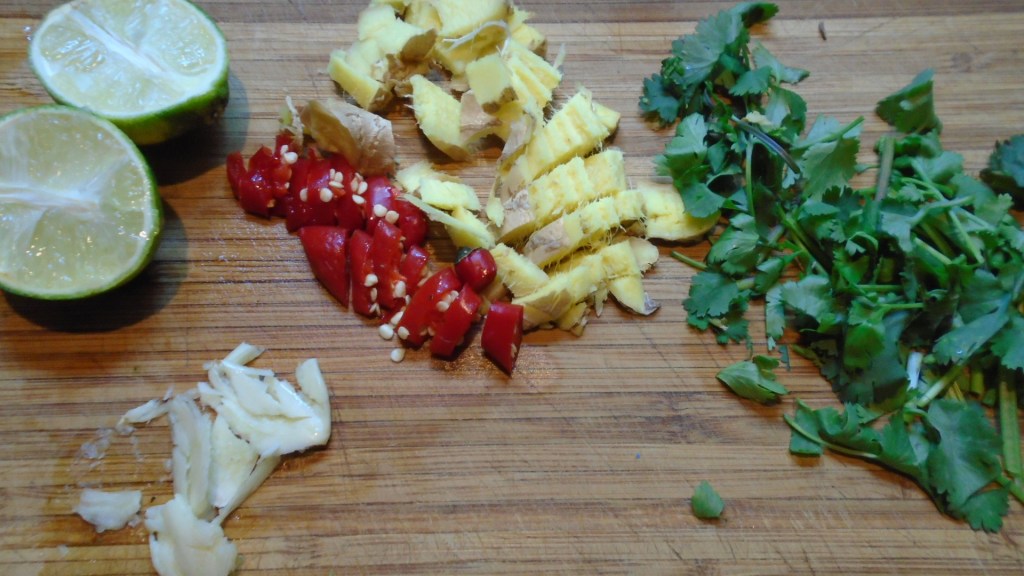
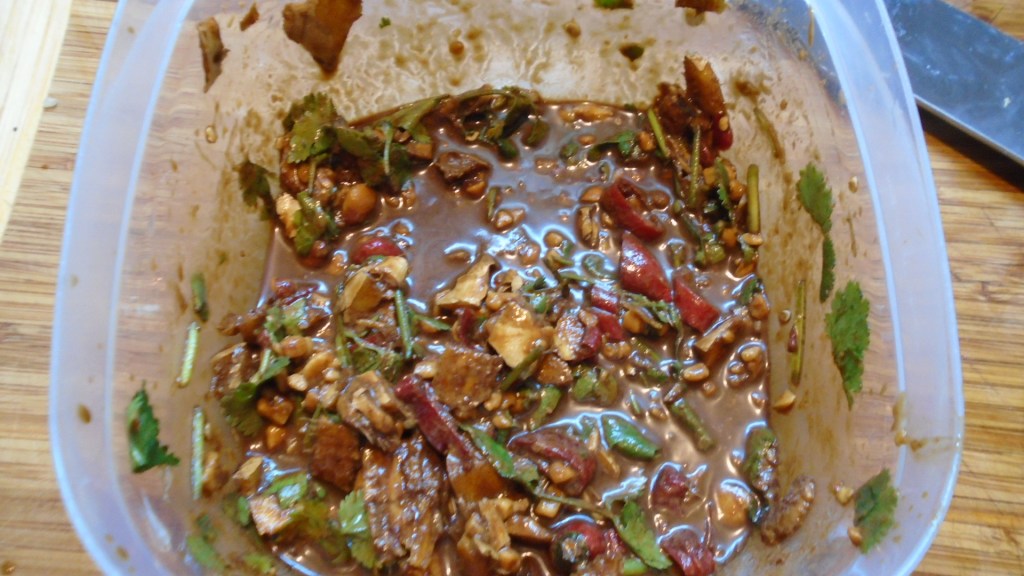
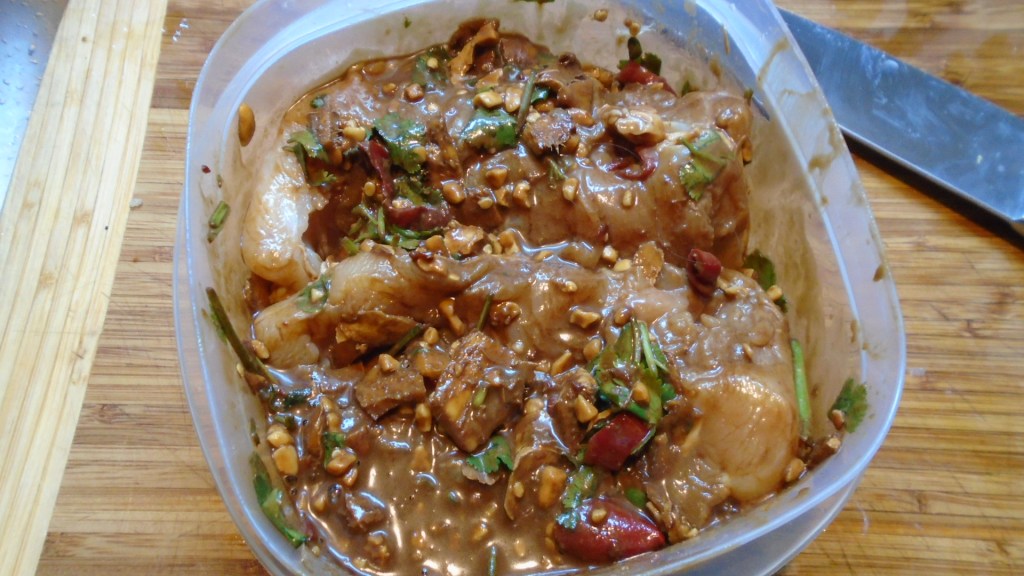
Combine the marinade ingredients in a bowl and mash with a spoon.  Crushing the ingredients is an important step because it releases the oils and flavors and produces a very potent marinade!

Marinate the chicken breasts for one hour.

While the chicken marinates, make the sauce for the noodles and prep the rice noodles.

Ingredients for the sauce:

1/3 cup dark soy sauce

2 Tbs honey

½ cup warm water

3 Tbs peanut butter

Juice of two limes

3 Tbs cooking oil (I used olive oil)

1 clove garlic, mashed and minced

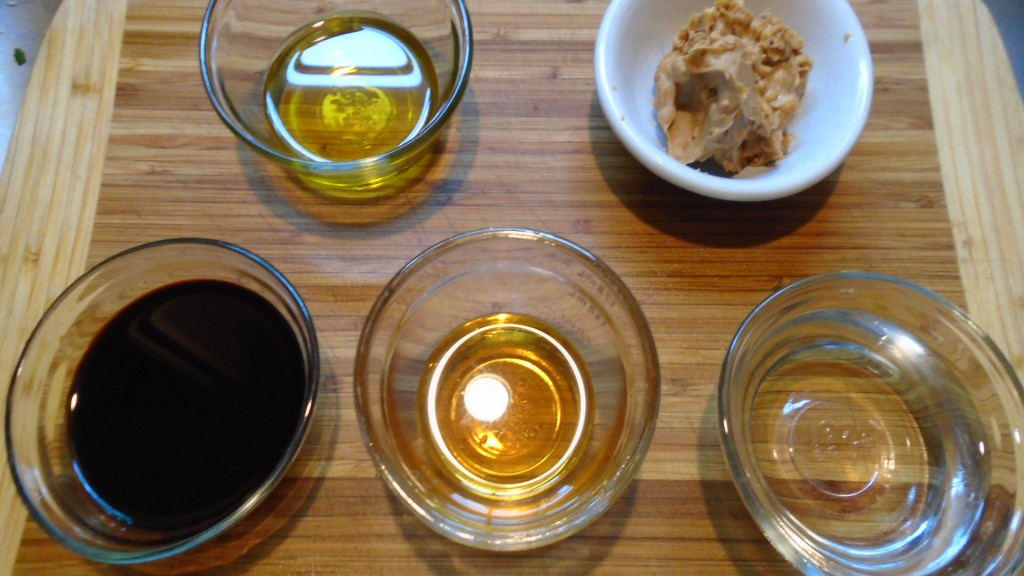
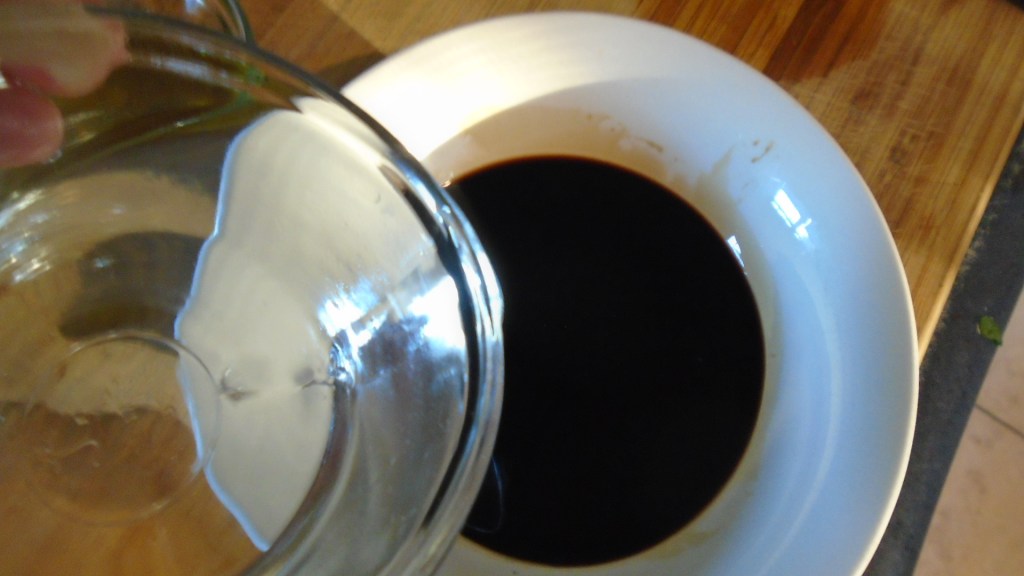
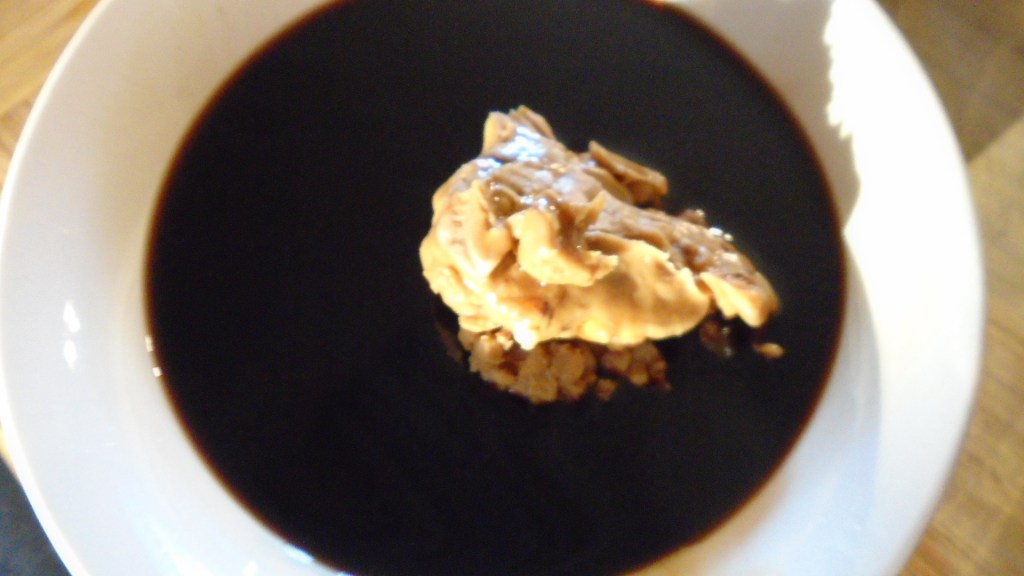
Add the dark soy sauce and honey to a mixing bowl.  Add warm water and mix thoroughly.  Add the peanut butter and mix to combine.  Drizzle the oil into the mixture and whisk.  Add lime juice and minced garlic and mix.  Set aside.

Prepare the rice noodles:

Ingredients:

8 oz rice noodles (Vietnamese-style rice Vermicelli noodles)

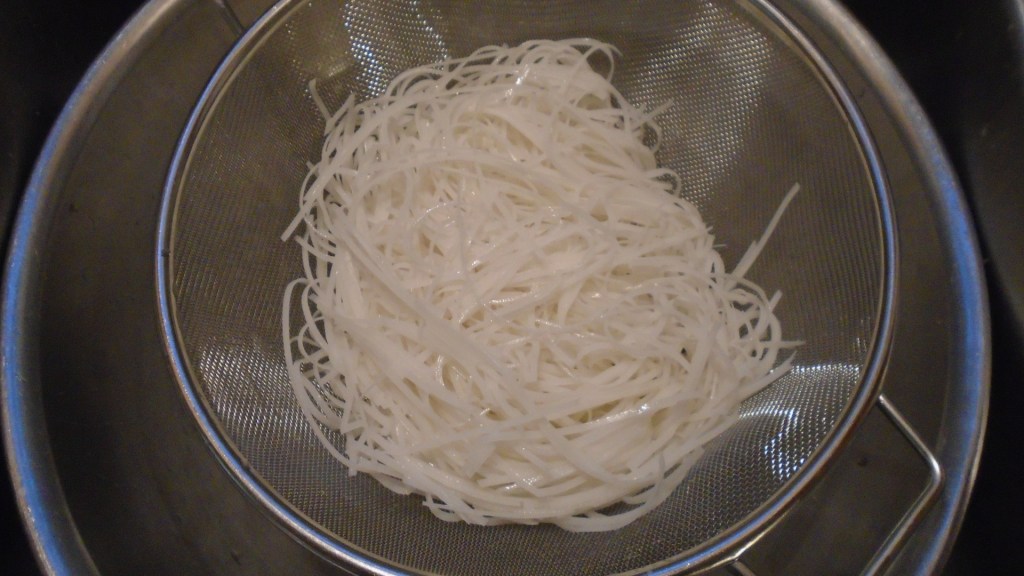
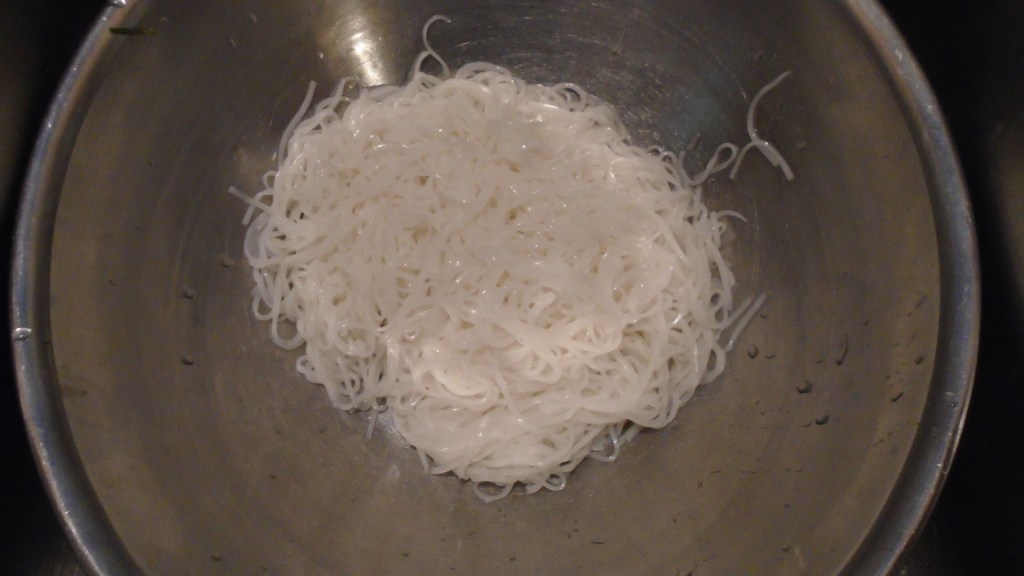
Soak the rice noodles in warm water for about 30 minutes.  Strain the water and set the noodles aside.  Start a large pot of water to boil on the stove.  Boil the noodles for about 1 minute, or until the noodles are soft (al dente).  Remove the noodles and strain.  Rinse with cool water.  Set the noodles aside.

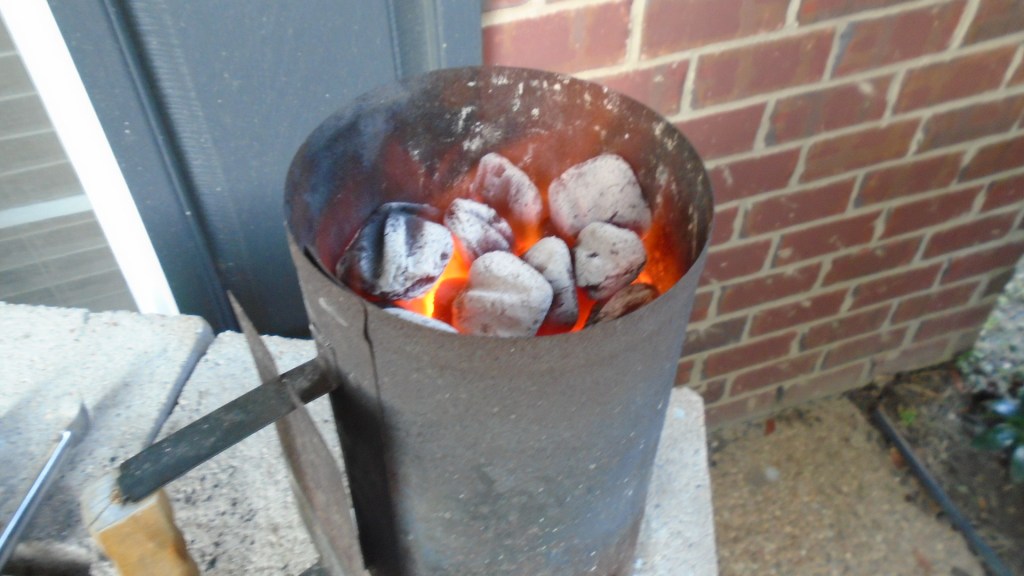
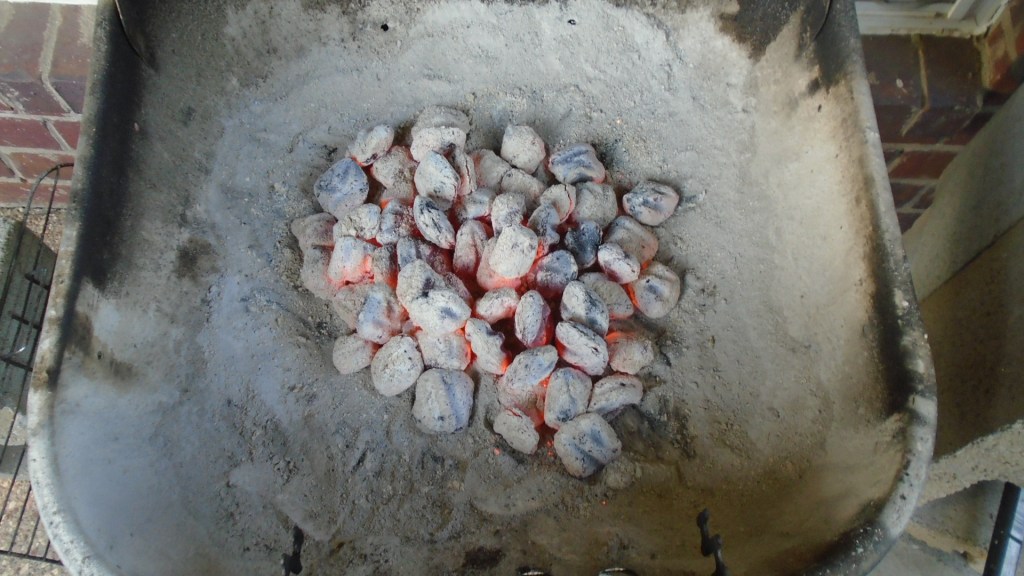
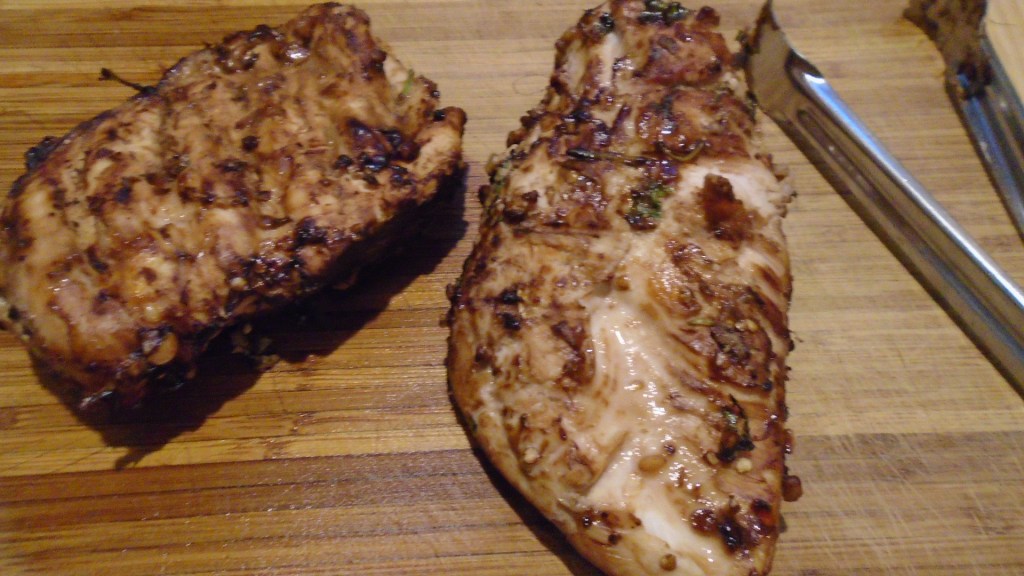
Start the grill.  Allow the coals to reach their peak before putting the chicken on the grill.  The goal is succulent, smoked chicken, without charring the chicken.  Pile the hot coals in the center of the grill and lay the chicken on the edges of the grill.  Cook time will be about 40 minutes and the chicken should be turned every 10 minutes.  Be patient.  All good things happen in due time!

Grill the chicken until the internal temperature is at least 165°.  To be honest, I rarely use a thermometer to check for doneness.  I press my thumb on the chicken and when it feels firm, it’s done but, checking the temperature is a sure way to make sure the chicken is fully cooked.

While the chicken is on the grill, go back to the kitchen to chop some vegetables.

Ingredients for the salad:

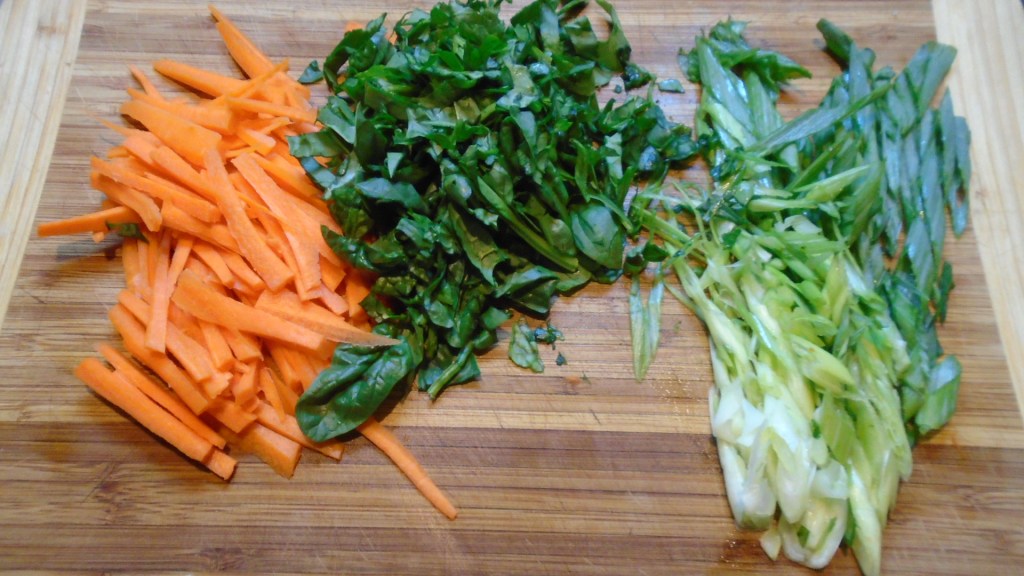
1 cup fresh spinach, sliced thin

3/4 cup carrots, cut in thin strips

3 green onions, sliced in long strips

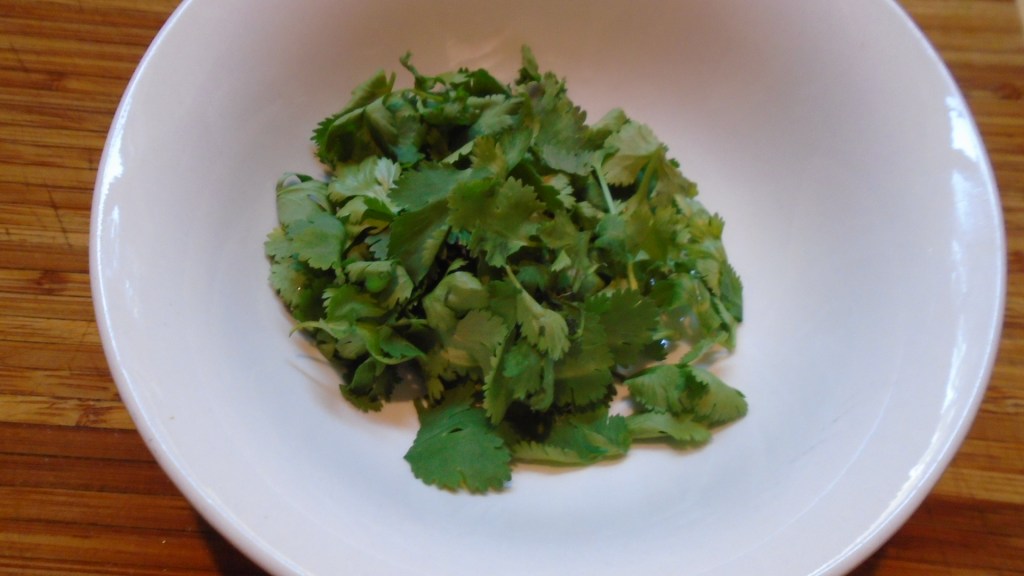
½ cup cilantro, chopped

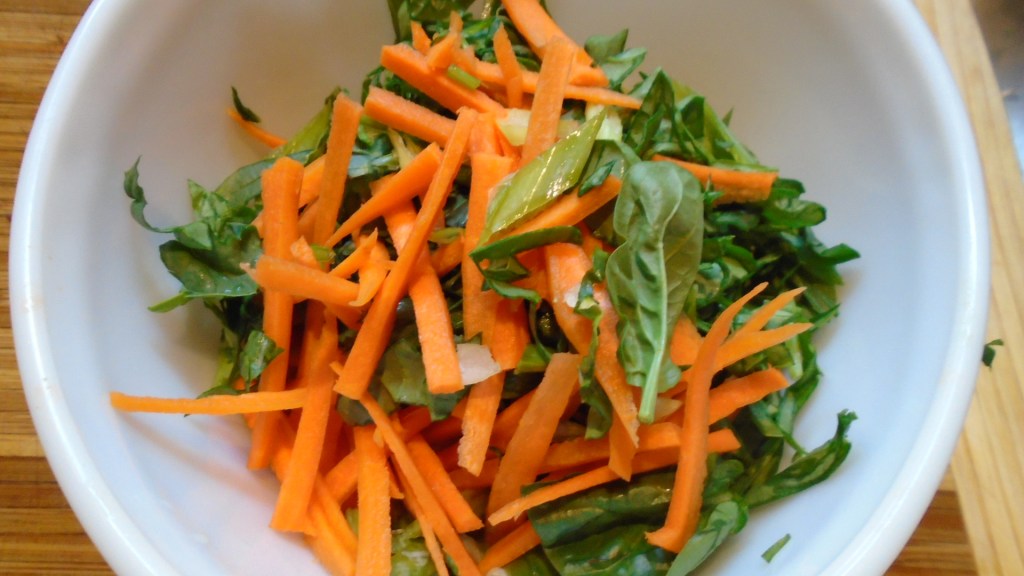
Combine the vegetables in a bowl and set aside.  While you’re at it, measure out the peanuts and set them aside.

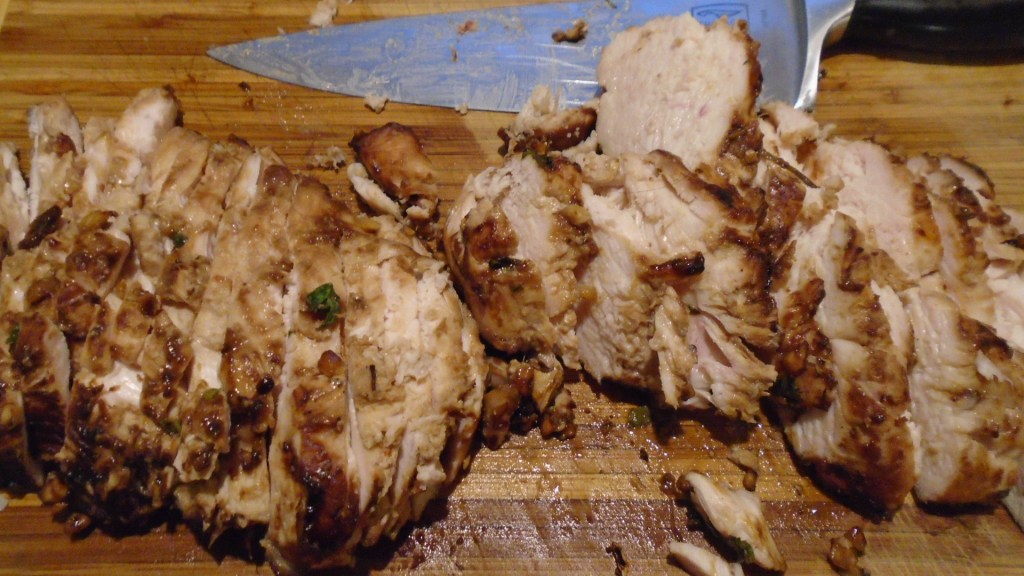
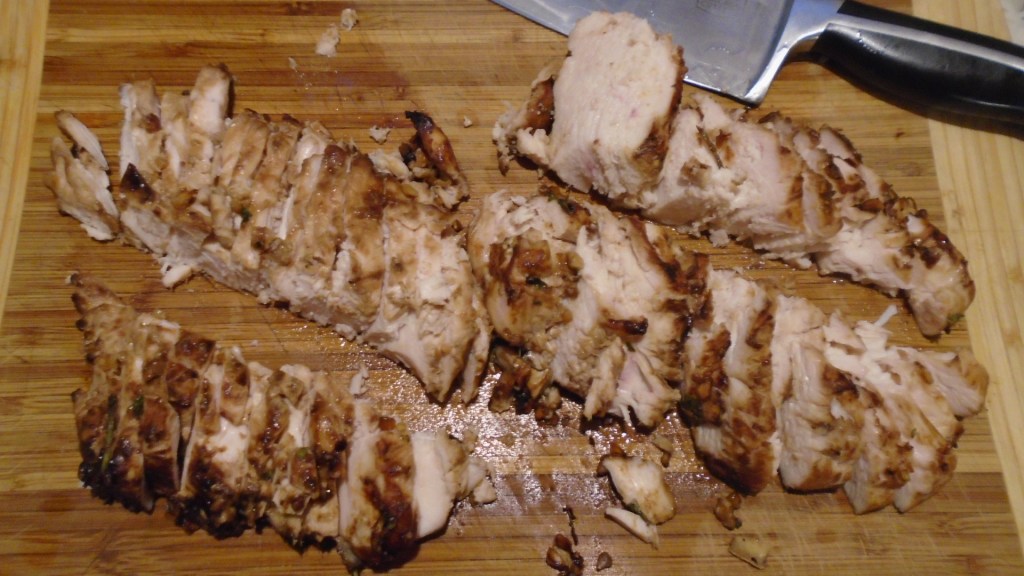
Pull the chicken from the grill and let it rest for several minutes before slicing.  Slice the chicken in ¼” slices and set aside.

Add the prepared noodles to a large mixing bowl.  Heat the sauce in a pan until it begins to bubble and boil.  Turn the heat off and add the sauce to the noodles.  Mix until the noodles are coated.

Prepare the finished dish by adding some noodles to individual serving bowls.  Top with sliced chicken and then top that with the vegetables and peanuts.

Serve at room temperature or chilled, for a refreshing summertime meal.

Vietnamese Spring Rolls

Dinner for one tonight.  Every now and then my family has plans in the evening and we don’t to eat together.  That’s when I consider making something to eat that I know I enjoy but others, not so much.

Tonight, no TV, no phone, no distractions.  Just me, a knife, a cutting board and some fresh food.  This was 30 minutes of pure joy and relaxation, which is exactly what I needed after a day of the chaos of my work day!

There’s something eerie about Vietnamese spring rolls.  The translucent quality of the wraps appeals to me in a strange way.  The texture is a little gummy and stretchy, which again, can be challenging.  I remember being hesitant when I was introduced to them but, once I had one, I was hooked.

These are REAL spring rolls!  Just one bite invokes thoughts of spring and summer.  These aren’t the little fried doo-dads that you get from a Chinese restaurant.  These are full of big, bright flavors and they have an elegance that fried spring rolls can’t deliver.

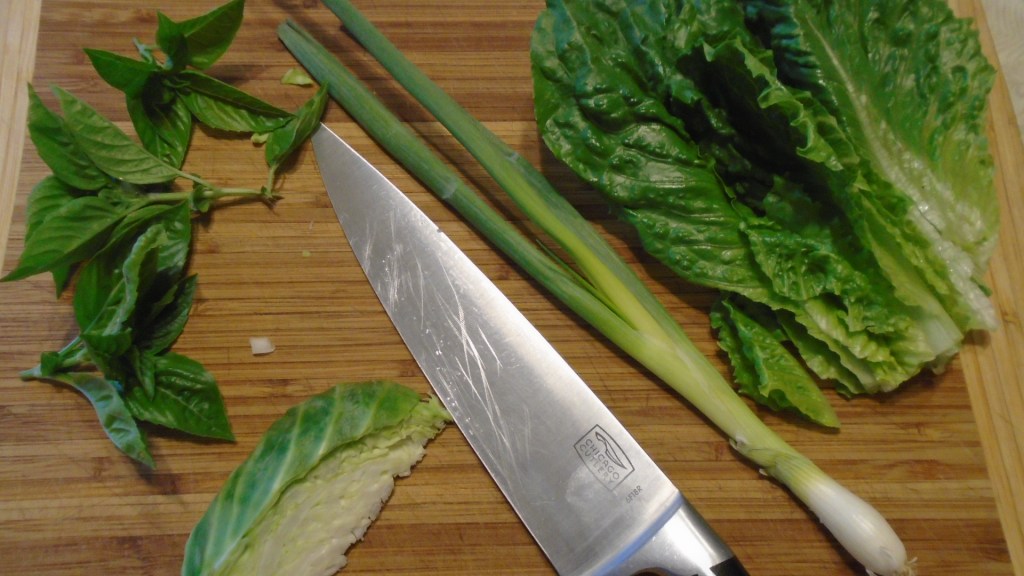
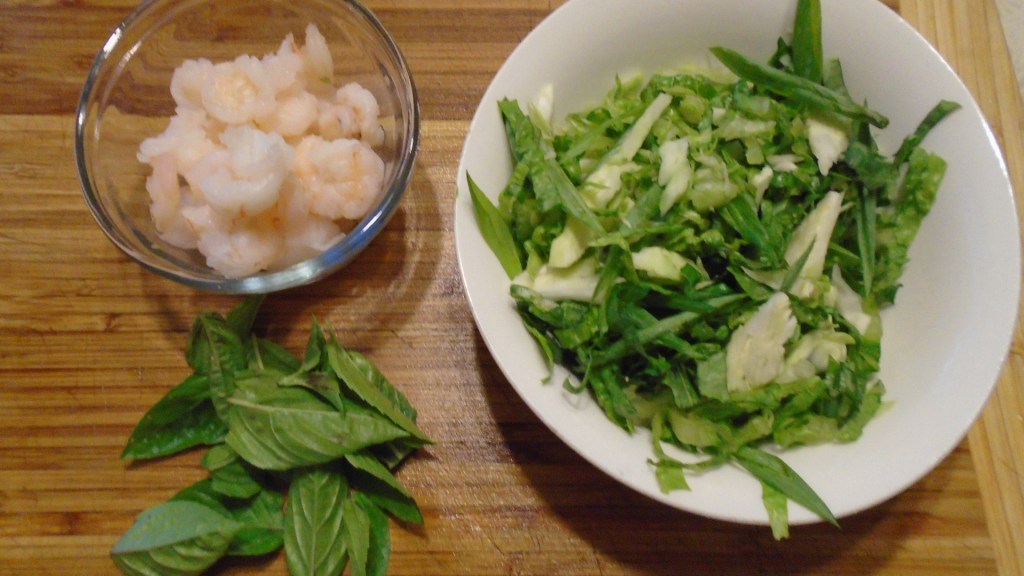
I used ingredients that I had on hand.  I wasn’t about to make a trip to the store to find Thai basil.  Any sort of crunchy green, leafy vegetables are perfect.

Ingredients:

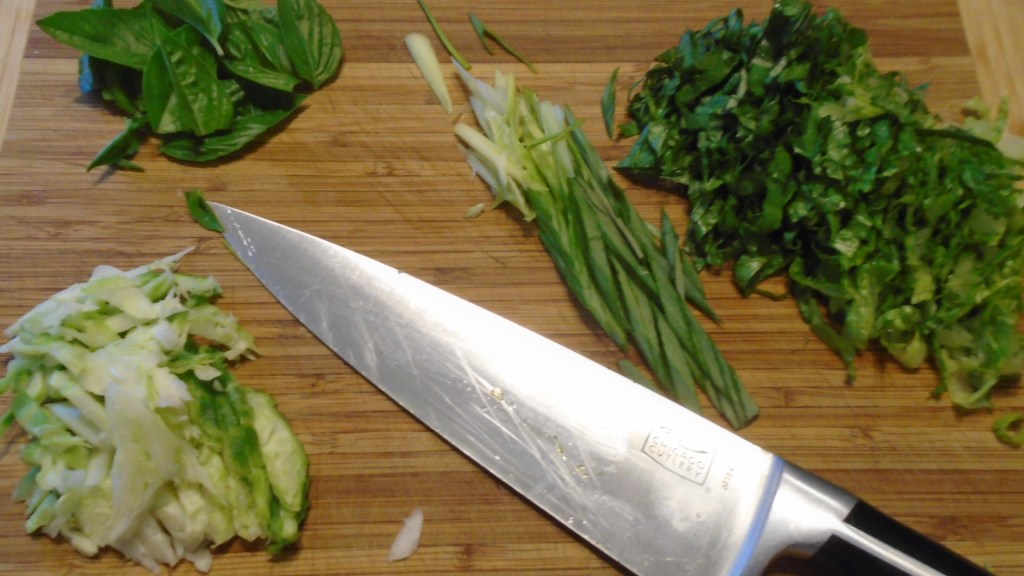
½ cup shredded cabbage

¾ cup Romaine lettuce, thinly sliced

1 green onion, sliced

¼ cup fresh basil

8 to 10 medium sized shrimp, boiled

4 spring roll wraps

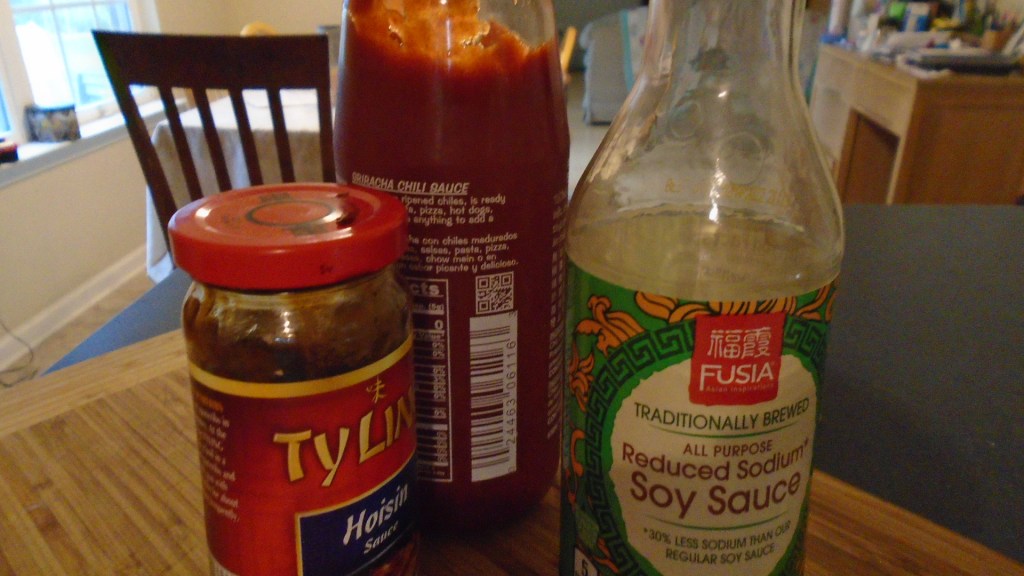
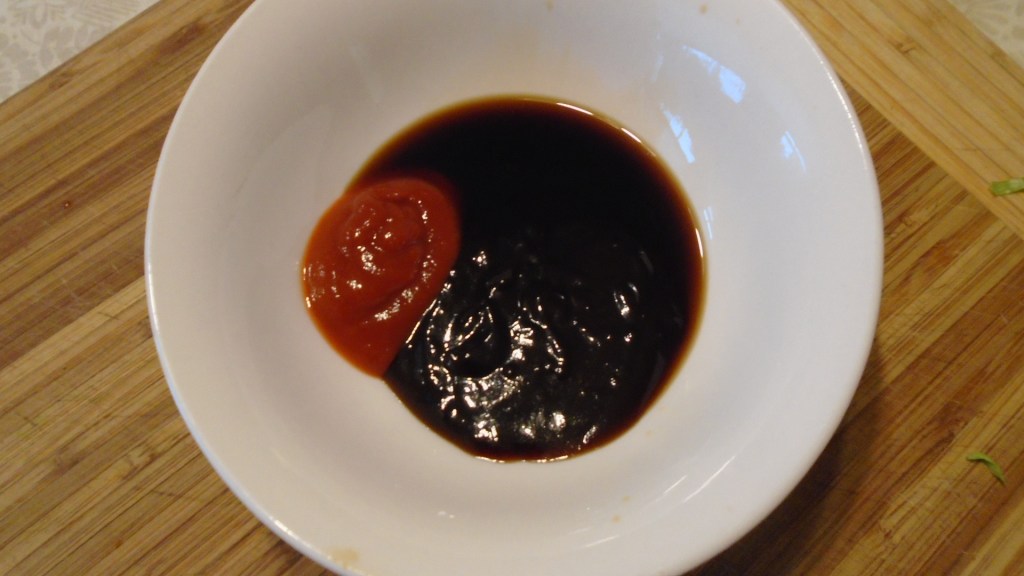
3 Tbs Hoisin sauce

2 Tbs Sriracha sauce (use less, if you like but make don’t omit!)

1 Tbs soy sauce

Directions:

Chop and slice the vegetables.  Set aside

In a small bowl, mix the Hoisin sauce, Sriracha and soy sauce.  Set aside.

Slice the shrimp in half, lengthwise and parboil.  I added the shrimp to a small amount of boiling water and removed the shrimp after one minute.

Chill the shrimp in the freezer for a few minutes.

Prepare the spring rolls by dipping the wraps in a plate filled with water.  Once the wrap becomes pliable, remove it to a work surface and add the fillings.  Wrap by folding over the edges and rolling from bottom to top, just like folding a burrito.

Serve with the dipping sauce.

Serve with Vietnamese iced coffee, if you have the time to prepare.  Otherwise, a nice crisp, refreshing beer will suffice.

Guest Chef

My son came by a few weeks ago to make dinner for the family.  It was an honor (and a pleasure) to watch him work.  He has a keen, creative mind and a clever palate.  The young man is a crafty chef in sheep’s clothing and he’s not afraid to attempt challenging culinary feats in front of an audience. 

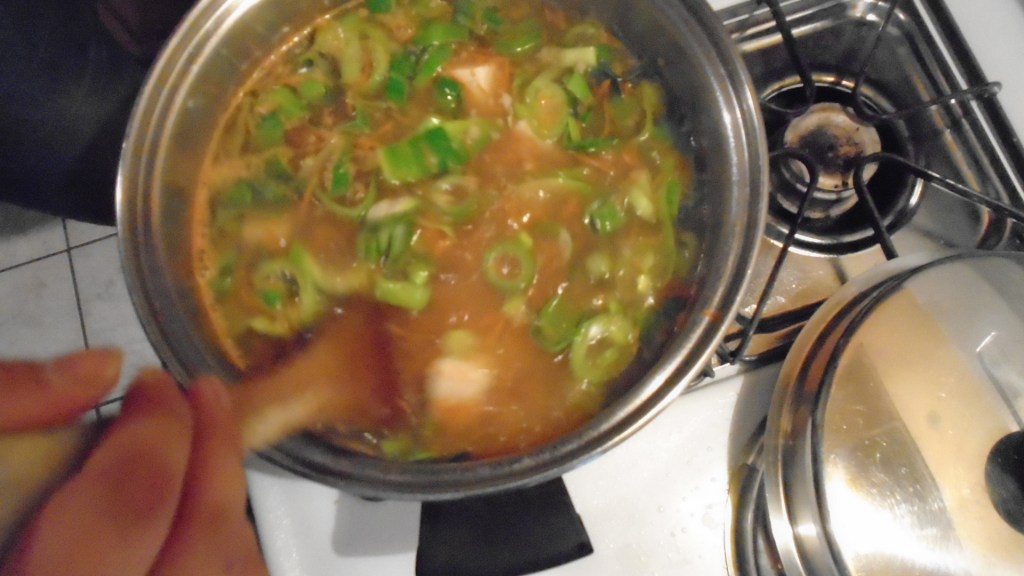
When I came home from work he had already made the dough for the ramen noodles.  Yes, he was making ramen noodles from scratch.  The dough had been set aside and he was in the process of prepping the vegetables.  I watched how he worked the kitchen knife.  Stern, decisive chops and slices.  He worked quickly and with intensity and purpose. 

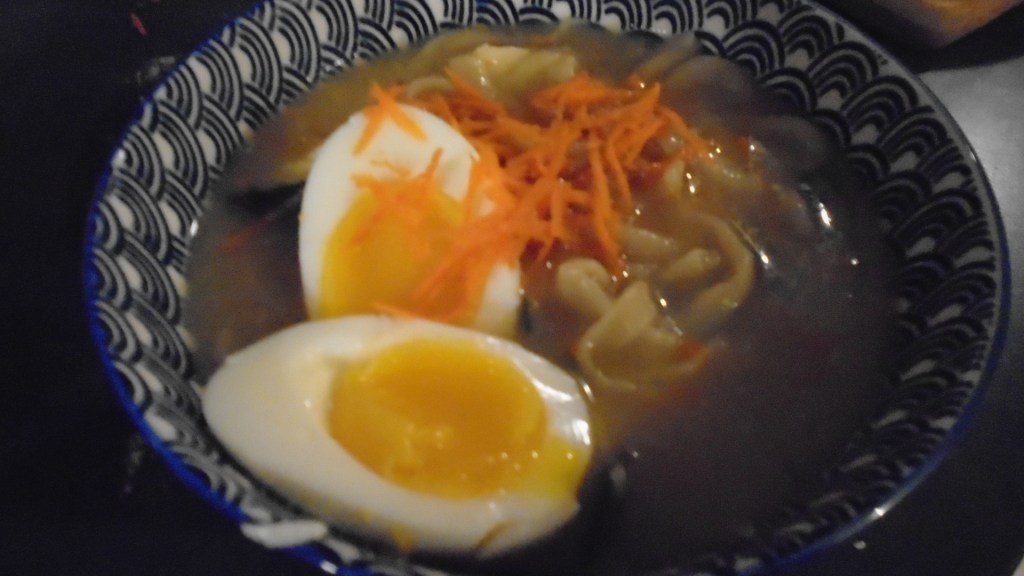
He soft boiled the eggs and removed them to cool while he prepared the rest of the dish. 

Several minutes passed and then he stared long and hard at the eggs, still in their shells. I had to bite my tongue when I realized what he was about to do. He put the eggs back on to boil a little longer. I remembered thinking that re-boiling the eggs was probably a mistake but when he pulled the eggs out and sliced them in half they were absolutely, perfectly soft-boiled! That was either a stroke of luck or a stroke of genius, either way, it was a win!

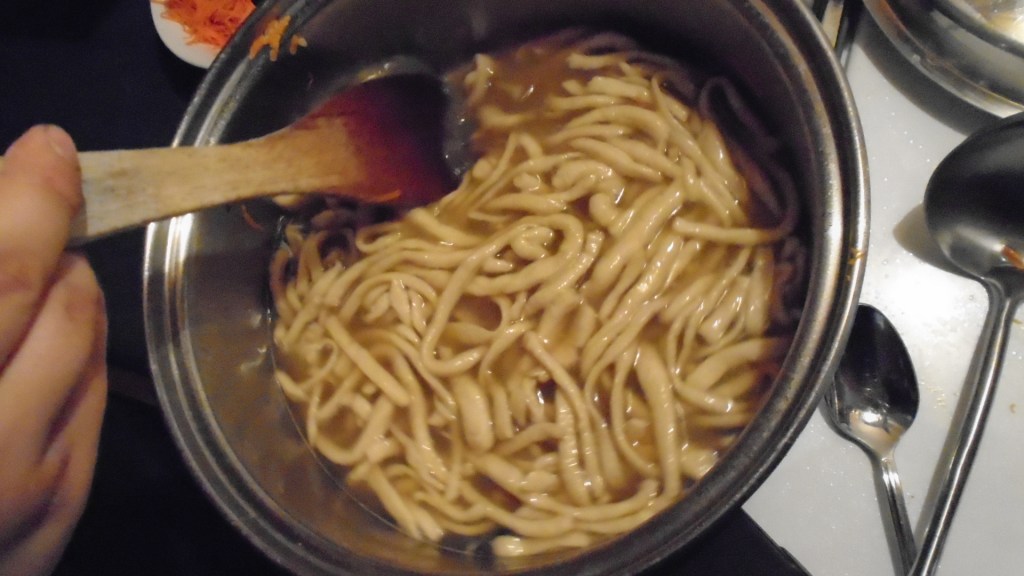
I didn’t ask for the recipe but it was easy to see what he was throwing into the pot.  And, since I wasn’t there when he made the dough for the noodles, I can’t elaborate on that either except to say it was a simple mixture of flour, baking soda and water. 

Ramen

Hand-made ramen noodles

Ginger, chopped

Minced garlic

Leeks, sliced in rings

Tofu (firm)

Nori, sliced

Carrot (grated)

Soy sauce

Chicken broth

Soft boiled eggs